Deck & Commander Strategies
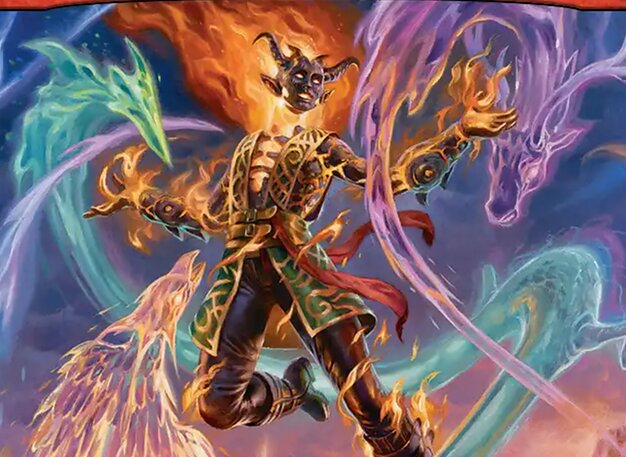
Ashling, the Limitless
Utilizes evoke mechanics to bring out large elementals quickly, focusing on sacrificing creatures to trigger abilities and draw cards, aiming for mid-game board dominance through elemental synergy.
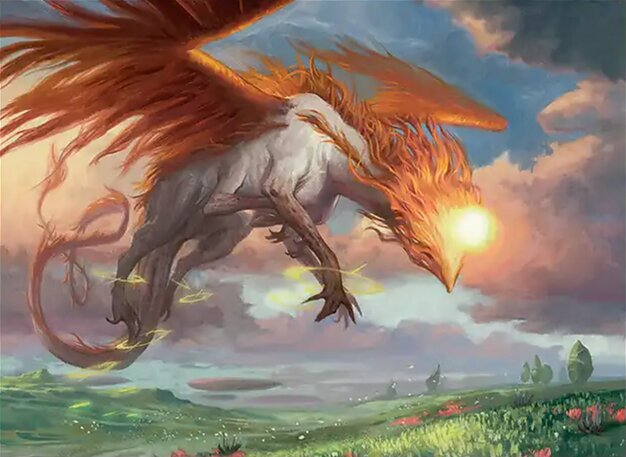
Eirdu, Carrier of Dawn // Isilu, Carrier of Twilight
A white weenie and aristocrats-style deck that leverages small creatures and sacrifice outlets to generate value and maintain board presence, with some disruption and defense elements.
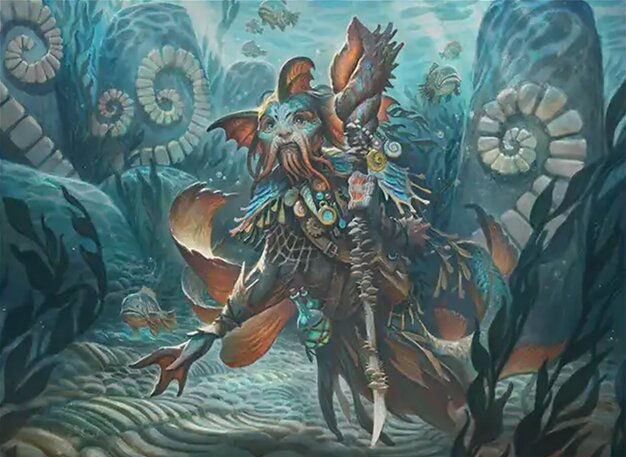
Sygg, Wanderwine Wisdom // Sygg, Wanderbrine Shield
Focuses on unblockable damage to draw cards and generate incremental advantage, transforming into a controlling form that taps opponent creatures and supports a tap/untap synergy-based control strategy.
Gameplay Insights
- 1
Using Sygg’s unblockable ability and transformation to draw cards each combat phase provided steady card advantage and pressured opponents.
- 2
The interaction between Murfolk tribal cards and abilities like Kapala effectively increased opponents' costs to target key creatures, providing a defensive buffer.
- 3
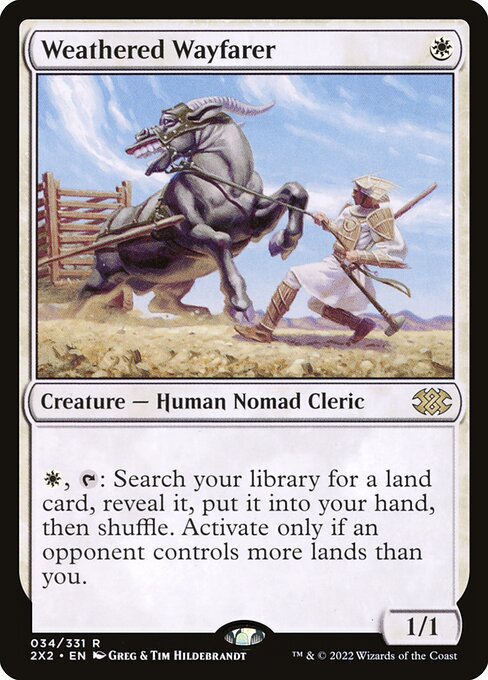
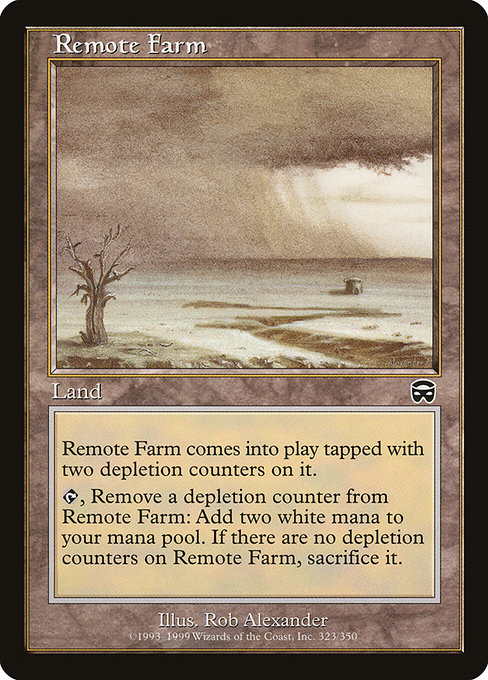
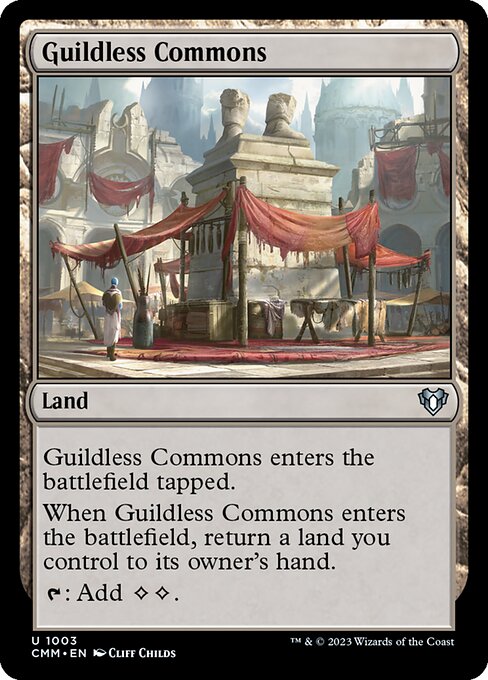
Players utilized bounce lands and land tutors to set up complex mana bases and enable synergistic land interactions that improved ramp and tempo.
- 4
The sacrifice mechanics in Ashling’s deck slowed down aggression but allowed for consistent card draw and elemental board presence.
- 5
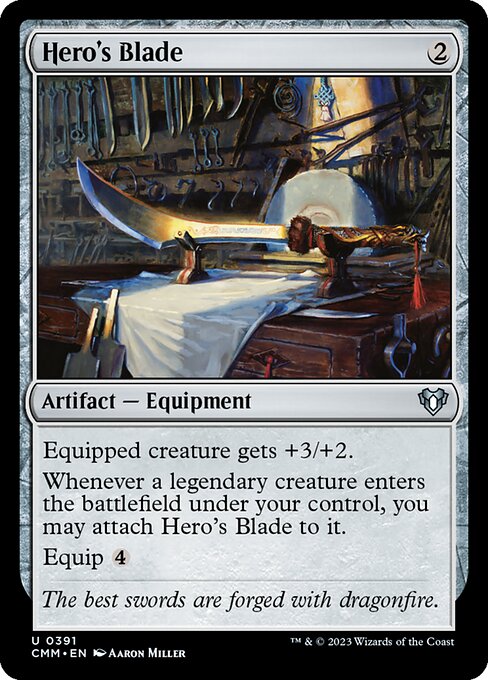
Timing equipment attachment with legendary creatures entering the battlefield maximized combat effectiveness and tactical advantage.
- 6
Early disruption and tapping opponent creatures via Sygg’s transformed form helped control the board and limit opponents’ actions.
Notable Cards
-
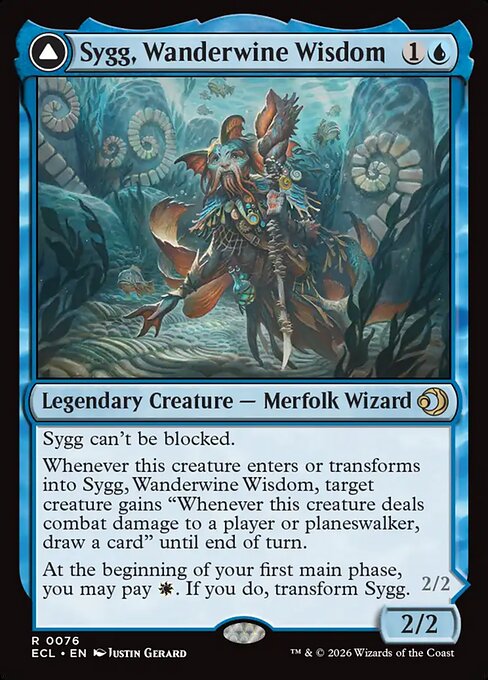
Sygg, Wanderwine Wisdom // Sygg, Wanderbrine Shield
-
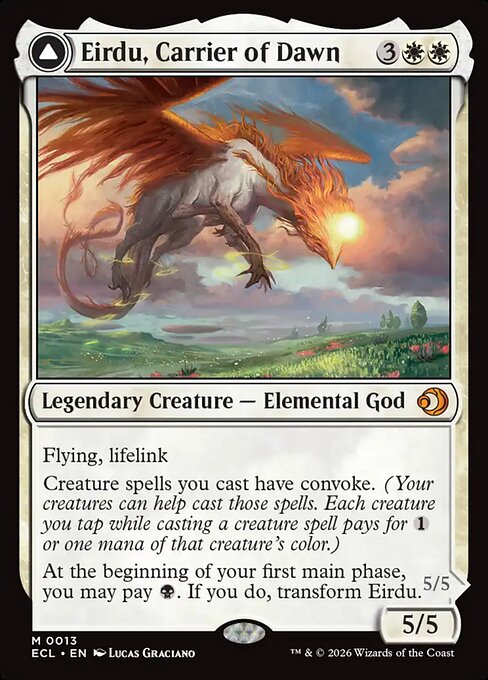
Eirdu, Carrier of Dawn // Isilu, Carrier of Twilight
-
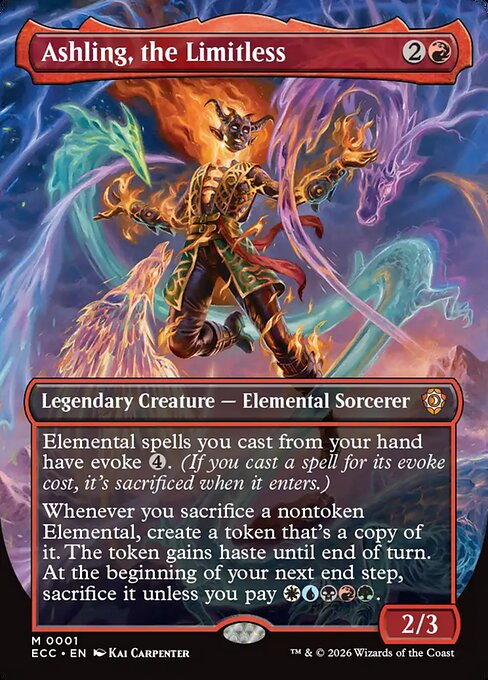
Ashling, the Limitless
-
Hero's Blade
-
Weathered Wayfarer
-
Remote Farm
-
Guildless Commons
-

Arcane Denial
Gameplay Summary
The game started with all players developing their boards and setting up their strategies based on the Lorwyn Eclipse theme.
Early turns featured land drops, ramp spells, and some minor interactions, including tapping and untapping creatures to control opponents' boards.
Sygg, Wanderwine Wisdom was used to draw cards by dealing unblockable damage and transforming into Sygg, Wanderbrine Shield, enabling additional control and card advantage.
Eirdu, Carrier of Dawn's deck played a white weenie strategy with aristocrats elements, focusing on small creatures and sacrificing for value.
Ashling, the Limitless’ player aimed to evoke large elementals, but the creatures tended to sacrifice themselves, slowing down direct aggression in favor of card draw and board presence. A pivotal moment was when players started using tap/untap synergies and key land interactions, including bounce lands and tutor effects, to maintain tempo and resource advantage.
The Murfolk tribal synergy was impactful, with cards like Kapala increasing the cost for opponents to target these creatures, adding a layer of defense.
Players also leveraged equipment and abilities that triggered on legendary creatures entering the battlefield, increasing combat effectiveness.
Despite some early struggles with drawing the right cards, the game progressed with incremental board development, card advantage plays, and subtle control measures, setting the stage for a mid-game clash around elemental and merfolk synergies.
The overall game flow emphasized synergy exploitation, incremental advantage, and tactical resource management rather than explosive combos or early kills.