

Deck & Commander Strategies
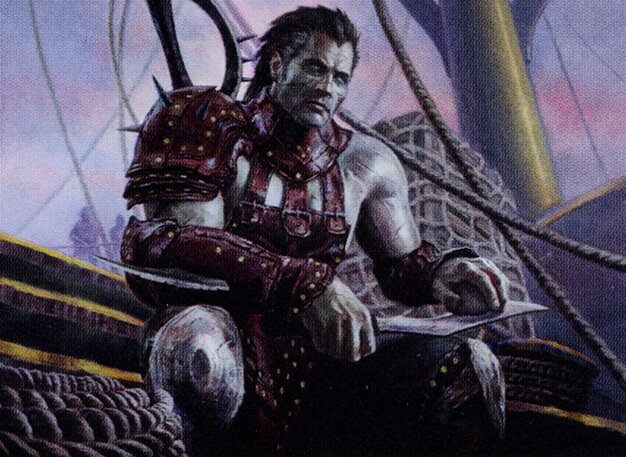
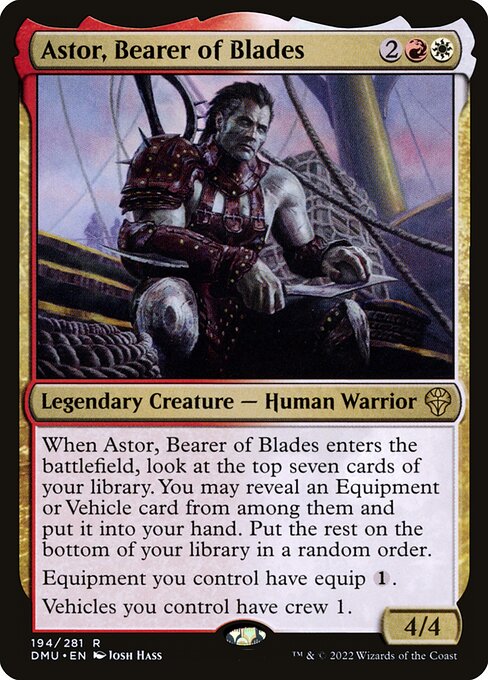
Astor, Bearer of Blades
Focuses on an equipment-centric strategy, using Astor's ability to find and equip powerful artifacts that boost his combat effectiveness. The deck leverages equipment synergies and token generation like Myriad tokens to apply pressure and overwhelm opponents through incremental combat advantages.

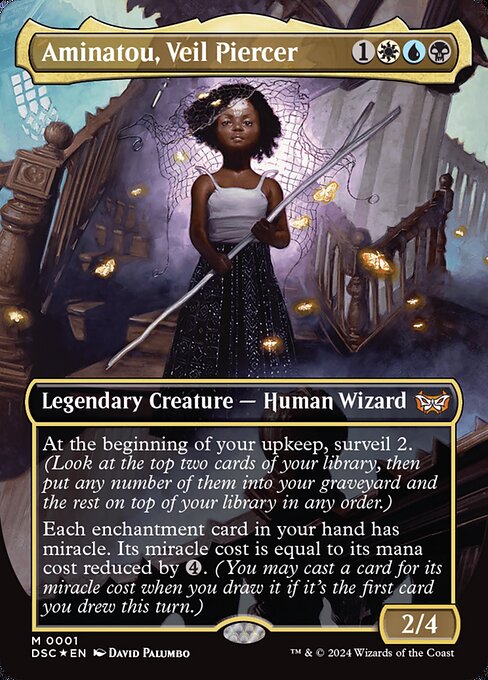
Aminatou, Veil Piercer
Utilizes bounce and flicker effects alongside value creatures and artifact ramp to control the board and generate card advantage. Aminatou's ability to disrupt and reset opponents' board states supports a midrange control plan.

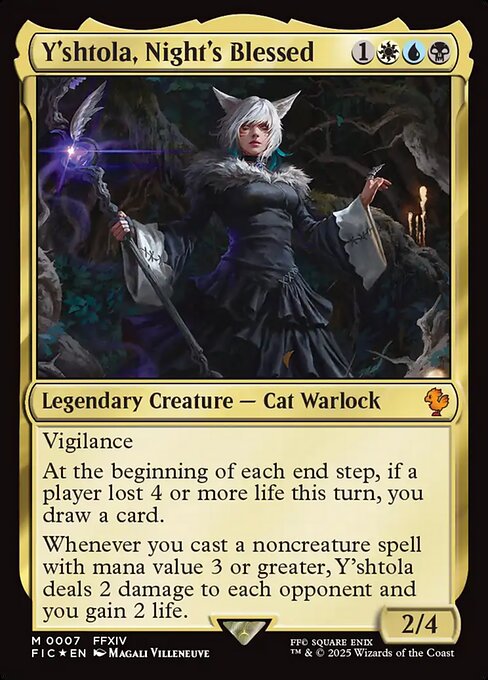
Y'shtola, Night's Blessed
A value-oriented deck combining creatures and enchantments that generate life gain and card draw triggers. It aims to outlast opponents with incremental advantage and stabilize through lifegain synergies.

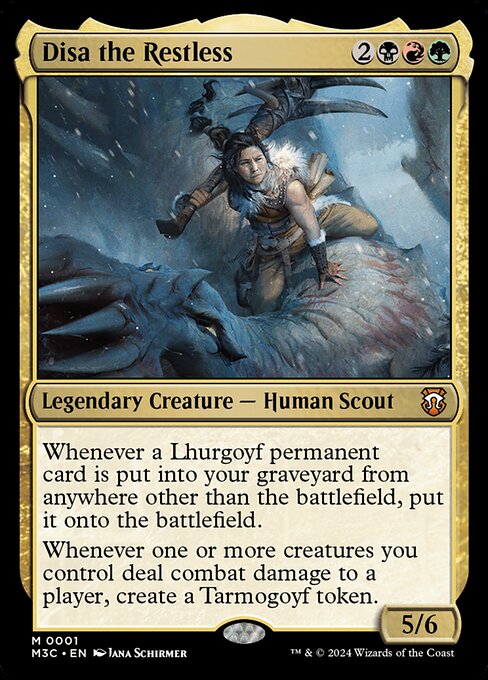
Disa the Restless
Leverages a graveyard-centric approach with surveil and recursion mechanics. The deck uses spells and creatures to fill the graveyard and gain incremental advantage through card filtering and reanimation.
Gameplay Insights
- 1
Astor's synergy with equipment and repeated triggers from Myriad tokens created multiple opportunities to generate card advantage and board control.
- 2
Casting Excalibur with a reduced cost due to historic permanents was a pivotal moment, significantly enhancing Astor's threat level.
- 3
Use of bounce effects like Teferi's Time Raveler to disrupt opponents' commanders and key permanents slowed down their plans.
- 4
Players leveraged life gain and incremental value from creatures and enchantments to stabilize and maintain pressure in midgame.
- 5
Myriad tokens were used not only for extra combat damage but also to trigger Astor's ability multiple times per attack phase, snowballing advantage.
Notable Cards
-
Astor, Bearer of Blades
-
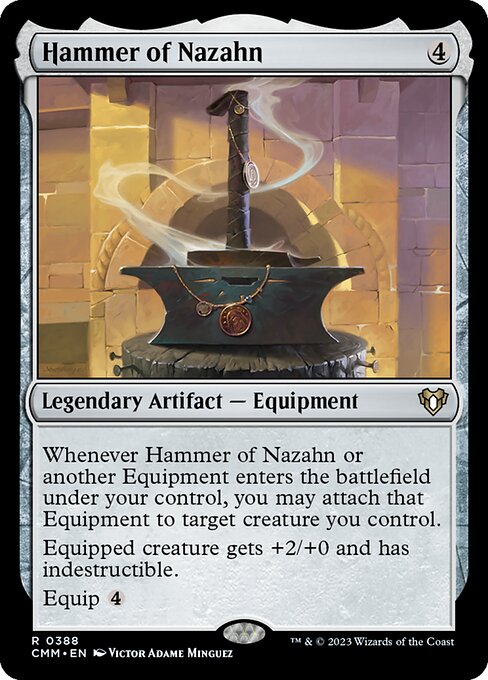
Hammer of Nazahn
-
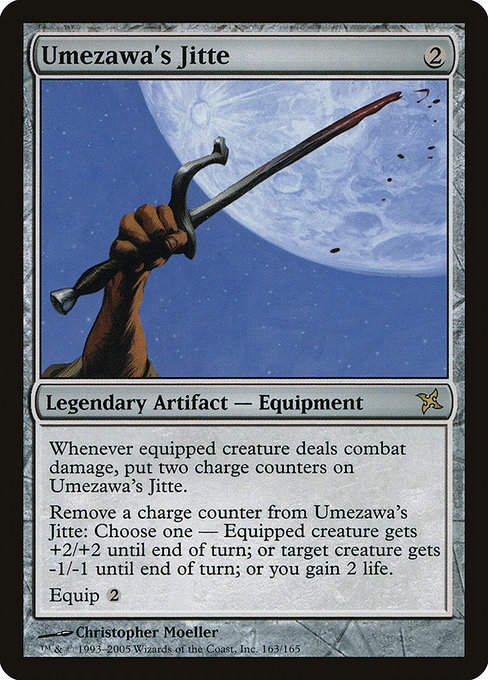
Umezawa's Jitte
-
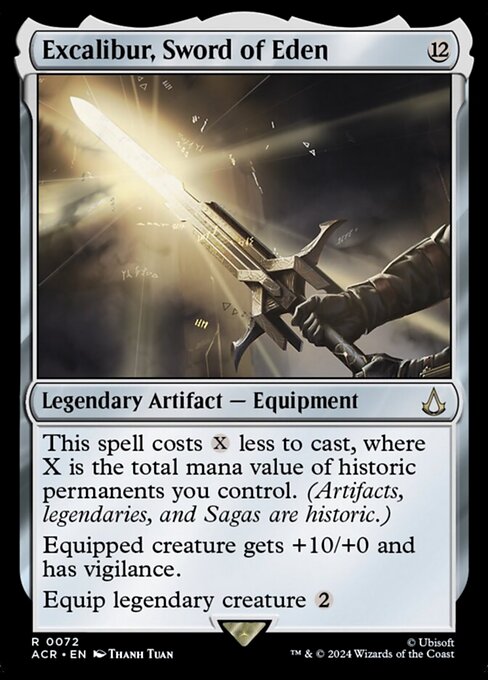
Excalibur, Sword of Eden
-
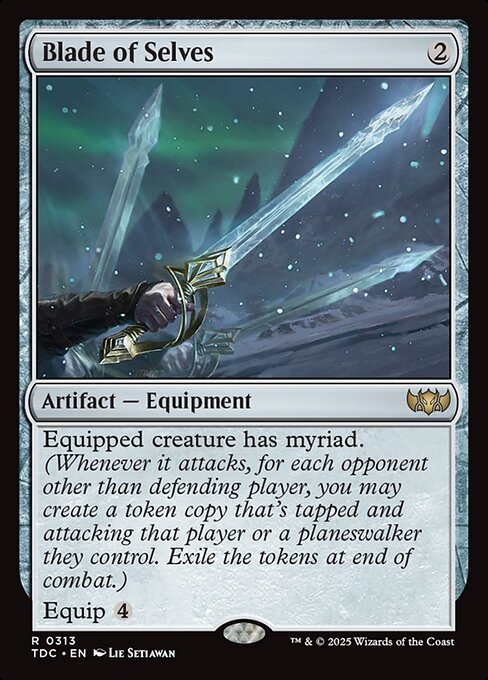
Blade of Selves
-
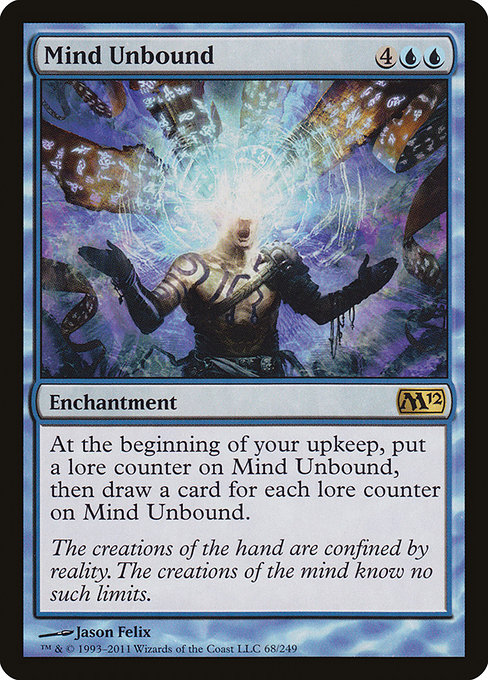
Mind Unbound
-
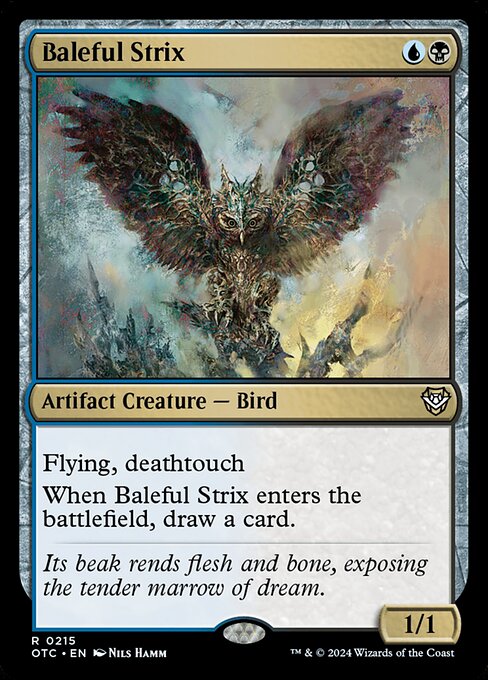
Baleful Strix
Gameplay Summary
The game began with players setting up their boards with ramp, card draw, and early interaction.
Astor, Bearer of Blades was cast early and immediately began assembling an equipment-based synergy, drawing key artifacts like Hammer of Nazahn and Umezawa's Jitte.
Astor's ability to repeatedly look at the top cards and grab equipment helped build a threatening board state.
Combat was leveraged to generate Myriad tokens and trigger multiple Astor triggers, fueling card advantage and board presence.
The player controlling Astor cast powerful equipment like Excalibur, Sword of Eden, which was reduced in cost by the number of historic permanents, further enhancing their board dominance.
Meanwhile, other players advanced their own plans with commanders like Aminatou, Veil Piercer, and Y'shtola, Night's Blessed, deploying value creatures and enchantments to maintain pressure and card flow.
The game featured tactical plays involving bounce effects and life gain to stabilize and manipulate combat exchanges.
A key turning point was the aggressive use of equipment synergies combined with Myriad tokens from Blade of Selves, overwhelming opponents with multiple triggers and combat damage.
The game was poised around the Astor deck's incremental advantage through equipment and token generation, aiming to close out the game by out-valuing opponents and controlling the board with recurring combat damage and powerful equipment buffs.