

Deck & Commander Strategies

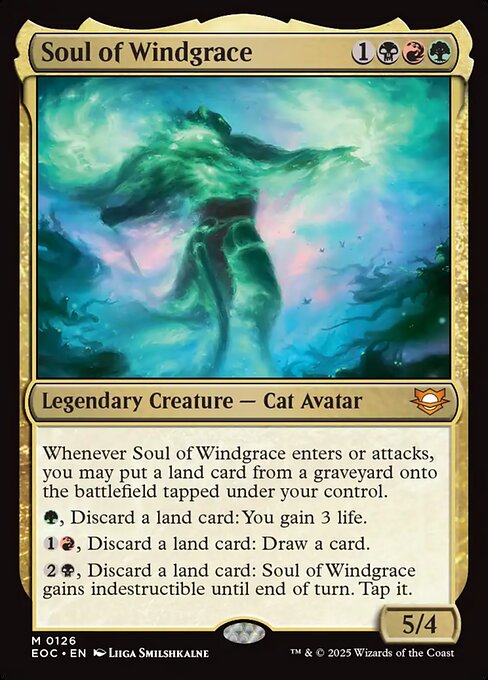
Soul of Windgrace
Leverages graveyard land recursion and ramp with Valakut and World Shaper to generate large mana bases and value, aiming to overwhelm opponents with explosive land plays and spells.

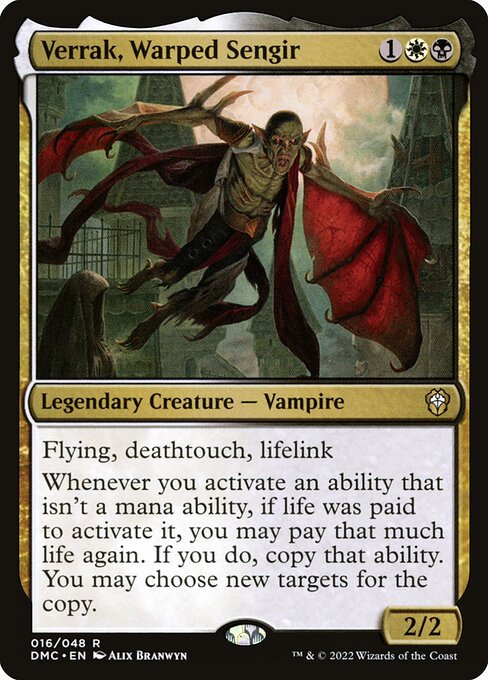
Verrak, Warped Sengir
Uses life gain, fetchlands, and creatures like Sarah Sannen to maintain board presence and pressure opponents, focusing on incremental advantage through land and life synergy.

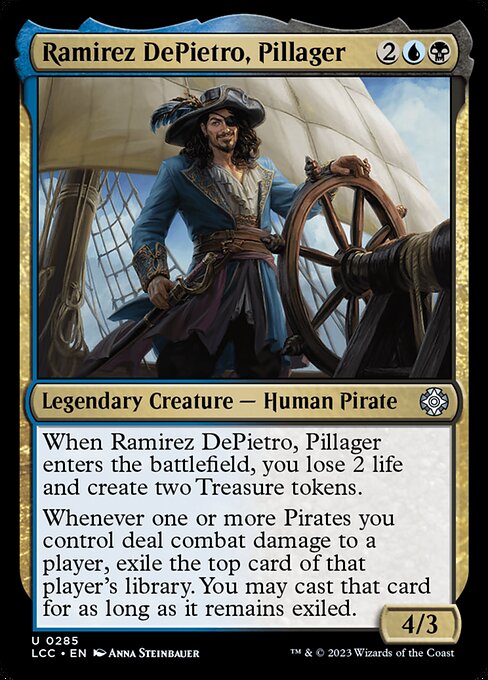
Ramirez DePietro, Pillager
Focuses on deploying evasive pirates and exiling cards from opponents' libraries to cast them later, generating card advantage and tempo while pressuring opponents with aggressive attacks.
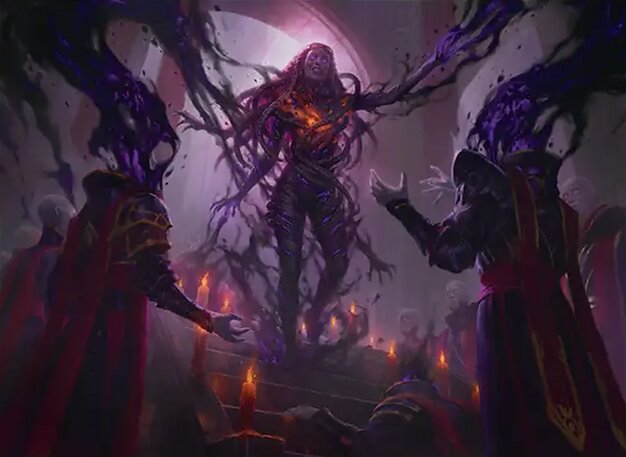
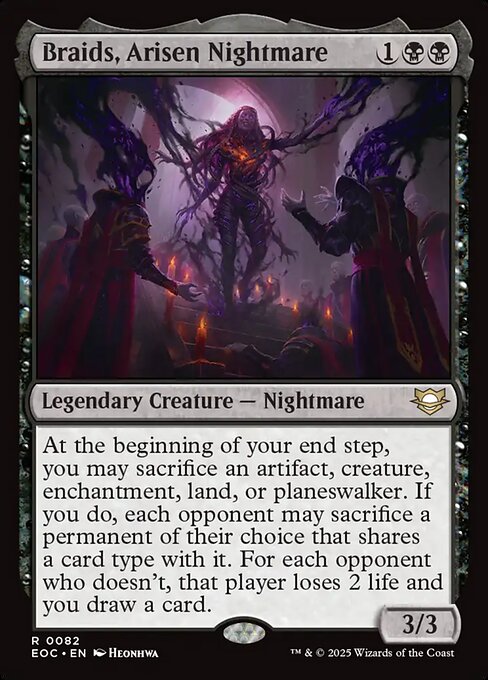
Braids, Arisen Nightmare
Controls the stack and board by forcing sacrifices and discards while drawing cards through sacrifice outlets, aiming to grind out value and eventually win through recurring threats and control elements.
Gameplay Insights
- 1
Ramirez's ability to exile cards from opponents' libraries and cast them later created a unique advantage that pressured opponents to interact quickly or face losing key resources.
- 2
Soul of Windgrace's decision to use crop rotation to fetch Valakut early set up a powerful mana engine, although timing was critical to avoid disruption from opponents' interaction.
- 3
Braids' sacrifice-based control was effective for card draw but vulnerable to early board pressure and needed to carefully time sacrifices to maximize value without falling behind.
- 4
The presence of Dryad Magistrate hindered some of Ramirez's plays, demonstrating the importance of managing hate cards that shut down key strategies.
- 5
Players balanced aggression and resource development, with key moments hinging on whether opponents could resolve critical creatures like Sarah Sannen or maintain control over the board state.
Notable Cards
-
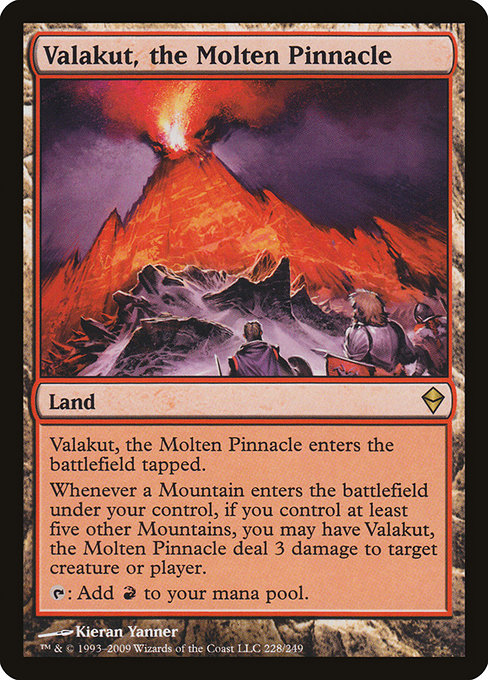
Valakut, the Molten Pinnacle
-
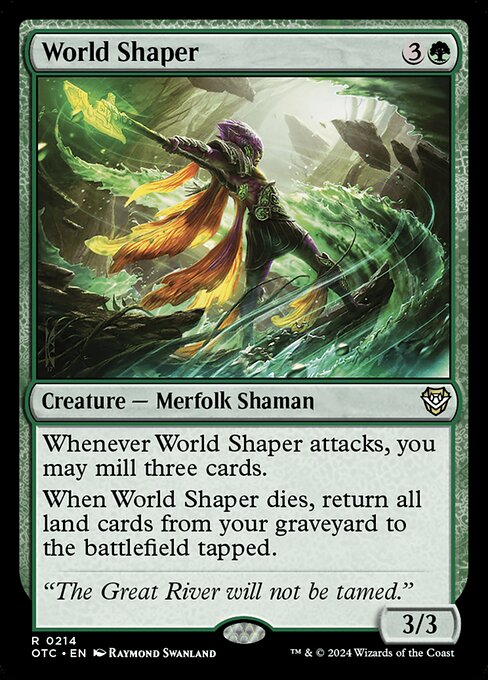
World Shaper
-
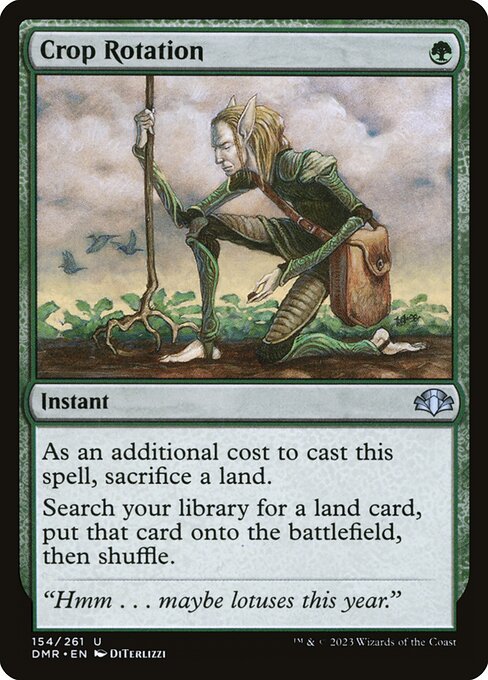
Crop Rotation
-
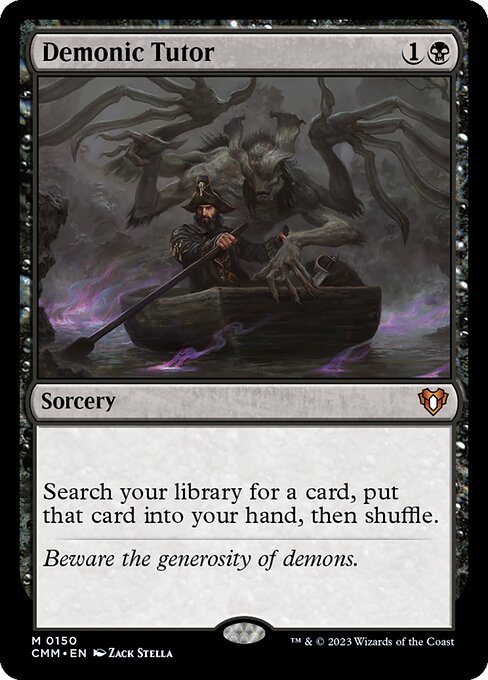
Demonic Tutor
-

Rapid Hybridization
-
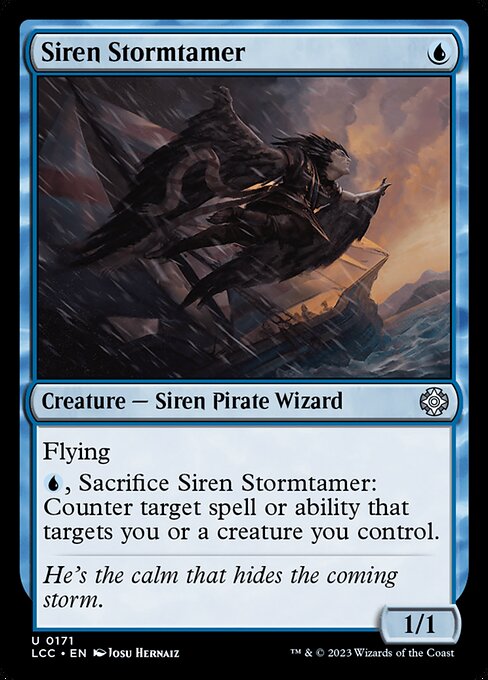
Siren Stormtamer
-
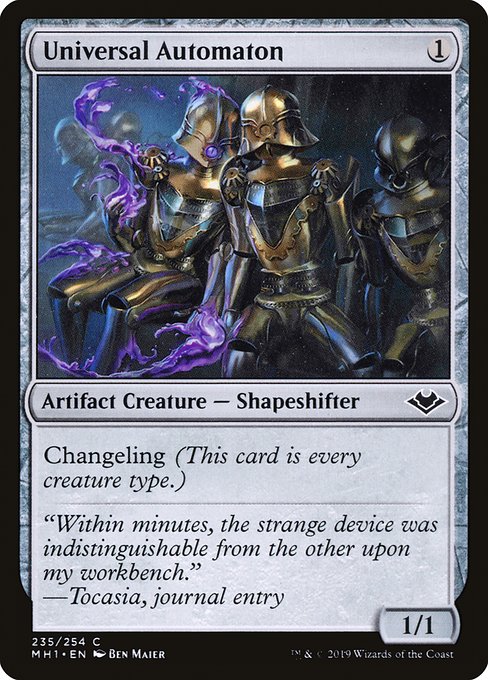
Universal Automaton
-
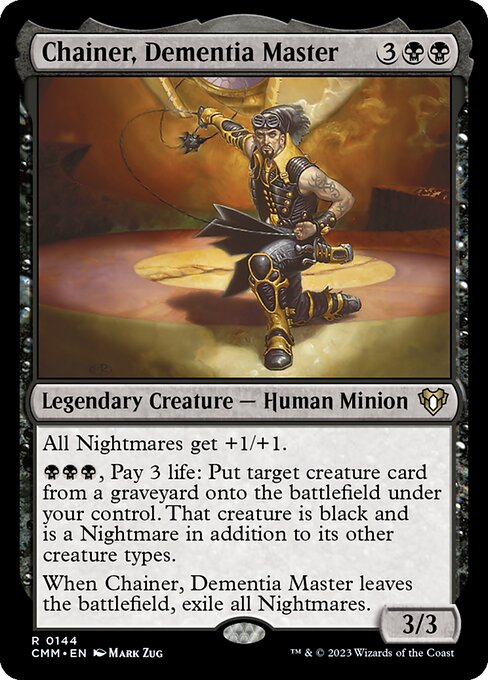
Chainer, Dementia Master
-
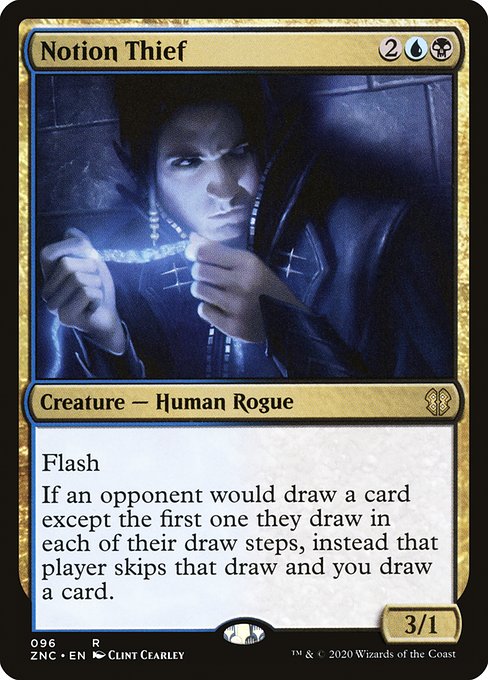
Notion Thief
-

Opal Palace
-
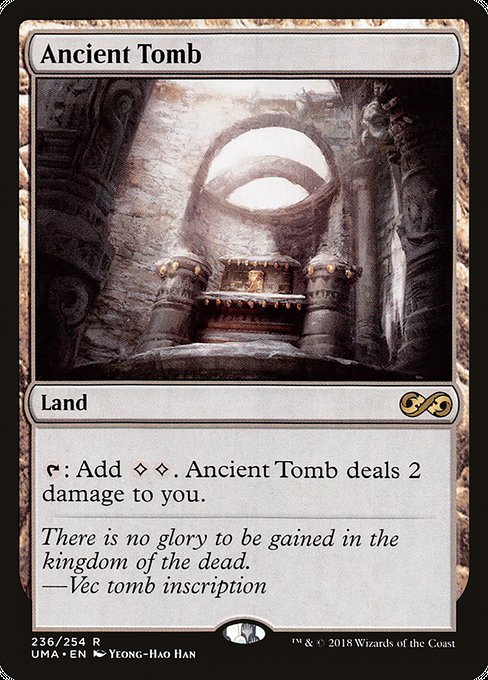
Ancient Tomb
-
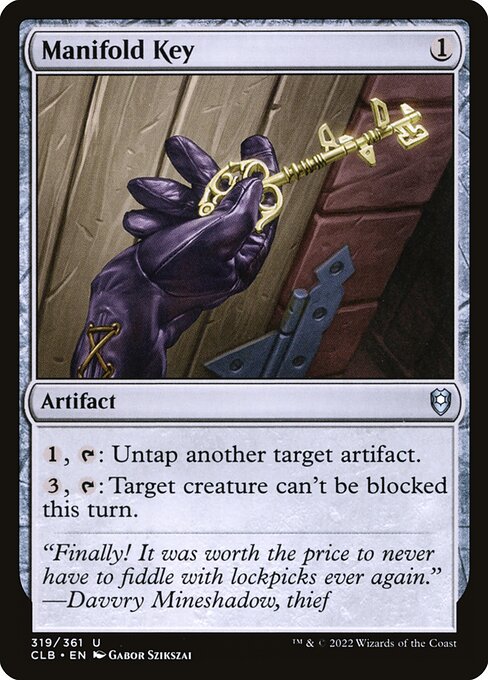
Manifold Key
Gameplay Summary
The game began with each player setting up their board and establishing early threats and resources.
Soul of Windgrace focused on land recursion and ramp through graveyard interactions, aiming to leverage Valakut and World Shaper to generate massive mana and value.
Verrak played a life-fetchland synergy deck using creatures like Sarah Sannen and strategies to maintain board presence and pressure.
Ramirez DePietro utilized evasive pirates and a unique exile-based card advantage engine that allowed casting from exile, generating incremental value while pressuring opponents.
Braids, Arisen Nightmare played a stack-control style deck, forcing opponents to sacrifice creatures and discard cards while drawing heavily with sacrifice outlets, aiming for a slow but controlling win condition involving Profane Onyx and Chainer, Dementia Master. Key turning points included Ramirez successfully landing their commander and beginning to exile and cast cards from opponents' libraries, which set up a strong midgame position.
Soul of Windgrace carefully used crop rotation and demonic tutor to find critical lands and spells but faced pressure from opponents' board states.
Braids leveraged sacrifice effects to maintain card advantage and disrupt others, though was limited by early board wipes and interaction.
Verrak's use of creatures and fetchlands provided consistent pressure but struggled to break through the control elements and combo potential from other players.
The game revolved around managing resources, interaction with opponents' key threats, and timing of high-impact spells like crop rotation and rapid hybridization to control the board.
Ramirez's ability to generate treasures and cast exiled cards created a looming threat that pushed the game toward a potential combo finish, while Soul of Windgrace sought to stabilize and capitalize on land recursion for a late-game win.




![New Dominaria United Commanders [Commander VS 306] | Magic: the Gathering Commander Gameplay thumbnail](https://i.ytimg.com/vi/ojGzEzd3Csc/sddefault.jpg)


![Najal vs Dihada vs Jhoira vs Soul of Windgrace [EDH/Commander, Magic The Gathering Gameplay 2022] thumbnail](https://i.ytimg.com/vi/nhLIo3RfbP8/sddefault.jpg)


