Deck & Commander Strategies

Ingris Stingerquill
A disruptive and aggressive deck that uses harsh words and interaction to control the board and pressure opponents, leveraging the theme of the House of Stingerquill.
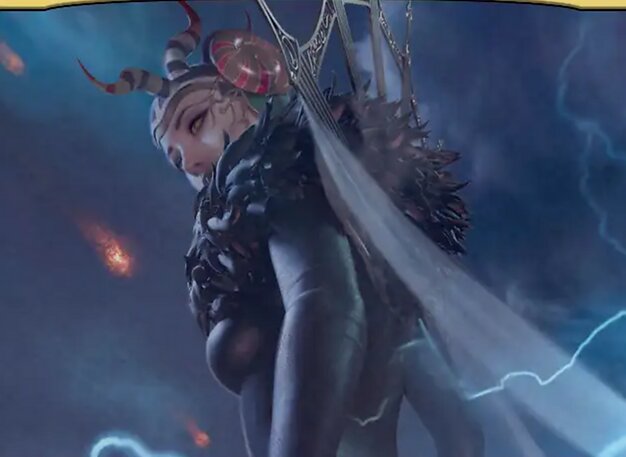
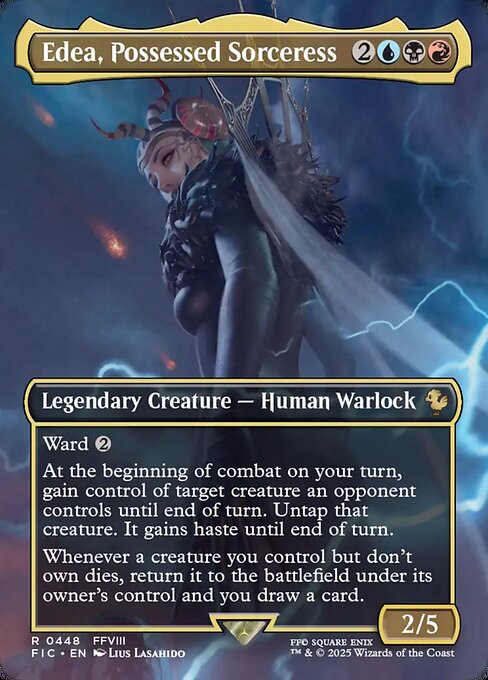
Edea, Possessed Sorceress
Focuses on theft and sacrifice, temporarily borrowing opponents’ creatures and sacrificing them for value, then recurring them from the graveyard to maintain advantage.

Kwia Vigorbloom
Capitalizes on life gain triggers and token generation to create a large, vigilant, lifelink flyer while producing Lotus tokens to ramp and pressure opponents.

The Ur-Sphinx
Uses a milling mechanic that triggers when Sphinxes attack, allowing players to cast milled cards for free, enabling explosive plays and card advantage.
Gameplay Insights
- 1
The Ur-Sphinx’s milling ability creates a unique dynamic where all players can cast milled cards without paying mana, offering both risk and reward depending on the cards revealed.
- 2
Adia’s ability to steal creatures temporarily provides incremental value and disrupts opponents' board states without permanently removing their resources.
- 3
Kwia Vigorbloom’s token generation and life gain create a formidable board presence that can outpace opponents if left unchecked.
- 4
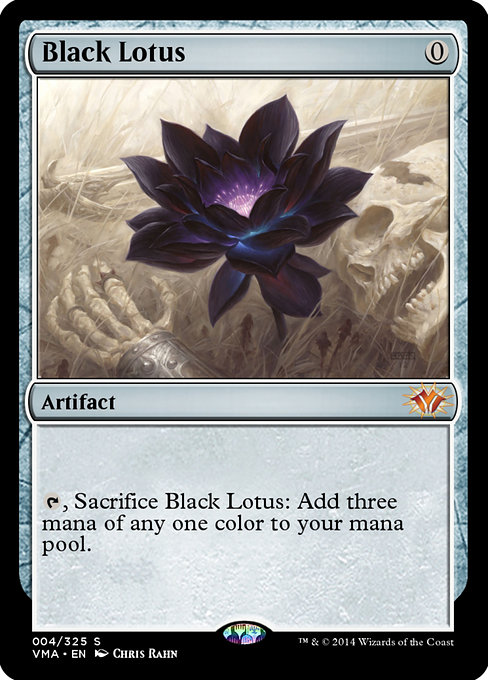
Early mana acceleration using artifacts like Black Lotus and Soul Ring sets the stage for explosive turns and significant tempo swings.
- 5
Players’ choice to start conservatively or aggressively impacts the flow of the game, with the slower start from one player contrasting with the fast mana enabling quick deployment of threats.
Notable Cards
-

The Ur-Sphinx
-

Kwia Vigorbloom
-

Ingris Stingerquill
-
Black Lotus
Gameplay Summary
The game features a four-player Commander match highlighting four different Sphinx-themed decks, with one non-Sphinx commander included.
Early turns see players setting up key pieces through mana acceleration and cycling, with one player notably opting for a conservative tap land on turn two, indicating a slower start.
The Ur-Sphinx deck uses its powerful milling ability to refill hands and cheat out cards from opponents' decks, applying pressure with a large 10/10 flying creature.
Meanwhile, the Qua Vigorbloom deck focuses on life gain and generating powerful Lotus tokens to build a formidable board presence with a 6/6 flyer that synergizes with these tokens.
The Adia, Possessed Sorceress deck revolves around theft and sacrifice, aiming to gain incremental advantage by temporarily stealing and sacrificing creatures, leveraging graveyard recursion.
The Ingris Stingerquill deck employs harsh interaction and potentially aggressive playstyle to disrupt opponents, akin to a chaotic COD lobby experience as described by its pilot. Key turning points include the establishment of mana acceleration enabling explosive plays and the activation of the milling triggers from The Ur-Sphinx, which can shift the tempo by allowing free casting of milled cards.
The game likely revolves around board control and incremental value generation, with the Adia deck stealing valuable creatures and the Vigorbloom deck generating a threatening board state through life gain and token creation.
The match’s tension builds as players jockey for position, with the final outcome hinging on the ability to manage these powerful Sphinx synergies and the graveyard interactions that define the gameplay.