

Deck & Commander Strategies

Trostani, Selesnya's Voice
Generate and populate tokens to build a wide board while gaining life to outlast opponents, using token synergies for incremental advantage.
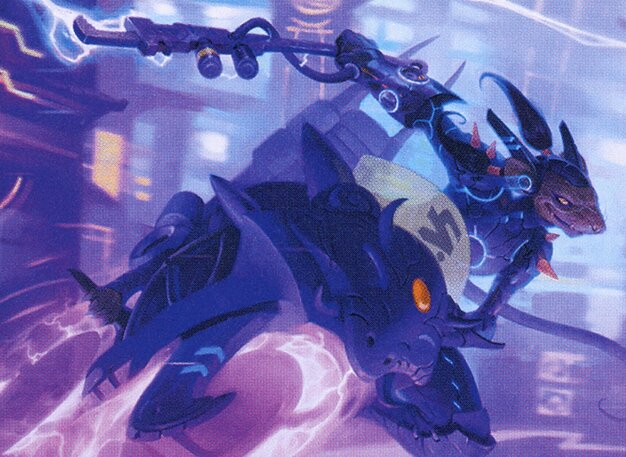
Greasefang, Okiba Boss
Utilize vehicles aggressively by recurring them from the graveyard each combat and attacking with a mix of creatures and vehicles to pressure opponents.
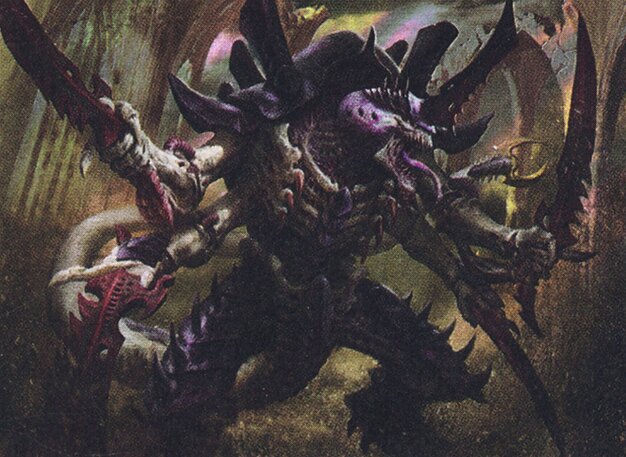
The Swarmlord
Cast multiple creatures with +1/+1 counters, use rapid regeneration and card draw from creature deaths to create overwhelming swarm and board control.
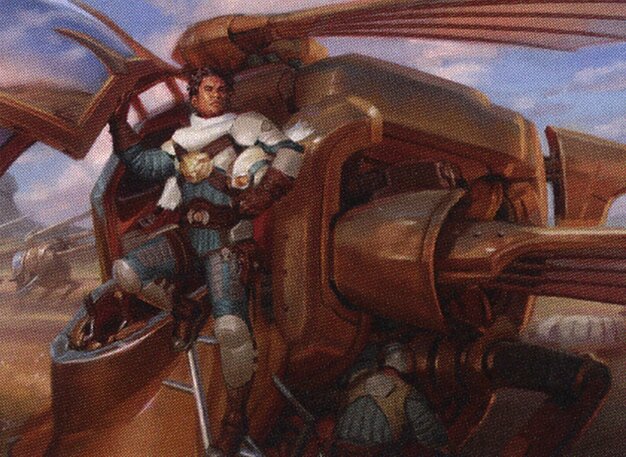
Harbin, Vanguard Aviator
Flood the battlefield with soldiers and leverage Harbin’s anthem effect by attacking with five or more soldiers to create a powerful, flying army.
Gameplay Insights
- 1
Greasefang’s ability to recur vehicles from the graveyard each combat allowed constant aggression and board presence maintenance.
- 2
Trostani’s populate ability paired with life gain kept her board resilient against aggressive attacks, ensuring sustained pressure.
- 3
The Swarmlord capitalized on +1/+1 counters and card draw from creatures dying, enabling explosive growth and resource advantage.
- 4
Harbin’s anthem effect incentivized wide attacks with soldiers, forcing opponents to deal with flying threats or take significant damage.
- 5
Players had to carefully balance attacking priorities due to effects like Gene Stealer Locus, which punished attacks against its controller while buffing attacks against others.
- 6
Board wipes and creature recursion played critical roles in shifting momentum throughout the game.
Notable Cards
-
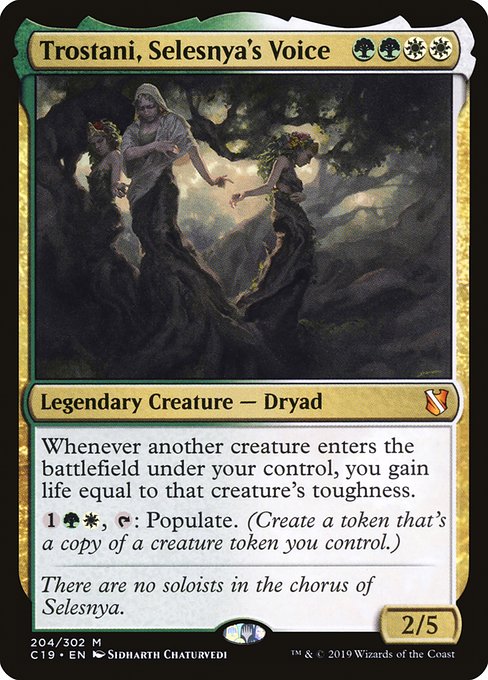
Trostani, Selesnya's Voice
-
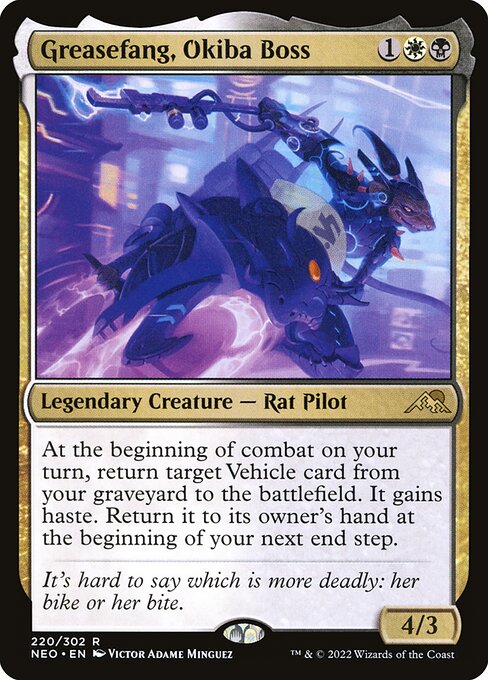
Greasefang, Okiba Boss
-
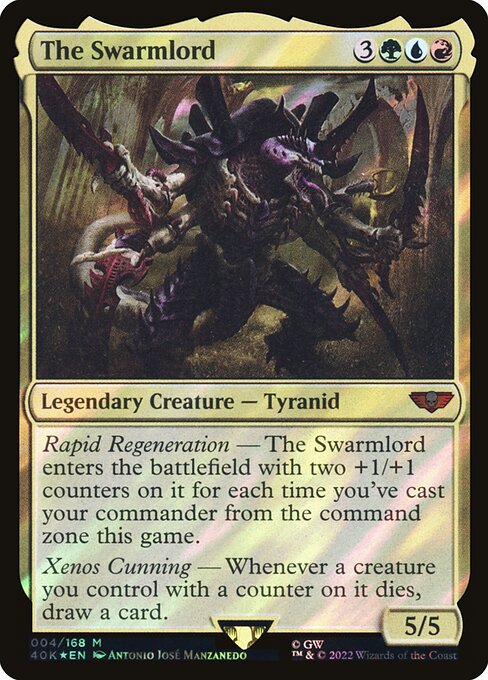
The Swarmlord
-
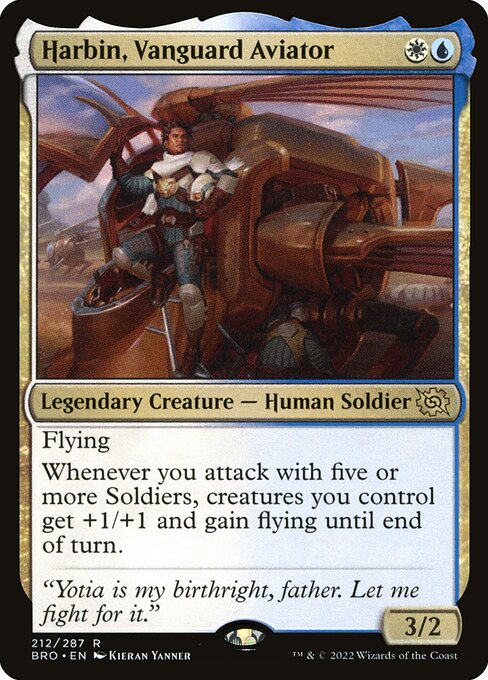
Harbin, Vanguard Aviator
-
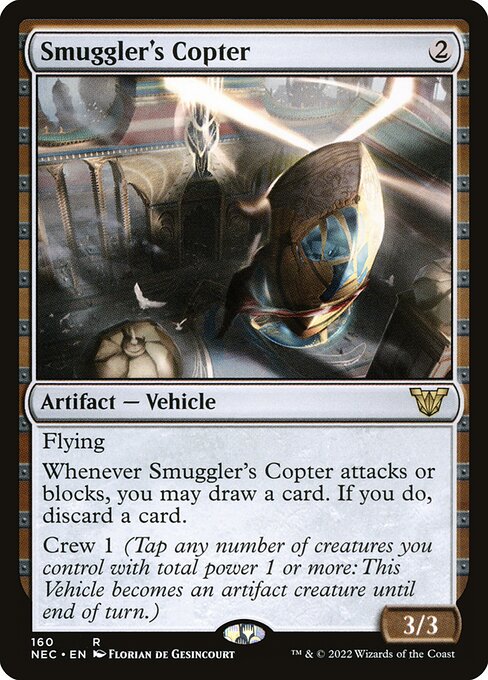
Smuggler's Copter
-

Hornet Nest
-
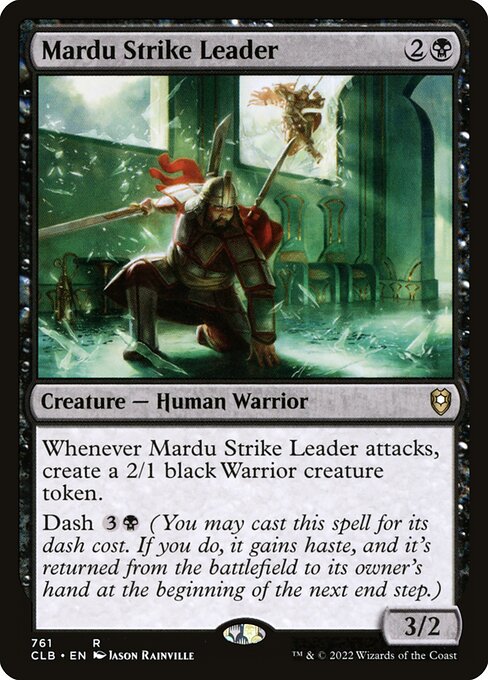
Mardu Strike Leader
Gameplay Summary
The game began with each player establishing their board presence according to their deck strategies.
Trostani, Selesnya's Voice focused on generating tokens and gaining life through populating and token synergies, creating a steadily growing army.
Greasefang, Okiba Boss aimed to leverage vehicles, recurring them from the graveyard to maintain board pressure and aggressive attacks.
The Swarmlord ramped up with multiple creatures, utilizing +1/+1 counters and card draw from creatures dying to fuel continuous swarm growth and board control.
Harbin, Vanguard Aviator took an aggressive soldiers-based approach, aiming to flood the board with soldiers and buff them with his anthem ability upon attacking with five or more soldiers, pushing for a wide and flying army. Early turns saw token creation, vehicle setup, and incremental damage exchanges.
Key plays included Greasefang recycling vehicles and applying pressure, while Trostani built a formidable token army combined with life gain to sustain through aggression.
The Swarmlord's strategy centered on casting multiple creatures with counters to overwhelm opponents, drawing cards off creature deaths.
Harbin's soldier synergy created a flying threat that demanded attention and defense.
The turning point came as The Swarmlord's escalating board presence and card advantage began to dominate, while other players scrambled to keep pace or disrupt.
The game showcased a mix of aggressive swarm tactics, vehicle recursion, and token synergy, leading to a dynamic multiplayer battle where board state manipulation and timing of attacks were crucial for survival and victory.


![Favorite Commanders Of 2022 [Commander VS 323] | Magic: the Gathering Commander Gameplay thumbnail](https://i.ytimg.com/vi/kL93XxXdn28/sddefault.jpg)


![The Brothers' War Commanders [Commander VS 317] | Magic: the Gathering Commander Gameplay thumbnail](https://i.ytimg.com/vi/qLFj7wbrKBw/sddefault.jpg)


![Commander Vs S2E8: Savra vs Mayael vs Reaper King vs Trostani [MtG: Multiplayer] thumbnail](https://i.ytimg.com/vi/PmxKvs6zQYE/sddefault.jpg)


![Warhammer 40,000 Upgraded [Commander VS 313] | Magic: the Gathering Commander Gameplay thumbnail](https://i.ytimg.com/vi/C5lxkOuAUw0/sddefault.jpg)
![Warhammer 40k Commander decks [Commander VS 309] | Magic: the Gathering Commander Gameplay thumbnail](https://i.ytimg.com/vi/HZ99iaWk-Tk/sddefault.jpg)


