Deck & Commander Strategies

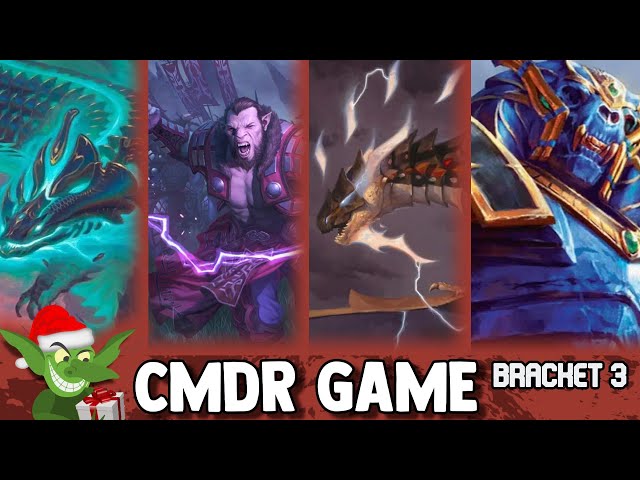
Teval, the Balanced Scale
Utilizes landfall and sacrifice synergies to generate tokens and value, controlling the board while leveraging graveyard recursion for sustained pressure.

Aloy, Savior of Meridian
Focuses on artifact synergy and equipment to boost creatures, generating card advantage through discovery triggers and aggressive combat.

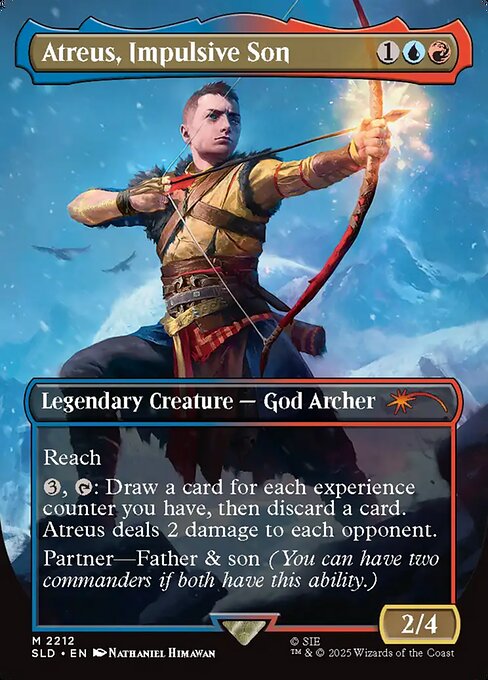
Atreus, Impulsive Son
Aggressive red-based strategy that utilizes swift creatures and combat triggers to apply pressure and maximize damage output.

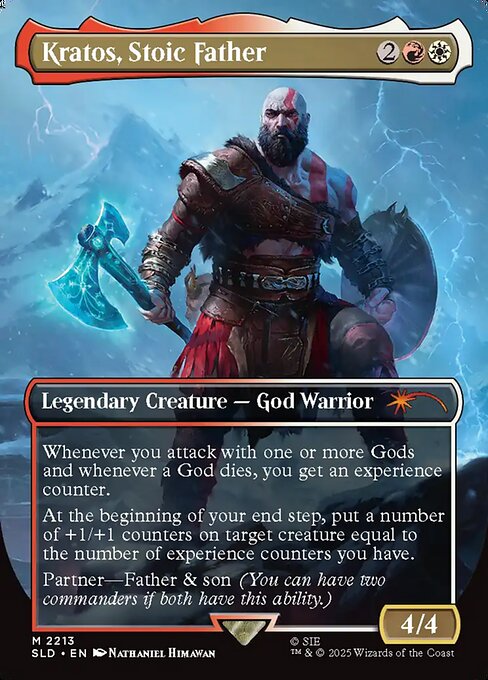
Kratos, Stoic Father
Supports a build around combat enhancements and counters, synergizing with creatures like the Locust God to maintain board dominance.
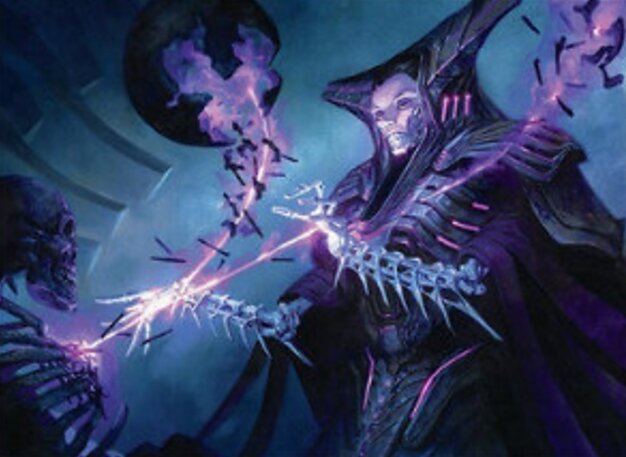
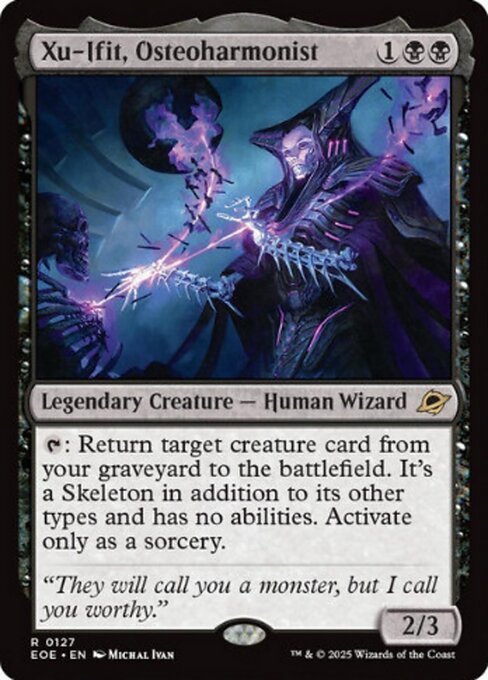
Xu-Ifit, Osteoharmonist
A graveyard-focused deck that animates and recurs creature cards, leveraging sacrifice and reanimation to control the board and generate value.
Gameplay Insights
- 1
Reanimation plays with Zu-Ifit and Animate Dead were critical for maintaining board presence after removal spells disrupted key creatures.
- 2
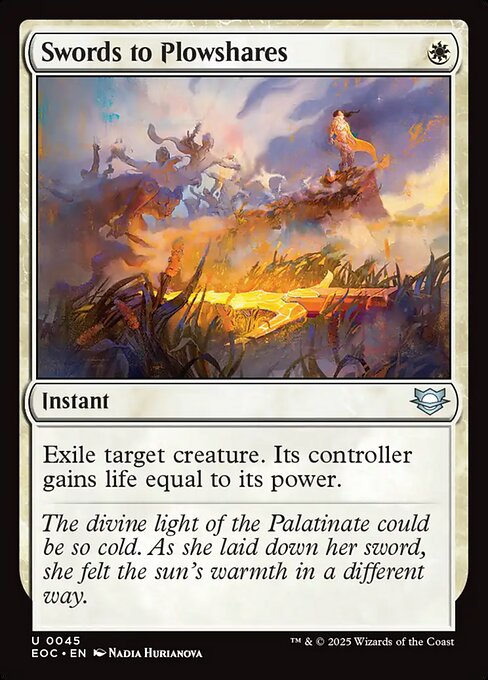
Max's use of Swords to Plowshares on Tavval was a tactical removal that triggered an immediate reanimation response, showcasing the resilience of graveyard synergies.
- 3
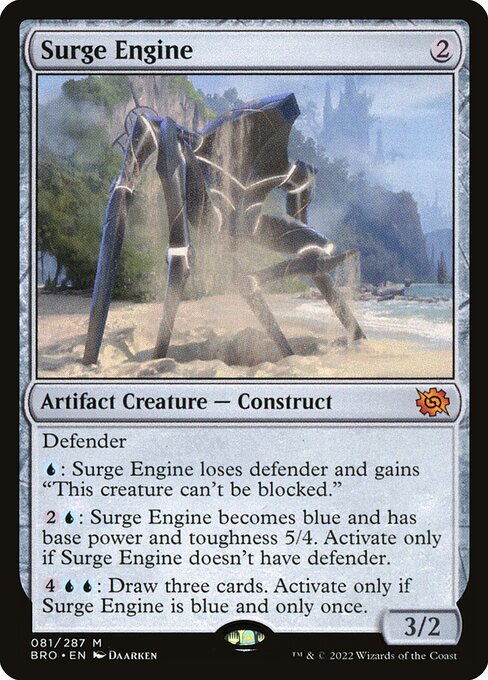
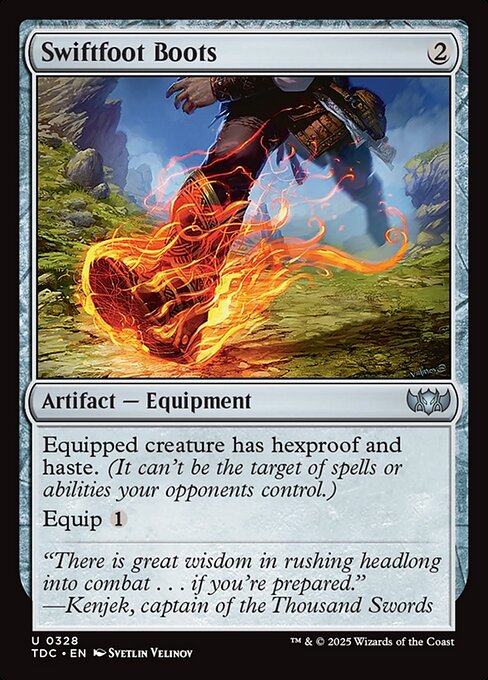
Kuzno effectively used artifact synergy with Surge Engine and equipment like Swiftfoot Boots and Lightning Greaves to create unblockable threats and trigger powerful effects.
- 4
Matt's landfall and sacrifice interactions with cards like Öza Saga and the Aftermath Analyst allowed for continuous value generation and token creation, enabling efficient blocking and chump defense.
- 5
Ugin, the Spirit Dragon was used as a board wipe to reset the game state, but the players quickly rebuilt their boards through graveyard recursion and token generation.
- 6
Combat decisions often involved chump blocking with tokens to preserve key creatures and trigger beneficial effects, reflecting careful resource management amid aggressive board states.
Notable Cards
-
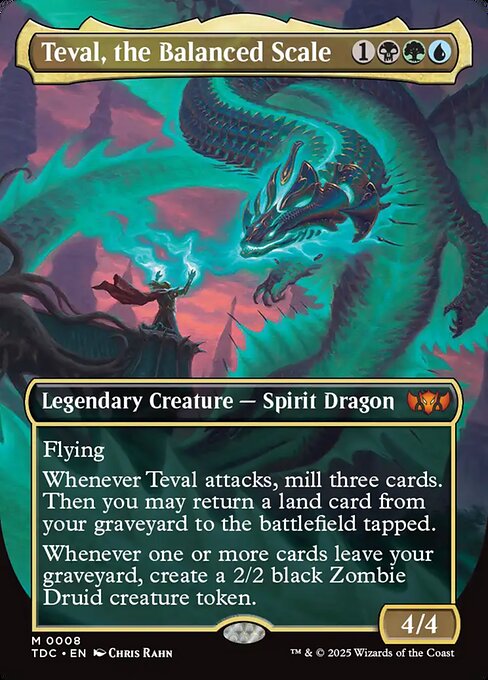
Teval, the Balanced Scale
-
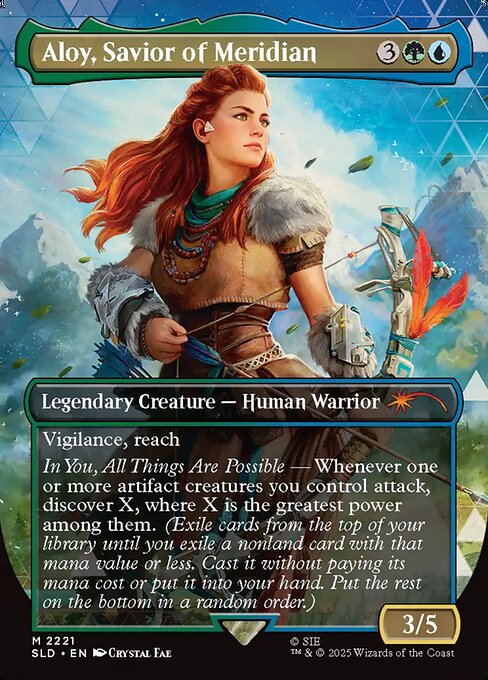
Aloy, Savior of Meridian
-
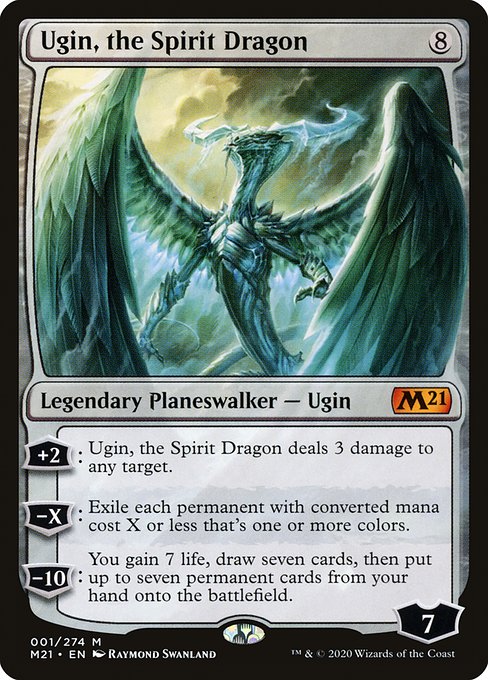
Ugin, the Spirit Dragon
-
Surge Engine
-
Swiftfoot Boots
-
Swords to Plowshares
-
Desolation Twin
-
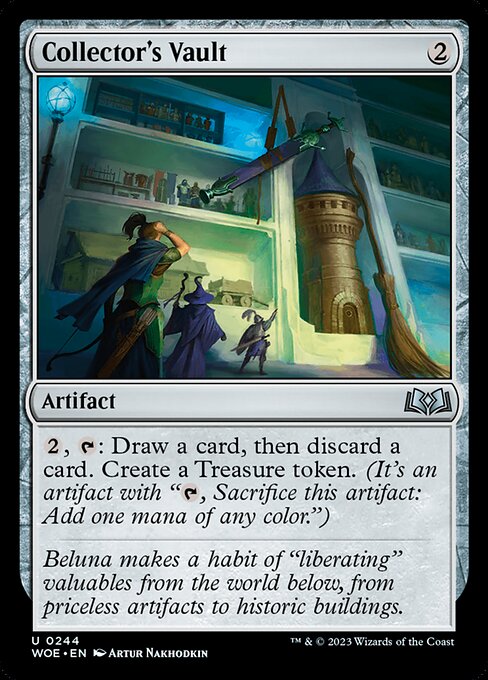
Collector's Vault
Gameplay Summary
The game featured a dynamic multiplayer Commander match with five players piloting diverse decks.
Early turns involved ramping and setting up board presence, with key plays including the casting of Teval, the Balanced Scale, and Aloy, Savior of Meridian, who both contributed to board development and resource advantage.
Players engaged in tactical combat, utilizing reanimation and sacrifice synergies, notably from the black-based decks leveraging graveyard recursion to maintain pressure.
A pivotal moment occurred when Kuzno cast Aloy and equipped her with Swiftfoot Boots, enhancing her threat level, only for Max to respond with a Swords to Plowshares removal, triggering a reanimation chain that kept the board state fluid and contested.
Later, Kuzno leveraged surge engine and other artifact synergies to generate significant board presence, culminating in casting Ugin, the Spirit Dragon to clear much of the board, temporarily swinging momentum.
Matt utilized graveyard interactions and landfall triggers to build a resilient token army, while Arj capitalized on Cabal Coffers and reanimation with Zu-Ifit to animate and recur threats.
Combat exchanges were marked by aggressive swings and strategic blockers, with players adapting to shifting board states and maximizing triggers from their commanders and key creatures.
The game demonstrated a balance between aggressive creature combat and resource management, with reanimation and artifact interactions playing central roles in board control and incremental advantage.