


Deck & Commander Strategies

Crystal, Inhuman Princess
A burn-focused deck that uses multi-colored spells to trigger Crystal's damage ability, aiming to whittle down opponents quickly through repeated direct damage.

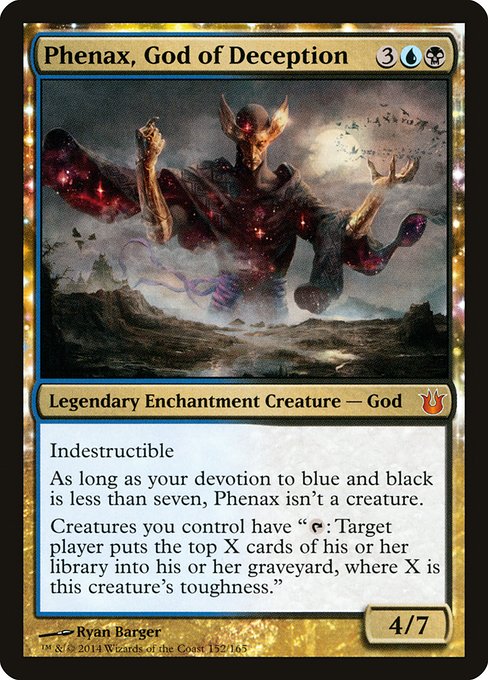
Phenax, God of Deception
A mill strategy centered around depleting opponents' libraries using Phenax's ability and other mill synergies to win by decking out opponents.
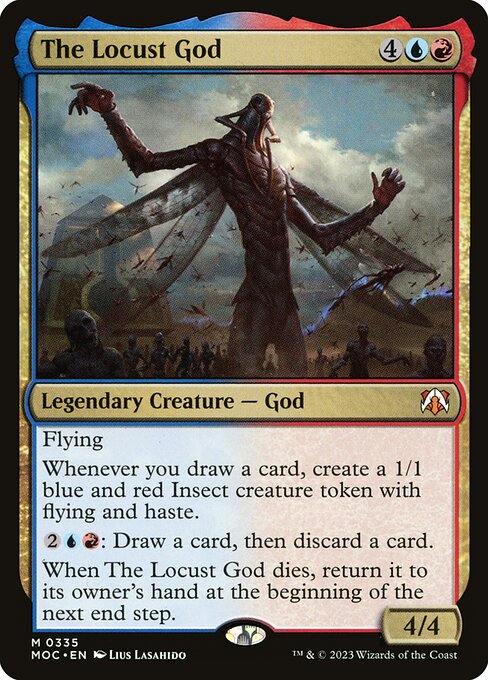
The Locust God
A looting and card filtering deck that generates value through drawing and discarding cards, creating token swarms and accumulating incremental advantage.
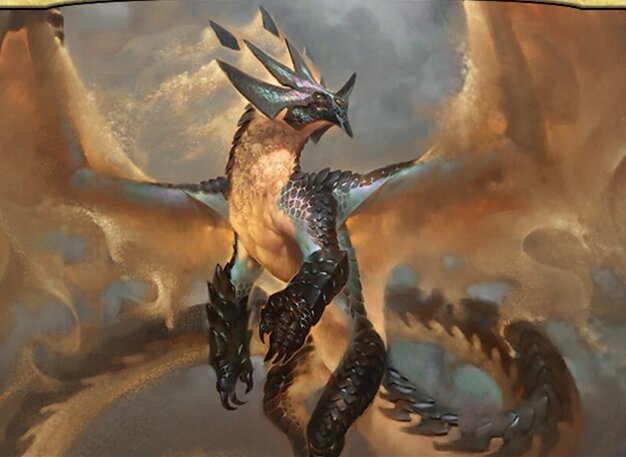
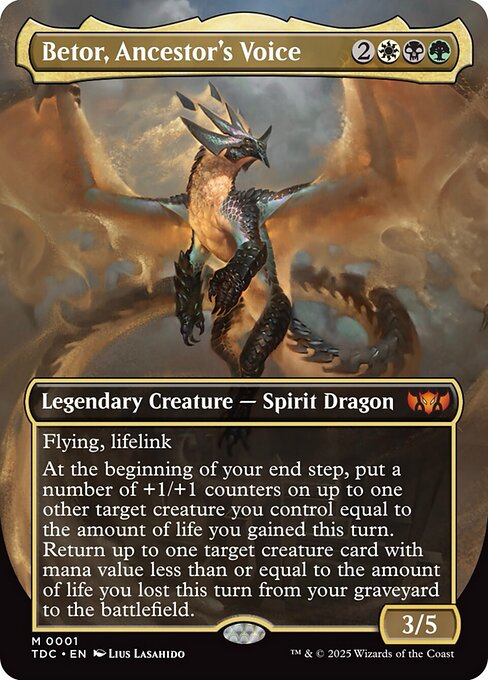
Betor, Ancestor's Voice
A lifegain deck that builds board presence by gaining life, putting counters on creatures, and leveraging lifelink to outlast opponents and stabilize the game.
Gameplay Insights
- 1
Using Mob Verdict's secret voting mechanic created a dynamic political interaction that resulted in targeted damage distribution affecting both players and their creatures.
- 2
Crystal's ability to deal damage based on the color count of non-creature spells enabled the burn player to consistently chip away at opponents while maintaining board presence.
- 3
The looting deck leveraged cards like Collector's Vault to generate treasures and filter draws, maintaining resource advantage throughout the game.
- 4
The lifegain player focused on assembling a party and utilizing creatures that distribute life gain counters, although this strategy faced difficulty against the aggressive burn and mill tactics.
- 5
Players carefully timed their plays to avoid giving the mill deck easy targets, such as holding back fetch lands or key creatures to prevent efficient milling or removal.
Notable Cards
-

Crystal, Inhuman Princess
-
Phenax, God of Deception
-
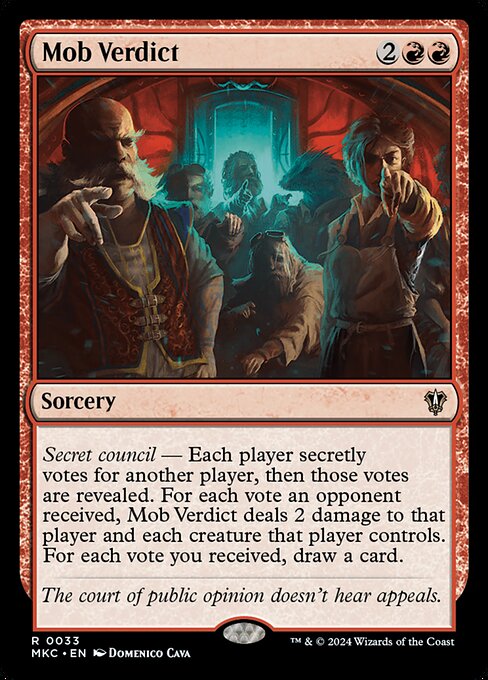
Mob Verdict
-
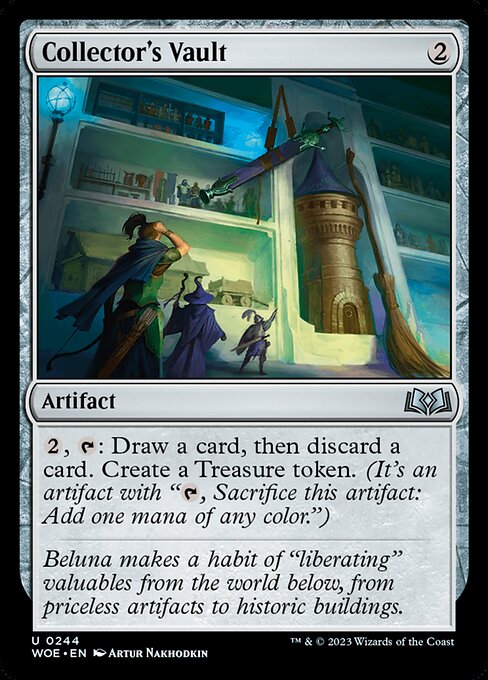
Collector's Vault
-
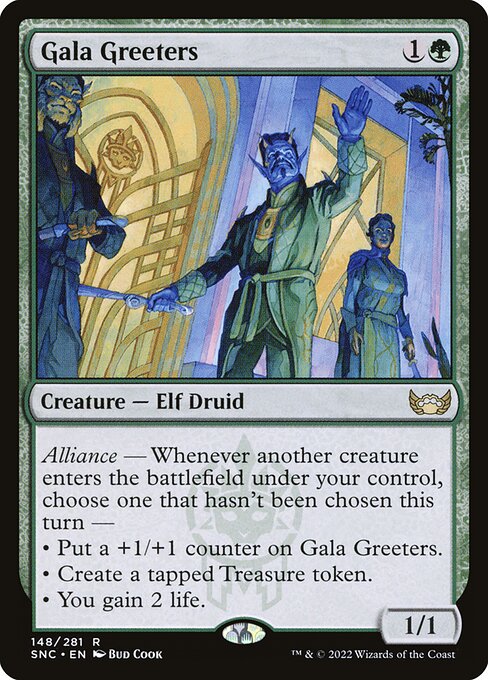
Gala Greeters
-
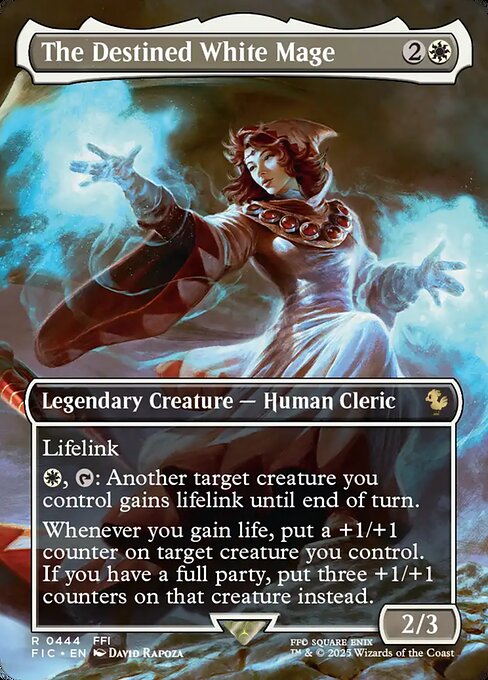
The Destined White Mage
Gameplay Summary
The game featured four players each piloting a mono-strategy Commander deck focused on burn, mill, lifegain, or looting.
Early turns saw players setting up their thematic engines: the burn player deployed Crystal, Inhuman Princess to capitalize on multi-colored spells for damage; the mill player, led by Phenax, God of Deception, started applying pressure by milling opponents' libraries; the lifegain deck utilized creatures and spells to amass life and grow board presence; and the looting deck revolved around cards that allowed drawing and discarding to filter and generate value.
A key early moment involved the burn player casting spells that dealt damage to all opponents, leveraging Crystal's ability to deal damage based on spell colors.
The mill deck attempted to disrupt resources, but was countered by the constant pressure and life gain from the other players.
A notable political moment occurred when a multiplayer damage vote triggered by Mob Verdict forced players to carefully choose targets, influencing the board state dynamically.
Throughout the game, players balanced advancing their game plans with managing threats, leading to tense board states and shifting alliances.
Ultimately, the looting and burn strategies combined card advantage and direct damage to overwhelm opponents, while the lifegain deck struggled to stabilize against the persistent damage and disruption.








![Commander VS S16E7: The Locust God VS Horde of Notions VS Tatyova VS Balan [EDH] thumbnail](https://i.ytimg.com/vi/yqrnU70Qx6I/sddefault.jpg)


