Deck & Commander Strategies
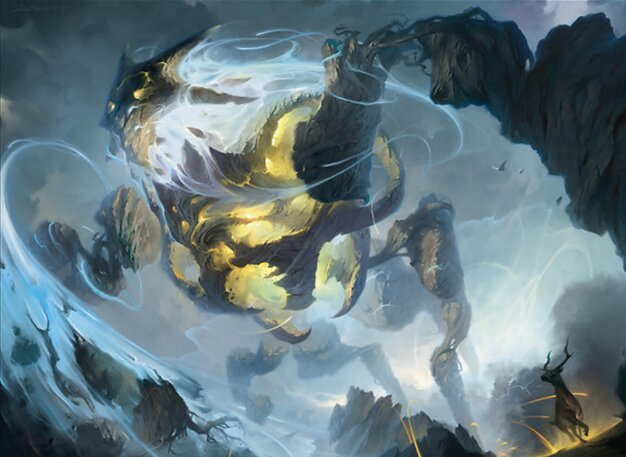
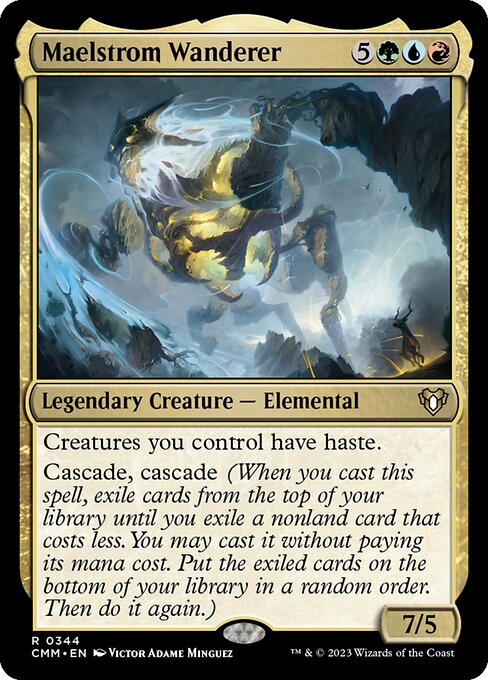
Maelstrom Wanderer
Leverage cascade triggers from Maelstrom Wanderer and other spells to flood the board with powerful creatures quickly, aiming for overwhelming tempo and board dominance.
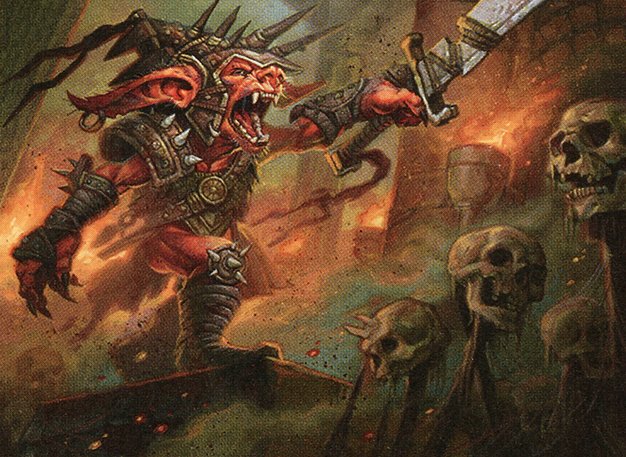
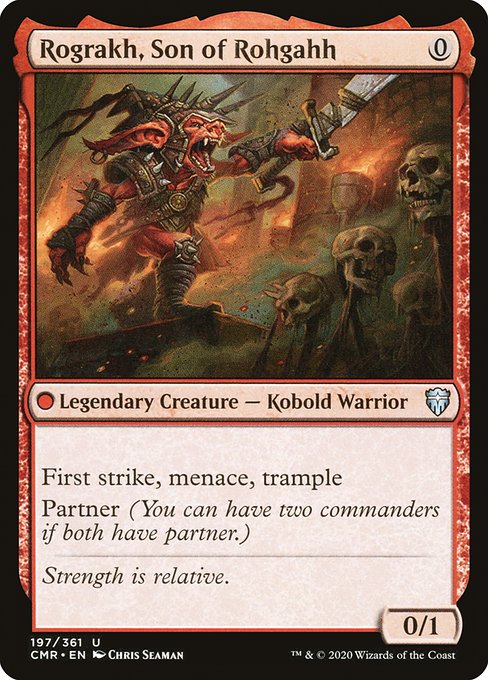
Rograkh, Son of Rohgahh
Aggressively cast multiple spells in a turn to generate value and control the board with cascading and repeated spellcasting synergies.
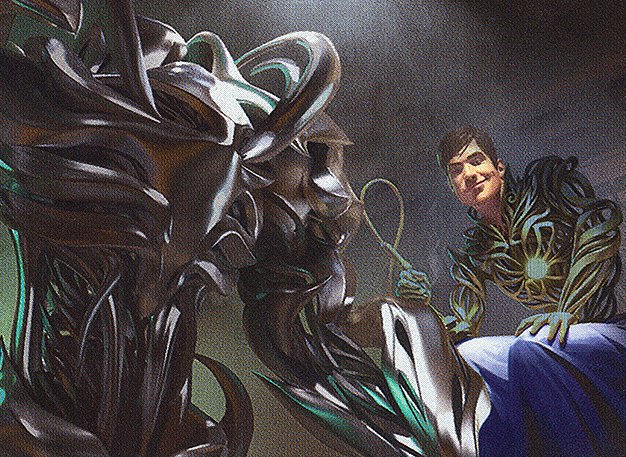
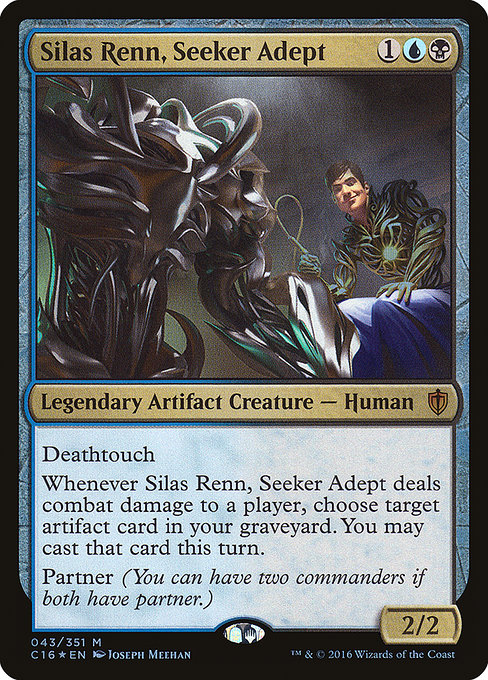
Silas Renn, Seeker Adept
Reuse artifacts and generate incremental value through repeated casting and recursion of key pieces, supporting combo and control elements.
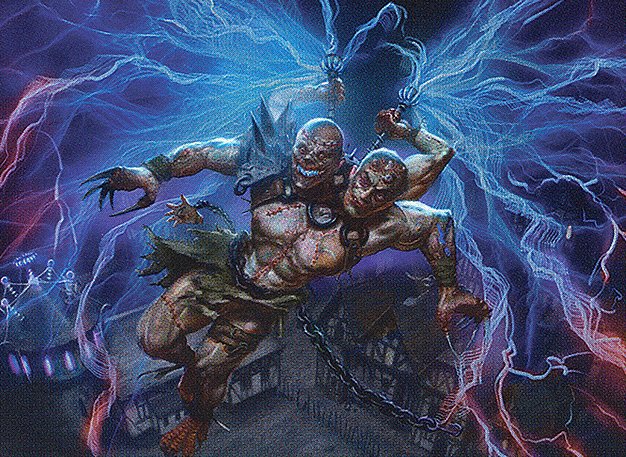
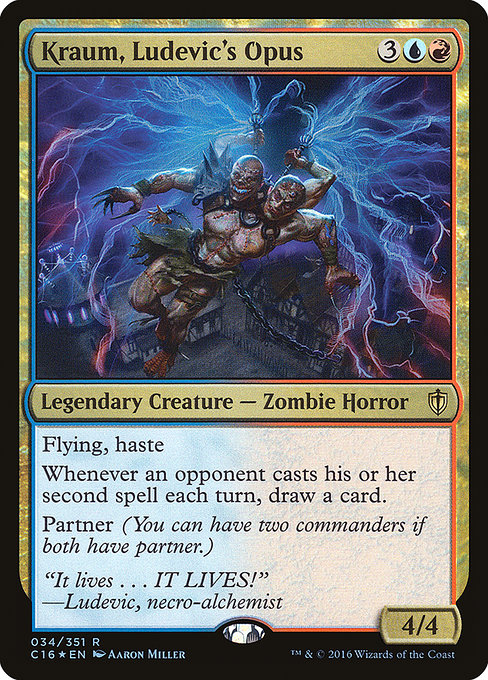
Kraum, Ludevic's Opus
Provide card draw and aggressive tempo through combat damage triggers and spellcasting, enabling fast-paced, reactive gameplay.

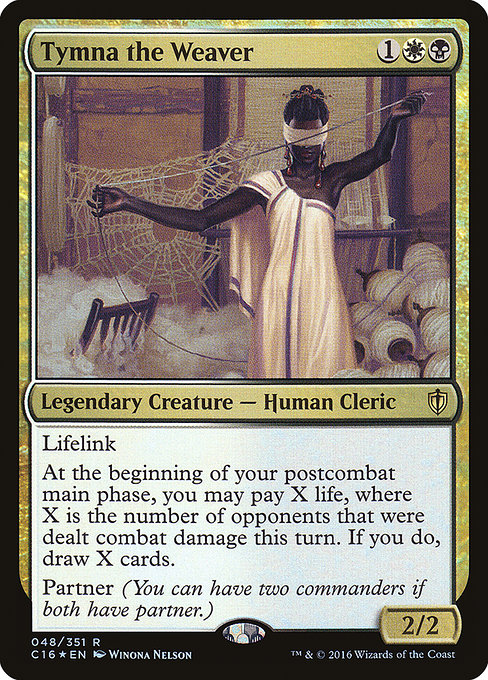
Tymna the Weaver
Draw cards through combat damage and build board presence via incremental advantage, supporting midrange and combo strategies.
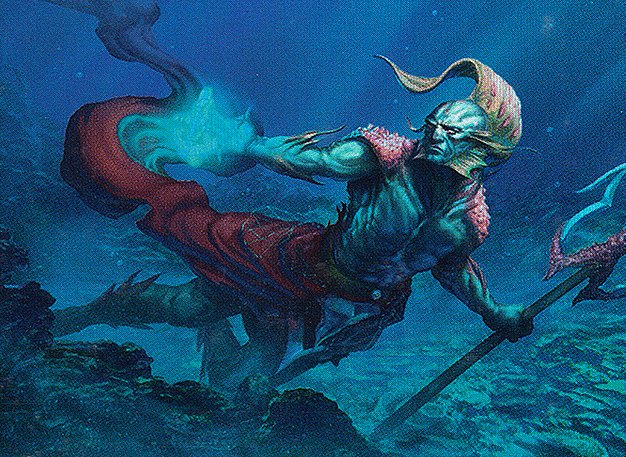
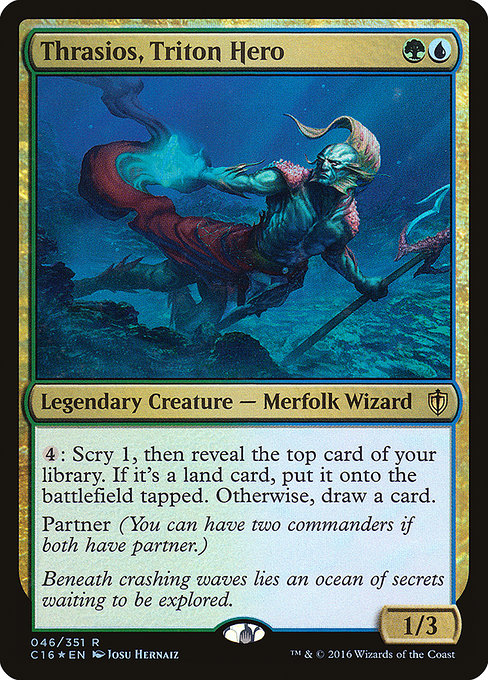
Thrasios, Triton Hero
Efficient mana fixing, card selection, and incremental advantage through scry and draw, enabling combo or control gameplans.
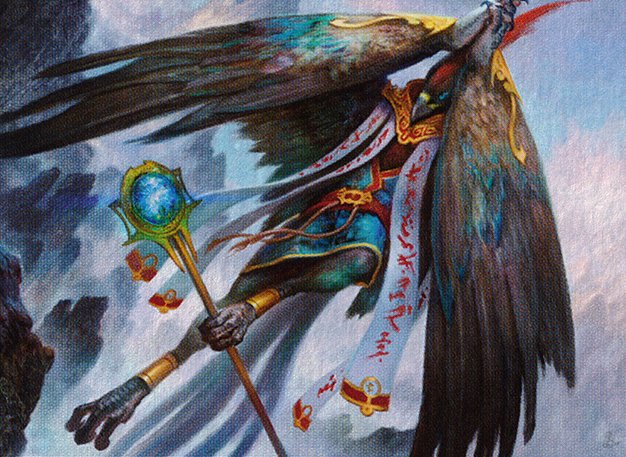
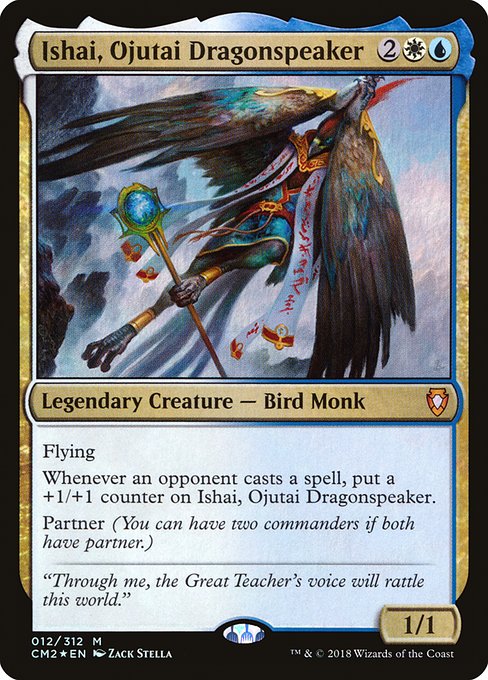
Ishai, Ojutai Dragonspeaker
Grow rapidly based on the number of spells cast by all players, becoming a major threat in combat and synergizing with spell-heavy strategies.
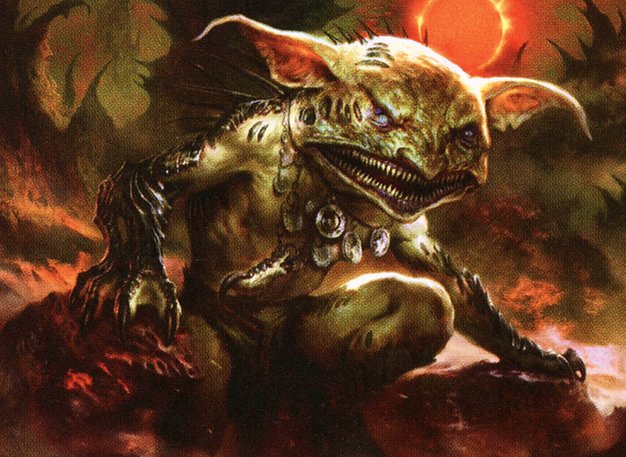
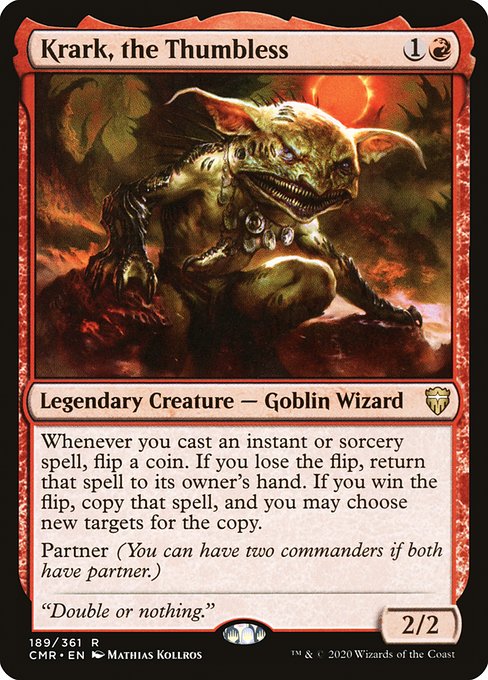
Krark, the Thumbless
Leverage spell copying and random effects to generate explosive value and chaotic advantage, often enabling lethal combos and high damage output.
Gameplay Insights
- 1
Repeatedly recasting Maelstrom Wanderer to trigger cascades multiple times in a single turn created overwhelming board states and was a key win condition.
- 2
Using mana rocks and land-based mana acceleration early allowed for explosive early plays that pressured all opponents simultaneously.
- 3
The interaction between cascade triggers and recursion effects like Wholebreaker Horror enabled near-infinite loops of casting and board presence generation.
- 4
Players carefully managed the timing of spells like Genesis Ultimatum to maximize impact and avoid disruption.
- 5
Despite the chaotic nature of the game, precise mana calculations and priority management were critical to pull off complex combos on turn two.
- 6
The use of card draw engines and resource accumulation in Blue Farm decks provided necessary defense and extended gameplay in the face of aggressive combos.
- 7
Strategic decisions about when to use disruption like red blasts or removal were pivotal, as mistimed plays could lead to losing the game immediately.
Notable Cards
-
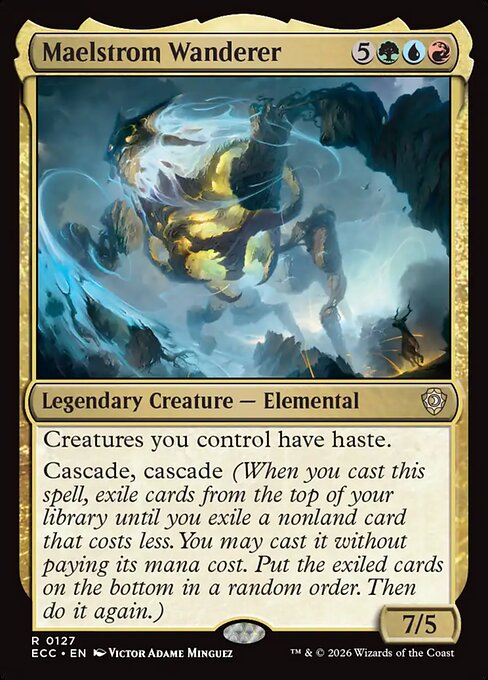
Maelstrom Wanderer
-
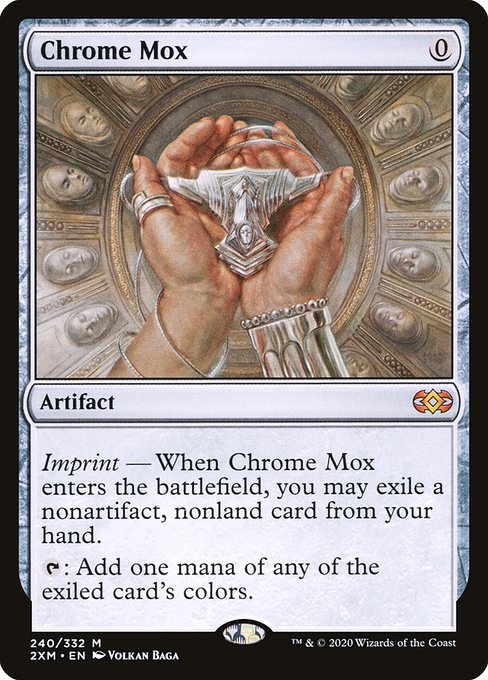
Chrome Mox
-
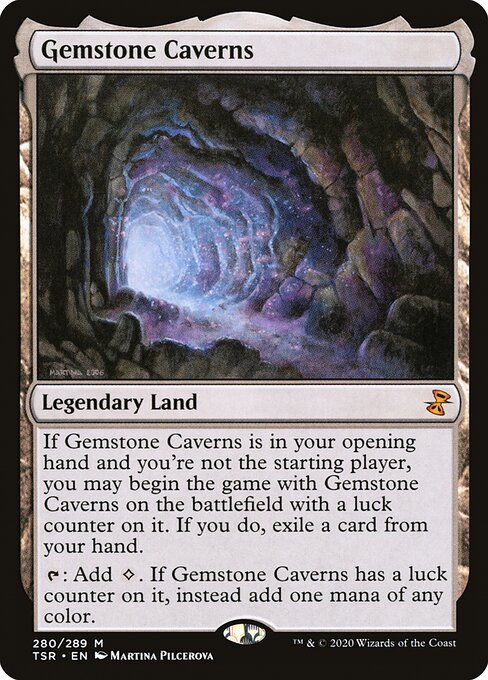
Gemstone Caverns
-
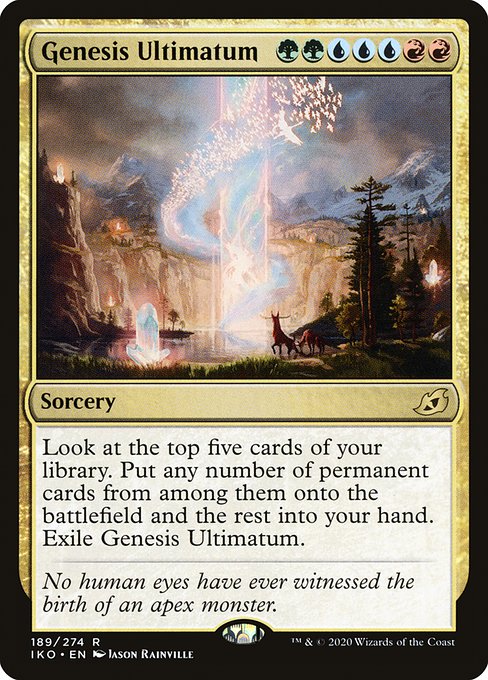
Genesis Ultimatum
-
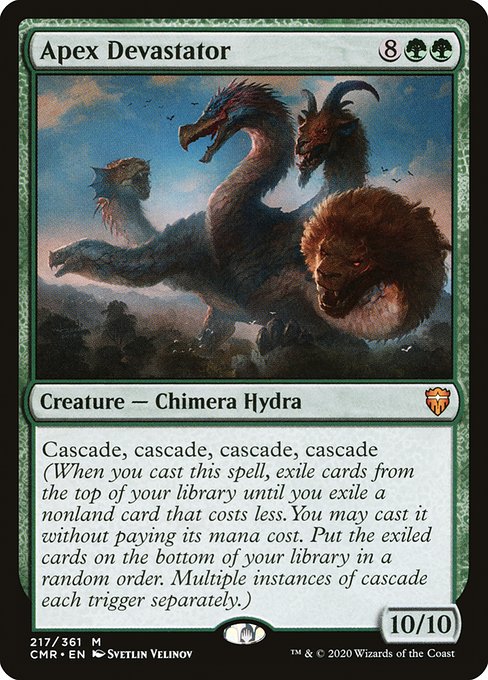
Apex Devastator
-
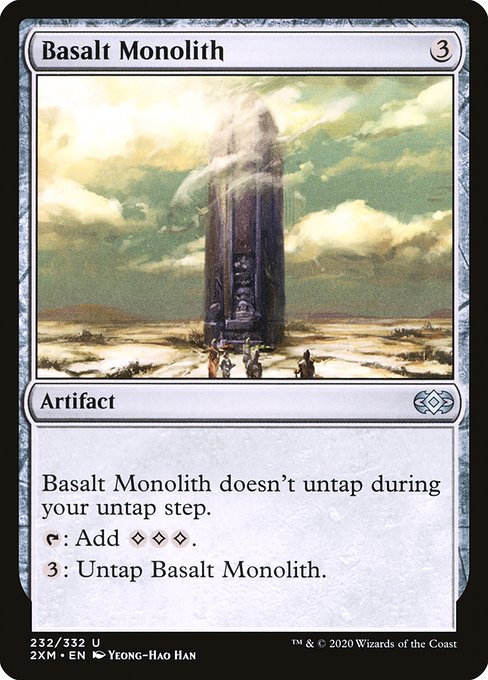
Basalt Monolith
-
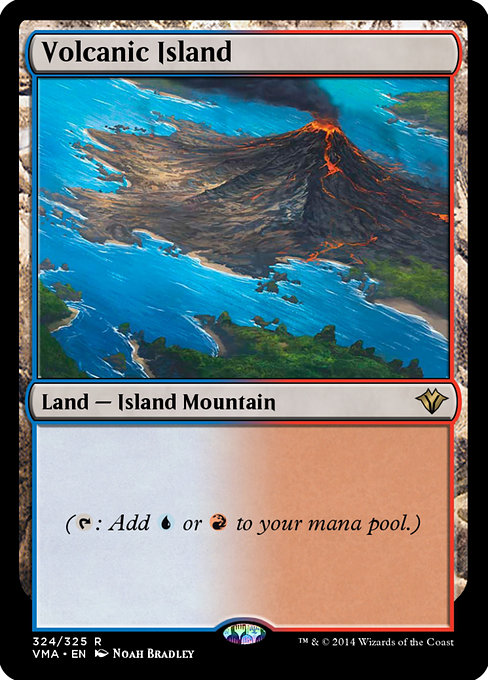
Volcanic Island
-

Command Tower
-
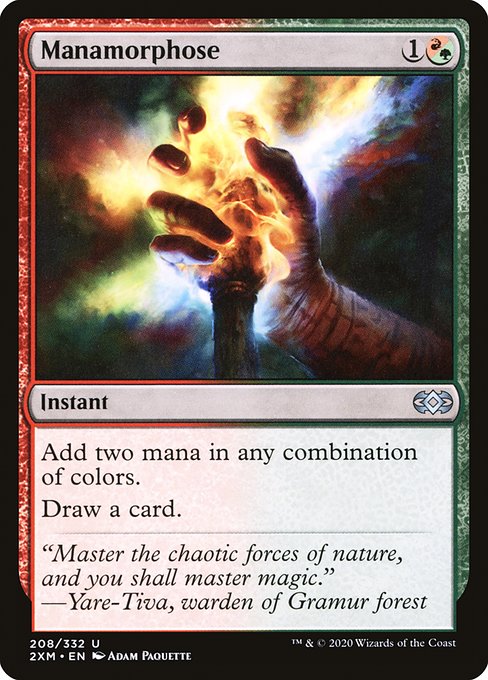
Manamorphose
Gameplay Summary
The game quickly escalated into a high-powered, fast-paced battle dominated by explosive plays and cascading spells.
Maelstrom Wanderer was cast early with the aim of unleashing a flurry of cascade triggers to generate massive board presence and overwhelming tempo.
Throughout the game, players utilized powerful mana acceleration like Chrome Mox, Gemstone Caverns, and land-based mana producers to fuel their explosive turns.
A pivotal moment involved a sequence of repeated Maelstrom Wanderer recasts enabled by intricate mana management and recursion effects, creating near-infinite cascade chains that threatened to end the game prematurely. The Blue Farm decks focused on drawing massive amounts of cards and accumulating resources to maintain control and respond to the chaos, while Krark and Ishai's deck emphasized aggressive combat with synergy around their combined power and casting spells.
Key turning points involved resolving Genesis Ultimatum and multiple cascade triggers that brought out devastating threats such as Apex Devastator and multiple Wholebreaker Horrors.
The game featured intense interaction around protecting and recasting Maelstrom Wanderer despite opponents' attempts to disrupt the combos, culminating in a complex display of turbo Temur cEDH mechanics and decision-making under pressure.