
Deck & Commander Strategies

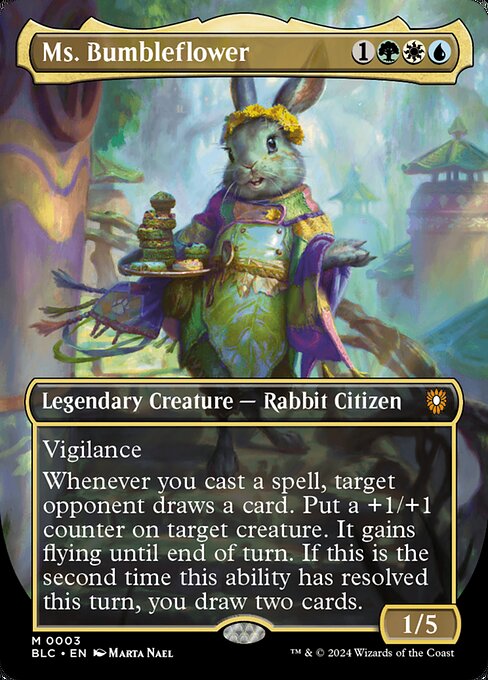
Ms. Bumbleflower
Each deck focuses on leveraging Ms. Bumbleflower’s ability to reward players for drawing cards outside of their turn by giving gifts (cards) and triggering beneficial effects like counters, flying, and treasure tokens. Decks vary between casting multiple spells to maximize triggers, stealing and copying spells or permanents, and drawing large amounts of cards to maintain hand advantage. The win condition is more about out-valuing opponents through incremental advantage rather than direct combat damage.
Gameplay Insights
- 1
Players carefully balanced giving cards to trigger Ms. Bumbleflower’s ability while avoiding enabling opponents too much, creating a delicate dynamic of generosity and restraint.
- 2
Using Tataru Taro to generate treasure tokens whenever opponents draw cards out of turn accelerated mana development and allowed for additional plays, highlighting synergy with card draw triggers.
- 3
Casting multiple spells per turn was a key strategy to trigger Bumbleflower’s abilities multiple times, stacking counters and enhancing creatures’ power and evasion.
- 4
The group’s decision to play in a friendly, non-aggressive manner shifted the game’s focus away from combat to incremental value and board development, showcasing a unique multiplayer interaction centered on cooperation and subtle competition.
Notable Cards
-
Ms. Bumbleflower
-
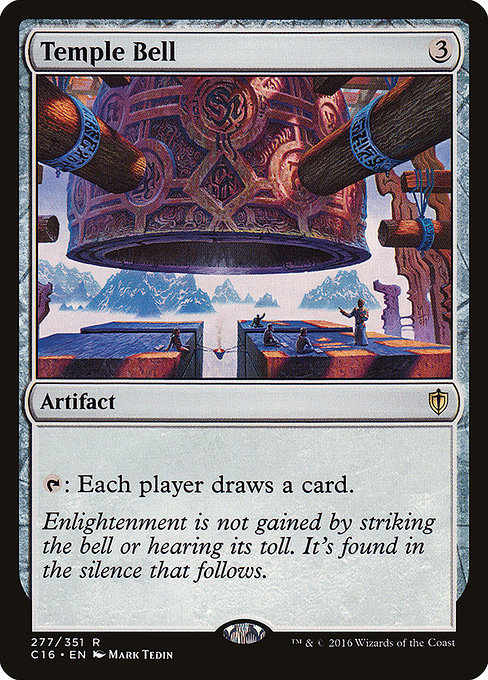
Temple Bell
-
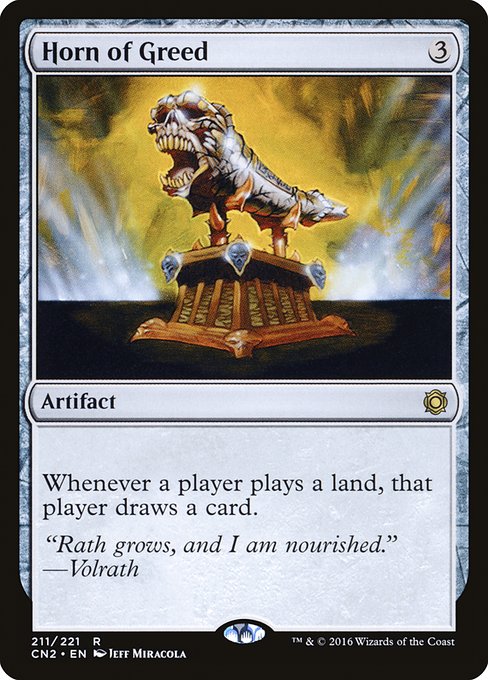
Horn of Greed
-
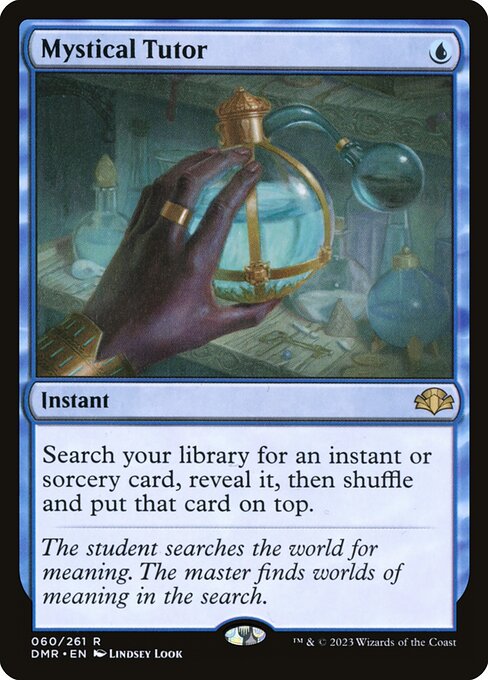
Mystical Tutor
-
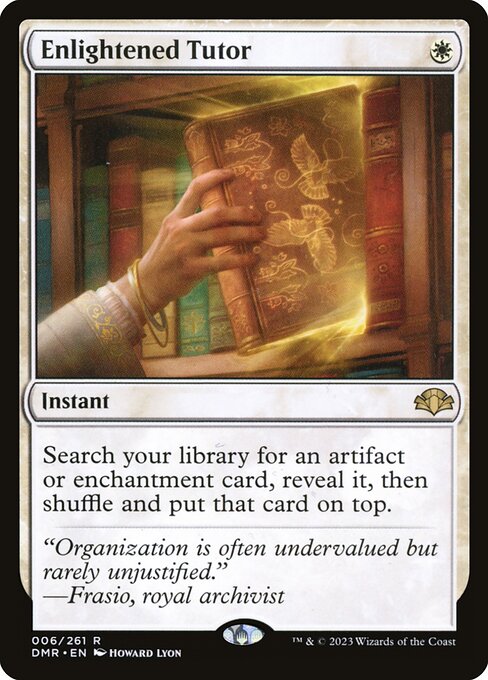
Enlightened Tutor
-

Farseek
Gameplay Summary
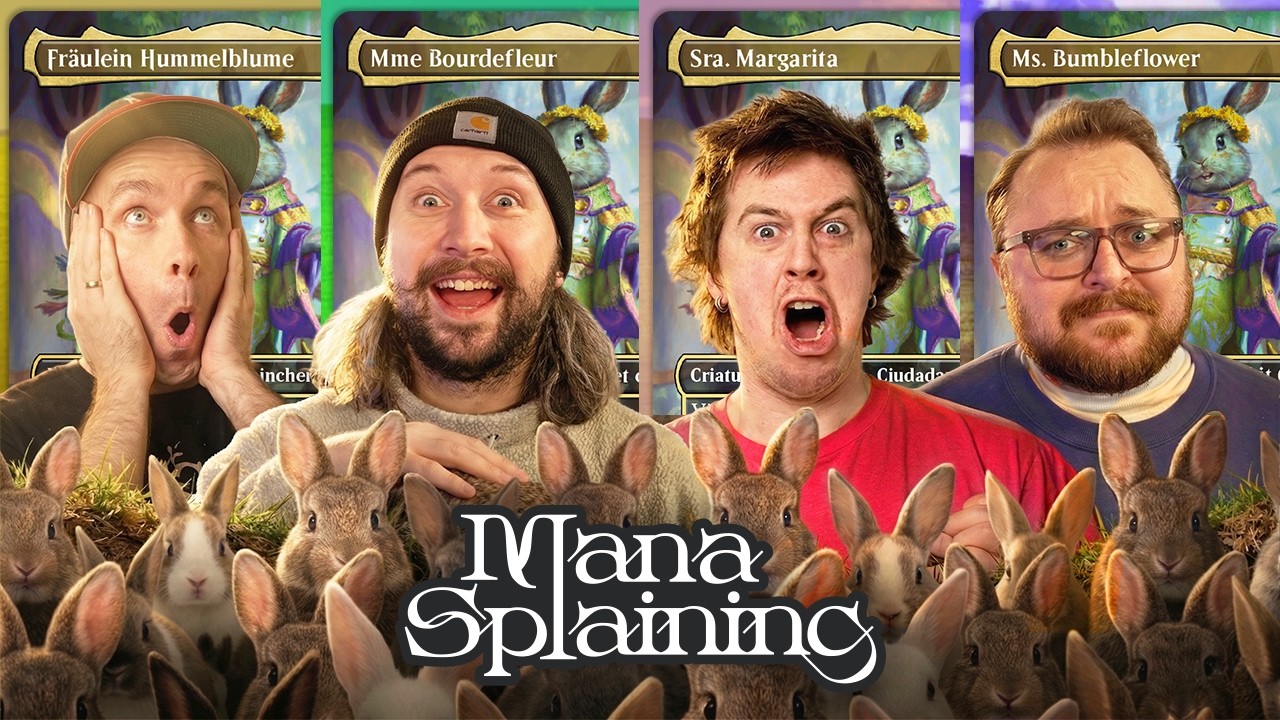
The game featured four players all piloting versions of Ms. Bumbleflower decks, each with a distinct strategy revolving around the commander’s unique ability to encourage card draw and interaction through giving and receiving cards.
Early turns focused on ramping mana and setting up the board with card draw engines, such as Tataru Taro and Temple Bell, which synergized well with Bumbleflower's ability to reward players drawing cards outside their turn.
Players exchanged cards cautiously, trying to balance generosity with self-preservation, leading to a meta of mutual card advantage rather than outright aggression. A key turning point occurred when players started to leverage treasures generated from Tataru Taro and other effects, accelerating their mana bases.
One player notably used multiple spells per turn to trigger additional counters and draw effects on Bumbleflower, while another focused on copying and stealing resources, promoting a dynamic yet friendly interaction.
Despite the cooperative atmosphere, subtle board state threats like vigilance creatures and counters on Bumbleflower created tension.
The gameplay revolved around maximizing value from each draw and spell cast rather than traditional combat wins, highlighting the unique and somewhat whimsical nature of all-Bumbleflower decks.


