Deck & Commander Strategies
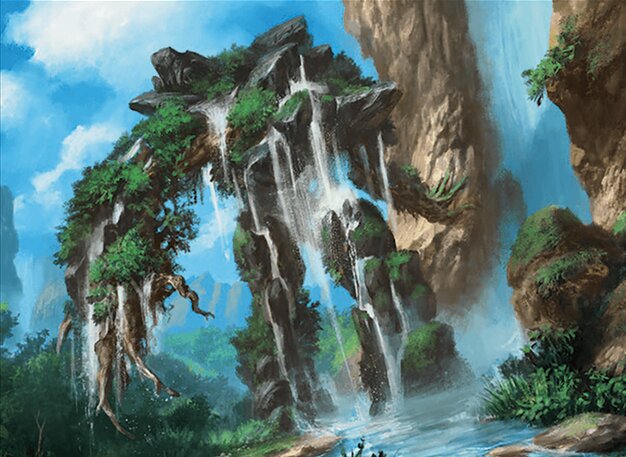
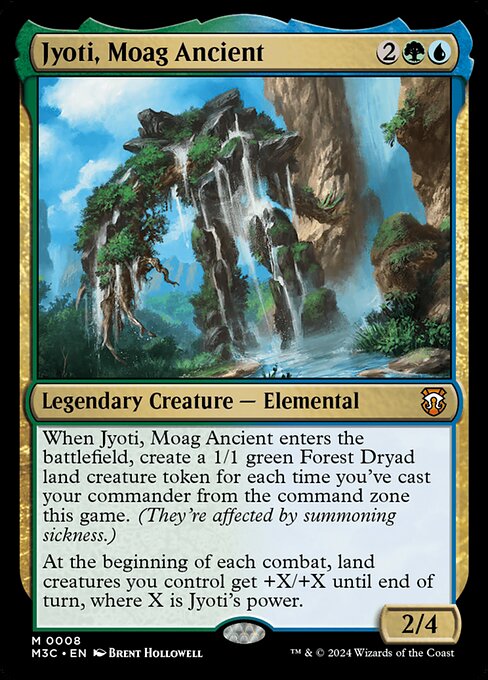
Jyoti, Moag Ancient
Ramp and landfall synergy by generating Forest Dryad tokens and leveraging land triggers to control the board while generating value and card advantage.
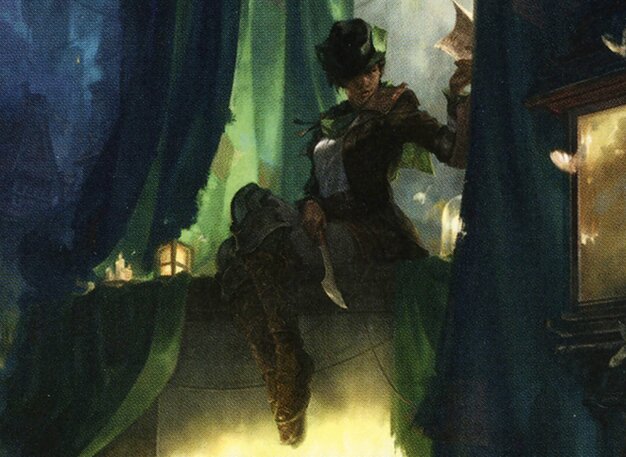
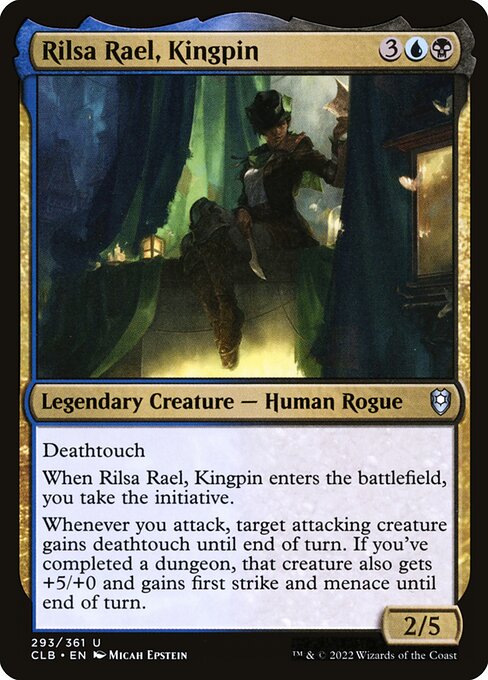
Rilsa Rael, Kingpin
A spell-slinging deck that uses Dream Halls and Omniscience to cast spells for free, building card advantage and powerful board states through artifacts and creatures.
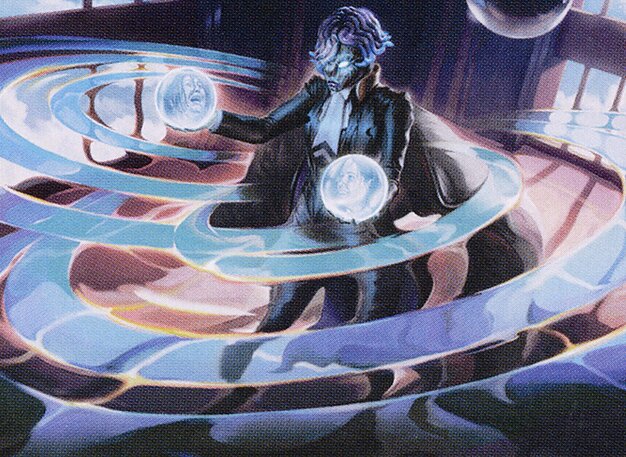
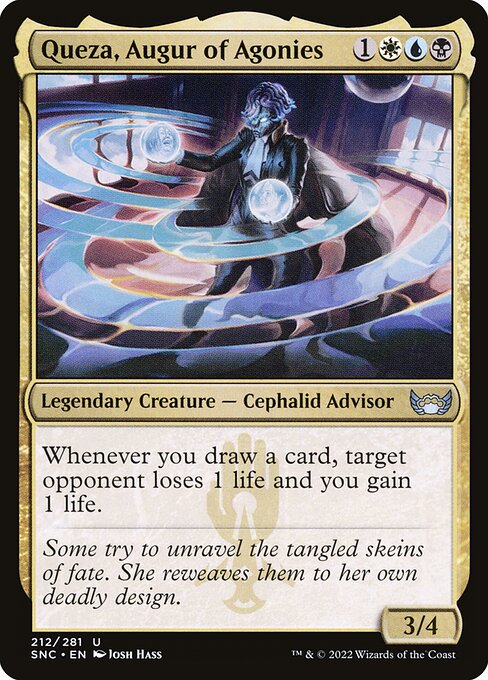
Queza, Augur of Agonies
Control and disruption focused on milling opponents and leveraging graveyard interactions to gain incremental advantage.
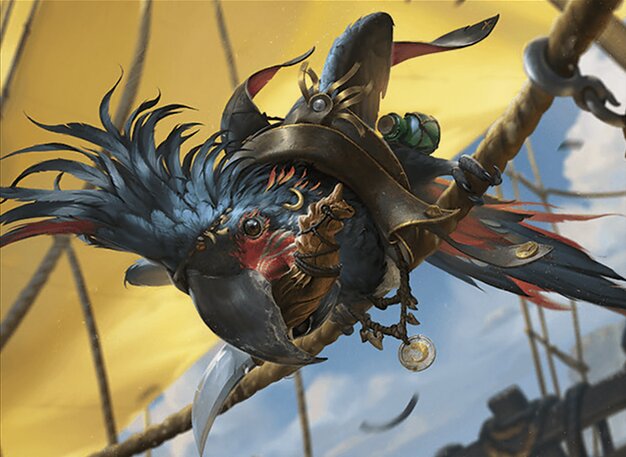
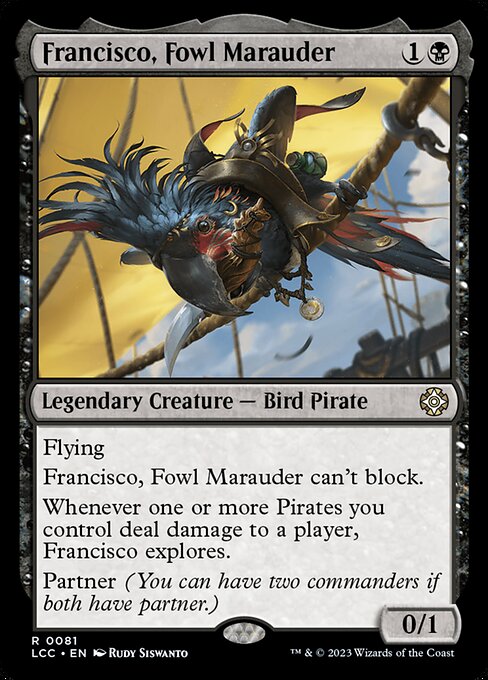
Francisco, Fowl Marauder
Aggressive treasure and exploration synergy, using combat damage to generate treasure tokens and explore multiple times to ramp and draw cards.
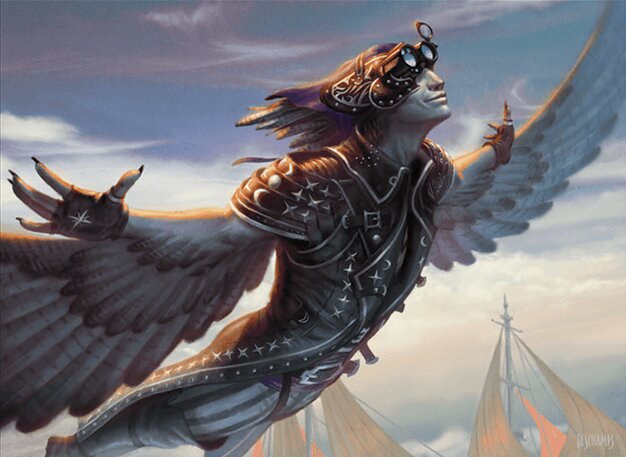
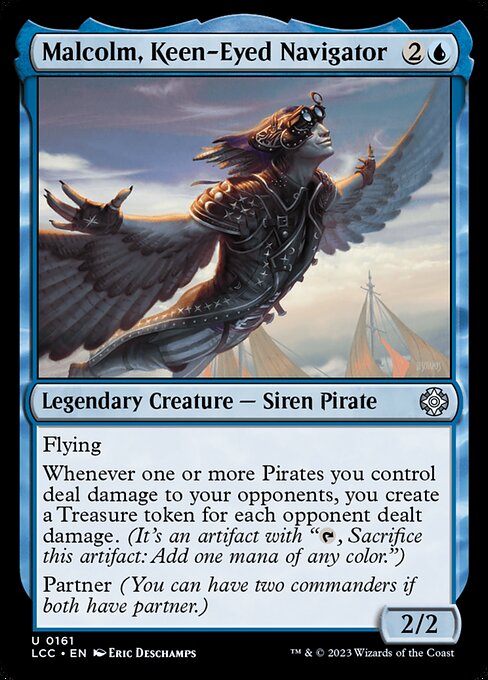
Malcolm, Keen-Eyed Navigator
A tempo and combat-focused deck that uses flying threats and treasure generation to control the board and support aggressive attacks.
Gameplay Insights
- 1
The back-and-forth control of the initiative mechanic significantly influenced players' tempo and decision-making, especially with Passageway Seer and real surreal interactions.
- 2
Arja maximized treasure token generation and exploration triggers by attacking with multiple creatures, which fueled his aggressive ramp and card draw.
- 3
Jon’s use of Dream Halls combined with Omniscience allowed for powerful and free casting of spells, enabling explosive turns and card advantage.
- 4
Matt’s timely use of Rapid Hybridization to remove a major threat (Bellowing Tangleworm) showcased effective reactive play to slow down opponents' momentum.
- 5
Multiple players engaged in deals to pass the initiative back and forth, highlighting the strategic importance of this mechanic in controlling the pace of the game.
Notable Cards
-
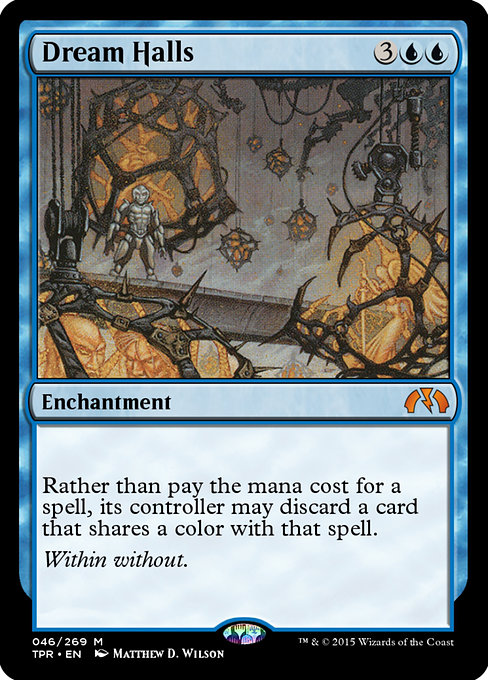
Dream Halls
-
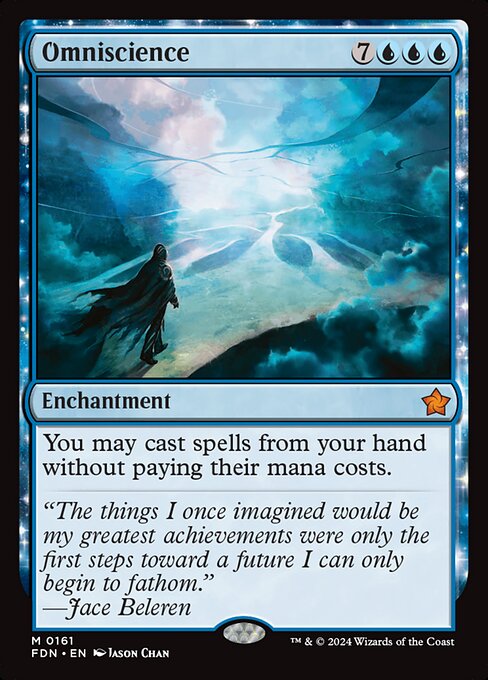
Omniscience
-
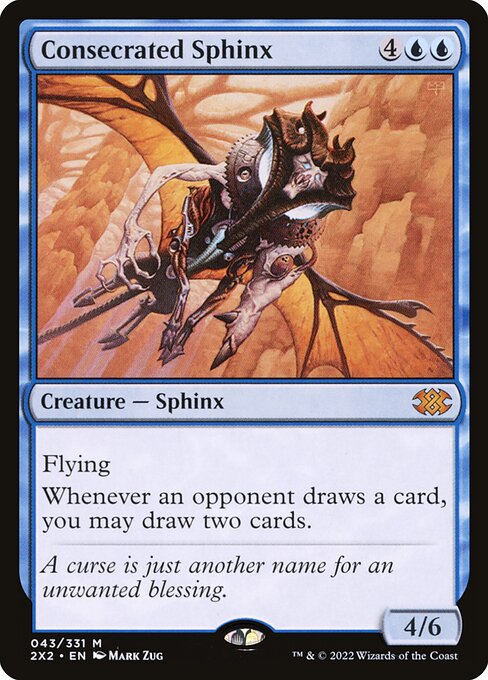
Consecrated Sphinx
-
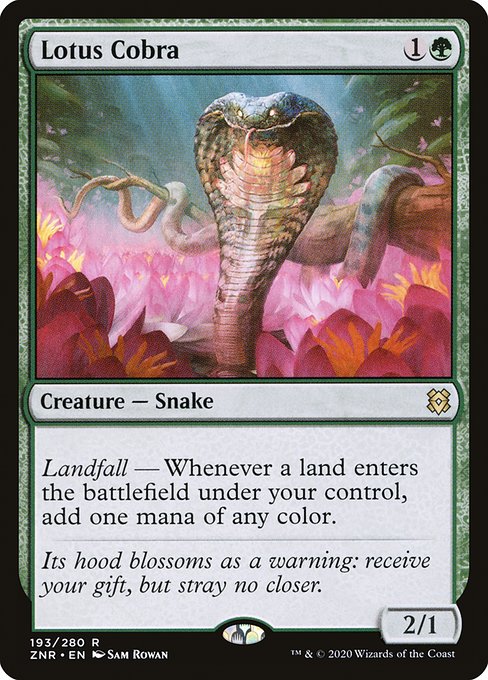
Lotus Cobra
-
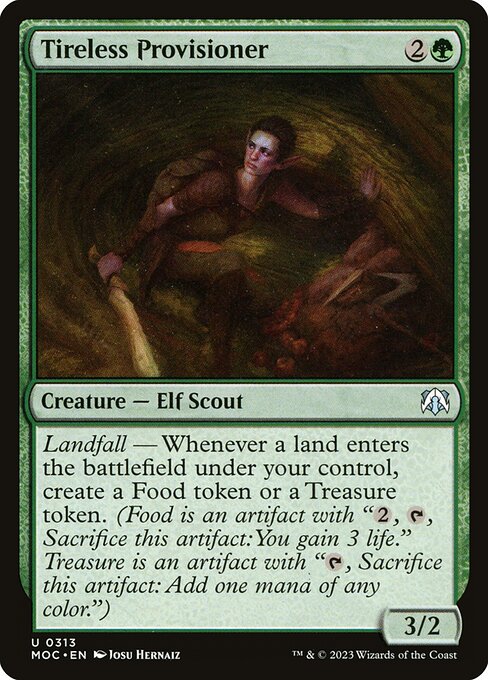
Tireless Provisioner
-
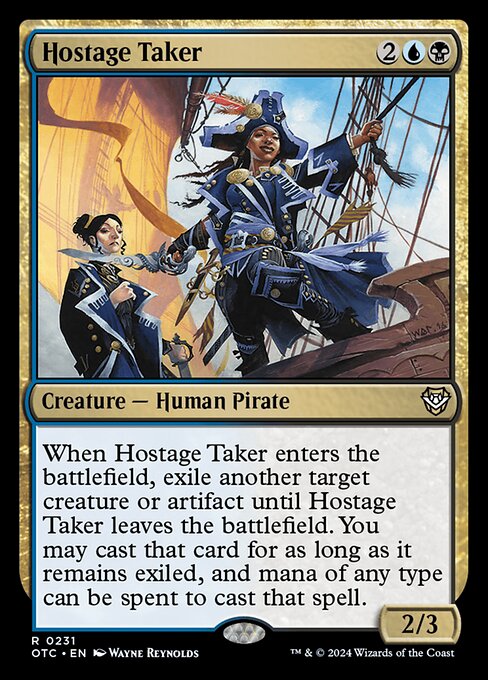
Hostage Taker
-
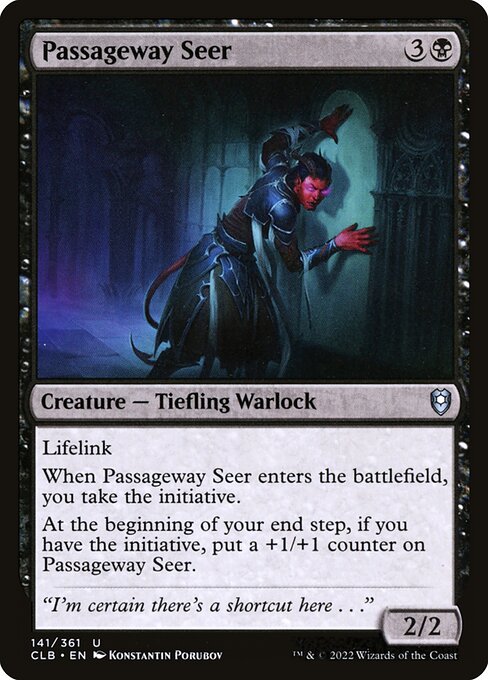
Passageway Seer
-

Rapid Hybridization
-
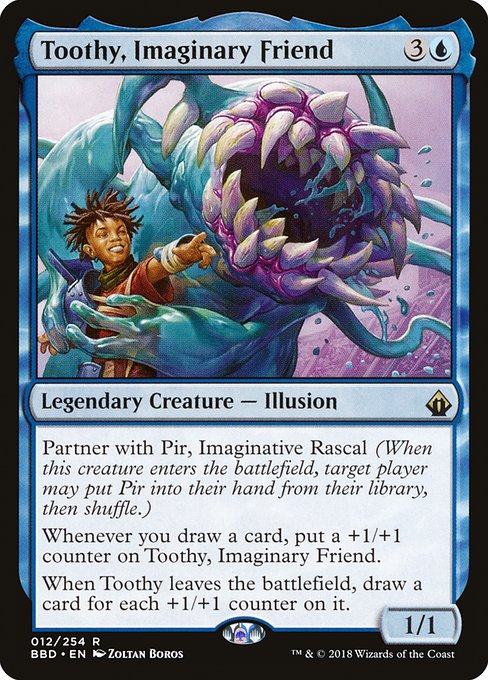
Toothy, Imaginary Friend
-
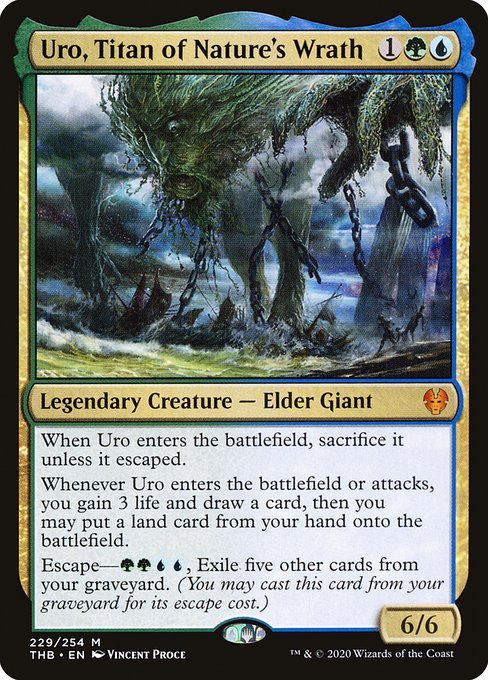
Uro, Titan of Nature's Wrath
Gameplay Summary
The game featured five players piloting diverse decks led by commanders Jyoti, Moag Ancient; Rilsa Rael, Kingpin; Queza, Augur of Agonies; Francisco, Fowl Marauder; and Malcolm, Keen-Eyed Navigator.
Early turns saw ramp and board development with key creatures like Lotus Cobra, Consecrated Sphinx, and Sholdrid the Apocalypse entering the battlefield.
Exploration and treasure token generation were prominent, particularly from Francisco and Malcolm’s aggressive and treasure-centric strategy, which also leveraged initiative mechanics from Passageway Seer and other cards to gain incremental advantages. Jon (Rilsa Rael) utilized Dream Halls and Omniscience to cast spells for free, enabling powerful plays and card draw engines like Toothy, Esper Sentinel, and Brainstorm.
Max (Jyoti) focused on landfall synergy and token generation, casting cards such as Tireless Provisioner, Uro, and Rune Crab, to control the board and generate resources.
Arja (Francisco) aggressively attacked to generate treasures and explore multiple times each combat, fueling his combo potential.
Key moments included Arja’s use of Hostage Taker to disrupt opponents, Matt’s use of rapid hybridization to remove threats, and the back-and-forth initiative control that influenced the pace of the game.
The game’s momentum swung around treasure production, card advantage, and initiative control, with exploration providing value triggers and incremental upgrades to creatures, setting up potential win conditions through combat damage and combos.


![More Streets of New Capenna [Commander VS 289] | Magic: the Gathering Commander Gameplay thumbnail](https://i.ytimg.com/vi/77jT1j7598Q/sddefault.jpg)