

Deck & Commander Strategies

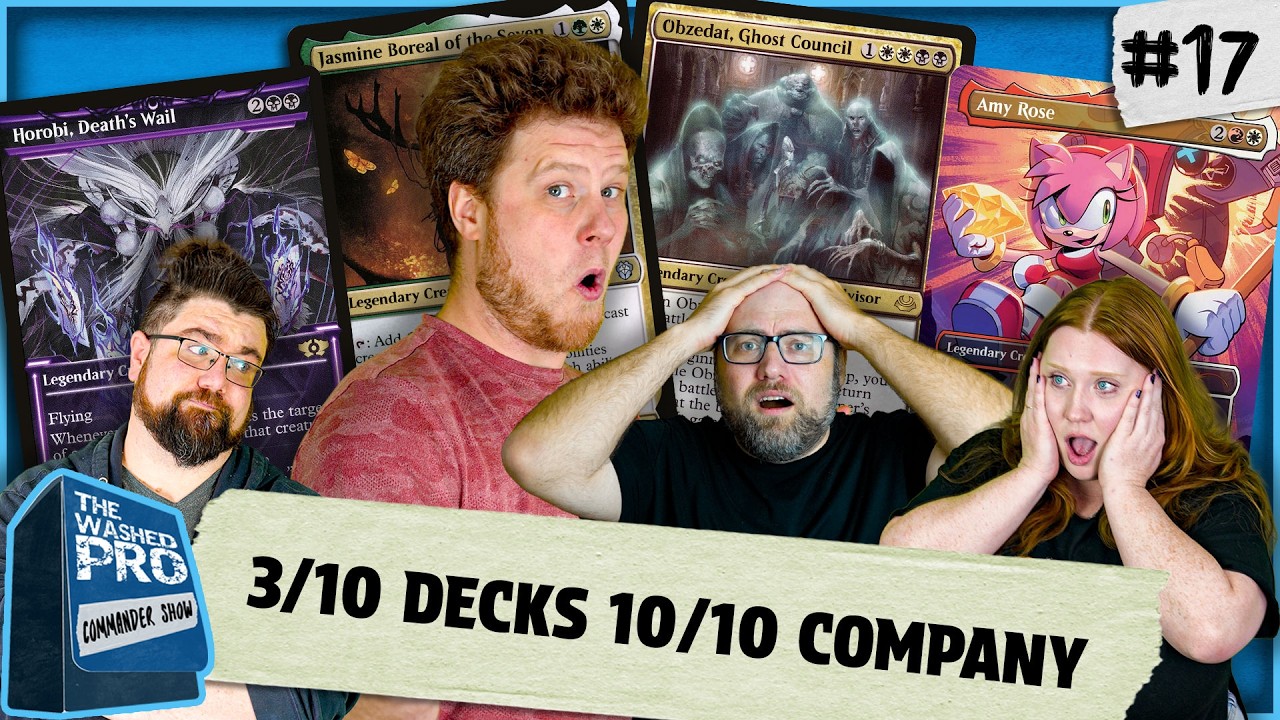
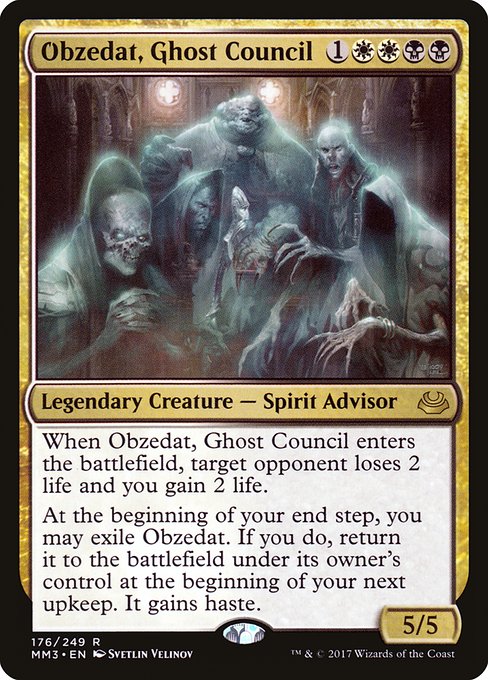
Obzedat, Ghost Council
Leverages life drain on a single opponent and life gain to chip away at opponents, but is hampered in Commander by its single-target drain ability, making it weaker than in other formats.

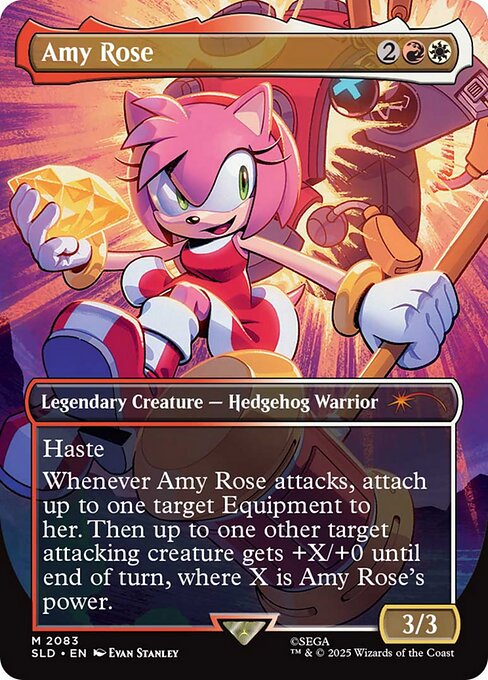
Amy Rose
Utilizes low-power, pre-release quality equipment and quirky cards to create unorthodox synergies and board presence despite the deck's low overall power level.

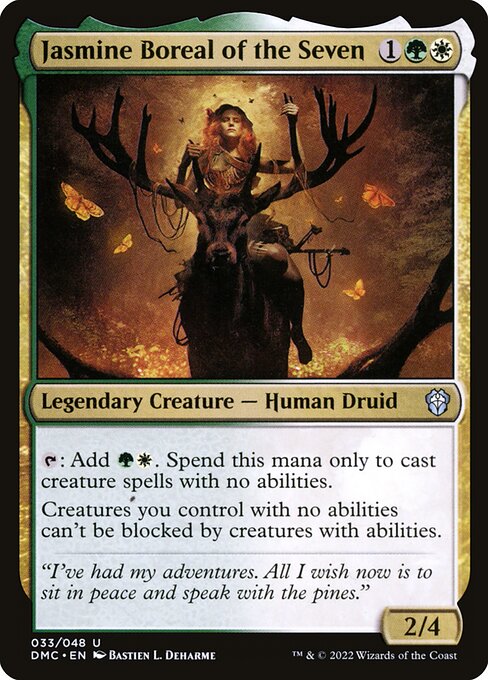
Jasmine Boreal of the Seven
Focuses on playing creatures without abilities to exploit unblockability against creatures with abilities, aiming for a swarm of simple creatures to chip away at opponents.
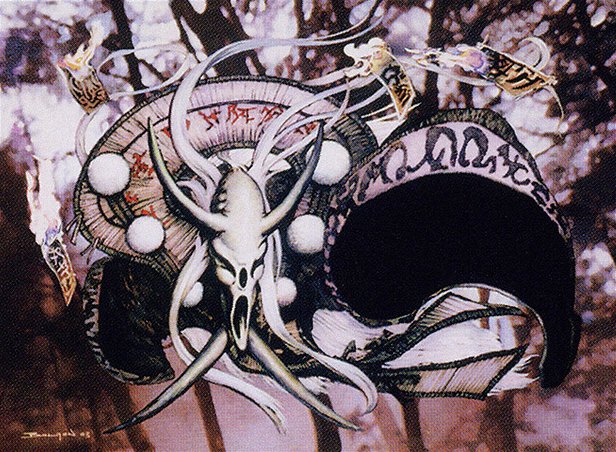
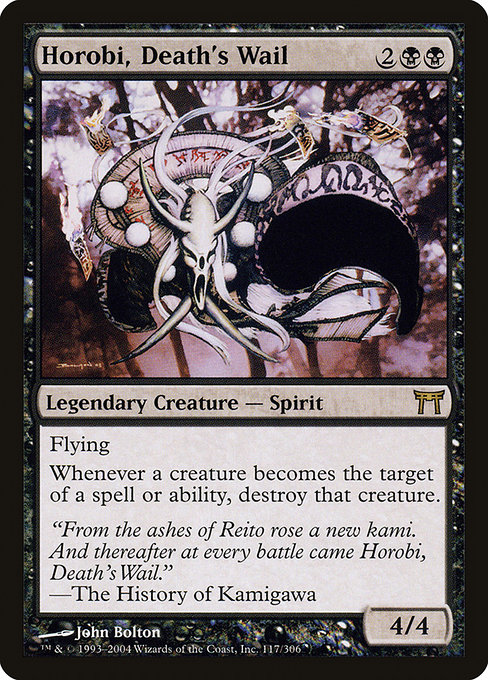
Horobi, Death's Wail
Punishes opponents for targeting creatures by destroying them, supported by removal spells and disruptive artifacts to maintain board control.
Gameplay Insights
- 1
Choosing to include a few creatures with abilities in Jasmine Boreal's deck was a concession to keep the deck competitive despite the commander’s restriction on creatures with abilities.
- 2
Brian’s use of Obzedat demonstrated the challenge of adapting a card strong in other formats but less effective in Commander due to its single-target life drain.
- 3
Chase’s strategy of equipping Amy Rose with low-tier pre-release equipment created a distinctive, humorous deck that challenged typical power assumptions.
- 4
Cory’s Horobi deck fostered a hostile table environment by punishing opponents who targeted his creatures, effectively discouraging removal and forcing more cautious play.
- 5
The players managed to keep the game engaging despite the intentionally weak decks by focusing on creative card choices and interactions rather than raw power.
- 6
The presence of cards like Liquid Metal Coating and Desert in Horobi’s deck combined to provide versatile removal and disruption options even at a low power level.
Notable Cards
-
Obzedat, Ghost Council
-
Amy Rose
-
Jasmine Boreal of the Seven
-
Horobi, Death's Wail
-

Talisman of Conviction
-

Doom Blade
-
Deep Gnome Terramancer
Gameplay Summary
The game began with players introducing their intentionally low-powered, 'tier terrible' decks, each designed to be around a 3 out of 10 in overall strength.
Early turns involved establishing basic mana and playing minimal-impact creatures, reflecting the decks' underpowered themes.
Key moments included Brian Braun-Duin playing Obzedat, Ghost Council, a card that is usually powerful but hampered in Commander due to its single-target life drain ability.
Chase Manacurve's Amy Rose deck focused on quirky, underwhelming pre-release equipment, adding a unique flavor to the game.
Brad Nelson’s Jasmine Boreal of the Seven deck centered on creatures without abilities, aiming for a tribal synergy that limited blockers but required some creatures with abilities to remain competitive.
Cory Balmeister piloted Horobi, Death's Wail, leveraging punishing effects against targeted creatures and combining it with removal and disruptive artifacts. The early game saw some interaction with removal spells and incremental board development, but the low power level kept the board state relatively stable without explosive plays.
A notable turning point was the introduction of Amy Rose and the subsequent threat of mass creature destruction, hinting at the deck's potential to swing the board state despite its lower power rating.
The players also engaged in light banter and strategic consideration about what creatures to play and when to hold back, showcasing the challenge of balancing a deck built around mediocrity.
The overall pace and interaction emphasized fun and creative deckbuilding rather than competitive dominance, with players navigating around the limitations of their intentionally weak cards while still trying to exert some control over the game.


![Budget Brews from Dominaria United [Commander VS 307] | Magic: the Gathering Commander Gameplay thumbnail](https://i.ytimg.com/vi/sdB8Qr2w2Go/sddefault.jpg)


