Deck & Commander Strategies

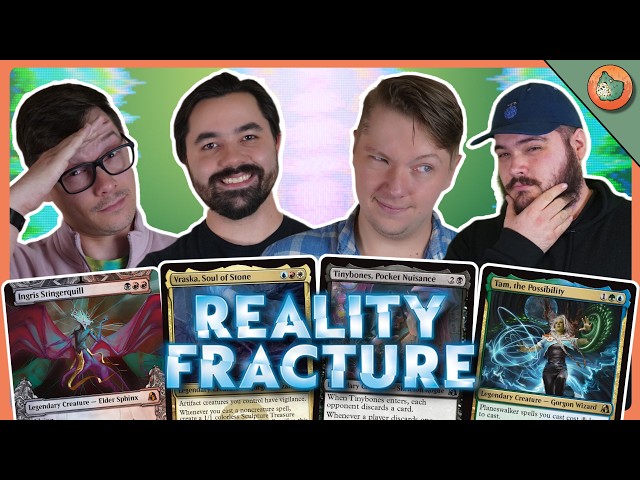
Vraska, Soul of Stone
Generate treasure tokens by casting noncreature spells to ramp mana and gain board advantage, while using vigilance and equipment to control the battlefield and apply pressure.

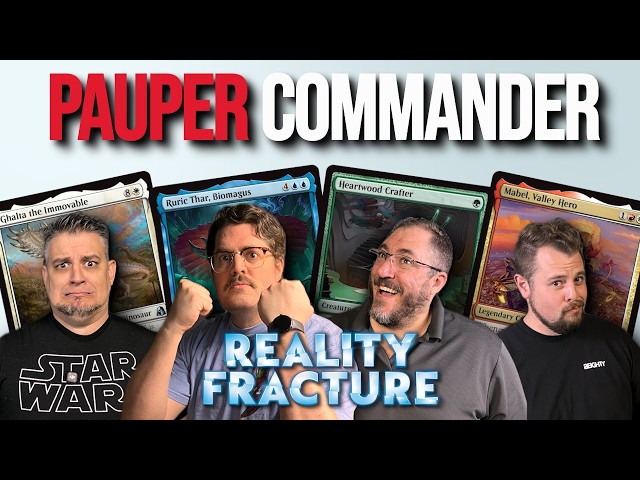
Ghalta the Immovable
Ramp aggressively to cast a massive dinosaur and equip it with powerful artifacts that enhance toughness and create defensive and offensive strength to overwhelm opponents.

Ingris Stingerquill
Attack with numerous small creatures to trigger commander damage that pings each opponent every combat, steadily chipping down life totals and using token generation to maintain pressure.

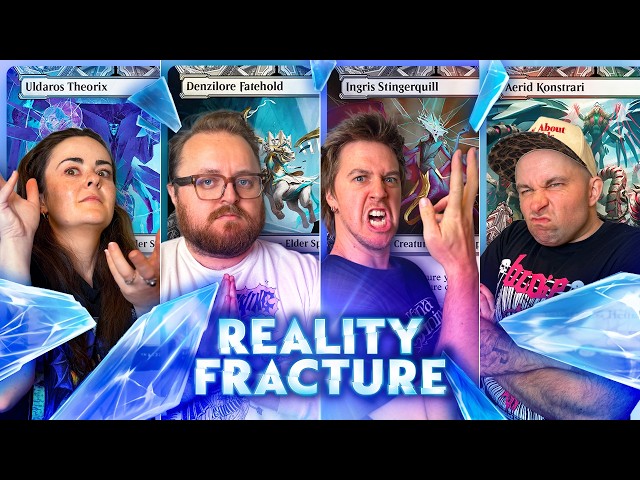
Aerid Konstrari
Utilize prepared spells and artifact synergies with Heartwood Crafter to ramp mana and generate value, focusing on big green creatures and artifact tokens to control the board.
Gameplay Insights
- 1
Deploying equipment like Captain America's Shield early on Ghalta significantly increased the threat level by granting both massive toughness and vigilance, enabling both defense and offense.
- 2
Ingris Stingerquill's ability to deal damage to all opponents with each attacking creature created constant pressure and forced opponents to carefully consider blocking and life total management.
- 3
Vraska’s treasure token generation from casting noncreature spells provided sustained mana ramp and board presence, enabling a flexible and resilient game plan.
- 4
Aerid Konstrari’s use of prepared spells and artifact cost reduction facilitated efficient ramp and value generation, accelerating their board development compared to others.
- 5
Multiple small incremental damage sources combined with large threats shaped the pacing, demonstrating the importance of balancing offense and defense in multiplayer Commander games.
Notable Cards
-

Captain America's Shield
-

Heartwood Crafter // Soul Tether
-

Shield Sphere
-
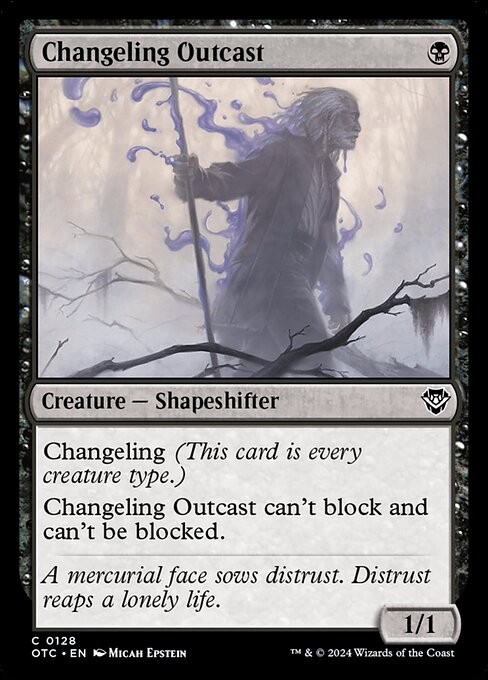
Changeling Outcast
Gameplay Summary
The game began with players establishing their boards with key early creatures and mana sources.
Aerid Konstrari utilized Heartwood Crafter and generated artifact tokens to ramp and prepare for bigger plays.
Ghalta the Immovable focused on ramping into a massive dinosaur threat, supported by equipment like Captain America's Shield to bolster toughness and create defensive pressure.
Ingris Stingerquill deployed a suite of small attackers and leveraged its commander to ping opponents for incremental damage every combat, aiming to chip away at life totals steadily.
Meanwhile, Vraska, Soul of Stone built a treasure token engine through casting noncreature spells, enabling mana acceleration and vigilance boosts to maintain board presence and tempo. A pivotal moment occurred when Bill cast Ghalta early, signaling a shift toward aggressive late-game threats.
Jan's Stingerquill commander forced multiple damage triggers in combat, pressuring all opponents simultaneously.
Aaron's Vraska capitalized on artifact synergies and treasure tokens, enhancing board control and resilience.
Throughout the match, players balanced attacking with spreading incremental damage and setting up defenses.
The interplay between Ghalta's raw power and Vraska's token economy created dynamic tension, while Stingerquill's constant pings kept the pressure on everyone's life totals.
The game showcased a blend of ramp, incremental damage, and heavy hitters vying for dominance in this four-player Reality Fracture format. Ultimately, the match revolved around leveraging each deck's strengths: Ghalta's brute force, Stingerquill's token assault and ping damage, Vraska's artifact treasure synergy, and Konstrari's prepared spells and artifact ramp.
The evolving board states and multiple layers of interaction highlighted the complexity of multiplayer Commander games and how incremental advantages can snowball into board control or lethal damage.