

Deck & Commander Strategies
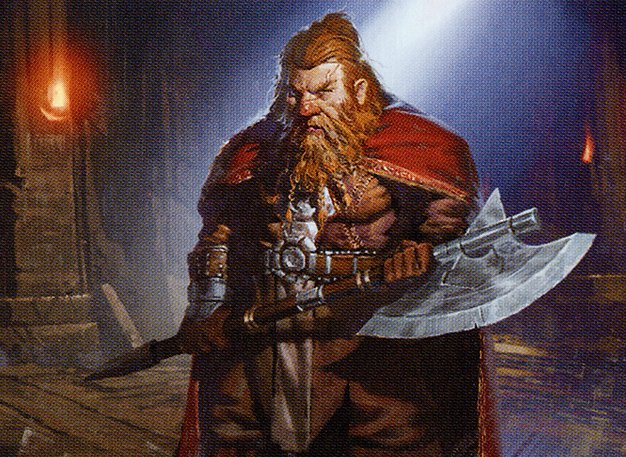
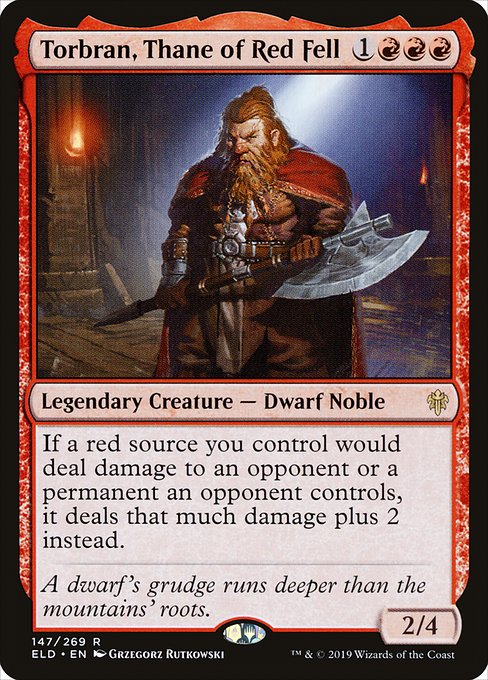
Torbran, Thane of Red Fell
Maximize red damage output by boosting all red damage dealt to opponents, turning small burns and creature attacks into significant threats to quickly reduce opponents' life totals.
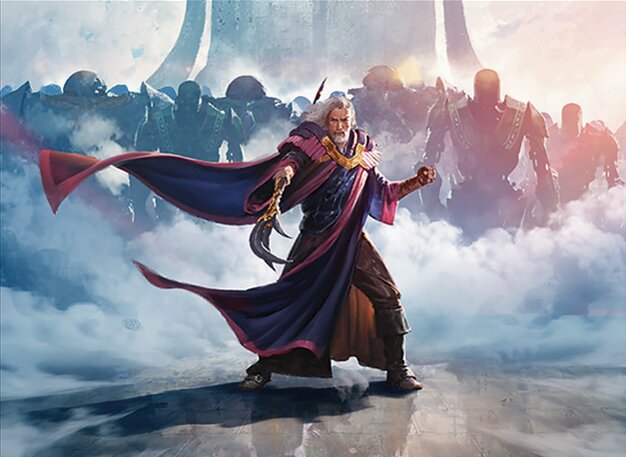
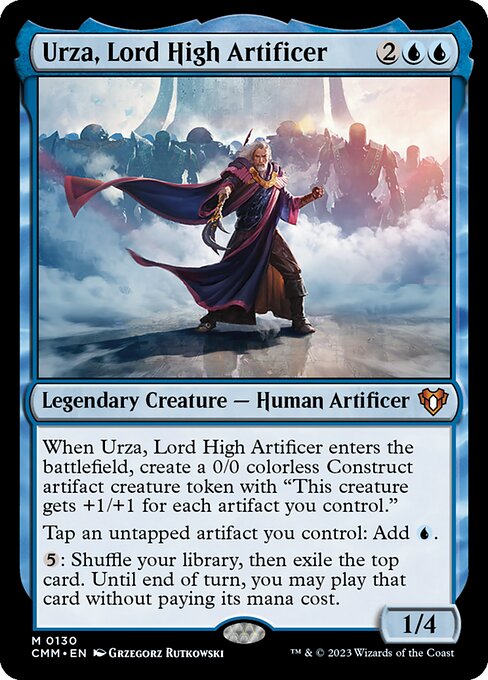
Urza, Lord High Artificer
Leverage artifact synergies and mana acceleration to build a strong board presence with artifact creatures and spells, using artifact mana to fuel powerful plays and control the game.
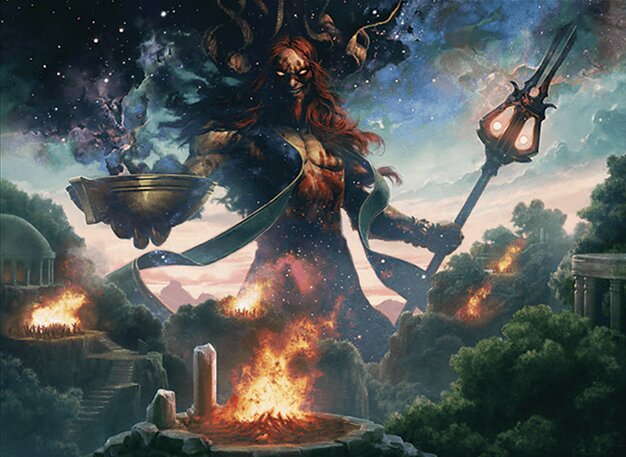
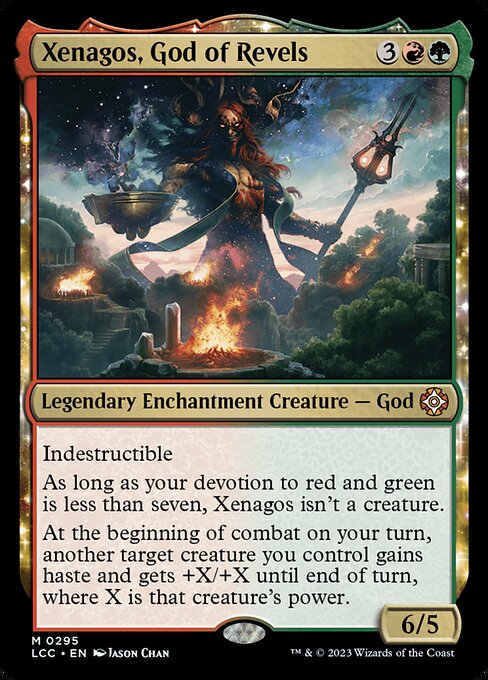
Xenagos, God of Revels
Pump creatures with haste and increased power to execute fast, aggressive combat phases, aiming to overwhelm opponents with large, quick creatures and burn damage.
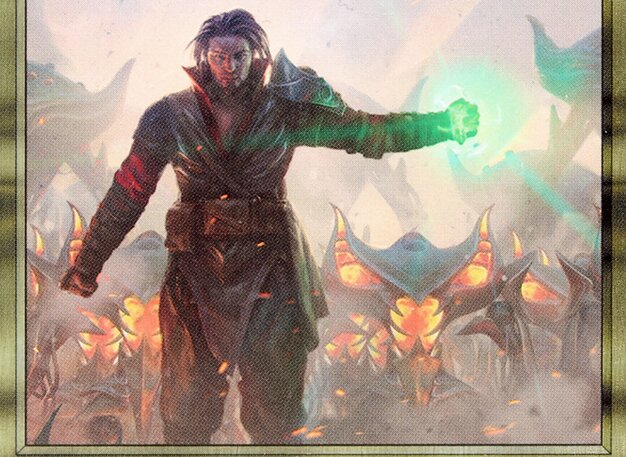
Mishra, Eminent One
Exploit artifact and land interactions to generate value and ramp, enabling combo or synergy-driven plays that can snowball into overwhelming board advantage or incremental damage.
Gameplay Insights
- 1
Rampaging Ferocidon effectively shut down life gain strategies and punished opponents for playing creatures, influencing how players approached combat and board development.
- 2
Urza’s artifact mana ramp allowed for early deployment of impactful artifact creatures and spells, pressuring opponents to respond quickly.
- 3
Torbran’s damage amplification forced players to be cautious about taking even small amounts of red damage, as it could quickly escalate.
- 4
Xenagos capitalized on haste and power boosts to threaten one-shot damage combos, making timing of blocks and removal critical.
- 5
Mishra’s versatility with artifacts and lands provided a toolbox approach, requiring opponents to adapt their strategies to multiple potential threats.
Notable Cards
-
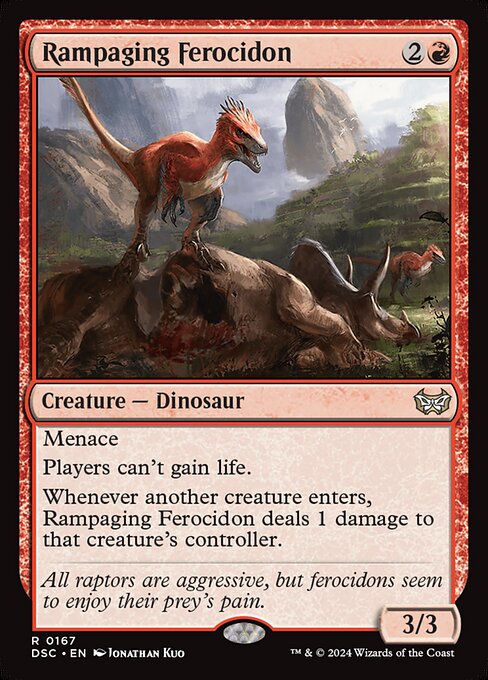
Rampaging Ferocidon
-

Arcane Signet
-
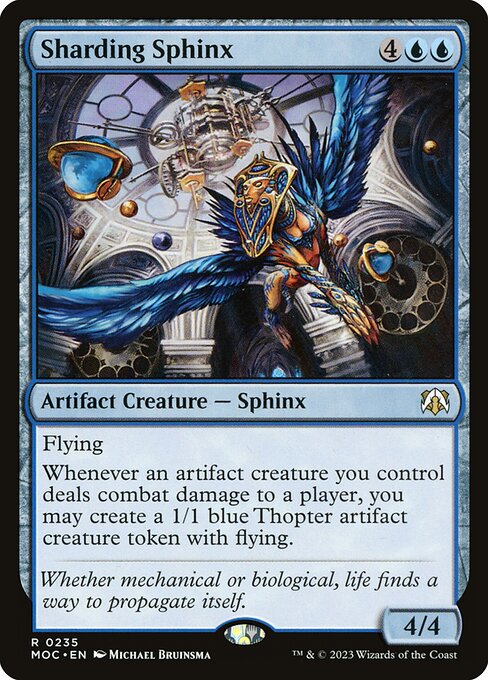
Sharding Sphinx
-
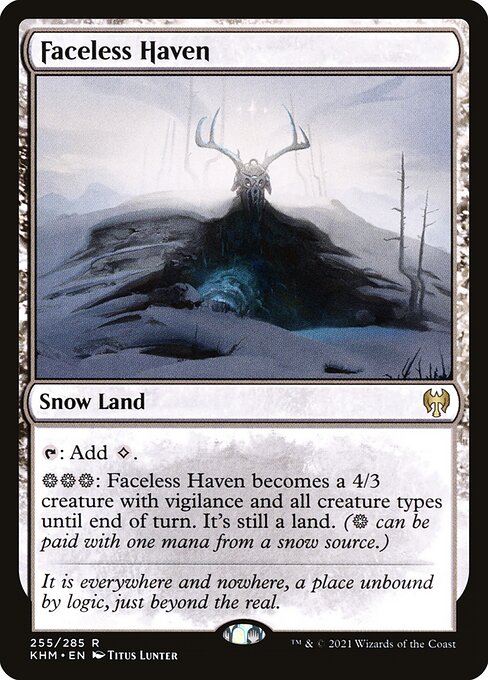
Faceless Haven
-
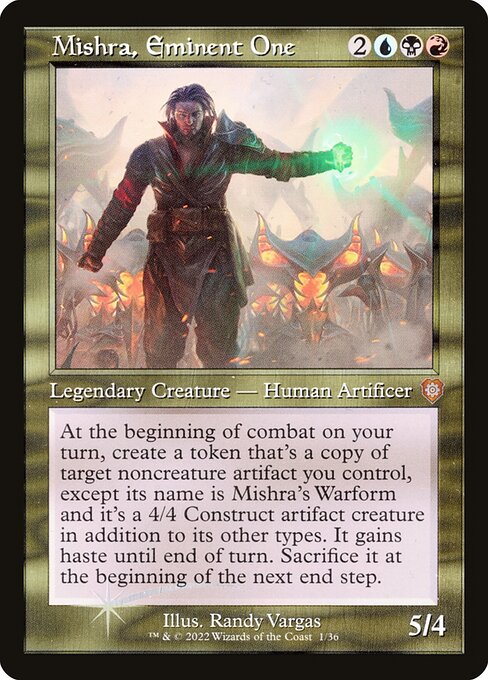
Mishra, Eminent One
Gameplay Summary
The game started with players ramping up their mana and setting up their boards cautiously.
Urza focused on artifact mana acceleration, establishing a foundation with cards like Command Sphere and Arcane Signet, while Mishra looked to create synergy with artifact and land interactions.
Xenagos aimed to generate early aggression by pumping creatures with haste, and Torbran sought to leverage his damage-boosting ability to maximize the impact of red damage spells and creatures.
Early skirmishes saw minor damage exchanges and board development without major threats being removed, as players positioned themselves for mid-game plays. A pivotal moment emerged with the introduction of Rampaging Ferocidon, which prevented life gain and dealt damage to opponents whenever creatures entered the battlefield, disrupting potential defensive strategies.
Torbran’s ability to turn damage into amplified lightning bolts put pressure on the table, while Urza’s artifact creatures and Mishra’s artifact synergy began to threaten with incremental advantage.
Xenagos’s strategy of granting haste and power boosts to creatures allowed for potential sudden bursts of damage, escalating the tension.
The game evolved into a race to reduce opponents’ life totals, with players weighing the benefits of aggressive strikes against preserving board presence.
The interplay between artifact-based ramp, aggressive combat, and damage amplification defined the mid-game tempo, setting the stage for explosive turns and finishers.


![Commander VS: Ghoulcaller Gisa VS Torbran VS Chulane VS Sisay [From SCGCON] thumbnail](https://i.ytimg.com/vi/D0eveMMHDz0/sddefault.jpg)
![Commander VS S17E4: Linden VS Syr Konrad VS Kenrith VS Torbran [EDH] thumbnail](https://i.ytimg.com/vi/PvUddo1rzeo/sddefault.jpg)


![Commander VS S6E7: Thada Adel vs Xenagos vs Seton vs Atraxa [MTG] thumbnail](https://i.ytimg.com/vi/YH_1i08V2a8/sddefault.jpg)
![Commander VS S3E9: Nekusar vs Karona vs Xenagos vs Kiki-Jiki [MTG: Multiplayer] thumbnail](https://i.ytimg.com/vi/meqwIXTAv34/sddefault.jpg)


![Brothers' War vs Dominaria United [Commander VS 315] | Magic: the Gathering Commander Gameplay thumbnail](https://i.ytimg.com/vi/_-hCwDSKn3I/sddefault.jpg)

![Unser Gast hat spicy gekocht! | Herumkommandiert #12 | EDH Commander Gameplay [Deutsch] thumbnail](https://i.ytimg.com/vi/ntFydhYELtI/sddefault.jpg)


