


Deck & Commander Strategies
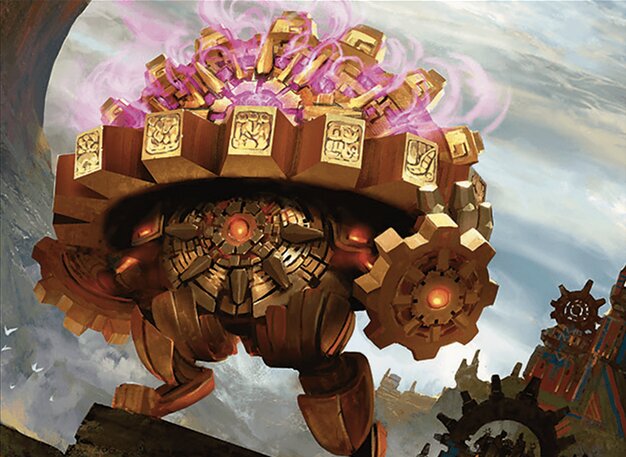
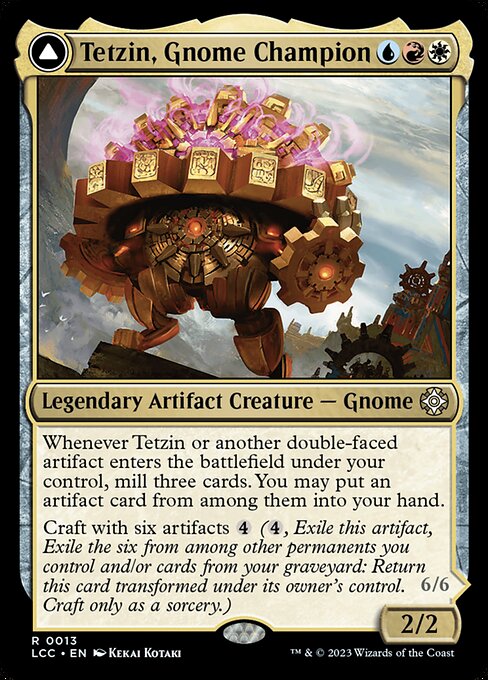
Tetzin, Gnome Champion // The Golden-Gear Colossus
Utilizes two-sided artifact creatures and tribal synergies, especially with Gnomes and Transformers, to build a resilient board and capitalize on artifact interactions.

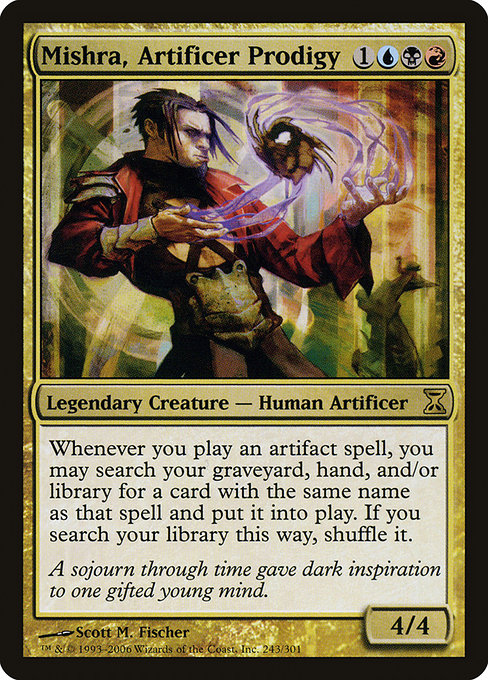
Mishra, Artificer Prodigy
Focuses on casting artifact spells to repeatedly search and put additional copies of those artifacts into play from graveyard, hand, or library, creating value and board presence.

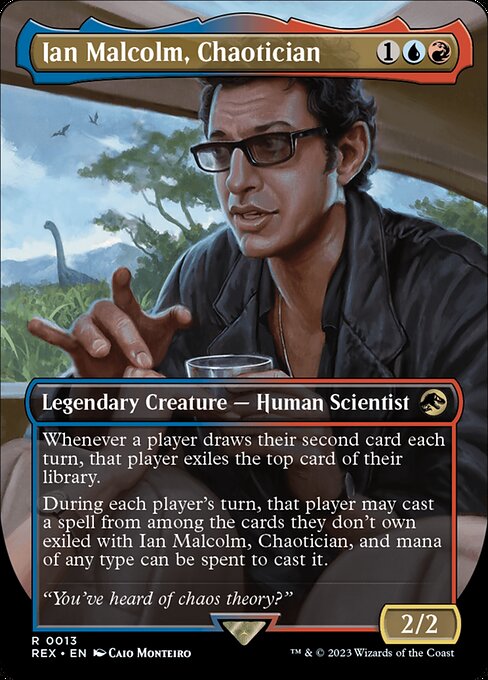
Ian Malcolm, Chaotician
Creates chaos by exiling cards when players draw their second card each turn, allowing all players to cast those exiled cards once per turn, generating unpredictable access to resources.
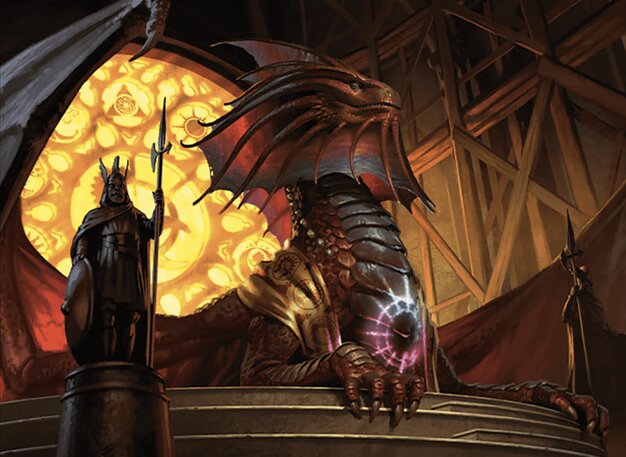
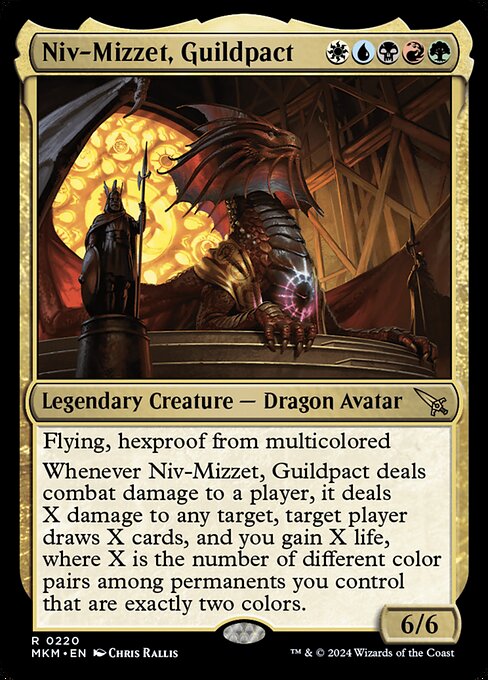
Niv-Mizzet, Guildpact
Aims to resolve and clone multiple Niv-Mizzet creatures to leverage their powerful damage and card draw triggers, overwhelming opponents with repeated triggers and spells.
Gameplay Insights
- 1
The increasing mana cost for each cruising attempt forced players to balance risk and reward, making timing critical for drawing valuable artifacts while avoiding excessive curses.
- 2
Curse attachments provided card draw incentives for attacking cursed players, encouraging aggressive play and interaction between players.
- 3
Flash-speed artifact deployment and instant-speed spells created surprising tempo swings and allowed for reactive plays.
- 4
Ian Malcolm’s exile zone mechanic introduced a layer of shared resources that players could leverage, influencing decisions around drawing and playing cards.
- 5
Tetzin’s synergy with tribal and two-sided artifacts, combined with Maskwood Nexus, highlighted the deck’s focus on maximizing artifact creature utility.
- 6
Mishra’s ability to duplicate artifacts upon casting spells rewarded repetitive artifact play and recursion, making each artifact cast more impactful.
- 7
Niv-Mizzet’s multiple copies strategy showcased the power of stacking commander triggers to create overwhelming board states.
Notable Cards
-
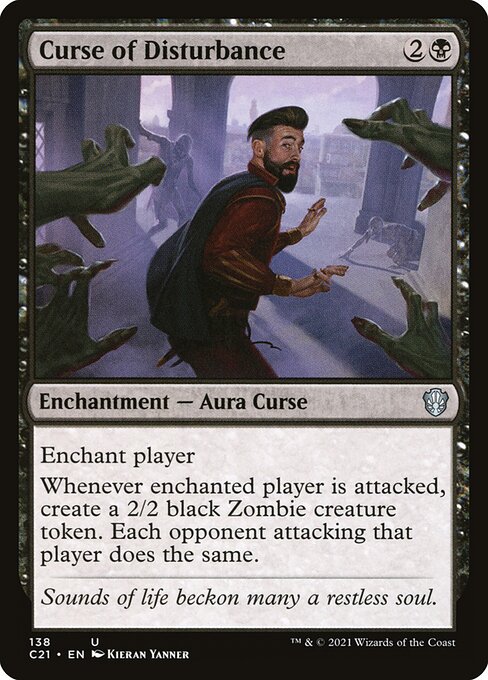
Curse of Disturbance
-
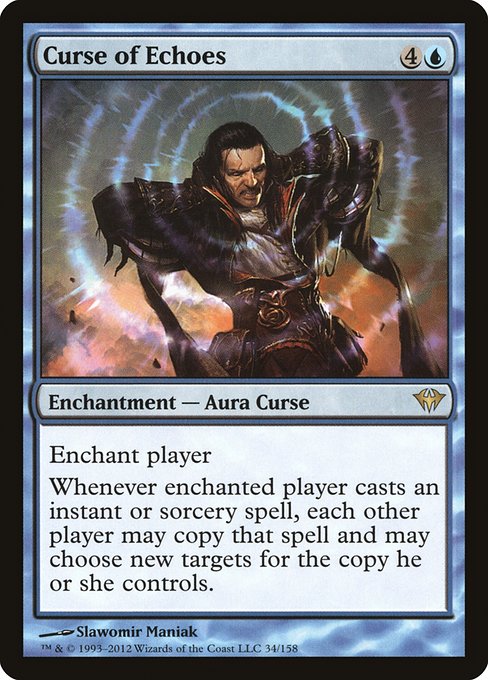
Curse of Echoes
-
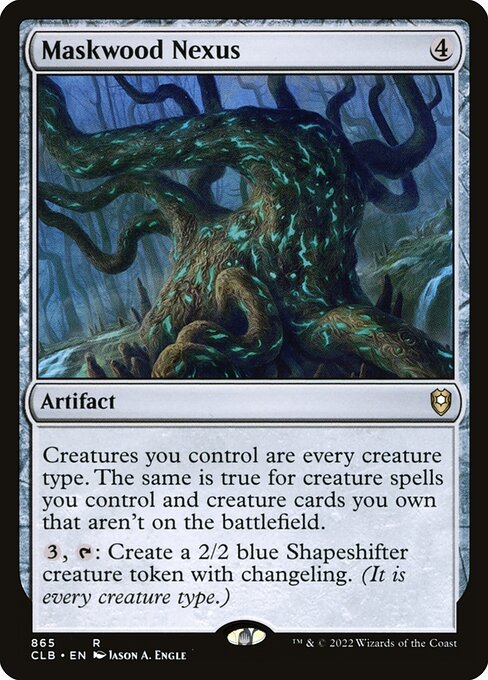
Maskwood Nexus
-
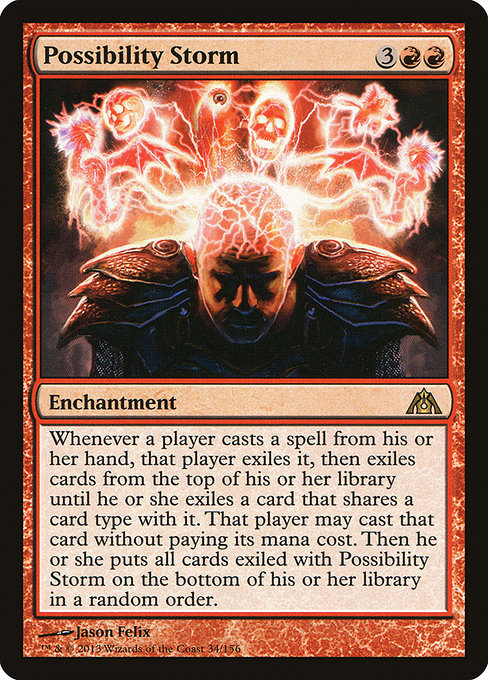
Possibility Storm
-
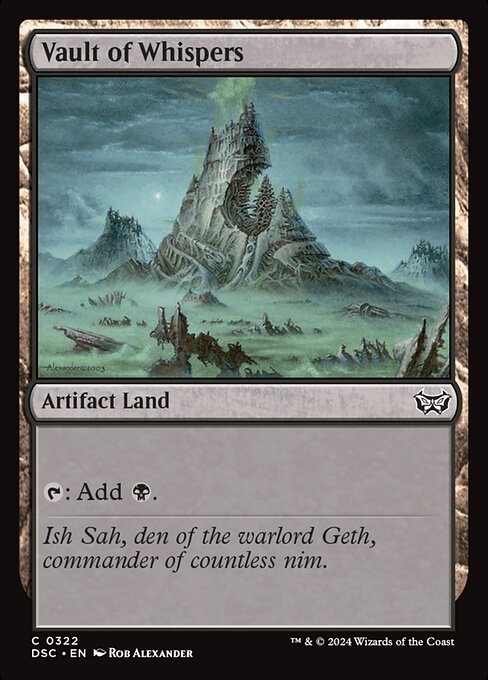
Vault of Whispers
-

Great Furnace
Gameplay Summary
The game began with players eager to explore the unique Treasure Cruise format, where they could spend increasing amounts of mana to roll a dice and draw artifacts from a shared deck, some of which were beneficial and some curses.
The escalating mana cost for repeated cruising added a strategic layer to resource management.
Early turns involved players setting up their boards with artifact lands and creatures, while cautiously deciding when to cruise.
Notable early plays included curse attachments that triggered card draws whenever the enchanted player was attacked, creating a dynamic where attacking players gained card advantage. As the game progressed, players deployed creatures and artifacts that synergized with their commanders' abilities.
For example, one player used Tetzin, Gnome Champion, to leverage two-sided artifacts and Maskwood Nexus for tribal synergy, while Mishra, Artificer Prodigy, attempted to chain artifact spells with graveyard and library recursion.
Ian Malcolm introduced a chaotic element by allowing players access to cards exiled in his zone when players drew extra cards, adding unpredictability.
Meanwhile, the Niv-Mizzet player focused on assembling multiple Niv-Mizzet copies to create a powerful board presence.
Throughout, the game featured tactical choices about when to cruise for treasures, how to manage curses and board presence, and interactions that generated card advantage or additional combat phases.
The win conditions revolved around artifact synergy, spell copying, and overwhelming opponents with repeated Niv-Mizzet triggers or artifact-based combos.





![Commander VS S6E3: Jarad vs Selvala vs Daretti vs Mishra [MTG] thumbnail](https://i.ytimg.com/vi/z5dT7_TLJF4/sddefault.jpg)


