


Deck & Commander Strategies

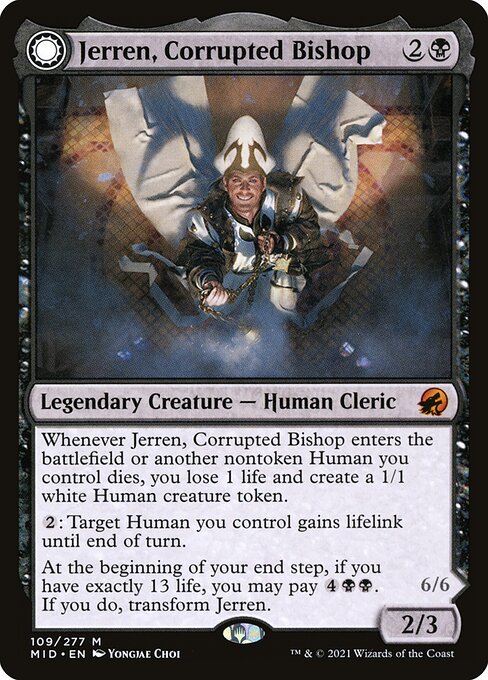
Jerren, Corrupted Bishop // Ormendahl, the Corrupter
A human tribal deck that punishes creature deaths by causing life loss and creating tokens, aiming to flip Jerren into a life-draining demon as a win condition.

Isshin, Two Heavens as One
An aggressive red-white deck focused on doubling combat triggers and prowess to maximize damage output through multiple attacks and instant-speed interactions.

Blech, Loafing Pest
A life gain-centric deck that builds a board of pests and insects, growing them larger with +1/+1 counters and disrupting opponents with a nuisance swarm.

Prismari, the Inspiration
A spellstorm deck leveraging instants and sorceries with storm mechanics to cast multiple spells per turn and overwhelm opponents, backed by a powerful flying dragon commander.
Gameplay Insights
- 1
Alex timed the transformation of Jerren into Ormendahl precisely at six mana and thirteen life, triggering a potent life drain effect whenever non-token creatures died.
- 2
Spencer's use of prowess and doubled combat triggers with Isshin allowed him to efficiently chip away at opponents, forcing them to address his growing threat.
- 3
Olivia maximized life gain synergies to bolster multiple small creatures, creating a challenging board state that was difficult for opponents to clear.
- 4
Brian’s Prismari deck carefully managed mana and spell costs to maintain storm counts, preparing powerful spells that could swing the game if unanswered.
- 5
The interaction between Alex's demon and other players' creature deaths created a dynamic life loss and gain cycle that influenced attack and block decisions throughout the game.
Notable Cards
-
Jerren, Corrupted Bishop // Ormendahl, the Corrupter
-
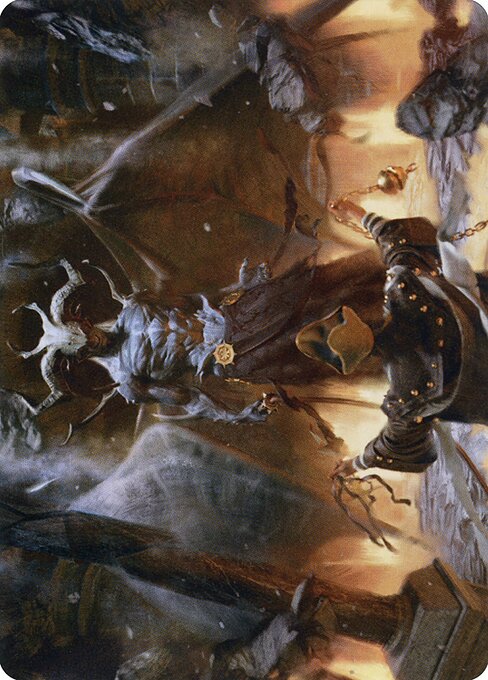
Ormendahl, the Corrupter // Ormendahl, the Corrupter
-

Isshin, Two Heavens as One
-

Blech, Loafing Pest
-

Prismari, the Inspiration
-
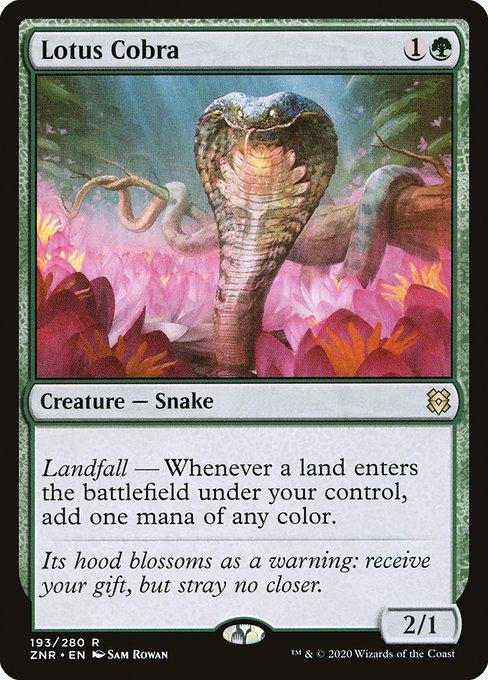
Lotus Cobra
-
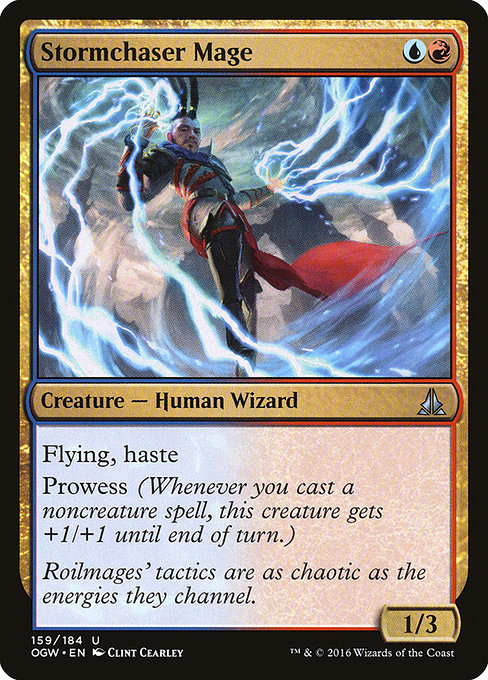
Stormchaser Mage
-
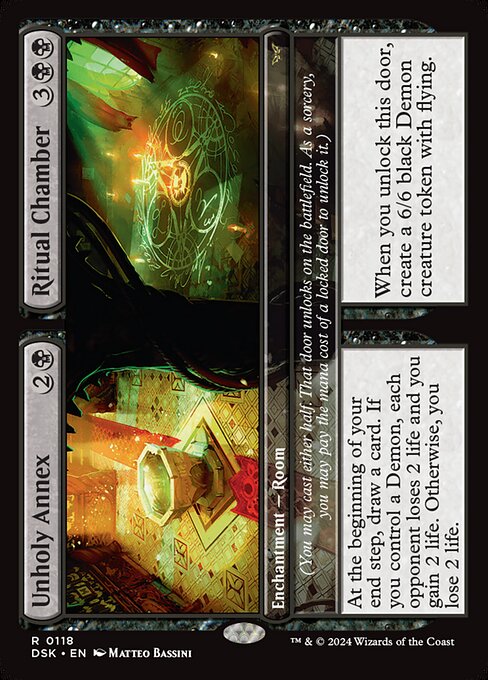
Unholy Annex // Ritual Chamber
Gameplay Summary
The game started with players establishing their mana bases and setting up early board presence.
Alex, playing Jerren, Corrupted Bishop, focused on a human tribal theme with life loss and token generation, aiming to flip his commander into a demon by managing his life total and mana.
Spencer piloted Isshin, Two Heavens as One, a red-white aggro deck leveraging doubled combat triggers and prowess effects to apply pressure.
Olivia’s Blech, Loafing Pest deck centered around life gain synergies to grow a swarm of insects and pests, creating a nuisance board state.
Brian’s Prismari, the Inspiration, played a spell-heavy, storm-like strategy with a powerful dragon commander that gave his instants and sorceries the storm ability, aiming to overwhelm opponents with multiple spell casts in one turn. Early plays included creatures like Lotus Cobra ramping mana and cards that synergized with sacrificing creatures or life gain.
Alex’s Jerren deck utilized cards that punished creature deaths to generate value and tokens, while Spencer capitalized on combat triggers and prowess to chip away at opponents.
Olivia’s deck steadily accrued +1/+1 counters on multiple small creatures through life gain triggers.
Brian’s Prismari deck slowly built up storm counts with instants and sorceries and cast key spells that prepared powerful payoffs like Brain Geyser.
A turning point was Alex flipping Jerren into Ormendahl, the Corrupter, which introduced a demon that caused opponents to lose life whenever a non-token creature died, ramping his life drain engine.
Meanwhile, Brian’s dragon presented a looming aerial threat, forcing opponents to deal with its flying and ward abilities.
The game featured tactical attacks and damage trading, with players weighing when to strike and how to handle the growing board states.
The interplay of token generation, life manipulation, storm spells, and combat multipliers defined the evolving board dynamics as players jockeyed for control and sought to push through their win conditions.