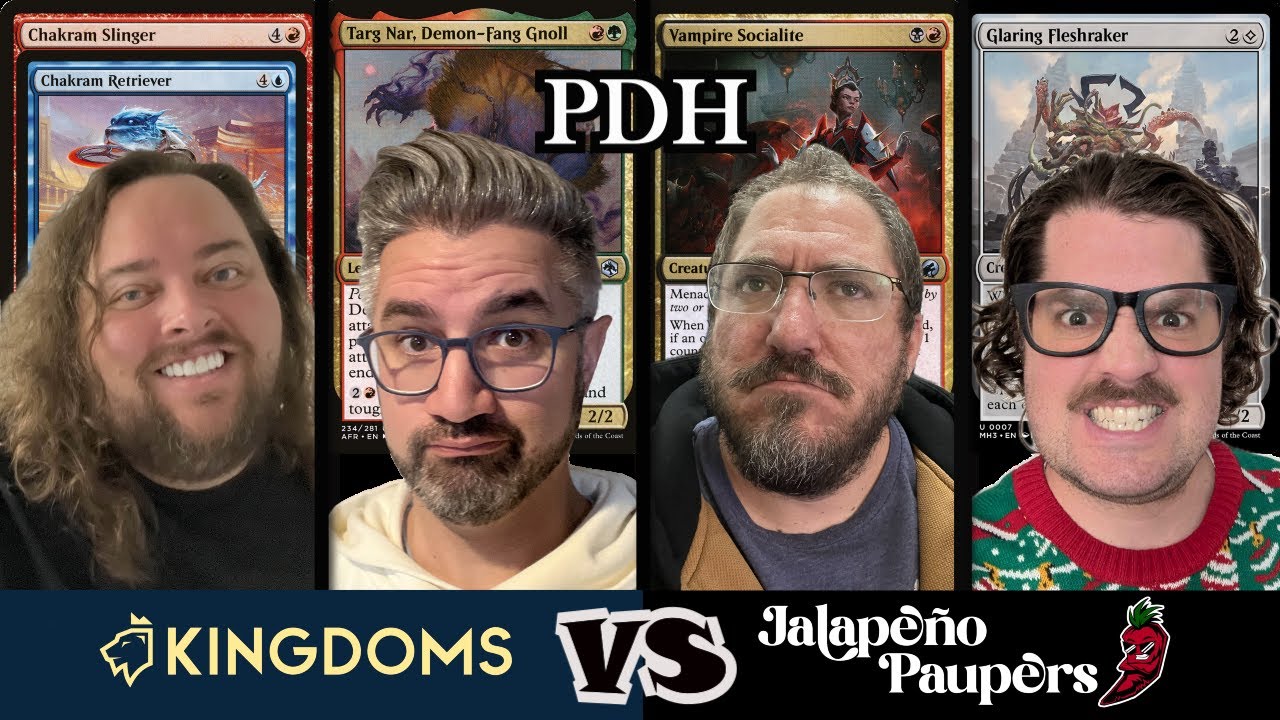

Deck & Commander Strategies

Targ Nar, Demon-Fang Gnoll
A combat damage-focused deck that boosts attacking creatures when total power is six or greater, with the ability to double the commander's power and toughness to push through damage and close games quickly.
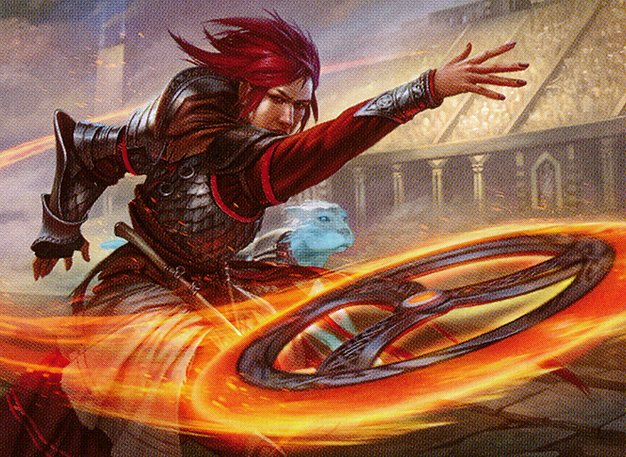

Chakram Slinger / Chakram Retriever
A combo-oriented deck that leverages untapping creatures multiple times each turn, enabling repeated activations, card draw, and damage output through synergy with creatures that generate mana or have tap abilities.
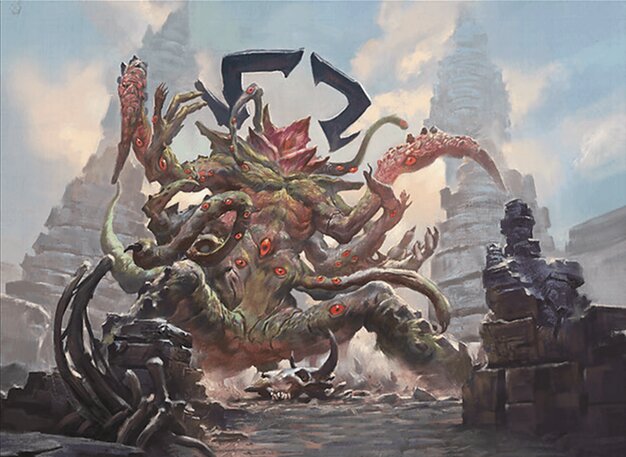
Glaring Fleshraker
A colorless Eldrazi deck that casts numerous colorless spells to create spawn tokens and deal incremental damage to all opponents, aiming to control the board while steadily chipping away at life totals.
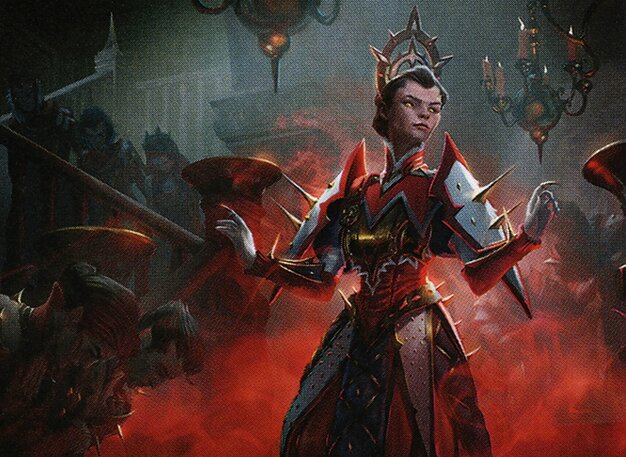
Vampire Socialite
A vampire tribal deck that grows its creatures with +1/+1 counters whenever opponents lose life, focusing on aggressive vampire swarms that scale quickly and threaten high damage output.
Gameplay Insights
- 1
Players prioritized early ramp and board development to enable their commander’s synergies, with Targ Nar focusing on building a wide attacking board.
- 2
Chakram Slinger/Retriever’s ability to untap creatures repeatedly set up potential infinite combos, though the deck relied on surviving long enough to assemble these pieces.
- 3
Glaring Fleshraker’s incremental damage approach pressured all opponents simultaneously, forcing them to consider defense over pure offense.
- 4
Vampire Socialite’s +1/+1 counter synergy rewarded aggressive play and punishing opponents for losing life, quickly increasing the threat level of the vampire army.
- 5
Strategic use of artifact ramp like Chromatic Star helped smooth mana and card draw, enabling players to maintain tempo and execute their plans effectively.
- 6
Defensive creatures with deathtouch were key to slowing down aggressive decks and buying time for combo or value-based decks to develop.
- 7
The game demonstrated the balance between aggression and combo strategies in Pauper Commander, with players leveraging both incremental value and burst damage.
Notable Cards
-
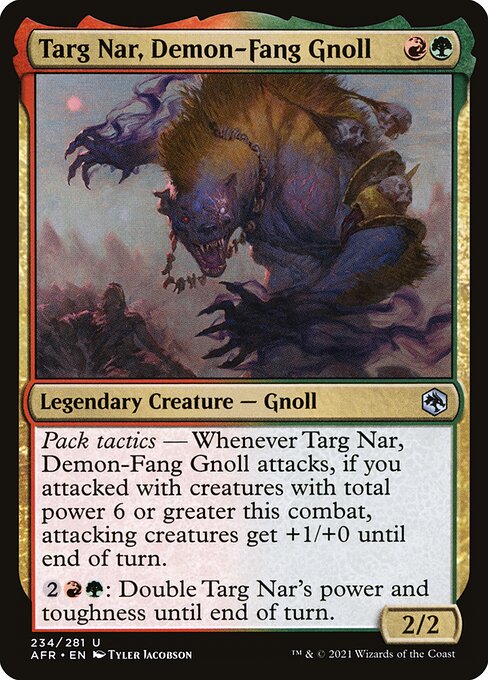
Targ Nar, Demon-Fang Gnoll
-
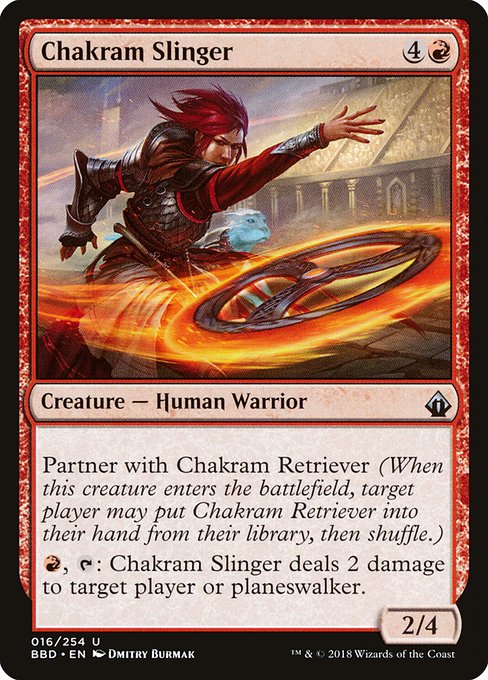
Chakram Slinger
-
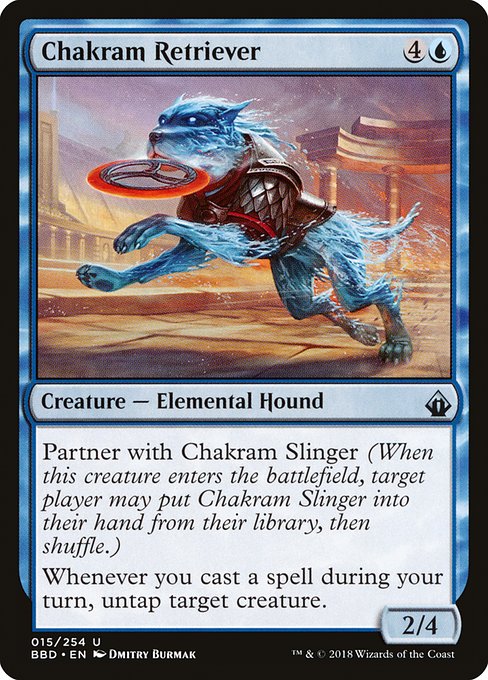
Chakram Retriever
-
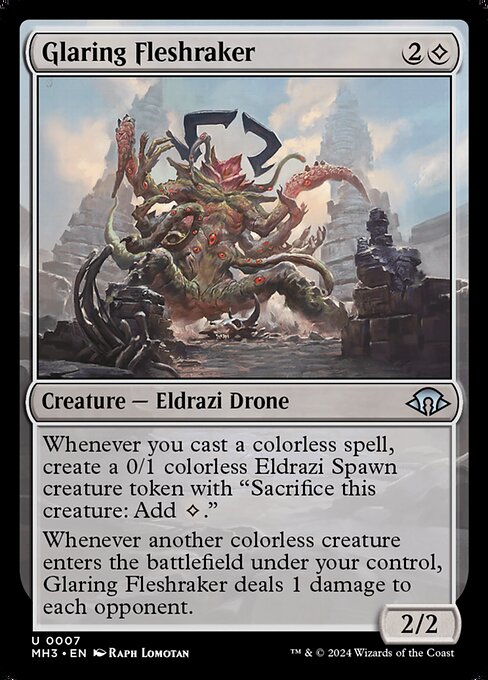
Glaring Fleshraker
-
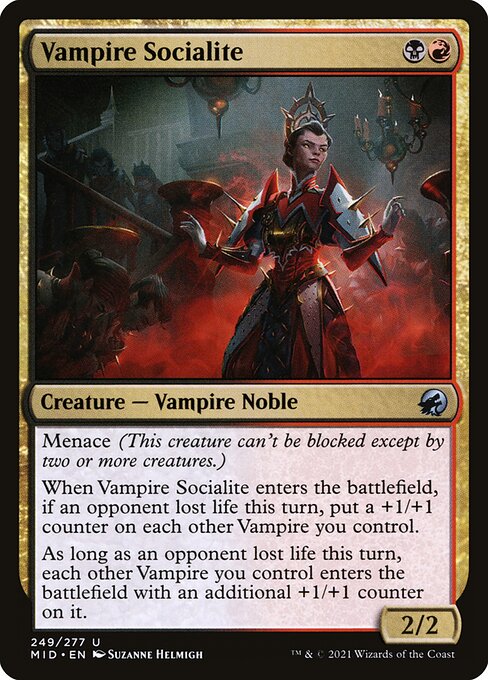
Vampire Socialite
-
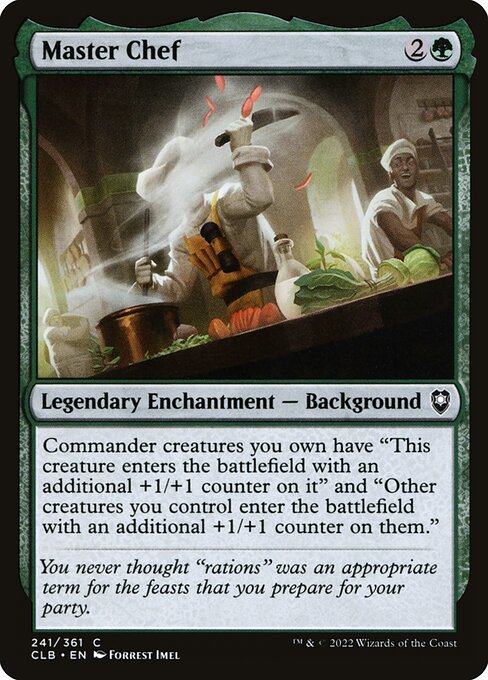
Master Chef
-
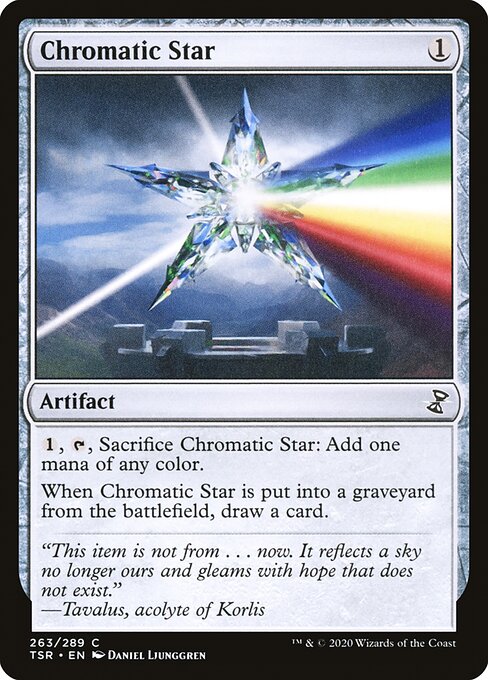
Chromatic Star
-
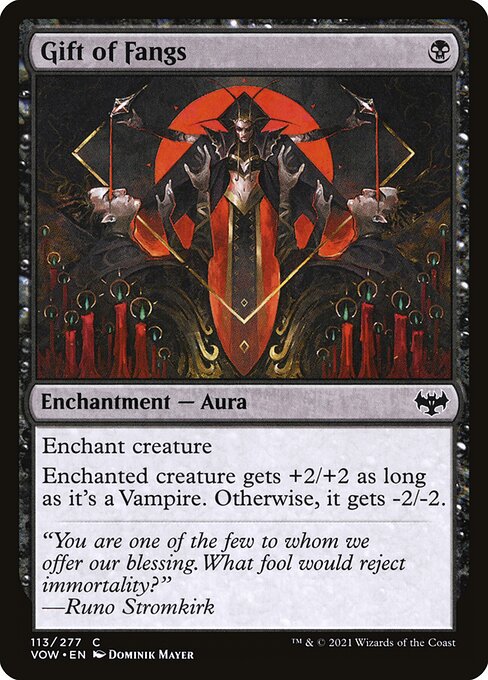
Gift of Fangs
-
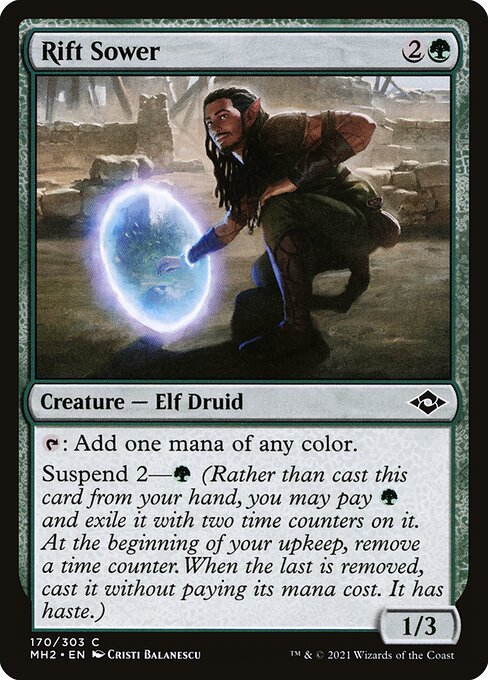
Rift Sower
Gameplay Summary
The Pauper Commander game featured four players piloting unique decks with distinct strategies, leading to an engaging and dynamic multiplayer game.
Early turns focused on ramping mana and establishing board presence, with players deploying low-cost creatures and artifacts to set up their respective strategies.
Targ Nar's deck aimed to leverage combat damage by boosting attacking creatures, while the Chakram Slinger/Retriever pairing focused on untapping creatures to generate card advantage and repeated activations.
Glaring Fleshraker's player built a colorless Eldrazi-themed deck, generating tokens and pinging opponents with incremental damage.
The Vampire Socialite deck looked to build a synergistic vampire army, growing creatures with +1/+1 counters triggered by opponents losing life. As the game progressed, key interactions emerged such as the Master Chef enchantment adding counters to creatures, increasing the power of aggressive attackers.
The Chakram combo threatened infinite untaps with the right pieces, though it appeared more as a long-term win condition rather than an immediate threat.
Glaring Fleshraker steadily inflicted damage through token generation and ping effects, pressuring all opponents simultaneously.
The Vampire Socialite deck showcased its potential to snowball as it grew larger vampire threats with each opponent's life loss.
Defensive plays like Scorpion with deathtouch and strategic blocking helped delay damage, but the overall tempo favored aggressive board states.
The game featured several key moments including tactical plays involving chromatic star for card draw and mana fixing, and careful resource management around activation costs and timing.
Ultimately, the gameplay revolved around each deck’s core mechanics pushing towards either combat damage or incremental advantage to close out the game.