Deck & Commander Strategies
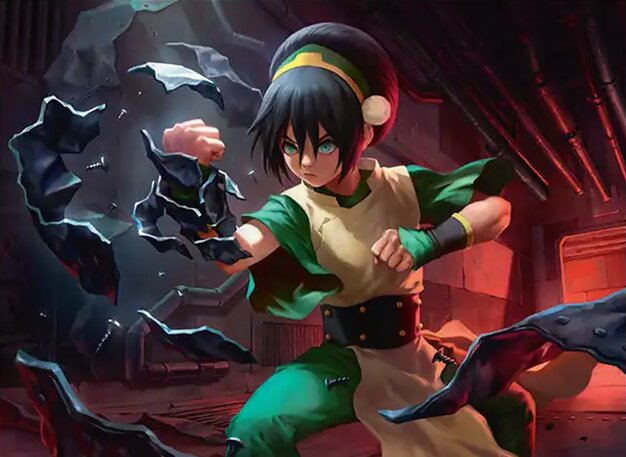
Toph, the First Metalbender
Transforms artifacts into creatures and uses earthbend activations to repeatedly animate and attack with these artifact creatures, aiming to overwhelm opponents with artifact-based threats.

Hei Bai, Forest Guardian
Focuses on enchantments and shrine cards, generating spirit tokens and leveraging shrine synergies to draw cards and control the battlefield with evasive creatures.

Fire Lord Azula
A spell-slinging aggressive deck that copies instant and sorcery spells during combat to draw cards, deal incremental damage, and generate mana, aiming to out-tempo opponents through repeated spell interactions.

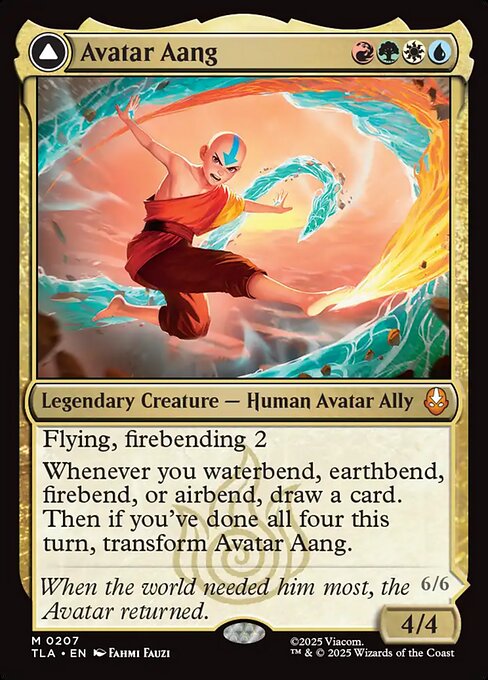
Avatar Aang // Aang, Master of Elements
Combines the four types of bending—water, earth, fire, and air—to draw cards and transform into a stronger form, focusing on versatility and card advantage to control the game.
Gameplay Insights
- 1
Azula’s ability to copy spells cast during attack phases enabled multiple draws and damage triggers, significantly increasing card advantage and combat effectiveness.
- 2
Toph’s repeated earthbend activations on artifacts like commander spheres allowed for continuous resource generation and board presence.
- 3
Hei Bai’s shrine-revealing ability provided scalable card draw through enchantment synergies, supporting sustained board development.
- 4
Avatar Aang’s multi-bend mechanic rewarded diverse spell casting with card draws and eventual transformation, encouraging flexible play and resource management.
- 5
Playing creatures with flash during combat phases maximized Azula’s draw triggers and spell copying, turning combat into a card advantage engine.
Notable Cards
-
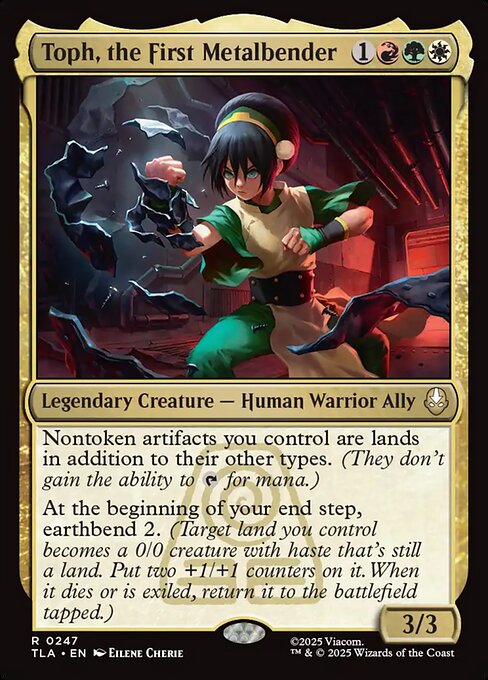
Toph, the First Metalbender
-

Hei Bai, Forest Guardian
-
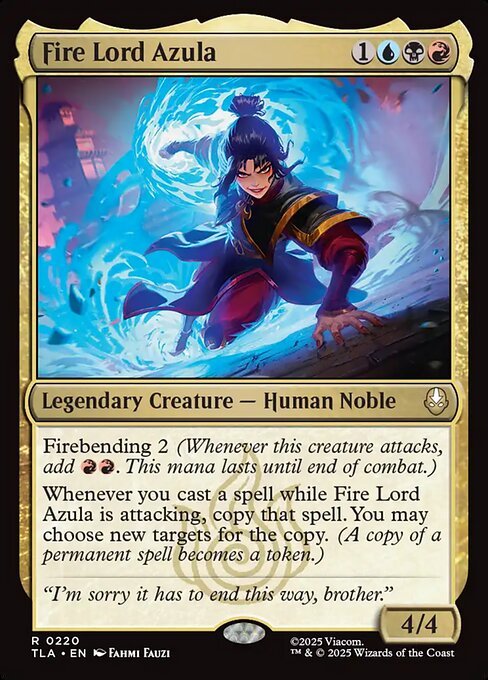
Fire Lord Azula
-
Avatar Aang // Aang, Master of Elements
-
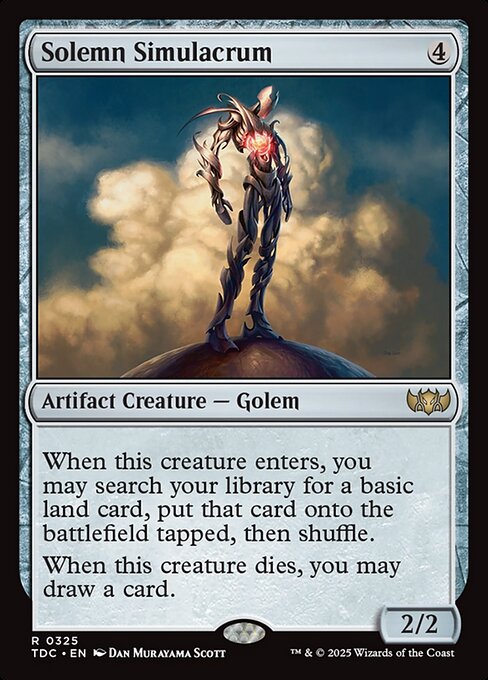
Solemn Simulacrum
-
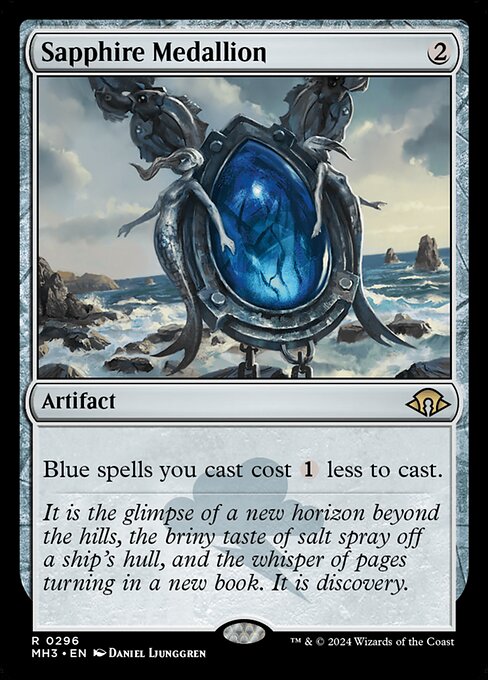
Sapphire Medallion
-
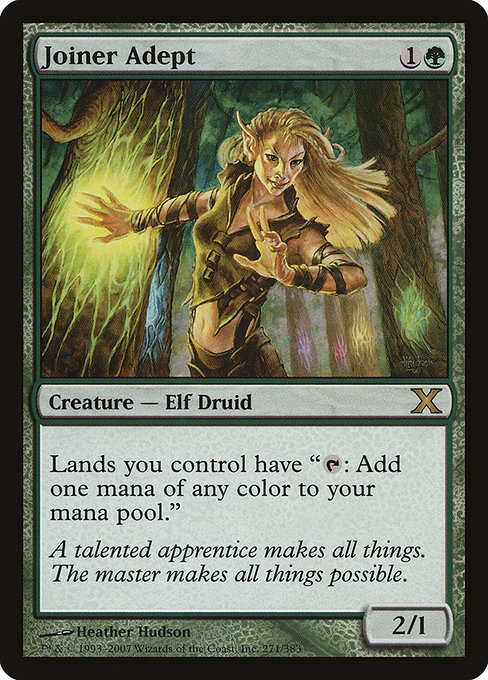
Joiner Adept
-
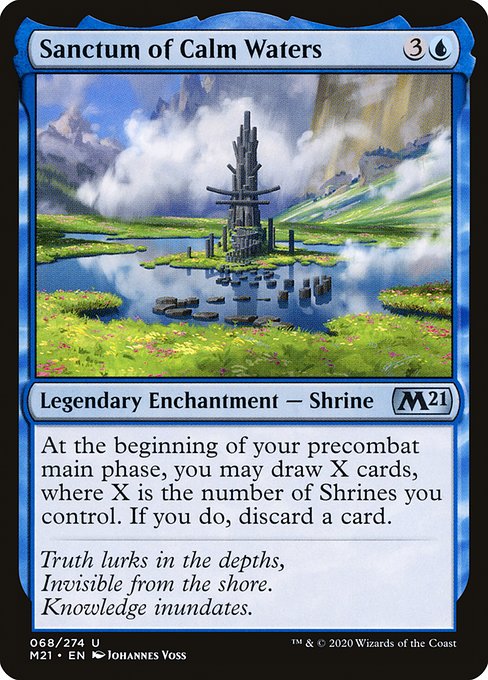
Sanctum of Calm Waters
Gameplay Summary
The game featured four distinct decks led by commanders from the Avatar: The Last Airbender universe, each showcasing unique strategies reflective of their theme.
Early turns saw players establishing their mana bases and developing board presence.
Toph, the First Metalbender leveraged her ability to transform artifacts into creatures, setting up a steady stream of threats with earthbending mechanics.
Meanwhile, Hei Bai, Forest Guardian focused on enchantments and shrine synergies, generating spirit tokens and drawing cards through continuous shrine reveals. Fire Lord Azula brought a spell-slinging approach, capitalizing on casting spells during combat to copy spells and draw cards, exemplified by clever plays with creatures like Urbasque to trigger additional damage and mana generation.
Avatar Aang aimed to perform each bending type to draw cards and eventually transform into a more powerful form, setting up a versatile and reactive game plan.
Key turning points included Azula’s combat-phase spell copying that allowed card draw and damage, and Toph’s recurring earthbend activations to maintain pressure.
The game progressed with players balancing board development, card advantage, and tactical combat decisions, with the elemental bending themes strongly influencing each deck’s interactions and win conditions.