Deck & Commander Strategies

Denzilore Fatehold
Utilizes scry and surveil mechanics to place +1/+1 counters on creatures, growing a board of evasive threats that overwhelm opponents with size and evasion.

Ingris Stingerquill
Focuses on a go-wide strategy with flying creatures that trigger incremental damage to each opponent whenever creatures attack, steadily lowering opponents' life totals.

Uldaros Theorix
Leverages graveyard recursion to cast multiple creatures from the graveyard, including clones, generating value and enabling cascade-like chains to control the board and deal damage.

Ghalta the Immovable
Aims to deploy very tough creatures that deal damage equal to their toughness and reduce the cost of the commander, overwhelming opponents with large threats.
Gameplay Insights
- 1
Utilizing surveil and scry to grow creatures and draw into synergy pieces was key for Denzilore Fatehold’s board development.
- 2
Ingris Stingerquill’s incremental damage triggers on attacking creatures pressured opponents consistently, forcing them to respond to multiple small threats.
- 3
Bill’s use of reanimation with Syr Konrad, the Grim introduced a source of direct damage triggered by creatures dying or leaving the graveyard, adding a layer of punishment for opponents’ board wipes or creature losses.
- 4
The ability of Uldaros Theorix to cast multiple creatures from the graveyard, including cloning the commander itself, created a cascade effect that could rapidly shift board states and generate value.
- 5
Ghalta’s strategy of deploying creatures with high toughness and reducing the commander’s cost allowed for efficient deployment of large threats capable of closing the game quickly.
Notable Cards
-
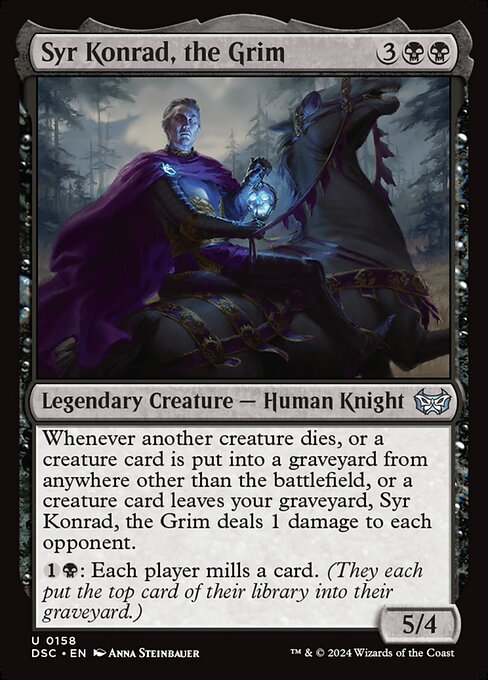
Syr Konrad, the Grim
-

Paradox Shaper // Omit Variables
-
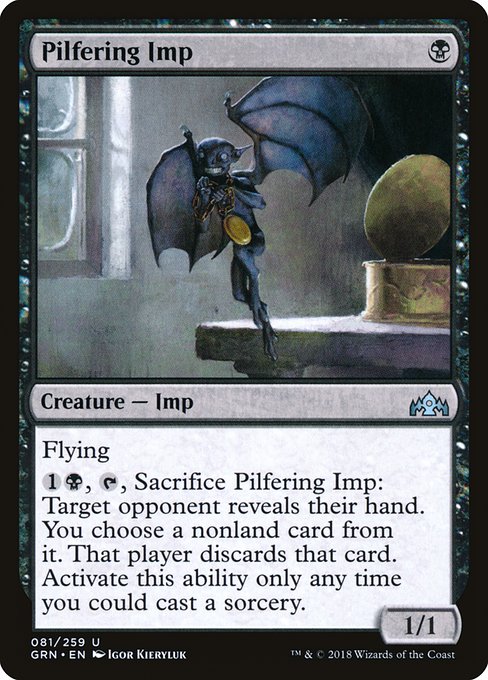
Pilfering Imp
-
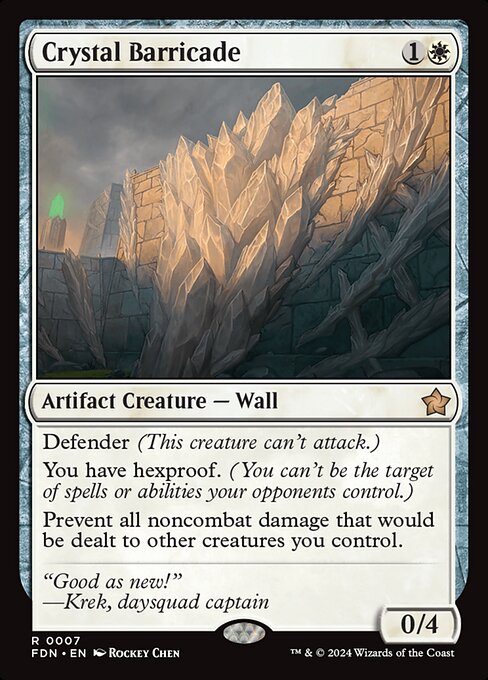
Crystal Barricade
-

Gleaming Bastion
-

Fellwar Stone
-
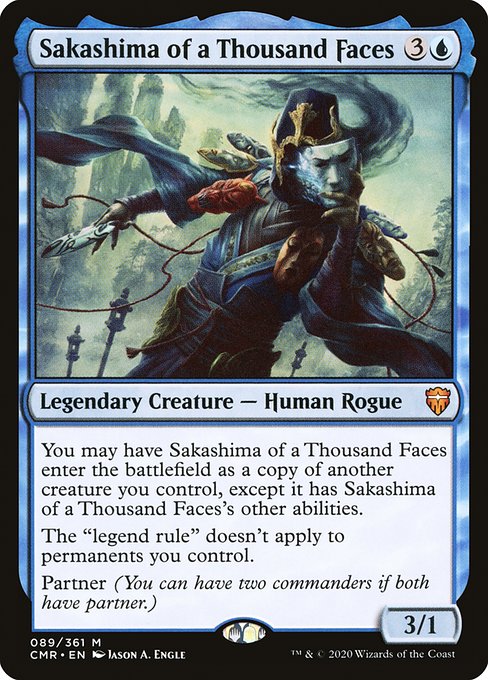
Sakashima of a Thousand Faces
-
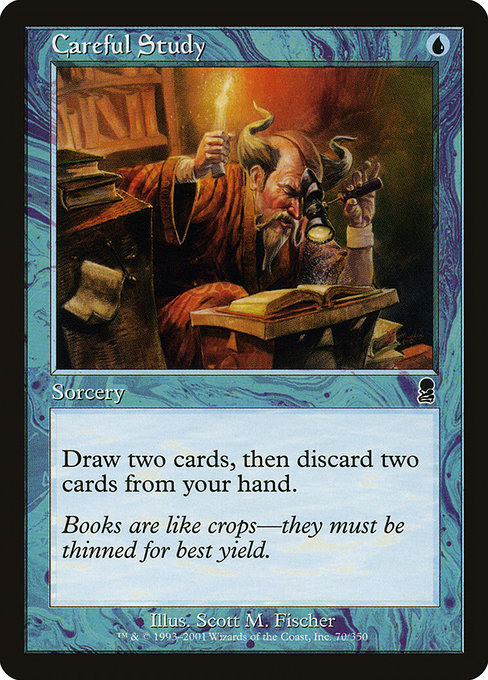
Careful Study
Gameplay Summary
The game began with each player developing their board and setting up their strategies centered around their unique commanders.
Jim's Denzilore Fatehold deck focused on scrying and surveilling to grow creatures with +1/+1 counters, aiming to overwhelm opponents with large evasive threats.
Elliot piloted Ingris Stingerquill, emphasizing a go-wide flying strategy with small evasive creatures that deal incremental damage to opponents each attack.
Bill's Uldaros Theorix deck played a graveyard-centric control style, casting creatures from the graveyard to generate value and copy effects, including a reanimation of Syr Konrad, the Grim to chip away at opponents' life totals.
Alex's Ghalta the Immovable deck aimed to leverage toughness-based damage from large creatures and reduce the cost of the commander to deploy threats efficiently. Early combat phases saw Ingris Stingerquill’s strategy dealing consistent damage through multiple triggers, pressuring opponents while Bill's graveyard recursion enabled timely reanimation plays that punished others with damage triggers from dying creatures.
Alex developed a defensive board with walls and prepared to flood the board with tough creatures that could close the game by dealing damage equal to their high toughness.
The dynamic between Ghalta’s big creatures, Fatehold’s counter synergy, and Theorix’s graveyard recursion created complex interactions, with damage being dealt not only through combat but also via triggered abilities tied to creatures entering or leaving the battlefield.
The game’s turning points included the activation of reanimation spells and synergy triggers from surveil and scry effects that increased creature size or created tokens, steadily escalating board presence and damage output toward a decisive finish.