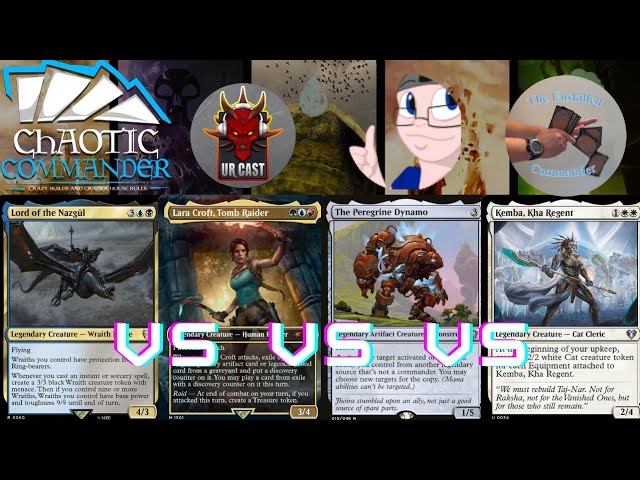
Deck & Commander Strategies
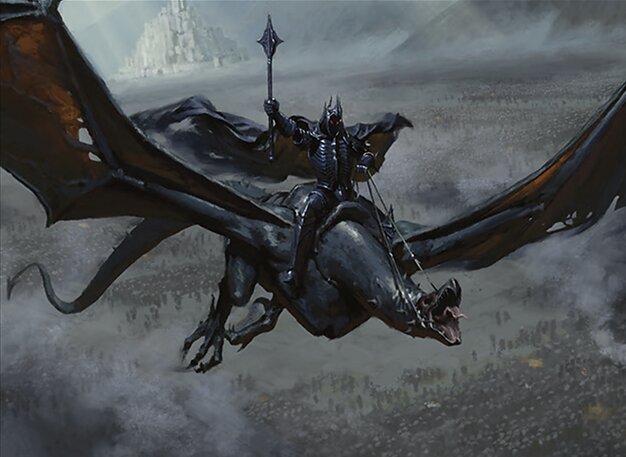
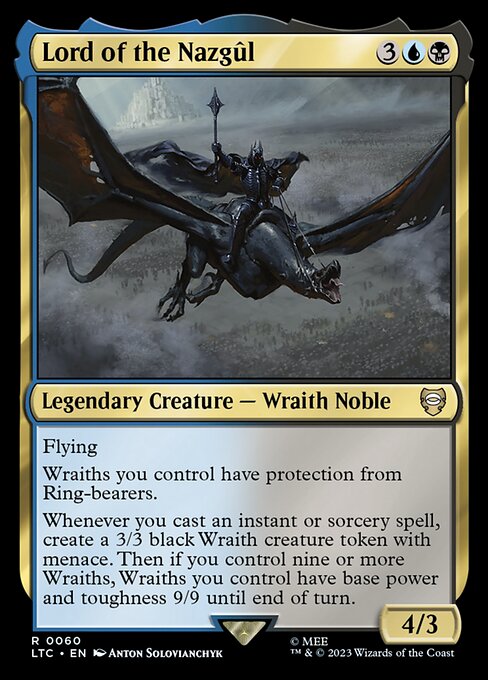
Lord of the Nazgûl
Flood the board with wraith tokens generated from cheap instants and sorceries, then overwhelm opponents through wide attacks and reactive interaction including counterspells.
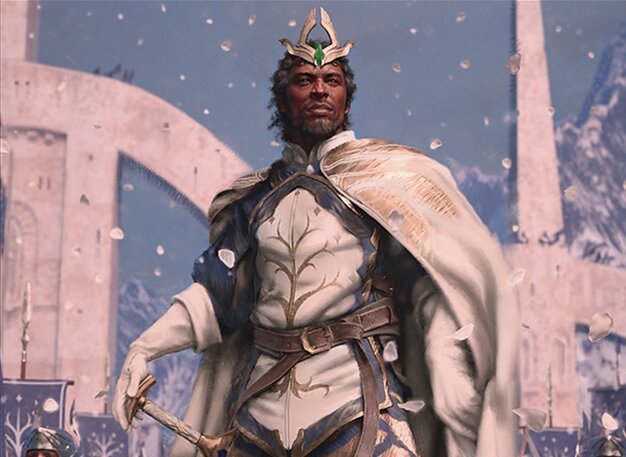
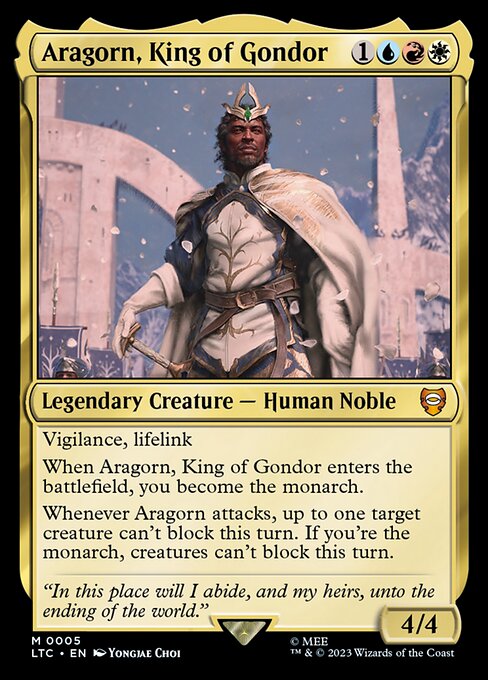
Aragorn, King of Gondor
Utilize legendary synergies and tribal support to gain incremental advantage and board presence, focusing on resilient creatures and steady value.

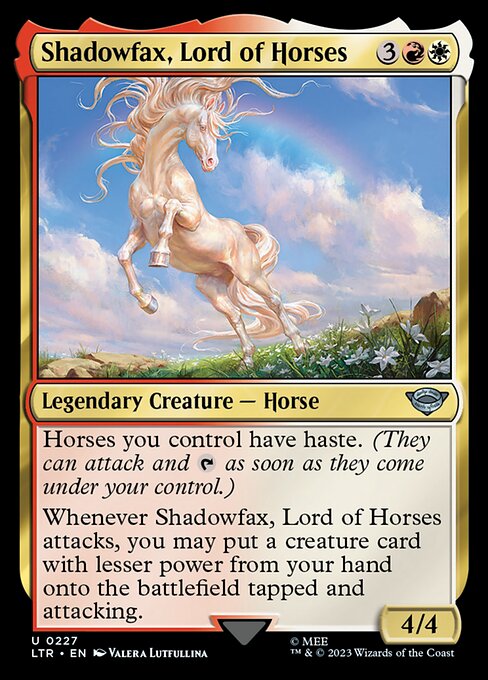
Shadowfax, Lord of Horses
Maximize haste and speed with equipment and stat boosts to attack quickly, while employing disruption to slow down opponents and maintain tempo superiority.

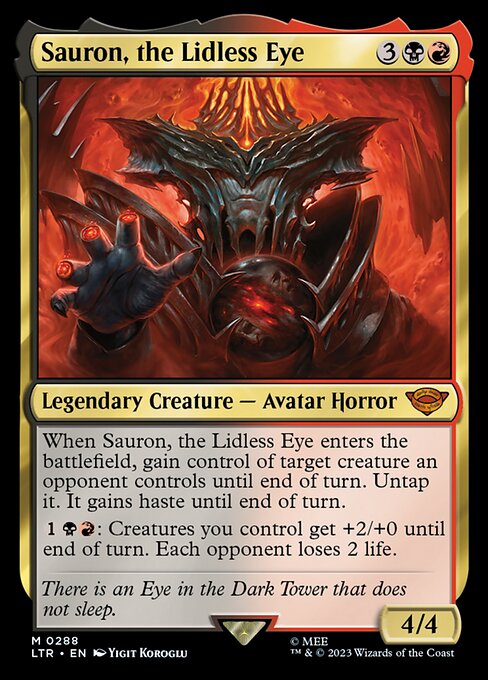
Sauron, the Lidless Eye
Leverage rituals and sacrifice outlets to generate value, then use board-wide buffs and life-draining effects to weaken opponents and dominate the game.
Gameplay Insights
- 1
Lord of the Nazgûl player prioritized cheap instants and sorceries to flood the board with tokens early and maintain pressure with counterspells.
- 2
Shadowfax's pilot used haste effects and equipment like Horn of the Mark to accelerate aggression and disrupt opponents' tempo.
- 3
Sauron’s deck combined life-draining board buffs with sacrifice outlets to control the board and sustain advantage.
- 4
Aragorn's incremental value through legendary synergies and card draw helped stabilize against token swarms and aggressive attacks.
- 5
Early attacks were focused on reducing life totals quickly to open paths for bigger plays later in the game.
- 6
Players carefully balanced ramp and interaction spells to avoid falling behind on board presence or card advantage.
Notable Cards
-
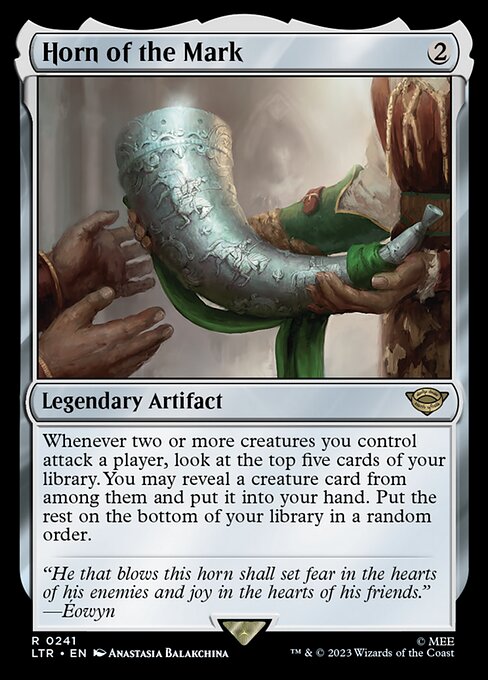
Horn of the Mark
-
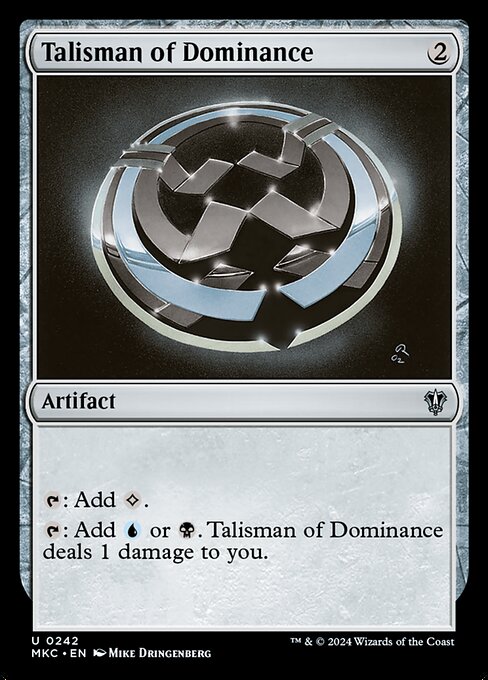
Talisman of Dominance
-
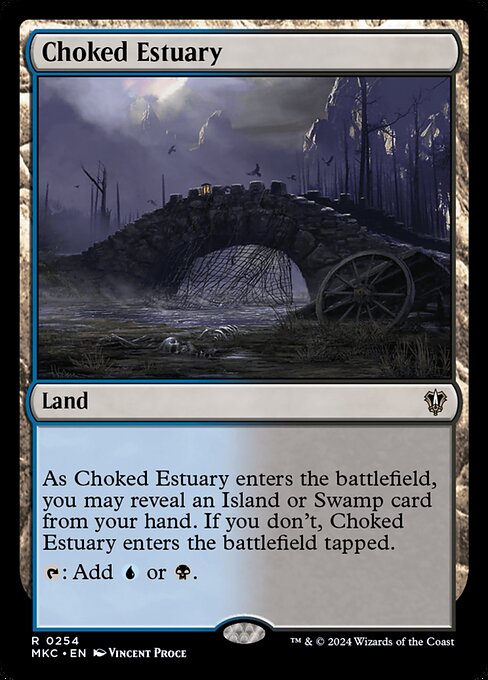
Choked Estuary
-

Exotic Orchard
Gameplay Summary
The game began with all four commanders quickly establishing their presence on the board, with early plays including ramp spells and token generation.
Lord of the Nazgûl's player focused on creating a wide board of wraith tokens through cheap instants and sorceries, aiming to swarm opponents and gain value from sacrificing creatures.
Meanwhile, Aragorn, King of Gondor, sought to leverage his abilities for both defense and incremental card advantage, relying on legendary synergy and tribal support.
Shadowfax, Lord of Horses' pilot aimed to maximize haste and speed, utilizing stat-boosting equipment and controlling the pace by slowing opponents down to maintain an aggressive tempo.
Sauron, the Lidless Eye, combined value-oriented rituals, sacrifice outlets, and powerful legendary creatures to outlast others and drain life with board-wide buff effects. Key turning points emerged when players began interacting heavily with each other's boards, trying to control commanders and creatures, as well as employing counterspells and removal to disrupt combos and token swarms.
The Nazgûl deck's strategy to flood the board with tokens and capitalize on cheap interaction created pressure but faced resistance from Shadowfax's haste-driven assaults and Sauron's life-draining board buffs.
Aragorn's steady buildup and ability to gain incremental advantage added complexity to the board state.
The game featured tactical decisions around land drops, creature attacks, and timely use of equipment and spells to swing momentum.
Ultimately, the game revolved around managing tempo while navigating each deck's unique win conditions, with combat and resource denial playing pivotal roles.