

Deck & Commander Strategies

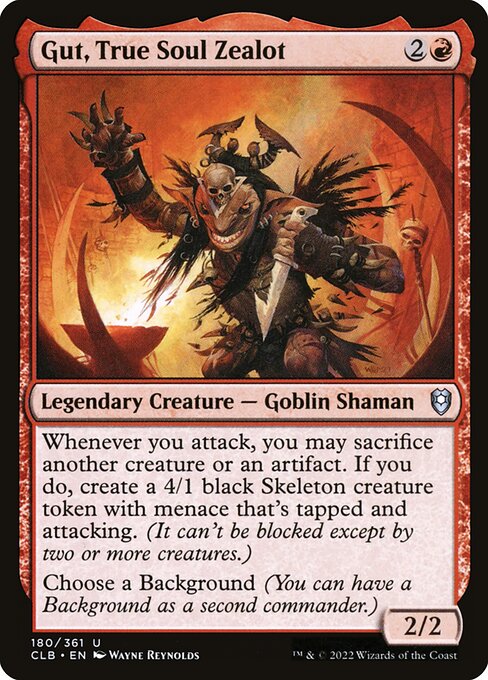
Gut, True Soul Zealot
Generate a large number of tokens to overwhelm opponents, using synergy with other creatures to maintain board presence and pressure opponents through incremental damage and value.

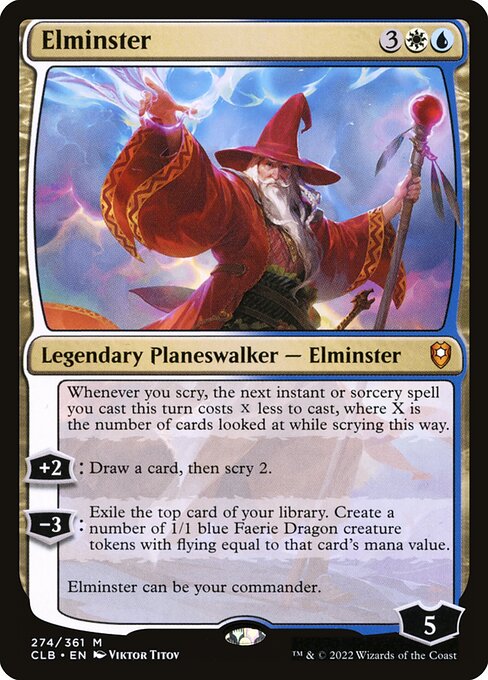
Elminster
Utilize control elements and card advantage to manage the board and outlast aggressive token strategies, setting up for a powerful late-game finish through efficient removal and value generation.
Gameplay Insights
- 1
The token deck prioritized early and continuous token production to maintain pressure, forcing Elminster to use limited removal resources carefully.
- 2
Elminster’s strategic use of board wipes at critical junctures helped reset the board, but the token deck’s resilience allowed it to quickly recover and continue aggression.
- 3
Timing removal and card advantage spells was essential for Elminster to stabilize and find windows to turn the game in his favor against overwhelming token numbers.
Gameplay Summary
The match featured a clash between Gut, True Soul Zealot's token-centric strategy and Elminster's control and value-based gameplay.
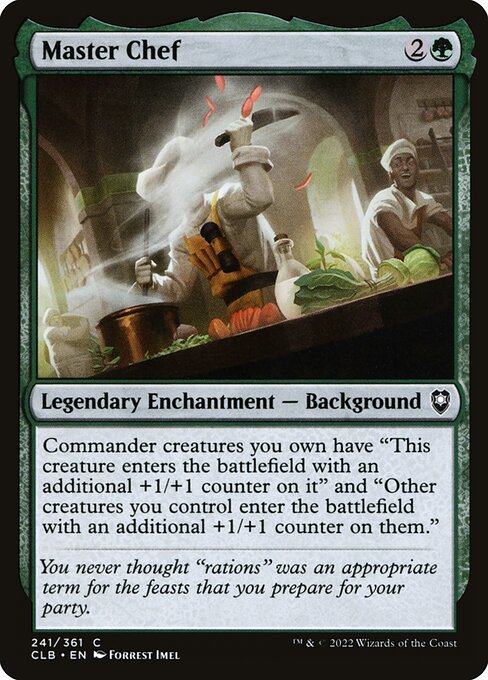
Gut+Green focused on creating a wide board presence with numerous tokens, leveraging synergies to overwhelm opponents through sheer numbers and incremental value.
Elminster, on the other hand, aimed to stabilize the board with efficient removal and card advantage, seeking to outlast the token swarm while setting up for a decisive late-game advantage. Throughout the games, the token player aggressively deployed creatures and token generators, forcing Elminster to make tough decisions about when and how to use board wipes and spot removal.
Key turning points included moments where board clears reset Gut+Green’s momentum, yet the token deck’s resilience and ability to rebuild quickly kept the pressure on.
Ultimately, the token strategy aimed to win through attrition and overwhelming force, while Elminster sought to capitalize on card advantage and selective threats to regain control and finish the game.


