

Deck & Commander Strategies

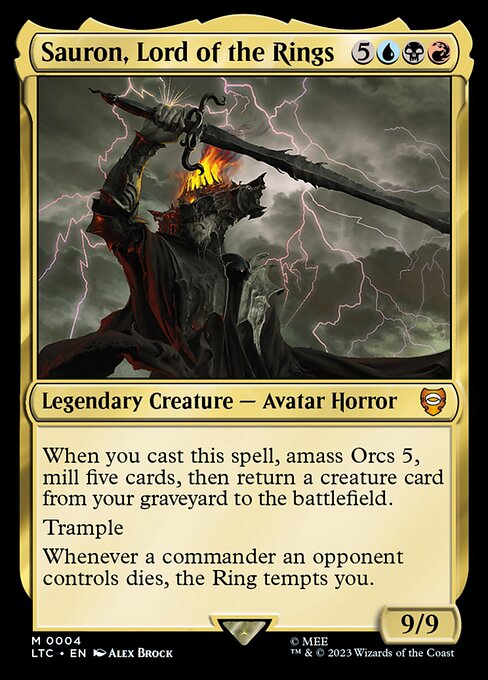
Sauron, Lord of the Rings
Ramp mana, draw cards through spells and creatures like Beast Whisperer, then apply pressure with a large trampling commander and synergistic board control to dominate the late game.
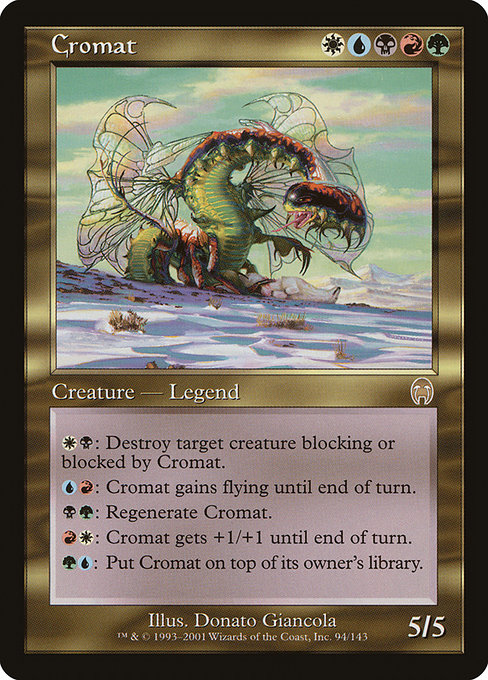
Chromat
Utilize mutate mechanics to stack multiple triggers, gaining value from diverse creature abilities and establishing a versatile board presence with powerful creatures.
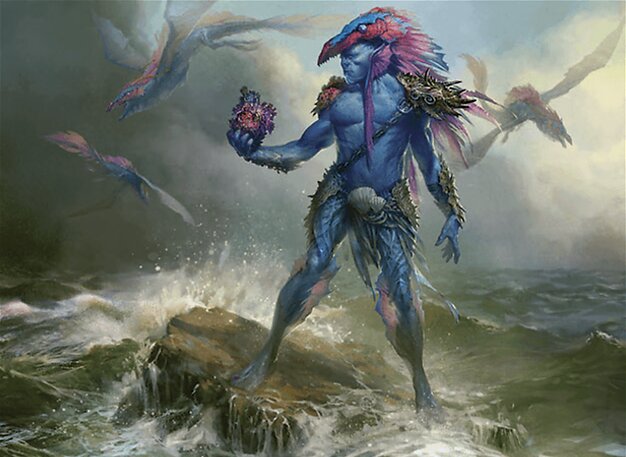
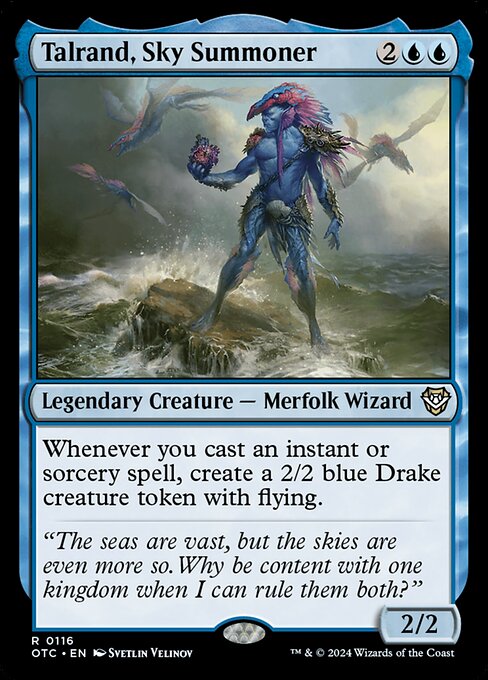
Talrand, Sky Summoner
Cast instants and sorceries to generate Drake tokens, while ramping and reducing creature costs with cards like Anamar to flood the board and overwhelm opponents with flying threats.
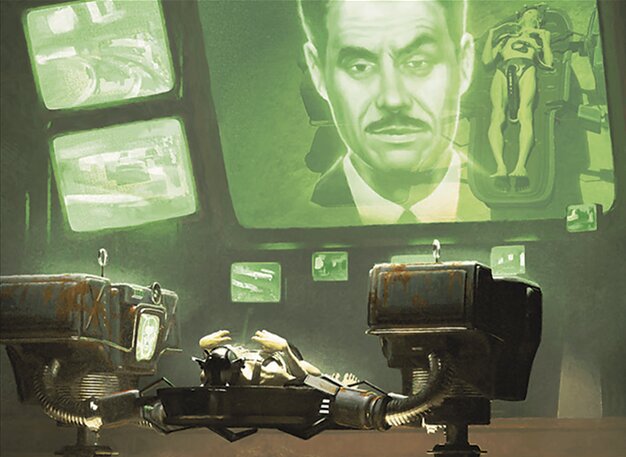
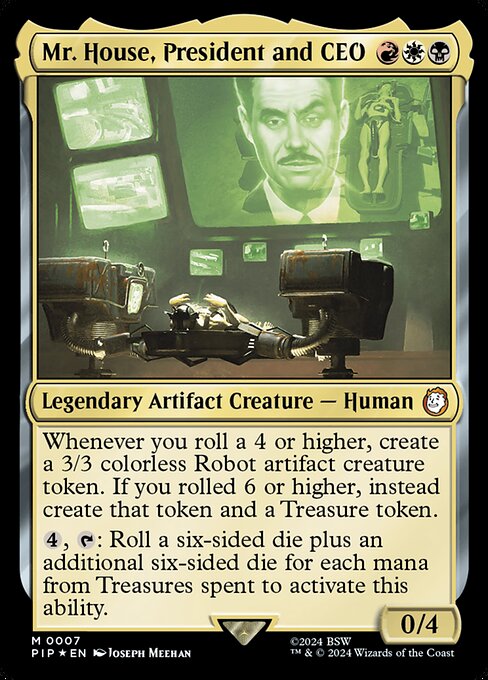
Mr. House, President and CEO
Leverage dice rolling and treasure token generation to produce artifact creatures and mana acceleration, enabling repeated activations and consistent board development.
Gameplay Insights
- 1
Using Cryptic Command to counter Fact or Fiction and bounce Ristic Study disrupted a key card draw engine, showcasing how interaction can delay opponents' card advantage.
- 2
Playing Animar, Soul of the Elements to reduce creature casting costs created a powerful synergy with Baba Elder, enabling faster board development and larger creatures.
- 3
The synergy between treasure generation from Mr. House's ability and mana acceleration allowed for multiple dice rolls and artifact tokens, steadily increasing board presence.
- 4
Wingdings utilized Kinder Discovery to trigger card draw from creature ETB and attacks, maximizing value from tokens generated by Talrand's ability.
- 5
Players leveraged multiple card draw engines (Ristic Study, Beast Whisperer, Mystic Tutor) to maintain a full hand and options, critical in a high-powered environment.
Notable Cards
-
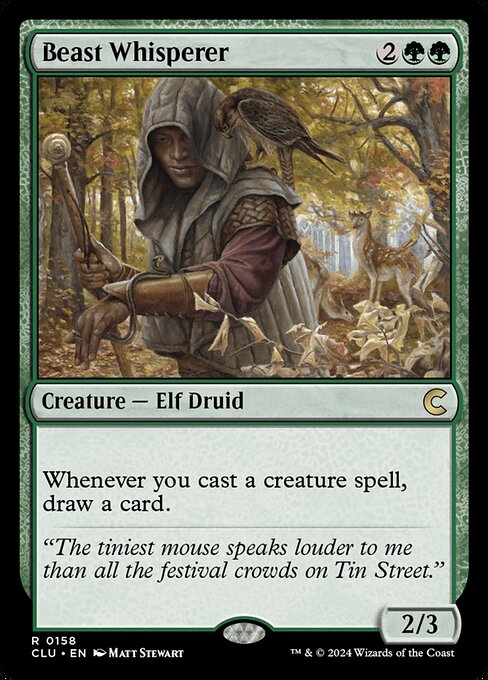
Beast Whisperer
-
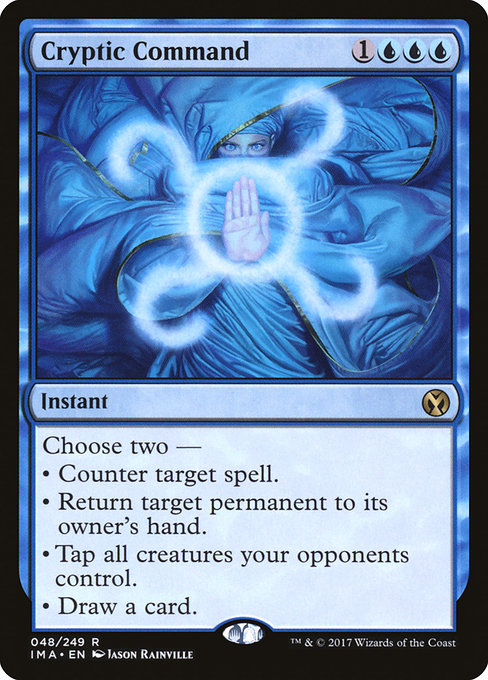
Cryptic Command
-

Fact or Fiction
-
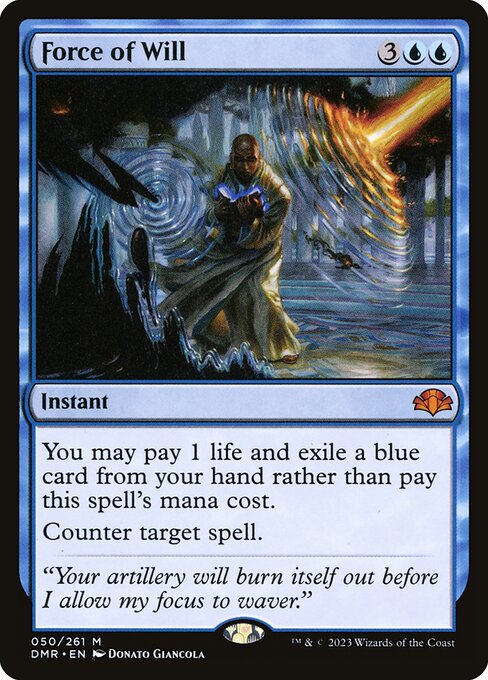
Force of Will
-
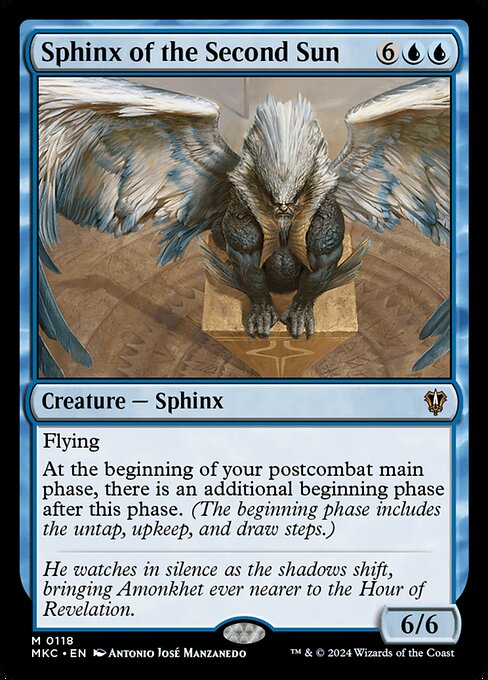
Sphinx of the Second Sun
-
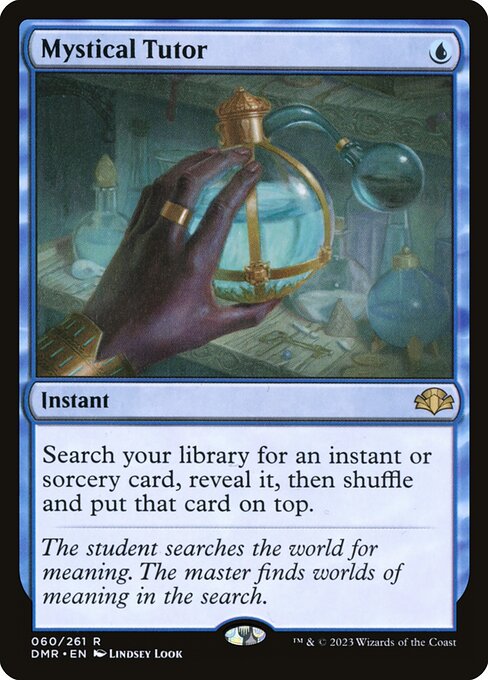
Mystical Tutor
-
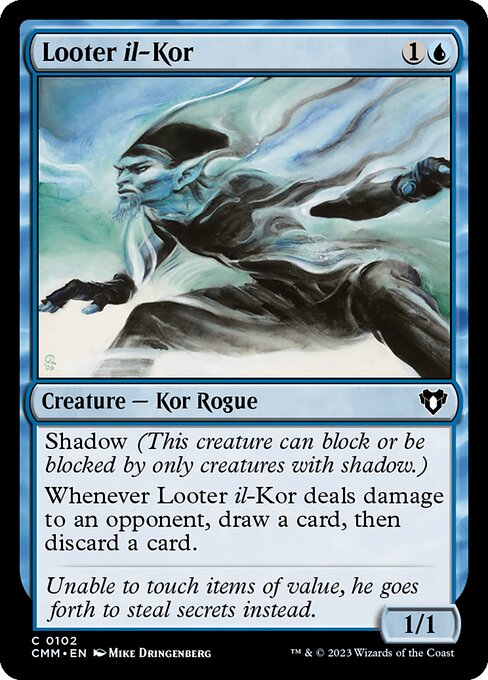
Looter il-Kor
Gameplay Summary
The game began with all players developing their mana bases and early board presence, with each pilot deploying key ramp and utility lands alongside card draw engines.
King Luke, piloting Sauron, focused on building up mana and drawing cards while maintaining pressure with creatures like Beast Whisperer and utilizing Ristic Study for card advantage.
Seny Gabe's five-color mutate deck under Chromat aimed to generate multiple mutate triggers and board presence, leveraging powerful creatures and spells for incremental advantage.
Wingdings, playing Talrand, Sky Summoner, utilized a strong token strategy with flying Drakes and instants/sorceries, supported by cards like Anamar, Soul of the Elements to ramp and reduce creature costs.
Colby, with Mr. House, President and CEO, leveraged dice rolling and treasure generation to build board presence and gain incremental advantage through artifact tokens and mana acceleration. A pivotal moment occurred when Wingdings used a Cryptic Command to counter a Fact or Fiction, bouncing Ristic Study back to hand, disrupting card draw synergy momentarily.
Despite this, the token generation and card draw engines kept the game fluid.
Seny Gabe's board presence grew with creatures like Baba Elder and Animar, setting up for explosive turns by reducing spell costs and generating large creatures.
Colby’s dice-rolling artifact synergy allowed steady treasure and token creation, aiding in sustained pressure.
The game revolved around balancing board development, maintaining card advantage through draw engines, and tactical interaction, with players readying to leverage their commanders' unique synergies to close out the match.








![Commander Vs S2E1: Horde vs Cromat vs Atogatog vs Progenitus [MTG: Multiplayer] thumbnail](https://i.ytimg.com/vi/zeQvGYqjMGI/sddefault.jpg)


