

Deck & Commander Strategies

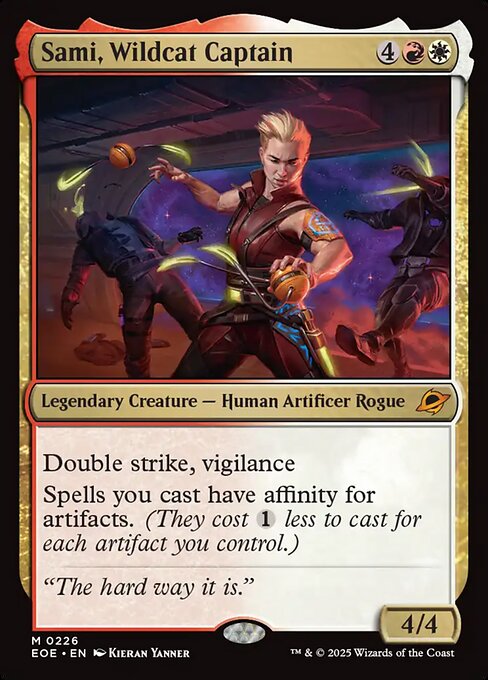
Sami, Wildcat Captain
Builds an artifact-heavy board to utilize affinity for artifacts, enabling cheap spells, card draws, and aggressive equipment-based combat to overwhelm opponents.

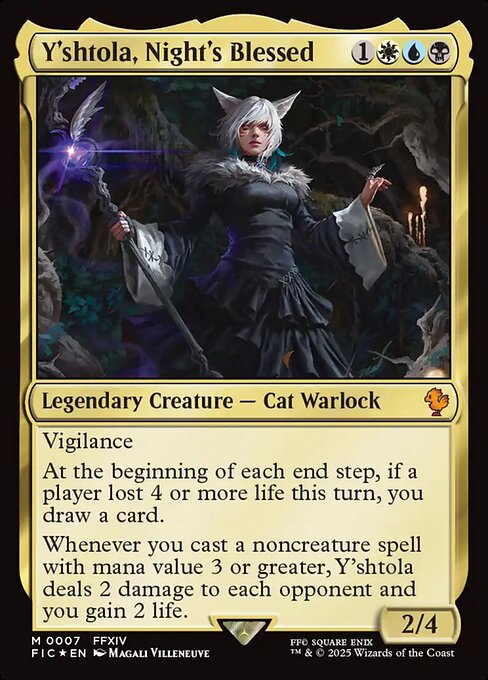
Y'shtola, Night's Blessed
Control-oriented deck focusing on slowing the game through value generation, disruption, and taxing opponents' spells with snow lands to dominate the late game.
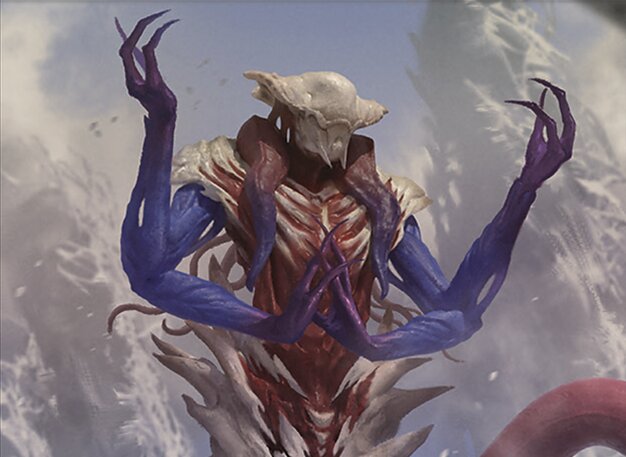
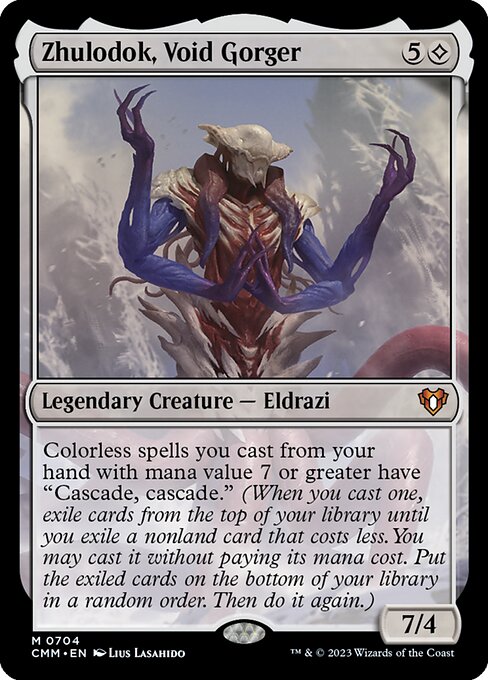
Zhulodok, Void Gorger
Leverages combat damage to draw cards and create multiple snake tokens, aiming to flood the board and out-value opponents through token synergy.
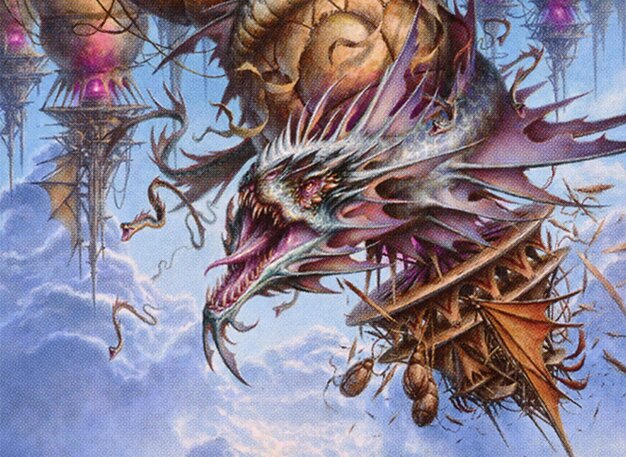
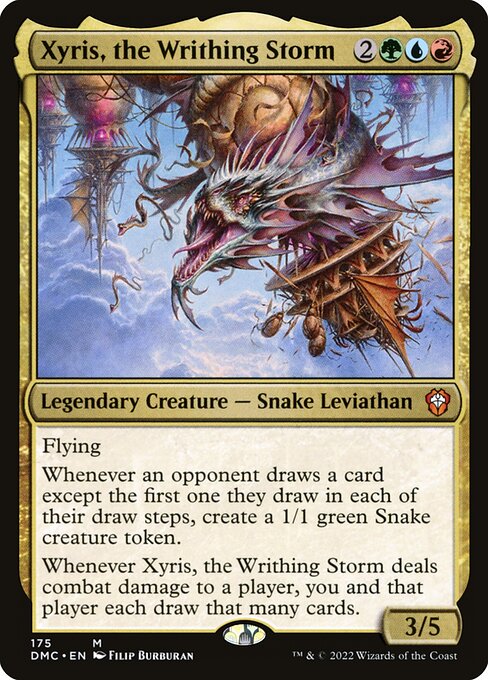
Xyris, the Writhing Storm
Focuses on drawing cards triggered by opponents’ draws and dealing combat damage to create snakes, building a large board of tokens and card advantage for a late-game win.
Gameplay Insights
- 1
The artifact player prioritized equipping creatures with Skullclamp and Adaptive Automaton to maximize card draw and board presence early.
- 2
The control deck used snow lands and Redain, God of the Worthy to tax opponents’ high-cost non-creature spells, effectively slowing down Eldrazi ramp.
- 3
Zhulodok's player accelerated token production by repeatedly dealing combat damage with Xyris and transforming Growing Rites of Itlimoc to enhance their army.
- 4
Players debated targeting the snake deck due to its growing threat, showcasing the politics common in multiplayer EDH games.
- 5
Mystic Forge was used to cheat artifacts into play and maintain a strong board presence, highlighting the artifact deck’s combo potential.
Notable Cards
-
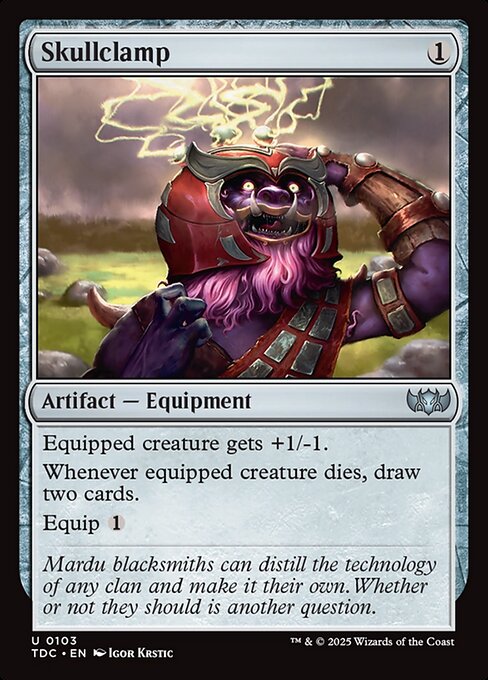
Skullclamp
-
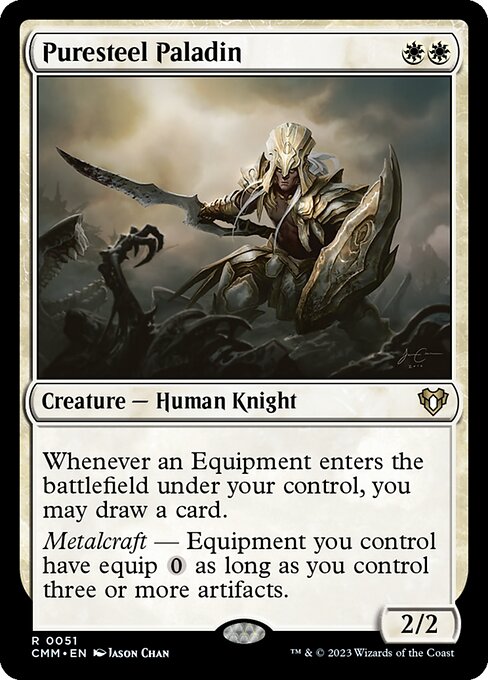
Puresteel Paladin
-
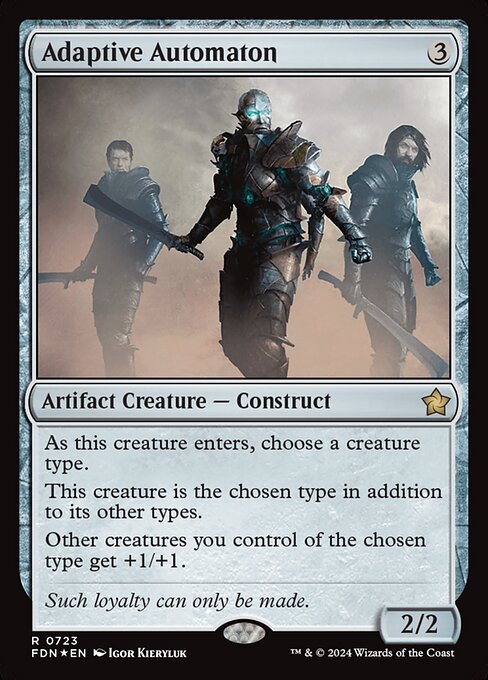
Adaptive Automaton
-
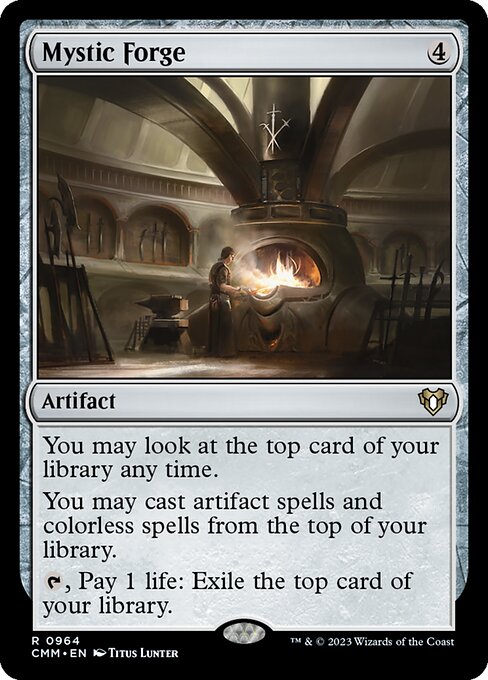
Mystic Forge
-
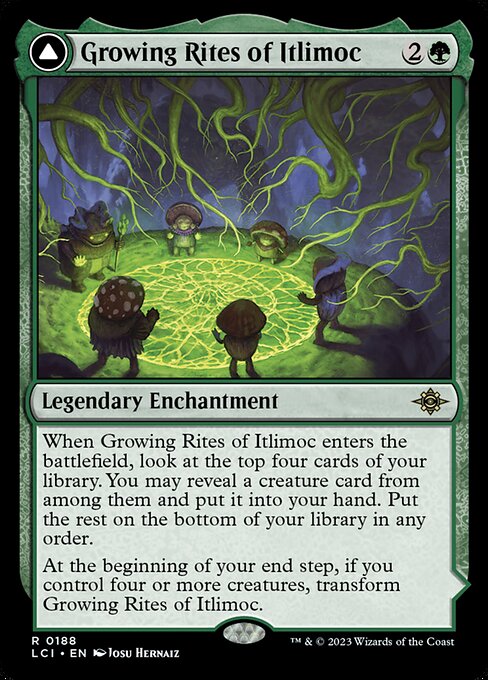
Growing Rites of Itlimoc // Itlimoc, Cradle of the Sun
-
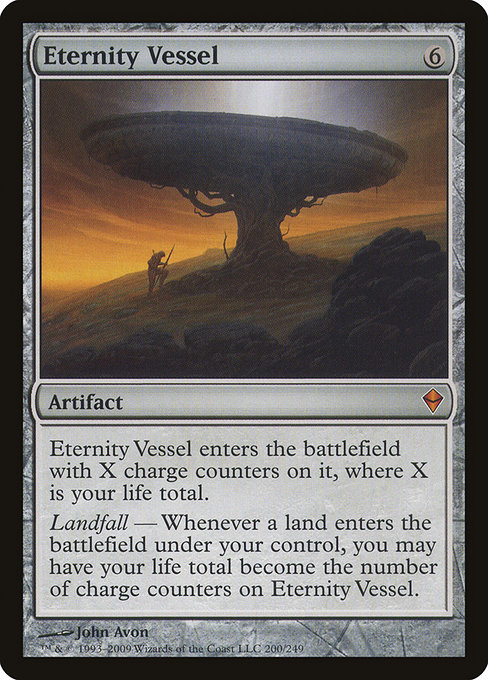
Eternity Vessel
Gameplay Summary
The game began with a typical slow ramp and artifact setup from the players, with the Sami Wildcat Captain deck focusing on building an artifact-heavy board to boost its affinity and card draw.
The Esper control deck helmed by Y'shtola aimed to slow the game down and accumulate value over time, deploying control elements and snow lands to hinder opponents.
Meanwhile, Zhulodok's snake tribal strategy centered on generating multiple snake tokens through combat damage and card draw synergies, while Xyris, the Writhing Storm, sought to leverage card draw triggers and token production to overwhelm opponents.
Early key plays included the casting of Puresteel Paladin and Adaptive Automaton to rapidly boost the artifact synergy, while the Eldrazi deck tried to ramp into powerful creatures, but was hindered by snow land control elements like Redain, God of the Worthy which taxed non-creature spells with high mana costs.
As the game progressed, the snake deck made significant headway by drawing cards through combat damage and producing a growing army of snake tokens, pressuring other players to target it.
The artifact deck continued to build a threatening board state with equipment like Skullclamp and Mystic Forge to maintain card advantage and board presence.
The control player used disruption and resource denial, including Thoughtknots and other removal, to keep aggressive strategies in check.
The turning point came when the snake deck transformed Growing Rites of Itlimoc, enhancing its token production and card selection, while the artifact deck's equipment made its creatures formidable threats.
The game’s tension increased as players debated whether to gang up on the snake deck or handle the artifact player’s growing board.
The eventual win condition appeared to hinge on overwhelming opponents with either the artifact-enhanced creatures or the multiplying snake tokens, backed by continuous card advantage and control elements.


