

Deck & Commander Strategies

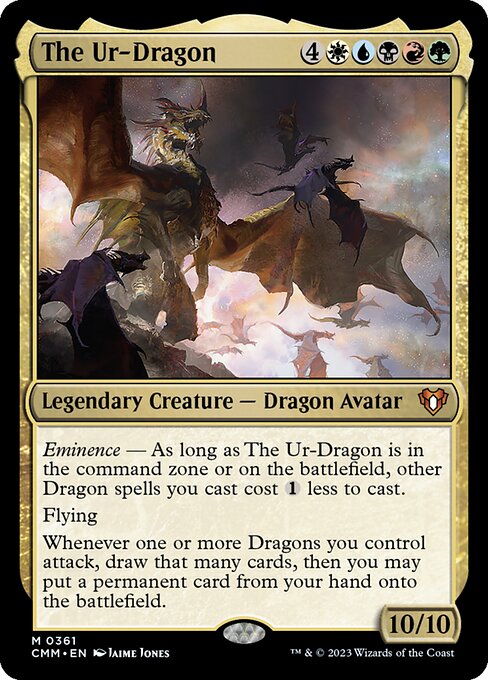
The Ur-Dragon
Focuses on casting powerful dragon creatures by leveraging the commander’s eminence ability to reduce costs and generate value from dragons attacking, aiming to overwhelm opponents with big dragons and card draw.

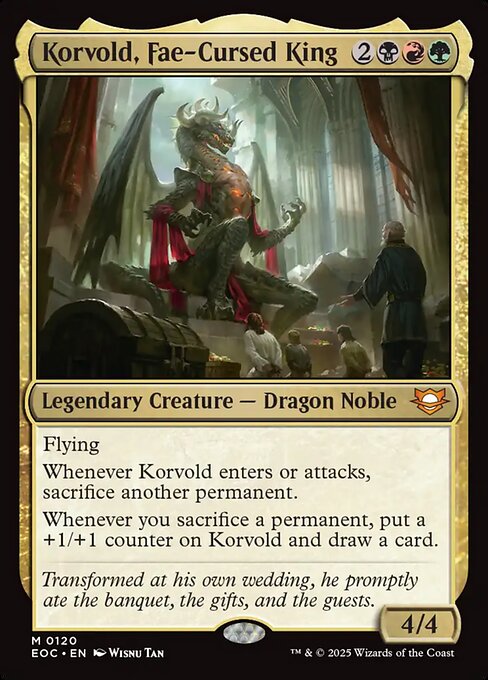
Korvold, Fae-Cursed King
Sacrifices permanents to build up counters and treasures, growing Korvold into a large threat while gaining incremental value from sacrificing artifacts and creatures.

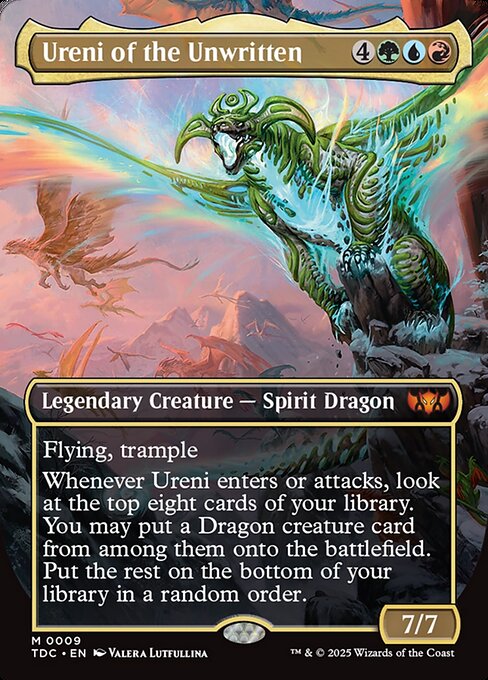
Ureni of the Unwritten
Generates card advantage and board presence by casting dragons and copying spells, focusing on sustained value and synergy with dragon spells.

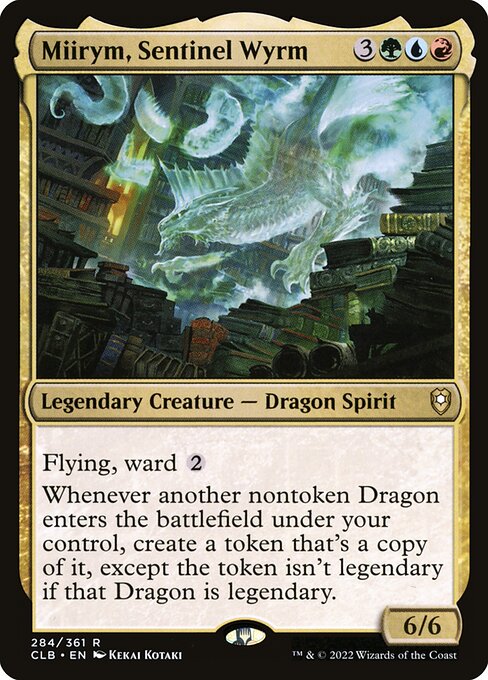
Miirym, Sentinel Wyrm
Creates additional dragon tokens when dragons enter the battlefield, aiming to flood the board with dragons and leverage tribal synergy for overwhelming board presence.
Gameplay Insights
- 1
Leonard’s use of cost reduction effects from The Ur-Dragon’s eminence and Dragonlord Servant allowed him to play powerful dragons earlier, accelerating his board development.
- 2
Johnny’s Abrupt Decay effectively disrupted Becca’s early Sarcon Soul of Flame, slowing her from capitalizing on dragon synergy in the initial turns.
- 3
Becca’s use of Sword of the Animist on Whisperer of the Wilds provided consistent ramp, helping maintain pace despite early removal.
- 4
Players prioritized ramp and setting up board presence before committing to aggressive plays, reflecting a strategic focus on midgame dragon synergies.
- 5
The incremental damage from combat, like Leonard’s Dragonborn Champion triggering card draw, set up a value engine that could snowball once more dragons hit the battlefield.
Notable Cards
-
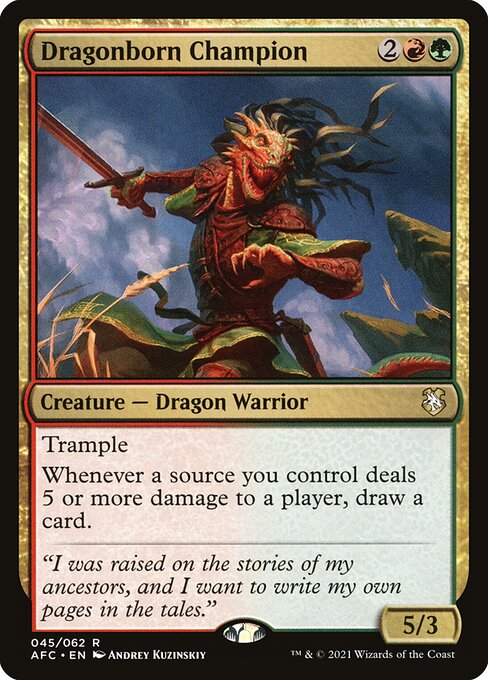
Dragonborn Champion
-
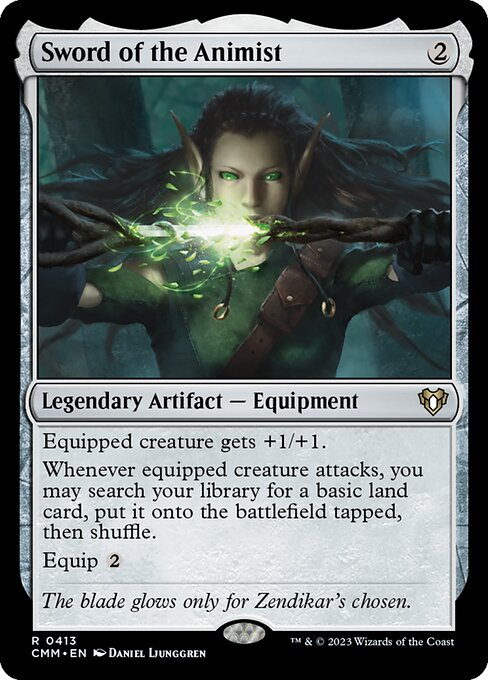
Sword of the Animist
-
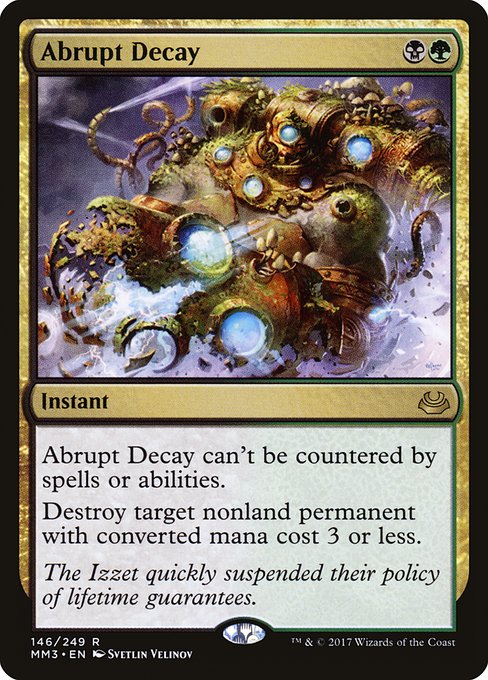
Abrupt Decay
Gameplay Summary
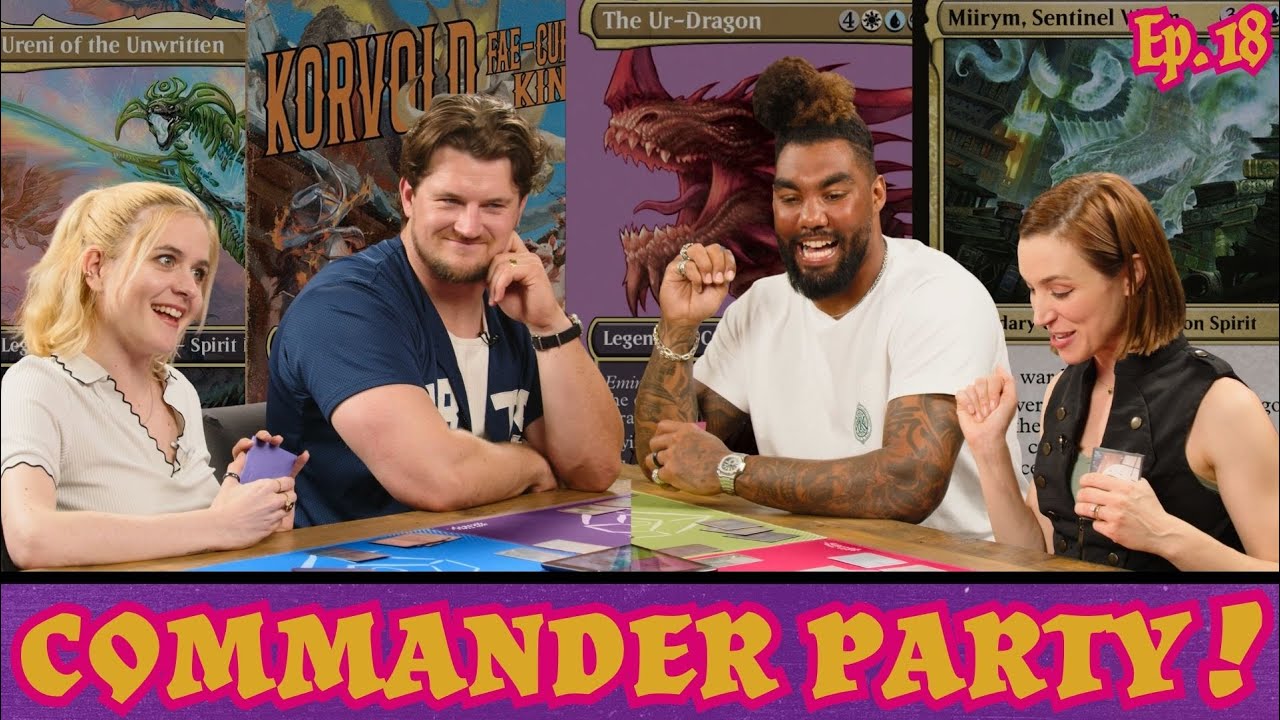
The game started with players establishing their mana bases and ramping cautiously, setting up for a dragon-heavy midgame.
Leonard, commanding The Ur-Dragon, leveraged its eminence ability early to reduce dragon casting costs and cast Dragonborn Champion, drawing cards through combat damage triggers.
Johnny, playing Korvold, Fae-Cursed King, aimed to build counters and treasures by sacrificing permanents, while Becca on Miirym, Sentinel Wyrm focused on generating additional dragons and board presence through her commander’s ability.
Emme on Ureni of the Unwritten prepared to cast dragons to create value and advantage via drawing cards. Early interaction included Johnny using Abrupt Decay to remove Becca’s Sarcon Soul of Flame, slowing her early momentum.
Players traded minor damage and developed their boards conservatively.
Leonard’s combination of Dragonborn Champion and Dragonlord Servant further reduced dragon costs, accelerating his strategy.
Becca used Sword of the Animist to ramp lands, maintaining pace despite early removal.
The gameplay emphasized incremental board development, ramp, and dragon synergy, with key turning points including Johnny’s disruption of Becca’s early threat and Leonard’s efficient dragon casting enabled by cost reduction effects.
The game was shaping up towards a midgame where dragon tokens and big creatures would dominate the board, with win conditions likely revolving around overwhelming opponents with large dragons and card advantage generated through combat and commander abilities.


![Commander Randomizer Part 2 [Commander VS 316] | Magic: the Gathering Commander Gameplay thumbnail](https://i.ytimg.com/vi/okRK1jVYfno/sddefault.jpg)


![Multicolored Legends of Baldur's Gate [Commander VS 295] | Magic: the Gathering Commander Gameplay thumbnail](https://i.ytimg.com/vi/zAq9d0hwHTU/sddefault.jpg)





![Commander VS S17E3: Korvold VS Alela VS Chulane VS Syr Gwyn [Brawl] thumbnail](https://i.ytimg.com/vi/Pa8JzkN1leY/sddefault.jpg)

