Deck & Commander Strategies
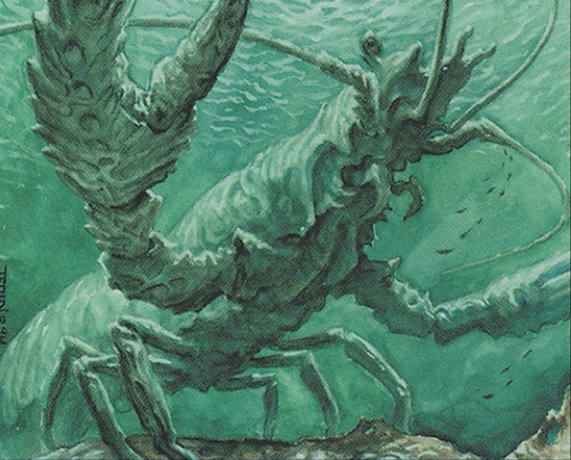
Deep Spawn
Play a large trampling threat that can protect itself in a defensive shell while slowly milling cards. Use incremental buffs and protection to maintain presence and pressure opponents.
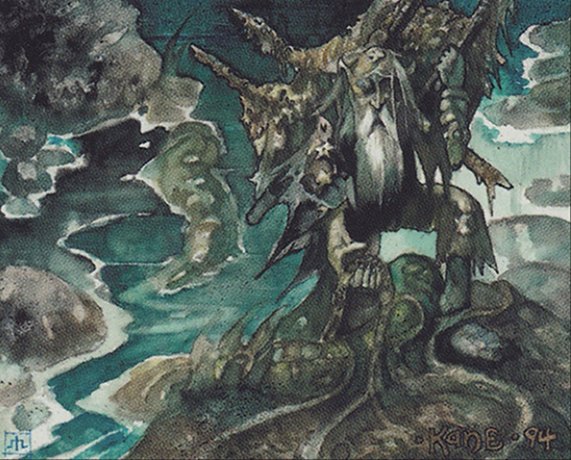
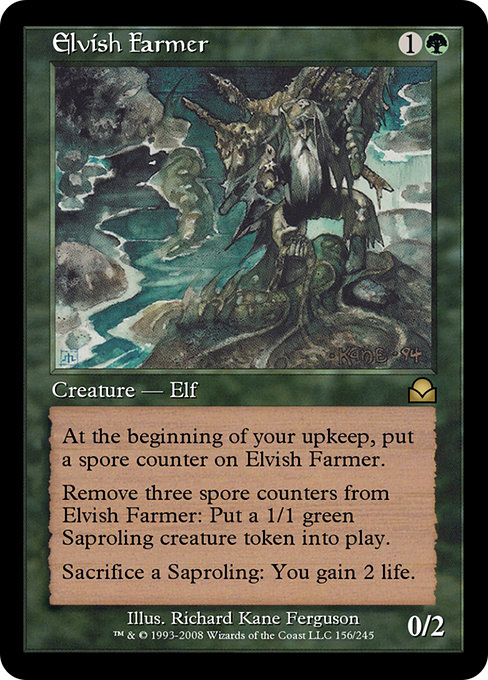
Elvish Farmer
Generate value through token creation and incremental board presence, using counters and gradual creature multiplication to overwhelm opponents.
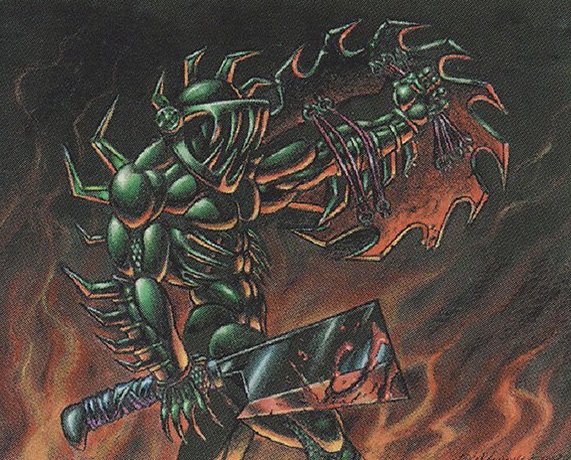
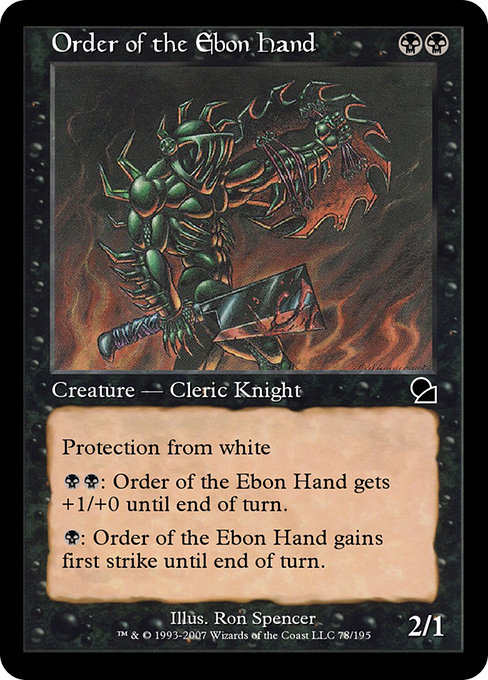
Order of the Ebon Hand
Utilize a small creature with protective abilities and combat buffs to support a slow but steady aggressive board state.

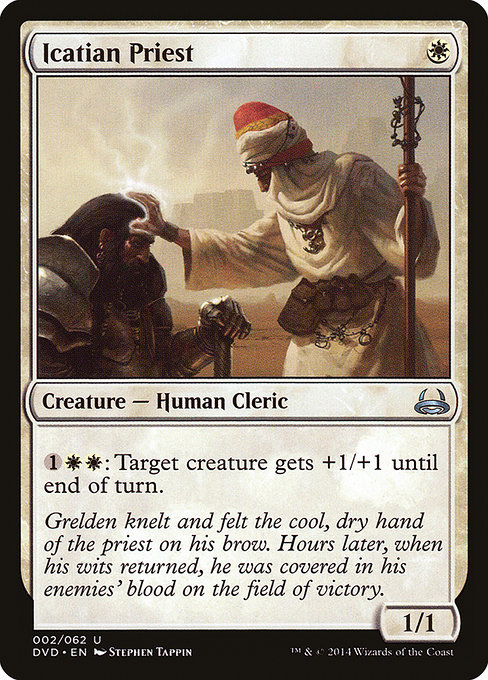
Icatian Priest
Focus on combat buffs and incremental growth of creatures, enhancing the team’s offensive capabilities to push damage.

Armor Thrull
Leverage sacrifice mechanics and counters to support creatures and maintain board state, using self-sacrifice to boost others.
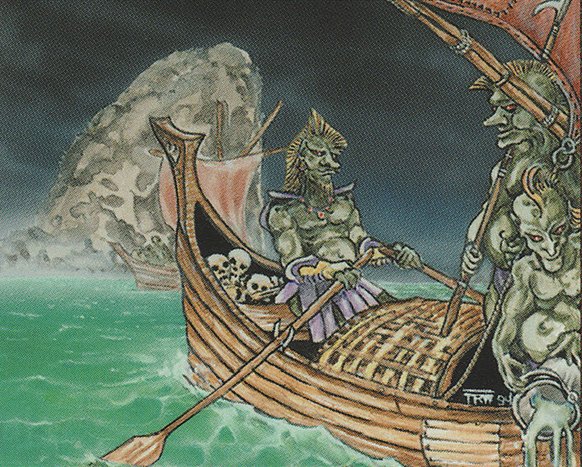
Goblin Flotilla
Employ goblin tribal synergies with abilities like islandwalk and first strike boosts to create evasive and aggressive threats.

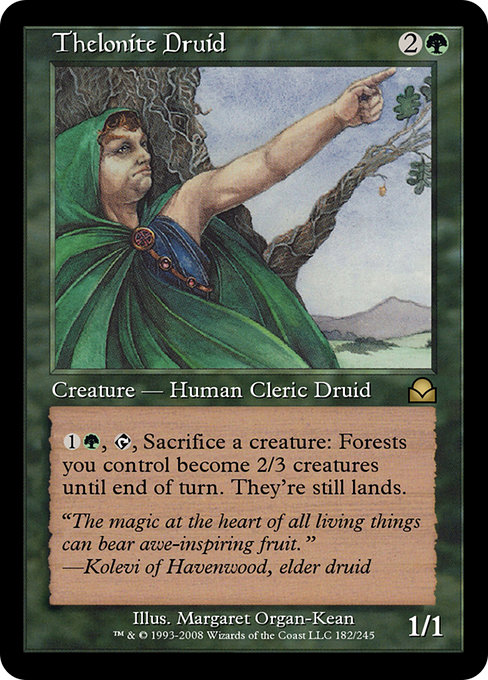
Thelonite Druid
Use mana acceleration and sacrifice outlets to fuel other creature-based strategies and maintain board control.
Gameplay Insights
- 1
Casting Fraying Omnipotence pregame to halve all players’ life totals significantly sped up the game and increased the importance of early aggression.
- 2
Utilizing Goblin War Drums to grant menace was a key combat advantage that made blocking costly and enabled more successful attacks.
- 3
Players balanced the power of large trampling threats with smaller creatures that could boost or protect them, creating a dynamic board state.
- 4
Sacrifice mechanics, such as those from Armor Thrull, provided incremental value and resilience despite the limited card pool and creature quality.
- 5
The lack of legendary creatures forced players to build around tribal synergies and incremental combat buffs rather than flashy combos or powerful finishers.
Notable Cards
-
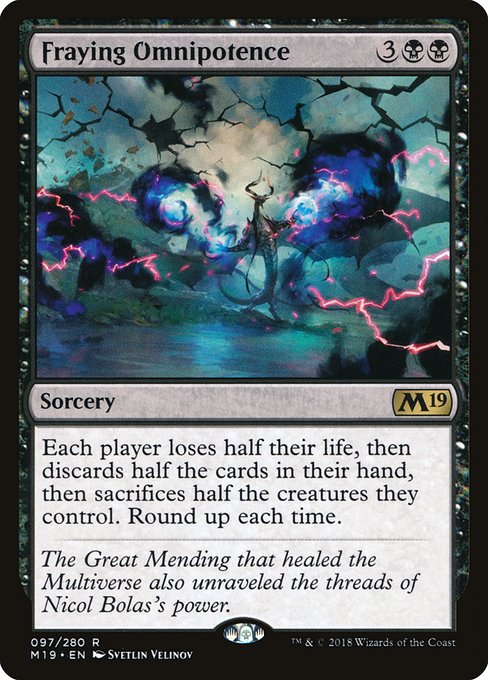
Fraying Omnipotence
-
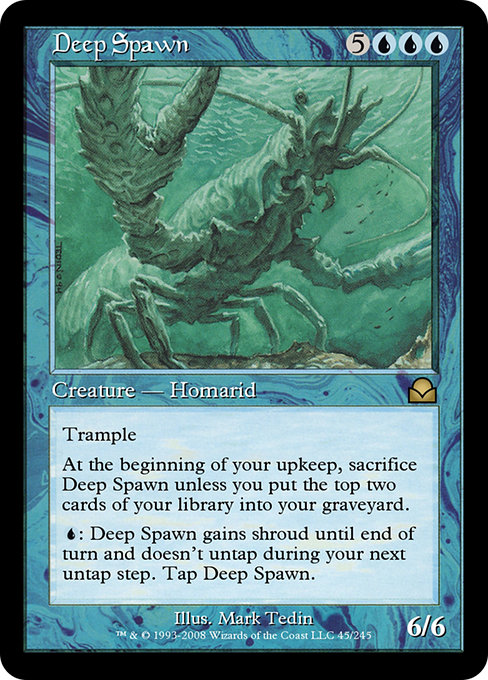
Deep Spawn
-
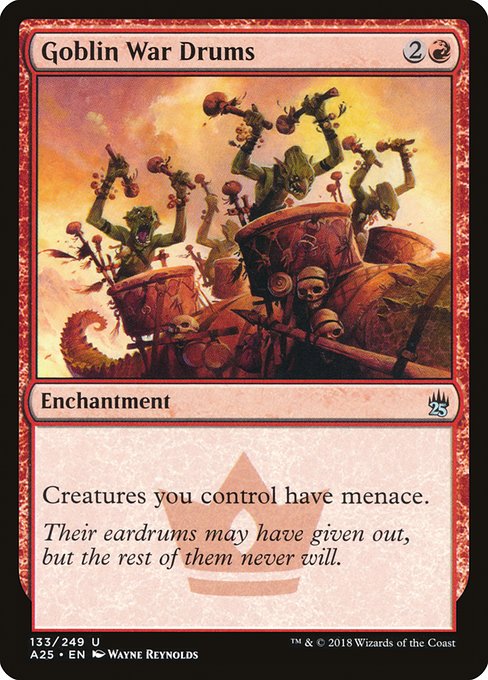
Goblin War Drums
-
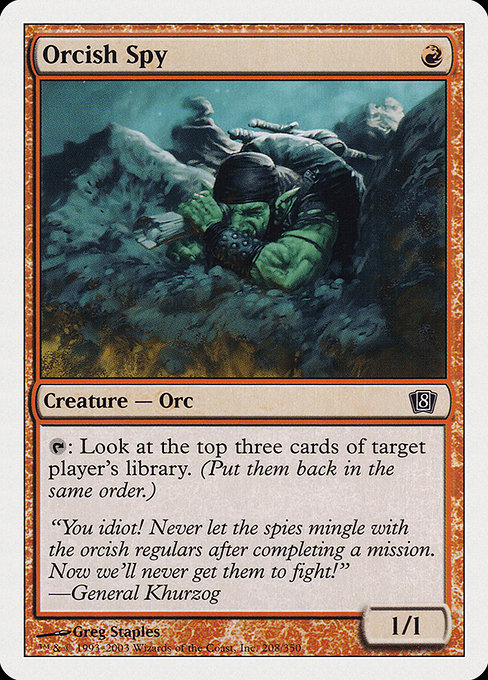
Orcish Spy
-
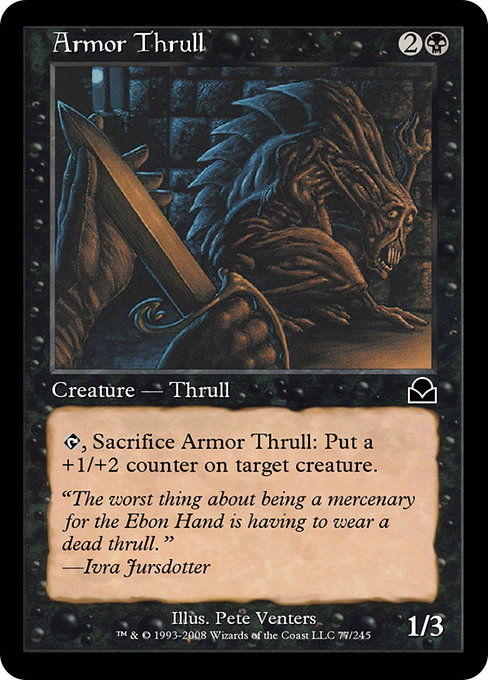
Armor Thrull
-
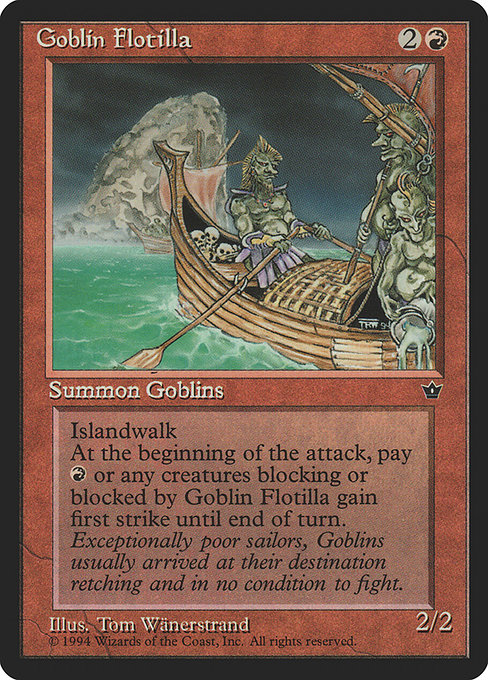
Goblin Flotilla
Gameplay Summary
The game began with players diving into the unique and notoriously chaotic Fallen Empires set, featuring a 40-card deck construction and 20 life total, which immediately shaped the pacing and strategies.
Goblin and orc tribal synergies quickly emerged as players leveraged cards granting menace and other combat advantages, notably with Goblin War Drums providing a menacing boost to attacking creatures.
Early board presence was contested with creatures like the Deep Spawn, an 8-mana trampler with a defensive shell ability, and various small but synergistic creatures that allowed for incremental board development.
A key moment came when one player cast Fraying Omnipotence pregame, halving all players’ life totals, which significantly accelerated the game’s tempo and forced more aggressive plays.