Deck & Commander Strategies

Witherbloom, the Balancer
Utilizes affinity for creatures to cast large instant and sorcery spells efficiently, aiming to control the board and gain value through powerful spellcasting.

Quandrix, the Proof
A cascade-focused deck that ramps quickly and generates value by casting multiple spells for free, leveraging tempo and spell recursion.

Silverquill, the Disputant
Leverages disposable creatures and spell-copying to amplify the impact of big instants and sorceries, aiming to overwhelm opponents with multiplied spell effects.

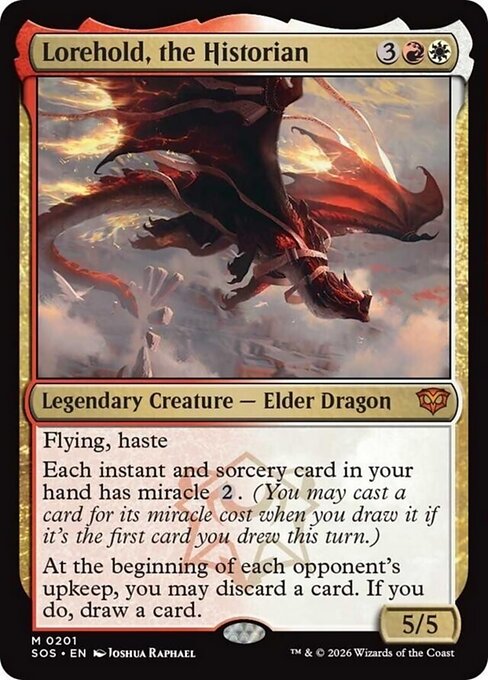
Lorehold, the Historian
Focuses on the miracle mechanic to cast very large spells at reduced costs, using powerful sorceries to dominate the battlefield and swing the game.
Gameplay Insights
- 1
Assigning archenemy status early to Witherbloom highlighted the perceived threat of their large, efficient spells and influenced player targeting.
- 2
Players anticipated board wipes and prepared by equipping Skullclamp to key creatures for card draw resilience.
- 3
Use of surveil and graveyard synergy helped players maintain hand size and resource flow, critical for spell-heavy decks.
- 4
Spinning and undoing actions with Sensei's Divining Top demonstrated careful manipulation of the top of the library to maximize draws and set up miracle triggers.
- 5
Players balanced ramp and card draw with interaction, ensuring they could cast their large spells while responding to opponents' plays.
Notable Cards
-
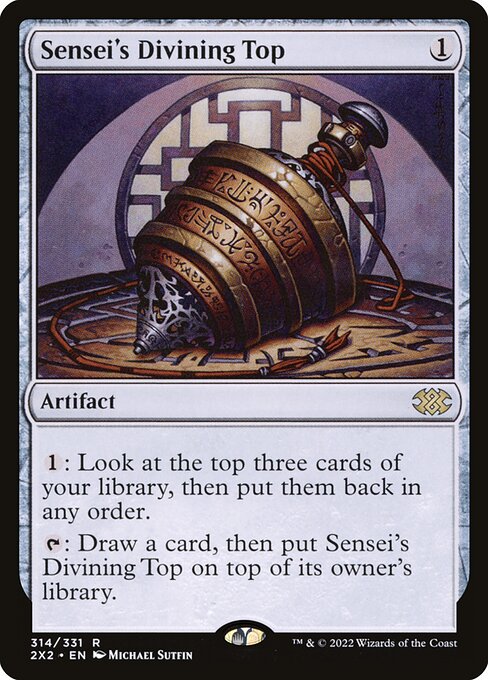
Sensei's Divining Top
-
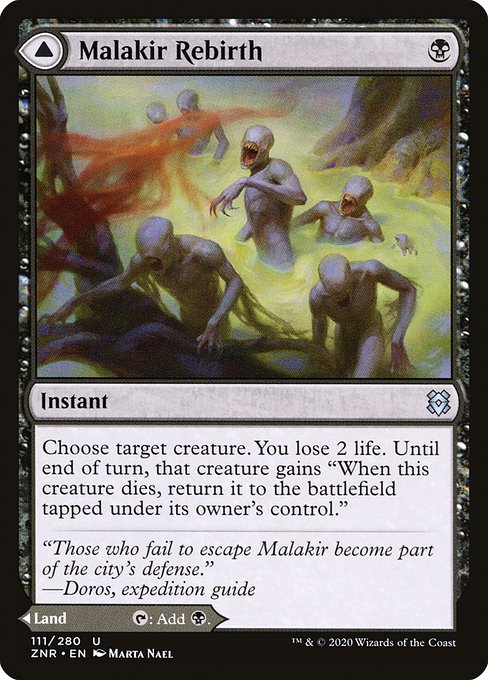
Malakir Rebirth // Malakir Mire
-

Skullclamp
-

Nature's Lore
Gameplay Summary
The game began with players setting up their mana bases and early board states, focusing on ramp and card draw to enable their respective strategies.
Witherbloom utilized affinity for creatures to cast large instant and sorcery spells cheaply, aiming to leverage powerful spells for board control and advantage.
Lorehold sought to capitalize on miracle mechanics by casting huge spells at a reduced cost, looking to swing the game with impactful, oversized spells.
Quandrix focused on a cascade-centric game plan, aiming to leverage value and tempo through free spells and ramp, while Silverquill used disposable creatures and copying spells to amplify big sorceries and instants for overwhelming effects. Early turns saw some interaction around land drops and incremental card advantage, with players using cards like Sensei's Divining Top and Malakir Rebirth to maintain tempo.
The archenemy designation was assigned to Witherbloom, highlighting the threat of their heavy spell-based approach.
The game featured strategic plays involving surveil, card draw, and graveyard synergies to maintain resources and pressure.
Key moments included Witherbloom’s use of affinity to enable large spells quickly, Lorehold’s careful management of miracle triggers, and Silverquill’s commitment to copying powerful spells to flood the board or clear threats.
Throughout, players anticipated board wipes and counterspells, preparing with equipment like Skullclamp and careful timing of spell casting.
The game’s tempo revolved around casting and resolving high-impact spells, with a constant threat of combos and mass removal shaping player decisions.