Deck & Commander Strategies
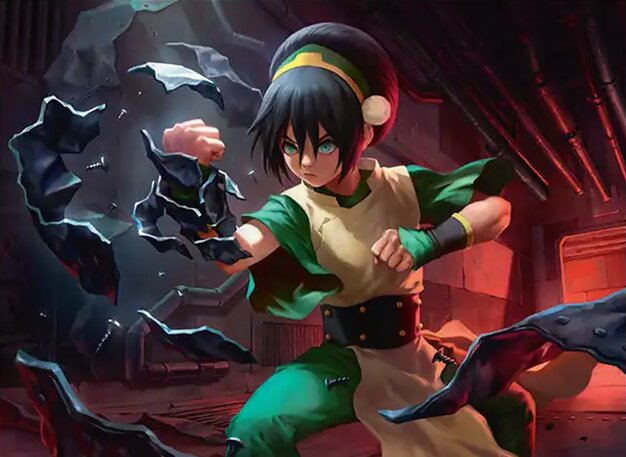
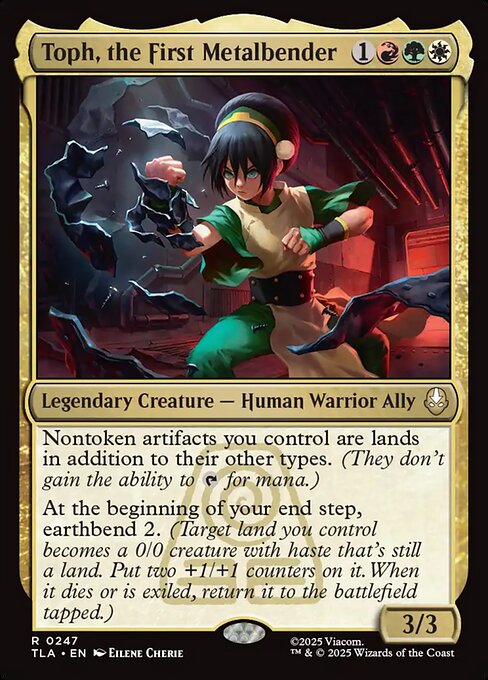
Toph, the First Metalbender
Transforms artifacts into lands and leverages landfall triggers to generate value and control the board by making those lands into creatures and triggering Earthbending effects.

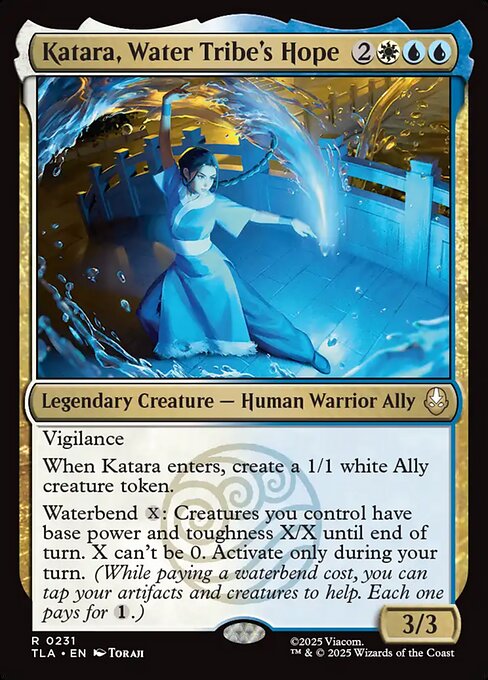
Katara, Water Tribe's Hope
Floods the board with artifact creature tokens to create a wide army that overwhelms opponents through numbers and synergy.
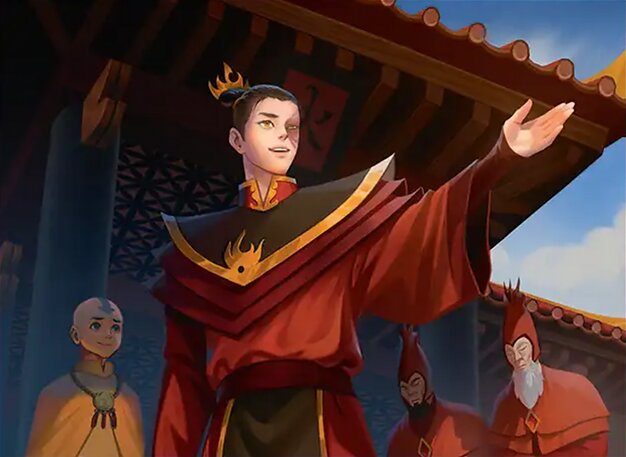
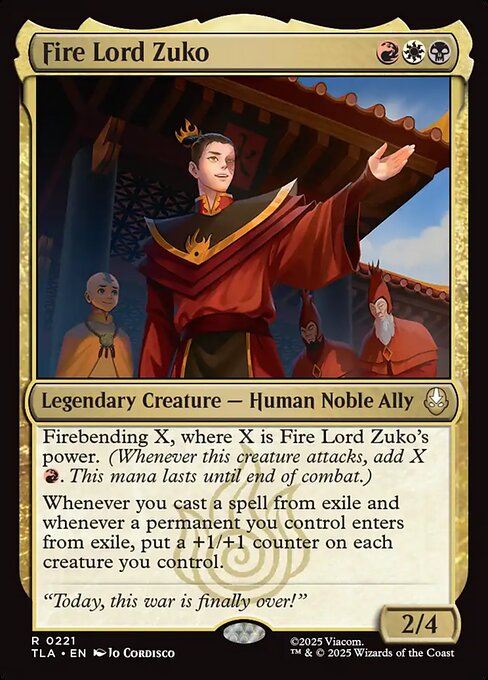
Fire Lord Zuko
Utilizes a Mardu aggression deck that focuses on attacking with creatures, generating +1/+1 counters, and creating treasures to ramp and enhance combat damage.

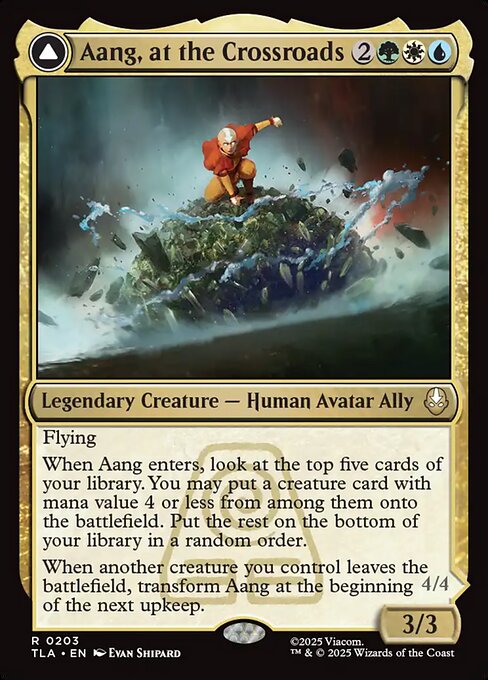
Aang, at the Crossroads // Aang, Destined Savior
Focuses on cloning the commander repeatedly to stack powerful Earthbending triggers and build a large, synergistic board presence.
Gameplay Insights
- 1
Turning artifacts into lands with Toph allowed for repeated landfall triggers by sacrificing those artifacts, generating card advantage and board presence.
- 2
Zuko’s deck capitalized on combat triggers and treasure token creation to ramp mana and draw cards during attacks, enabling explosive turns.
- 3
The use of Imperial Recruiter to tutor creatures like Felia provided powerful temporary removal effects that disrupted opponents’ boards without permanent loss.
- 4
Token generation by Katara provided a defensive and offensive strategy that forced opponents to deal with wide boards rather than singular threats.
- 5
Aang’s cloning strategy aimed to maximize the value of Earthbending triggers by creating multiple copies of the commander, increasing the impact of each effect.
Notable Cards
-
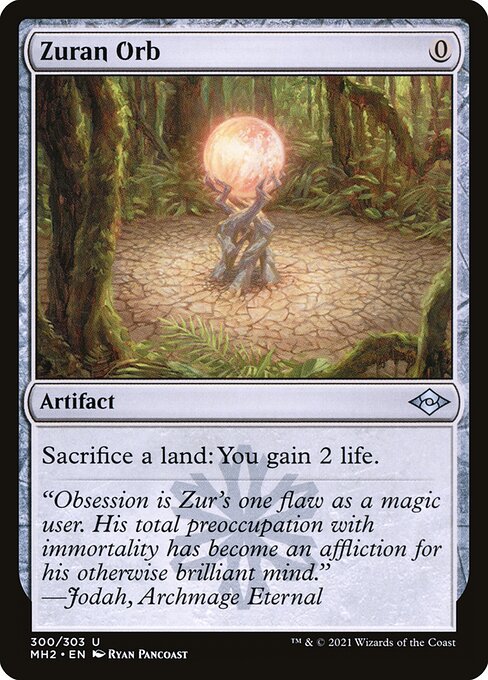
Zuran Orb
-
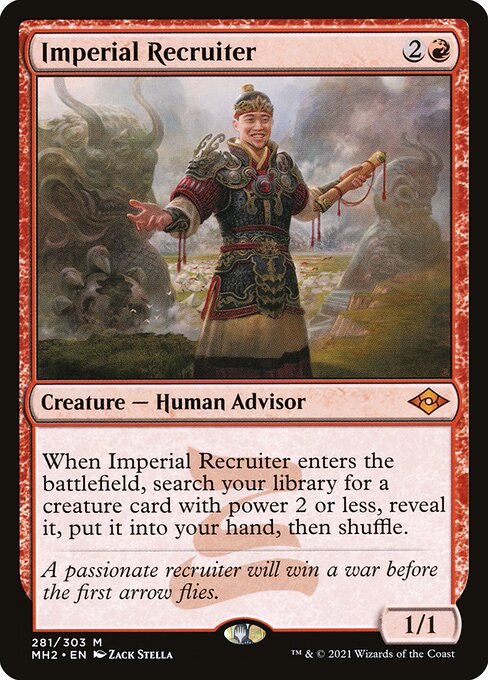
Imperial Recruiter
-

Solemn Simulacrum
-

Arcane Signet
-

Big Score
Gameplay Summary
The game featured four Avatar-themed Commander decks each showcasing unique mechanics tied to their respective characters.
The blue-white token deck aimed to overwhelm opponents with a swarm of creatures, while the Toff, the First Metalbender deck focused on transforming artifacts into lands and leveraging landfall triggers to control the board.
Fire Lord Zuko's Mardu deck employed aggressive attacks and +1/+1 counter synergies to pressure opponents and generate value through combat and card draw.
Meanwhile, Aang's deck revolved around cloning and Earthbending effects, creating multiple copies of Aang to stack powerful abilities. Early turns showed players setting up mana bases and board presence.
Noteworthy plays included Toff's ability to turn artifacts like Zuran Orb into lands and sacrifice them to draw cards, triggering significant landfall and other beneficial effects.
Zuko's player used aggressive attacks combined with spells like Big Score to generate treasure tokens for additional mana and card advantage.
The interaction between artifact-sacrifice and land transformation provided a strong engine for Toff's deck, while Zuko's deck aimed to build an overwhelming board state through combat buffs and treasure generation.
Katara's token strategy aimed to flood the board with artifact creature tokens, creating blockers and attackers.
Meanwhile, Aang's cloning strategy looked to multiply the commander to maximize Earthbending triggers. A pivotal moment was the use of Imperial Recruiter by Zuko's player to tutor up key creatures like Felia, Exuberant Shepherd, which can temporarily exile opposing permanents, disrupting opponents' plans.
The dynamic between artifact land conversion, token creation, and combat damage shaped the flow of the game, with players carefully timing their attacks and spells to maximize value.
Overall, the game was a complex interplay of board development, resource management, and strategic combat, with the win condition revolving around either overwhelming the opponents with tokens and combat damage or utilizing powerful landfall and cloning synergies to outvalue them.