

Deck & Commander Strategies

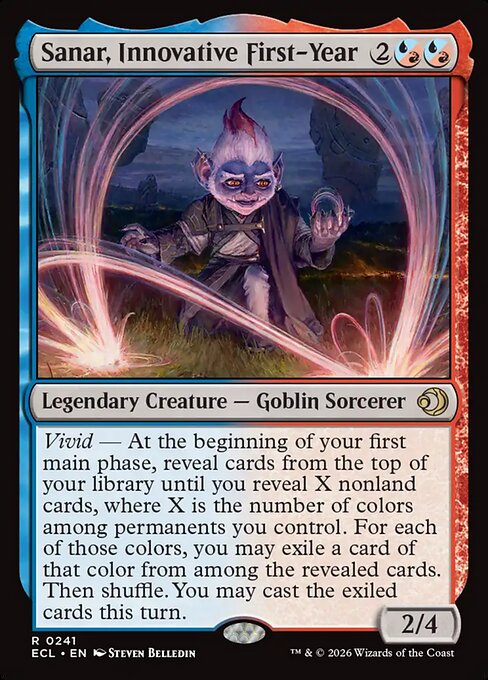
Sanar, Innovative First-Year
A $1 budget aggressive deck aiming to win quickly by deploying efficient low-cost creatures and leveraging early damage, relying heavily on opponents not interacting with the board.

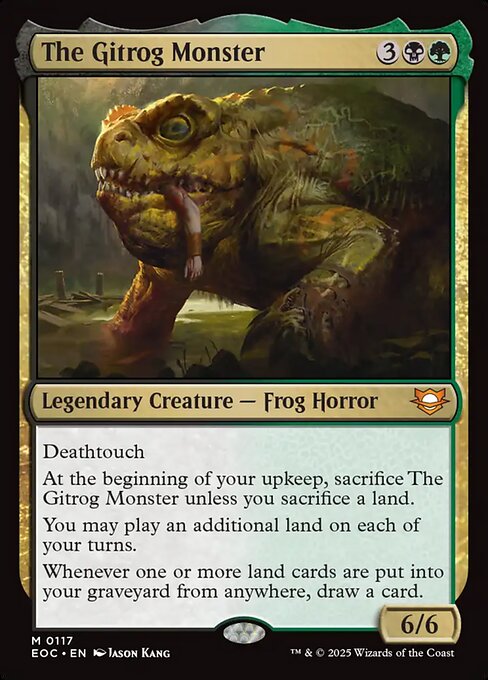
The Gitrog Monster
A $10 budget combo deck that uses land synergy and draw engines to assemble a game-winning combo, aiming to accelerate its mana and card advantage to overwhelm opponents.

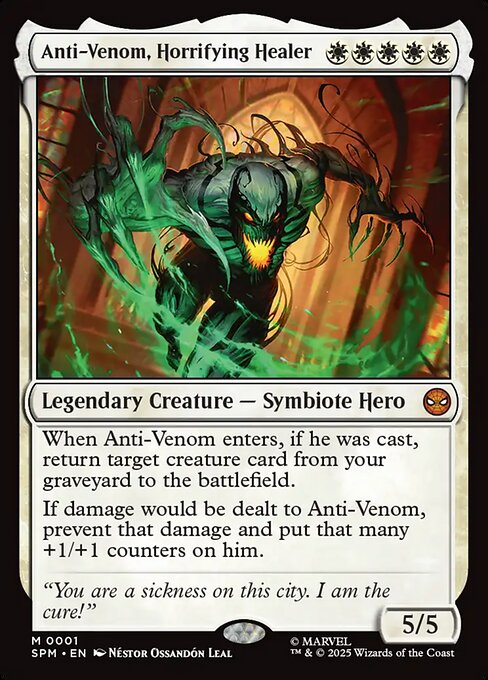
Anti-Venom, Horrifying Healer
A $100 white weenie aggro deck that utilizes counters and equipment to protect creatures and apply steady pressure, looking to win through incremental combat damage.

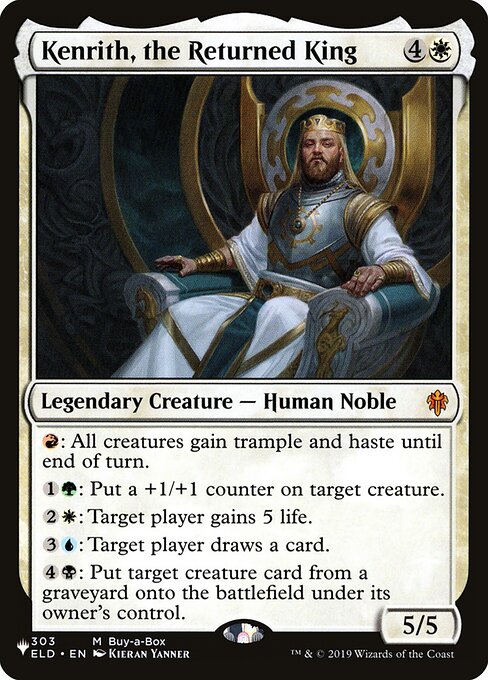
Kenrith, the Returned King
A high-budget noble-themed deck focused on playing powerful legendary creatures and expensive lands, leveraging synergy among nobles to generate tokens, control the board, and outvalue opponents.
Gameplay Insights
- 1
The $1 deck's early aggression forced other players to quickly respond, demonstrating that even low-budget decks can pose a real threat if unchecked.
- 2
The $1,000 noble deck's use of expensive lands and synergy cards like Noble Hierarchy and Beloved Princess allowed it to build a strong board presence early, putting pressure on opponents despite slower ramp.
- 3
Zack Fair in the $100 deck provided a flexible defensive tool that could grant indestructibility and transfer equipment, enabling protection of key creatures during combat phases.
- 4
The $10 deck around The Gitrog Monster focused on ramping and avoiding early interaction, hoping to combo off before opponents could disrupt its plan.
- 5
Combat interactions, such as attacking the next highest budget player and respecting creature power restrictions, revealed the players' awareness of each other's strategies and relative threats.
- 6
Despite the varied budgets, the game maintained balance with each deck leveraging its unique strengths, illustrating how deckbuilding ingenuity can compensate for price disparities.
Notable Cards
-
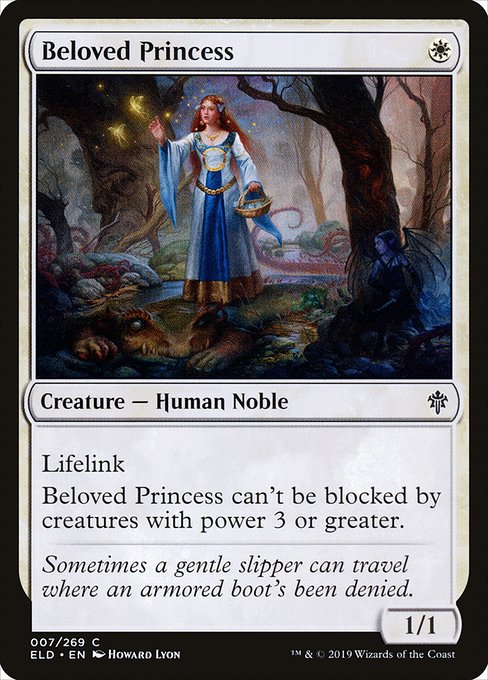
Beloved Princess
-
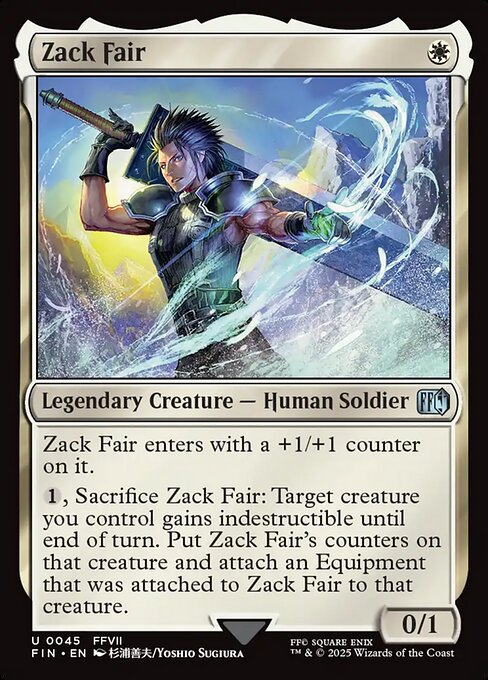
Zack Fair
-
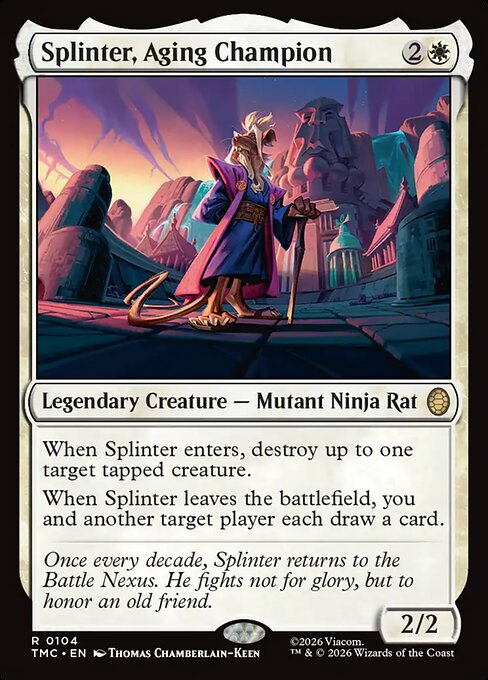
Splinter, Aging Champion
-

Temple of the False God
-

Path of Ancestry
Gameplay Summary
The game features four players each piloting decks of vastly different budget levels, ranging from $1 to $1,000.
The $1 deck, piloted by Tor, focuses on a meme yet surprisingly consistent aggressive strategy aiming to win around turn five if left uninterrupted.
Morgan's $10 deck is built around The Gitrog Monster and aims to execute a glass cannon combo, hoping to avoid interaction early on.
Phil brings a $100 aggro deck centered on Anti-Venom, a white weenie with plenty of counters and aggressive creatures to quickly pressure opponents.
The $1,000 deck, led by a noble-themed commander, uses high-value legendary creatures and expensive lands to control the board and leverage powerful synergy effects.
Early turns see players developing their boards with mana and creatures, with the $1 deck opening with quick aggressive plays, while the noble deck invests in powerful board presence and synergy, including cards like Noble Hierarchy and Beloved Princess.
The $100 deck utilizes resilient creatures such as Zack Fair that can protect others by granting indestructibility, while the $10 deck focuses on ramping and assembling combo pieces around The Gitrog Monster.





![Commander VS S3E1: Olivia vs Gitrog vs Odric vs Sigarda [MtG: Multiplayer] thumbnail](https://i.ytimg.com/vi/IeIh3dkob-Y/sddefault.jpg)


