


Deck & Commander Strategies


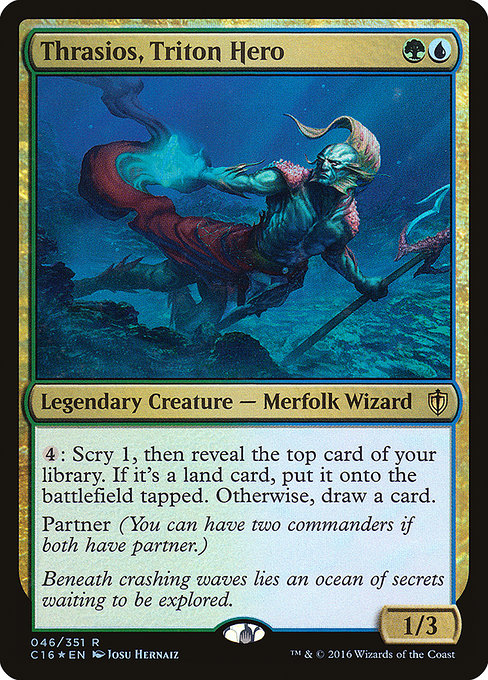
Thrasios, Triton Hero & Vial Smasher the Fierce
This deck aims to combo off quickly using rituals, mana artifacts like Lion's Eye Diamond and Mox Opal, and Ad Nauseam to draw the entire deck. It then wins by milling with Brain Freeze and casting Laboratory Maniac or Oracle of Mul Daya for a fast and consistent combo finish.

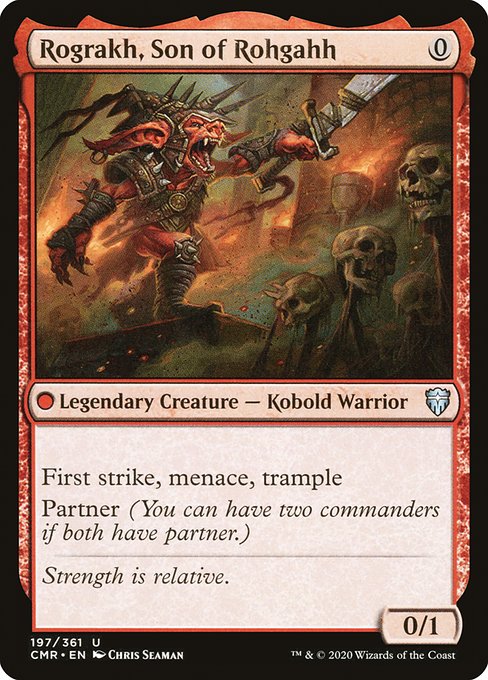
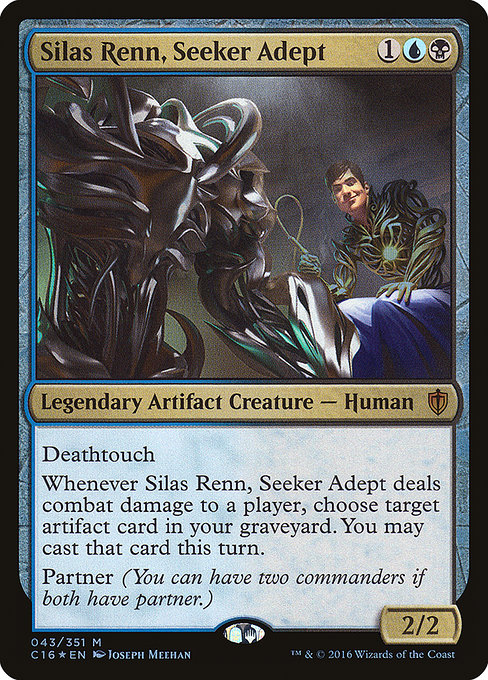
Rograkh, Son of Rohgahh & Silas Renn, Seeker Adept
A Rakdos midrange combo deck that uses sacrifice outlets and rituals like Rain of Filth to enable explosive turns. It seeks to generate extra turns with cards like Warriors' Oath and utilizes tutors to assemble combo pieces, aiming to grind out value while protecting its combo line.

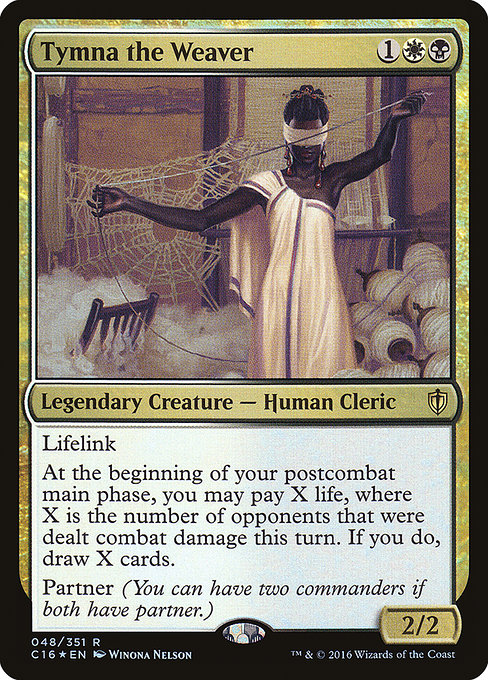
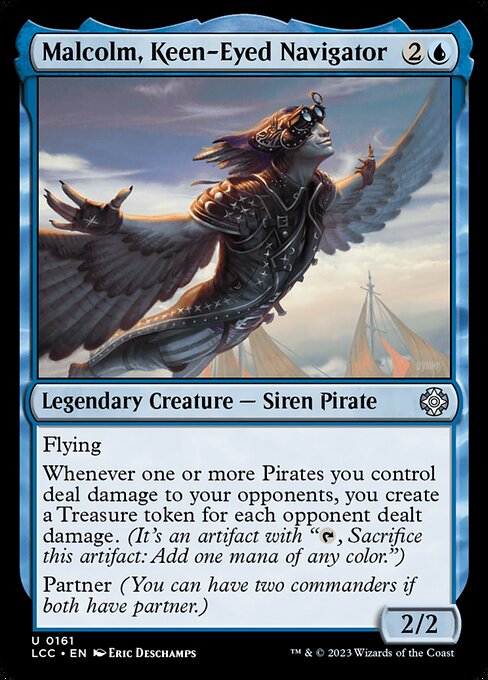
Tymna the Weaver & Malcolm, Keen-Eyed Navigator
A resilient midrange deck leveraging Tymna’s card draw from combat damage and Malcolm’s evasive threats to gain incremental advantage. It uses disruption and tutors to find key spells and aims to survive early aggression while setting up a long-term win condition through attrition and incremental card advantage.
-
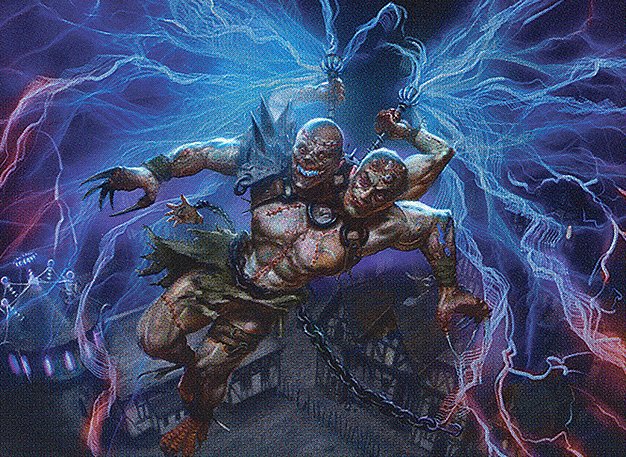
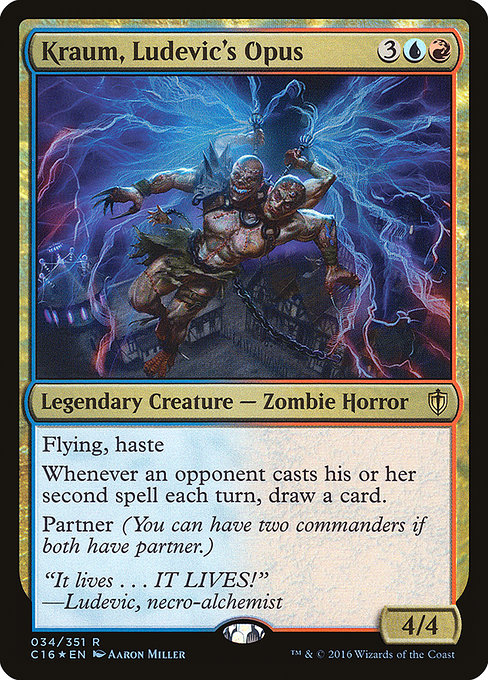
Tymna the Weaver & Kraum, Ludevic's Opus
This deck focuses on efficient disruption and card draw through Tymna and Kraum’s abilities. It plays a control game, using counterspells and removal to slow opponents, while using tutors and incremental advantage to assemble a combo or beatdown finish.
Gameplay Insights
- 1
The early turn two Ad Nauseam combo showcased the power of sequencing rituals and mana artifacts to generate storm count and draw the entire deck quickly.
- 2
Choosing when to tap mana artifacts like Mox Opal and Lion's Eye Diamond is critical, as premature tapping can limit responses to interaction or disruption.
- 3
Holding priority to cast Angel's Grace before Ad Nauseam allowed the player to survive potential lethal damage and complete the combo safely.
- 4
Rograkh’s player evaluated stopping early to preserve resources for a later combo but recognized that passing the turn would allow faster blue decks to develop and possibly end the game first.
- 5
The use of tutors such as Mystical Tutor and Demonic Tutor was essential for assembling combo pieces and responding flexibly to the game state.
- 6
Counterspells like Active Negation played a key role in disrupting powerful spells like Unreal Breach, preventing certain combos from resolving.
- 7
The interplay between graveyard recursion (casting Demonic Tutor from graveyard with Underworld Breach) and rituals enabled complex storm sequences and combo redundancy.
- 8
Players demonstrated strong awareness of life totals and timing, using Angel's Grace and other protective spells to avoid being killed by early damage or combo sequences.
Notable Cards
-
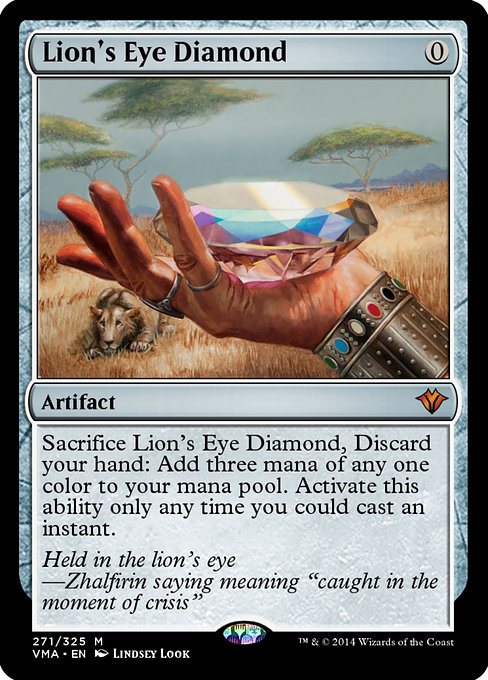
Lion's Eye Diamond
-
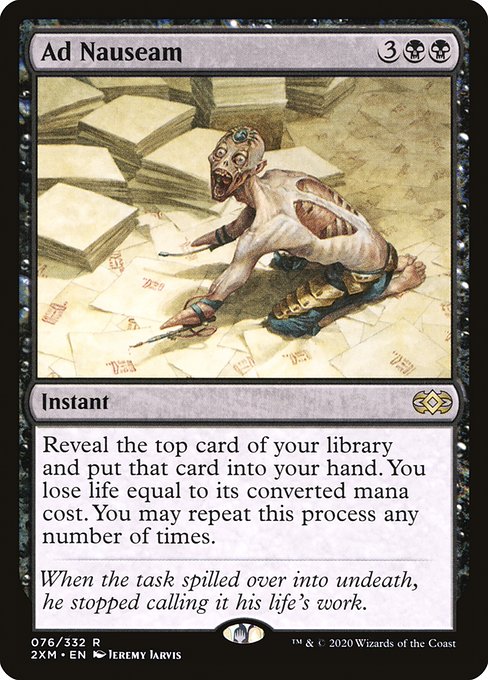
Ad Nauseam
-
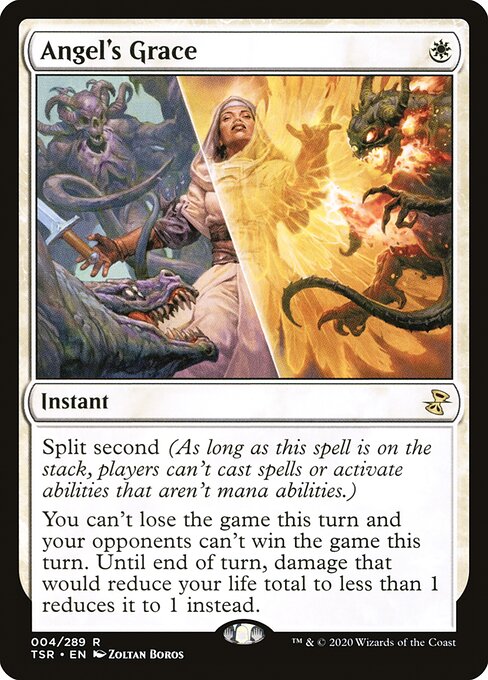
Angel's Grace
-
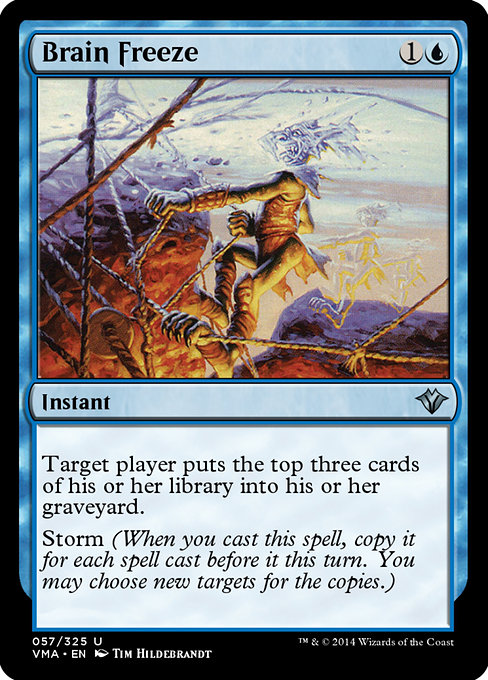
Brain Freeze
-
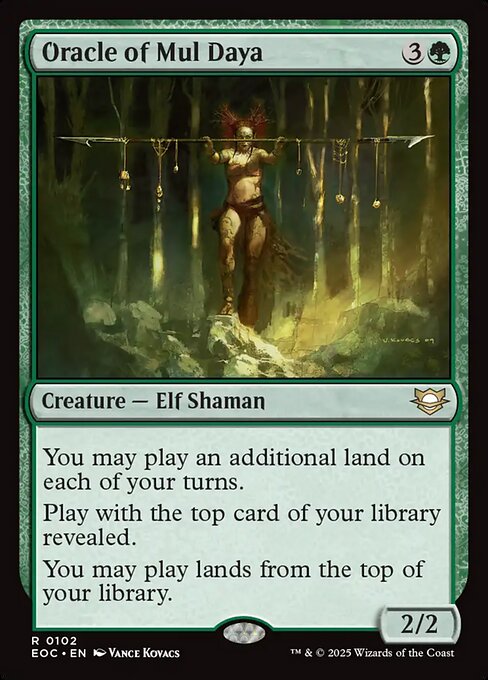
Oracle of Mul Daya
-
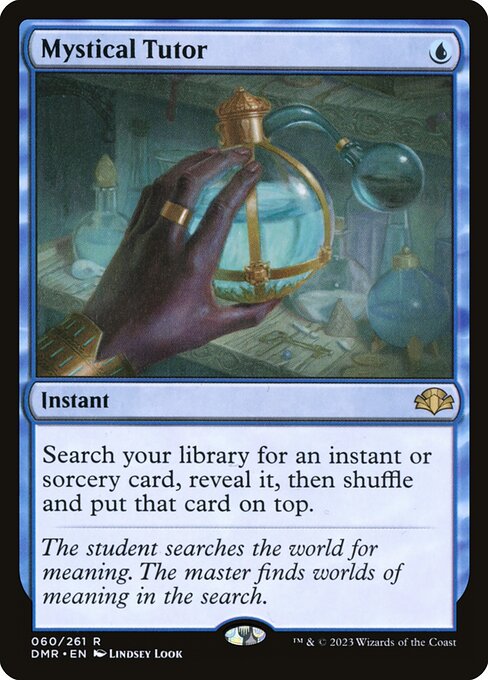
Mystical Tutor
-
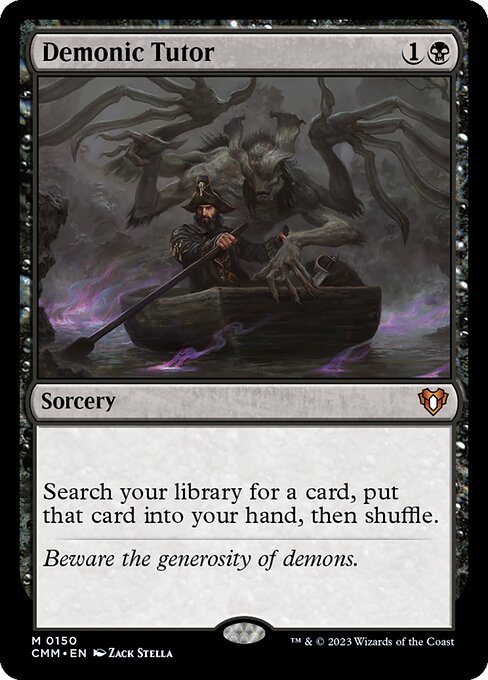
Demonic Tutor
-
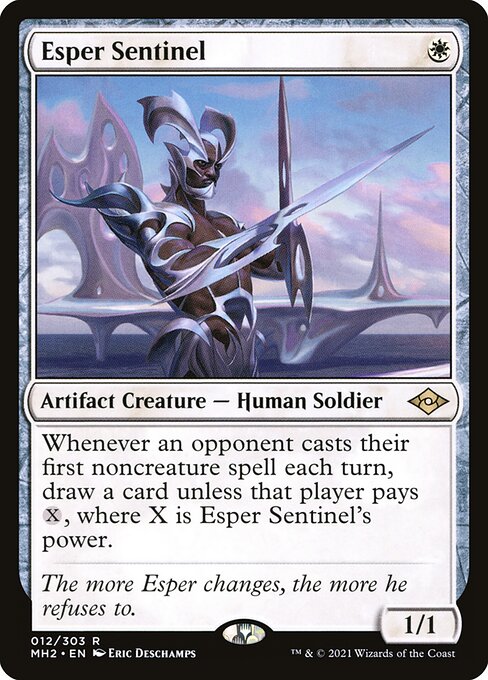
Esper Sentinel
-
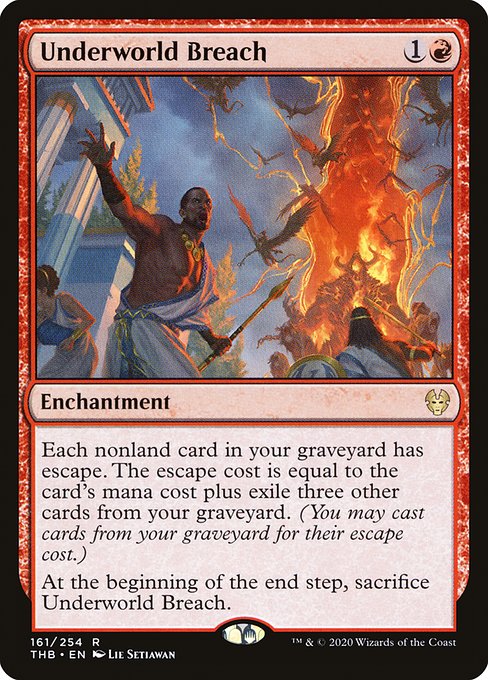
Underworld Breach
-
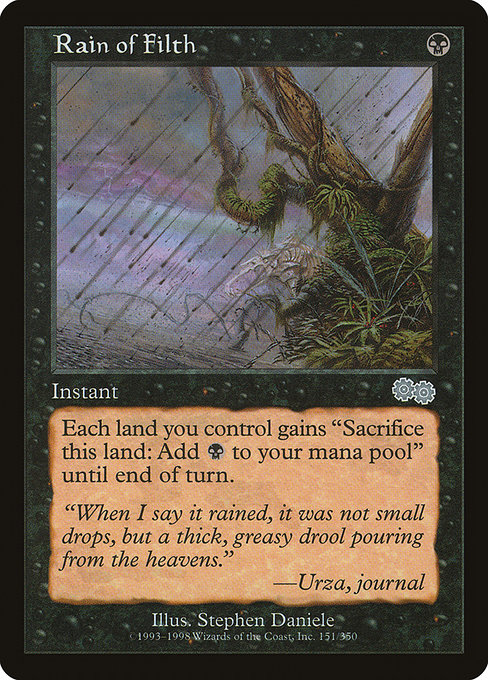
Rain of Filth
-
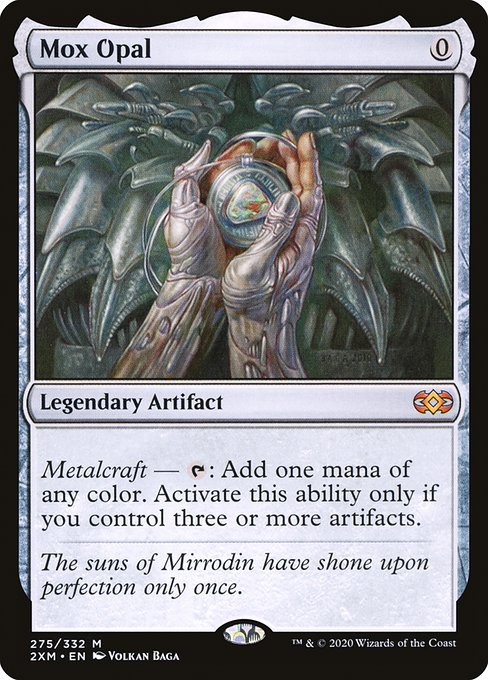
Mox Opal
-
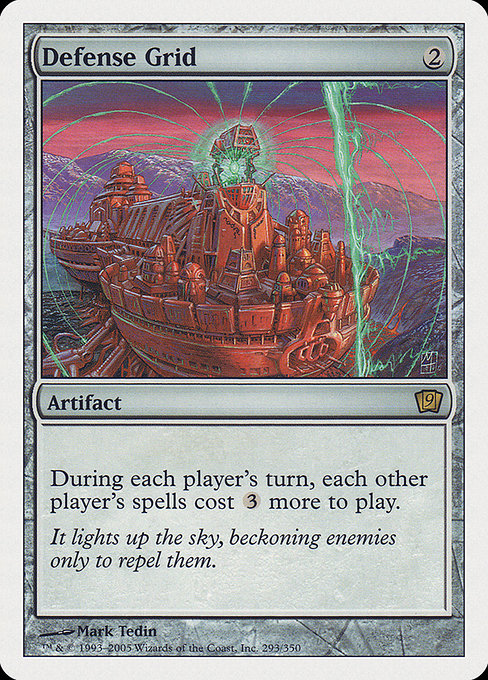
Defense Grid
-
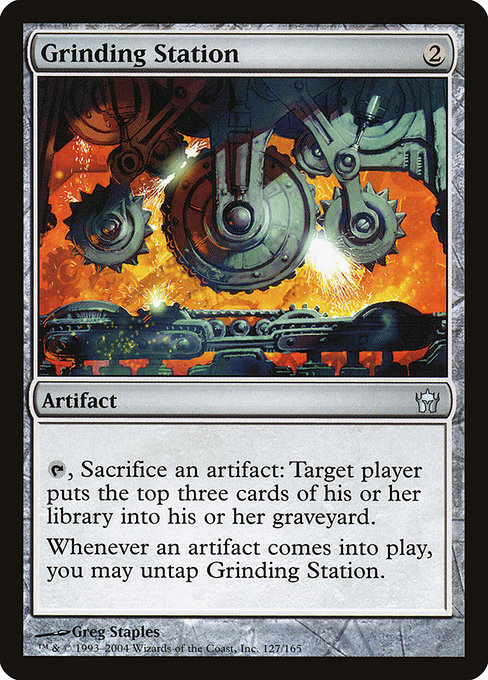
Grinding Station
Gameplay Summary
The game featured four competitive decks led by Thrasios/Vial Smasher, Rograkh/Silas Renn, Tymna/Malcolm, and Tymna/Kraum.
Early turns were marked by rapid mana acceleration and ritual spells enabling explosive plays.
Notably, the Thrasios/Vial Smasher player executed a fast combo involving Lion's Eye Diamond, Ad Nauseam, and Angel's Grace, securing a quick win on turn two by milling their deck and casting Oracle to win.
The Rograkh/Silas Renn deck attempted to establish a board presence and prepare for an extra turn combo but was disrupted by counterspells and interaction from opponents.
The Tymna/Kraum deck focused on card advantage and disruption with spells like Esper Sentinel and Mystical Tutor, trying to control the pace and find their win conditions.
Throughout the match, the players displayed high-level decision-making, including careful resource management and timing of spells to maximize storm counts and protect their combo lines.
The match highlighted the importance of interaction and timing in cEDH games where a single misstep can allow a fast combo to close out the game swiftly.