




Deck & Commander Strategies

Ultron, Artificial Malevolence
Focuses on milling opponents' decks and generating value with Alter of the Brood, leveraging graveyard synergies to disrupt opponents and create board presence.
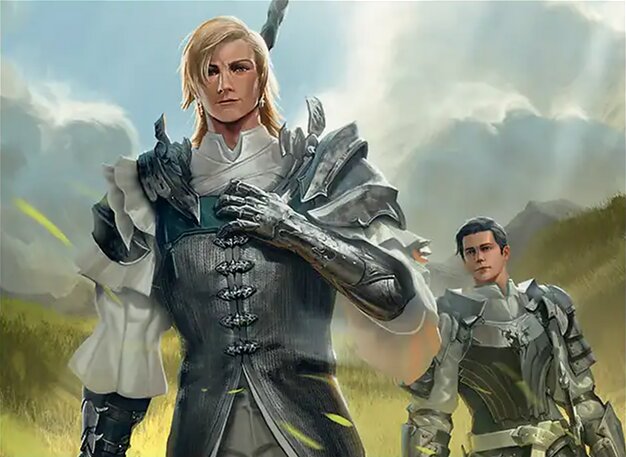
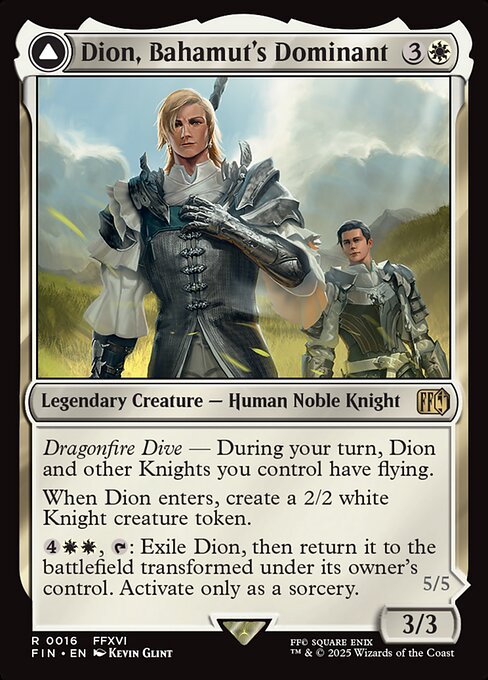
Dion, Bahamut's Dominant // Bahamut, Warden of Light
Utilizes graveyard recursion to bring back creatures as skeletons, enhancing board presence and resilience while generating incremental advantage.

Wolverine, Best There Is
Aggressively grows in size through combat damage and uses regeneration to stay on the board, aiming to apply continuous pressure through a robust, hard-to-remove creature.
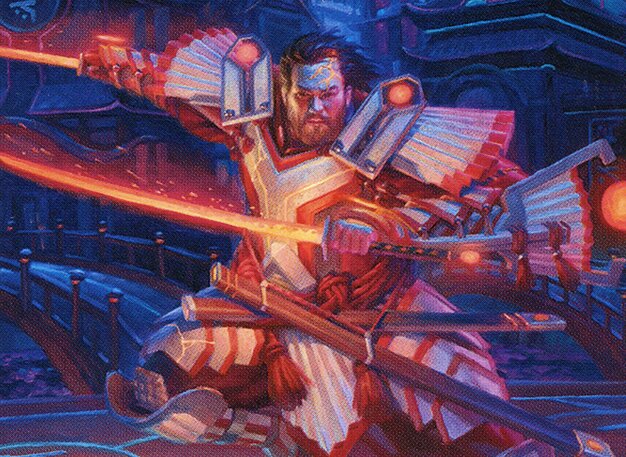
Isshin, Two Heavens as One
Likely focuses on combat phases and leveraging multiple combat steps or damage triggers, although specifics were not detailed.

Wan Shi Tong, All-Knowing
Likely leverages knowledge and card advantage, possibly through control or information gathering, but specifics were not discussed.
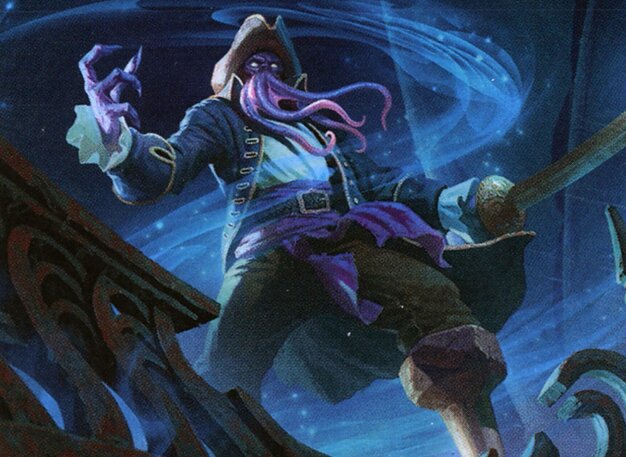
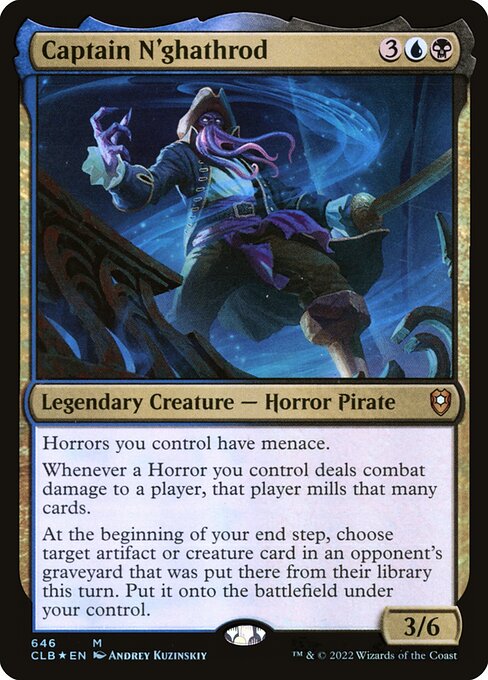
Captain N'ghathrod
Likely a threat-generating or aggressive commander, but details were not given in the gameplay.
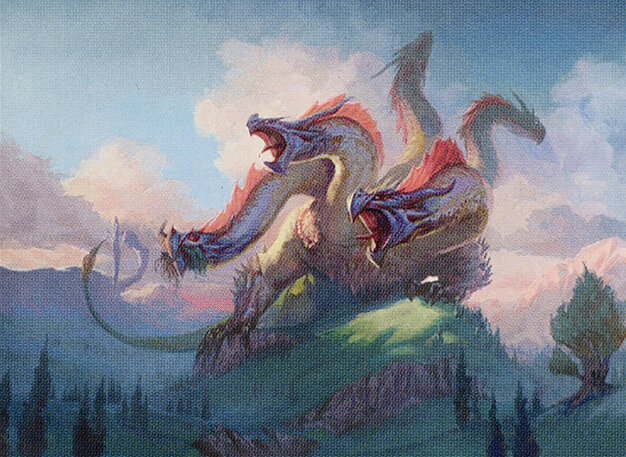
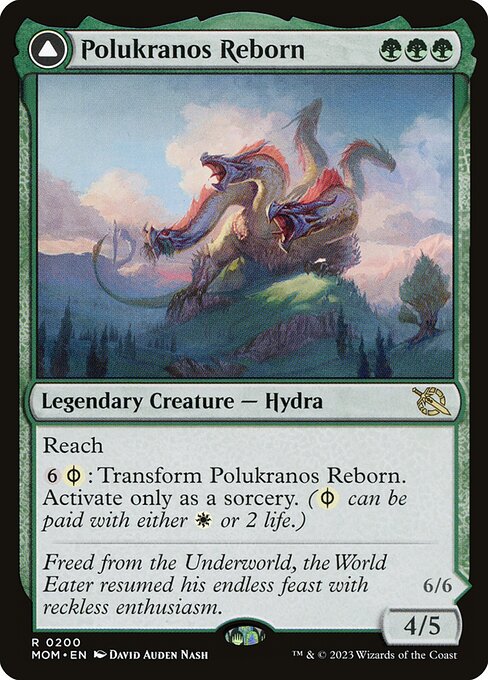
Polukranos Reborn // Polukranos, Engine of Ruin
Likely focused on board control and large creature presence, but specific plays were not shown.
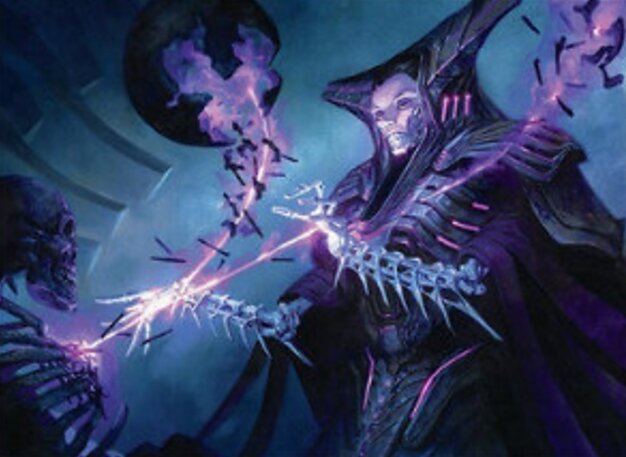
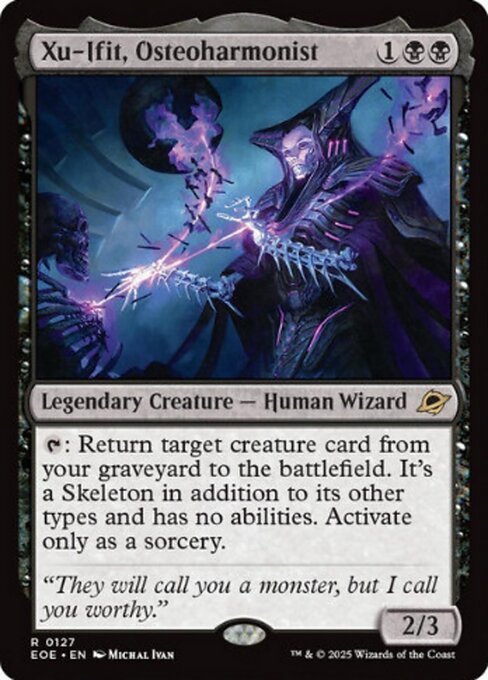
Xu-Ifit, Osteoharmonist
Utilizes graveyard recursion by returning creatures from the graveyard to the battlefield as skeletons, supporting a value and attrition strategy.
Gameplay Insights
- 1
Using Alter of the Brood early enabled steady milling that synergized with graveyard recursion strategies.
- 2
The activation of Cabal Coffers to generate large amounts of black mana allowed for casting high-impact creatures and value spells.
- 3
Marvin's ability to copy activated abilities was exploited to double graveyard recursion effects, amplifying board presence.
- 4
Alpha Authority granted Wolverine hexproof and made it unblockable by more than one creature, significantly enhancing its threat level.
- 5
Players carefully timed attacks and blocks to manage life totals while building board advantage, showing awareness of looming threats.
- 6
Combining milling and graveyard recursion created a resilient engine that pressured opponents from multiple angles.
Notable Cards
-

Wolverine, Best There Is
-
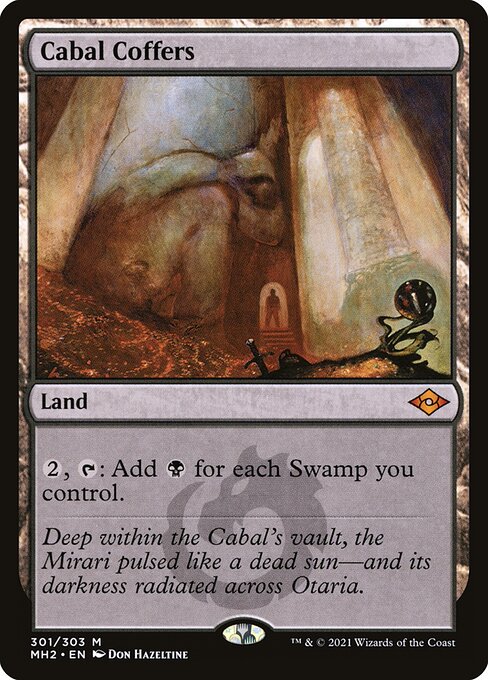
Cabal Coffers
-
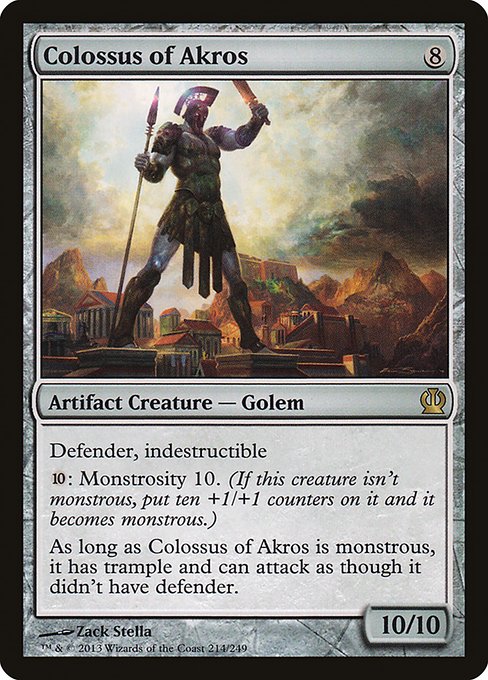
Colossus of Akros
-
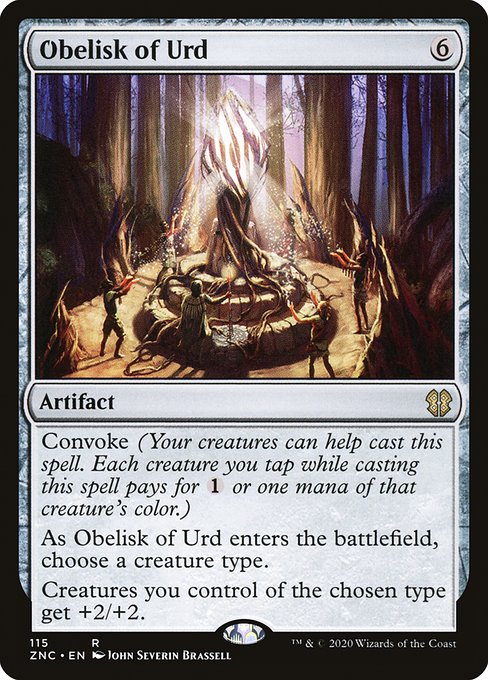
Obelisk of Urd
-
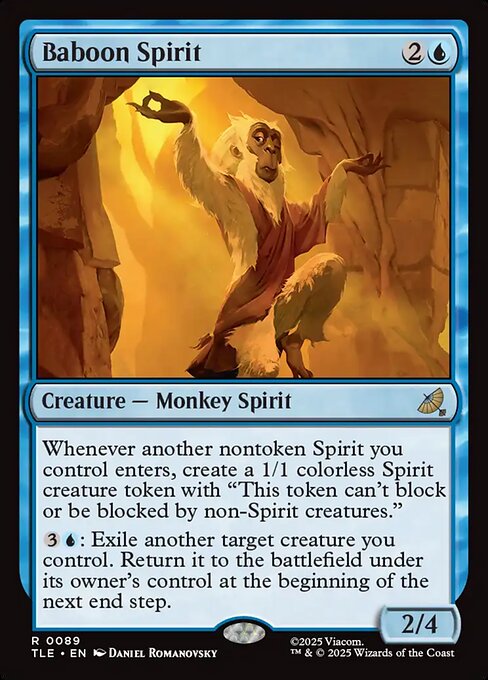
Baboon Spirit
-
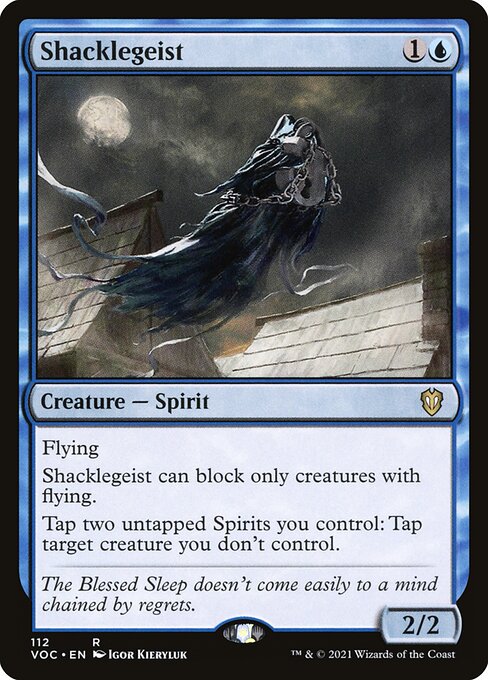
Shacklegeist
Gameplay Summary
The game started with players developing their mana bases and casting early creatures such as Alter of the Brood to enable milling strategies.
Early turns featured cycling and graveyard interactions, with players carefully managing life totals and board presence.
One player focused on spirits, leveraging tokens and buff effects like Obelisk of Urd to grow their board, while another cast Wolverine, Best There Is to establish a resilient threat that grows with combat damage.
Midgame saw a pivotal moment when a player activated Cabal Coffers and employed a card that generates value when cards leave the graveyard, synergizing well with milling triggers and Stitcher Supplier for additional graveyard recursion.
This player also used their commander to reanimate powerful creatures as skeletons, notably copying a Colossus of Akros for a significant board presence.
Combat damage and strategic attacks began to shift life totals, with threats like Wolverine and reanimated creatures pressuring opponents.
The milling and graveyard recursion strategies intertwined, setting the stage for a control and attrition game leading toward a win condition centered on overwhelming opponents with resilient creatures and incremental value from graveyard interactions.





![Wer wird wen überrennen? | Herumkommandiert #22 | EDH [Deutsch] thumbnail](https://i.ytimg.com/vi/ETtCAaEkzBI/sddefault.jpg)





![Baldur's Gate Crossover [Commander VS 294] | Magic: the Gathering Commander Gameplay thumbnail](https://i.ytimg.com/vi/2KdxY6y7pro/sddefault.jpg)


