

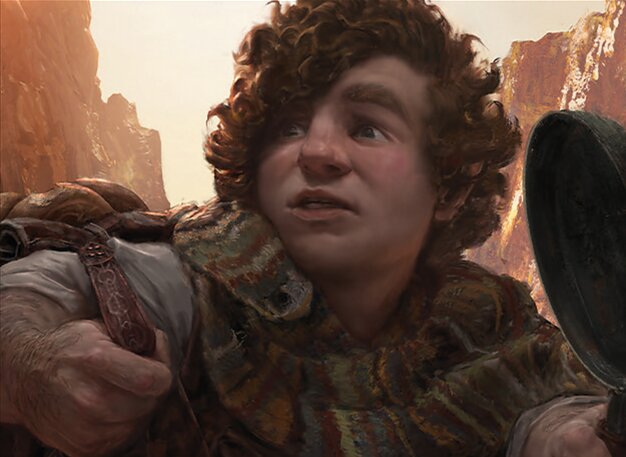
Deck & Commander Strategies
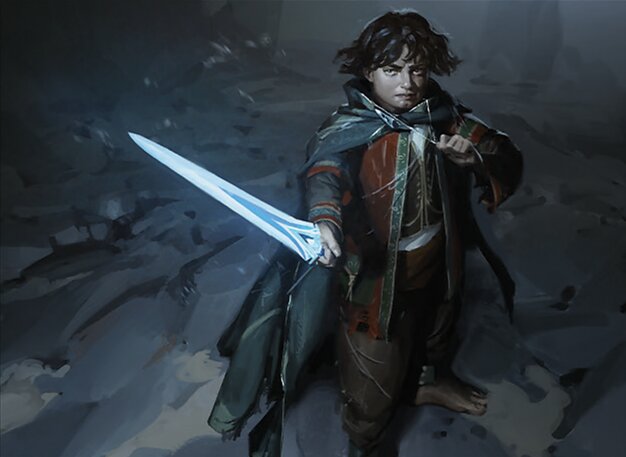
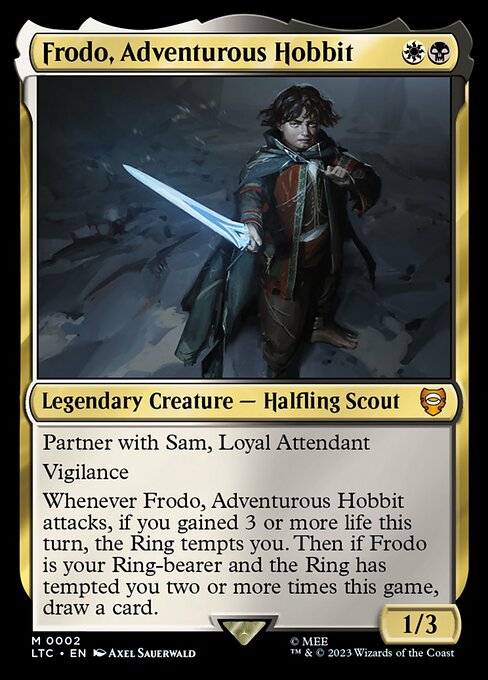
Frodo, Adventurous Hobbit
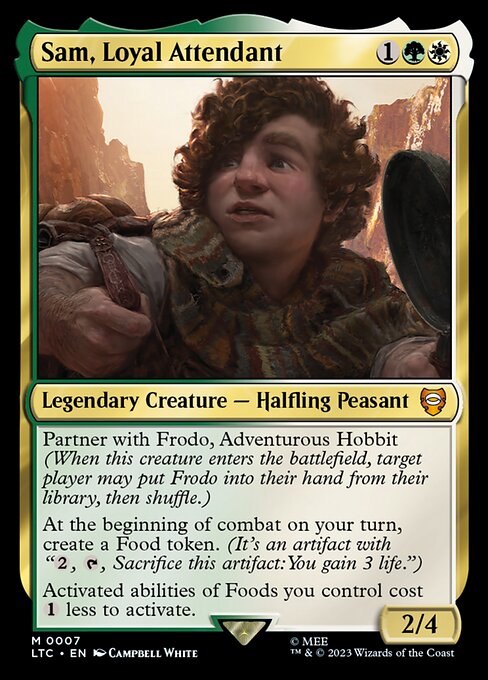
A Halfling tribal deck focused on food token generation and life gain to trigger Frodo’s ring temptation ability for card draw, leveraging synergy with Sam, Loyal Attendant to produce food and reduce their costs.
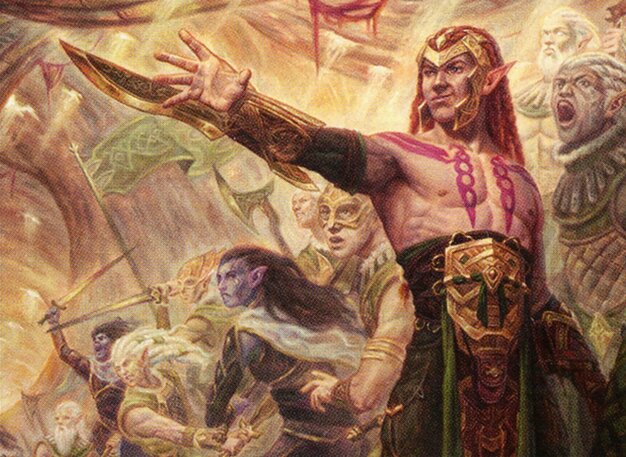
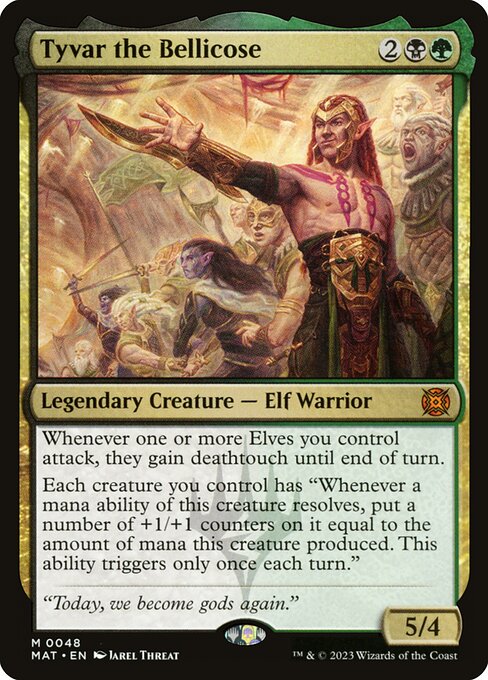
Tyvar the Bellicose
An elf tribal deck centered on ramping with mana-producing elves that gain +1/+1 counters equal to mana produced, combined with granting death touch during attacks to make elves formidable combatants.
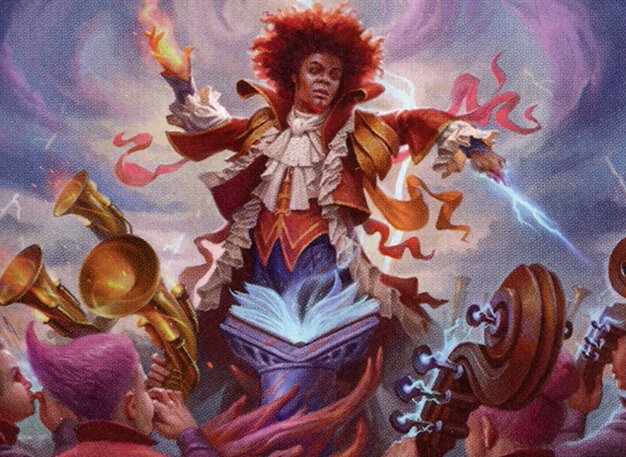
Zaffai, Thunder Conductor
A blue-red spellslinger deck that creates elemental tokens and deals damage by casting spells of varying costs, aiming to build board presence and apply pressure through spell triggers.
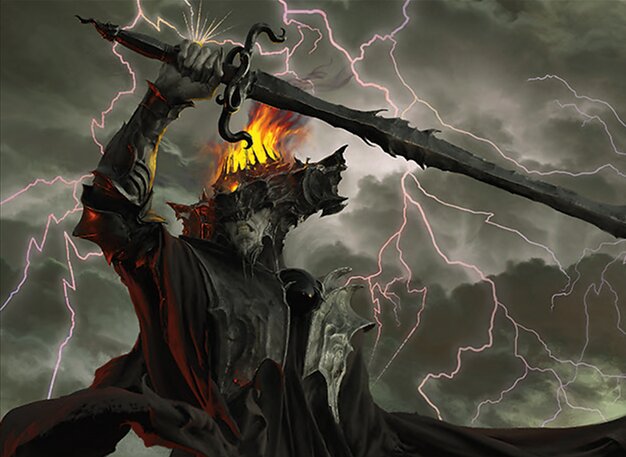
Sauron, Lord of the Rings
A Grixis deck focused on milling cards, returning creatures from the graveyard, and leveraging the ring temptation mechanic to deal damage and trigger powerful effects, aiming to dominate with a large trample creature and graveyard recursion.
Gameplay Insights
- 1
The Halfling deck focused heavily on gaining life multiple times per turn to consistently trigger Frodo’s ring temptation ability, enabling steady card draw and advantage.
- 2
Tyvar’s ability to grant death touch to attacking elves forced opponents to carefully consider blocking, effectively increasing combat damage output and board control.
- 3
Zaffai’s strategy of casting spells with varying mana costs allowed generation of multiple elemental tokens and incremental damage, leveraging spellcasting volume for board presence.
- 4
Sauron’s graveyard recursion and milling strategy combined with the ring temptation mechanic created a resilient board state with a large trampling creature that pressured opponents continuously.
- 5
Managing the ring temptation counters became a key tactical layer, as multiple temptations unlocked stronger card draw and triggered additional effects that could swing momentum.
- 6
Early ramp and mana fixing with cards like Birds of Paradise and Thriving Grove helped accelerate each deck’s game plan, setting up timely deployment of key threats and synergies.
Notable Cards
-
Frodo, Adventurous Hobbit
-
Sam, Loyal Attendant
-
Tyvar the Bellicose
-
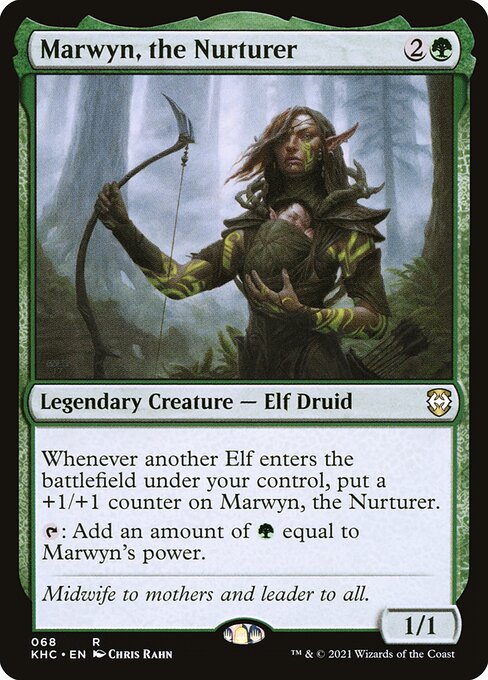
Marwyn, the Nurturer
-
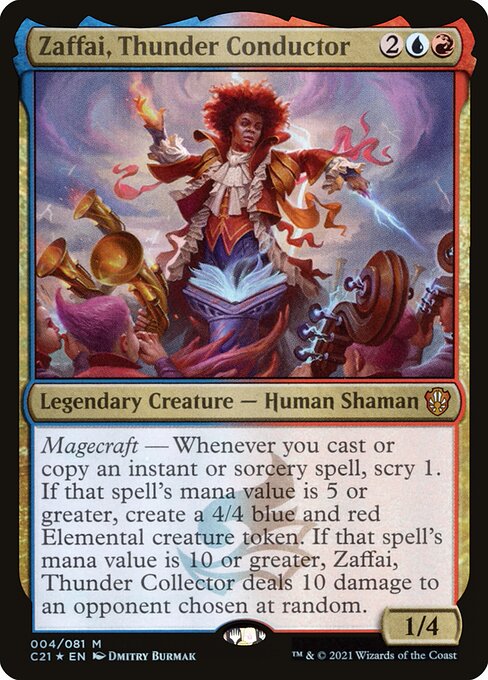
Zaffai, Thunder Conductor
-
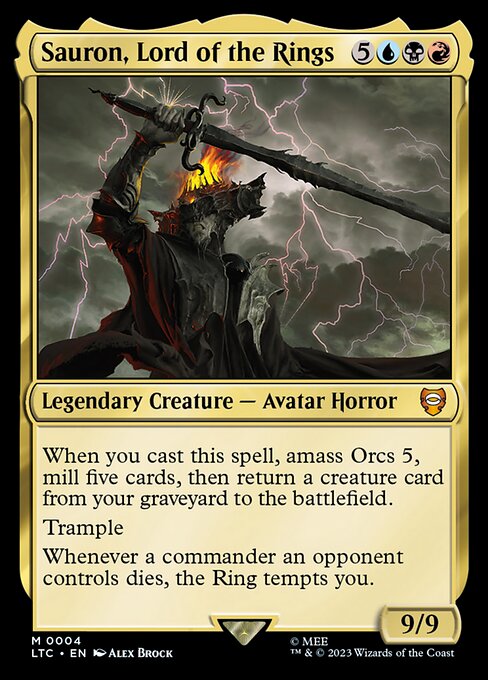
Sauron, Lord of the Rings
-
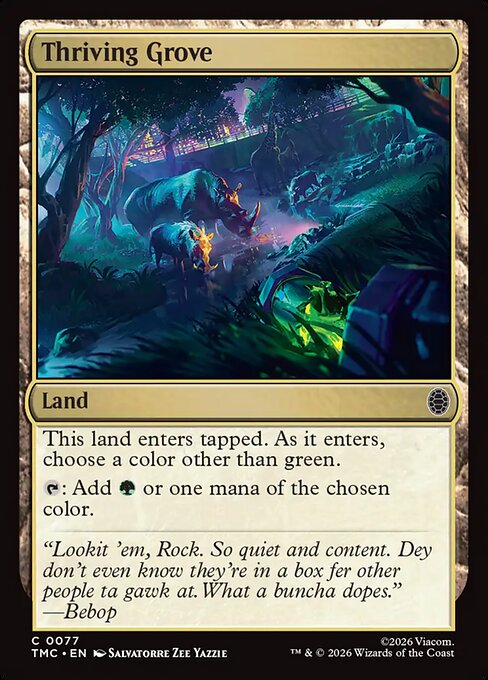
Thriving Grove
-
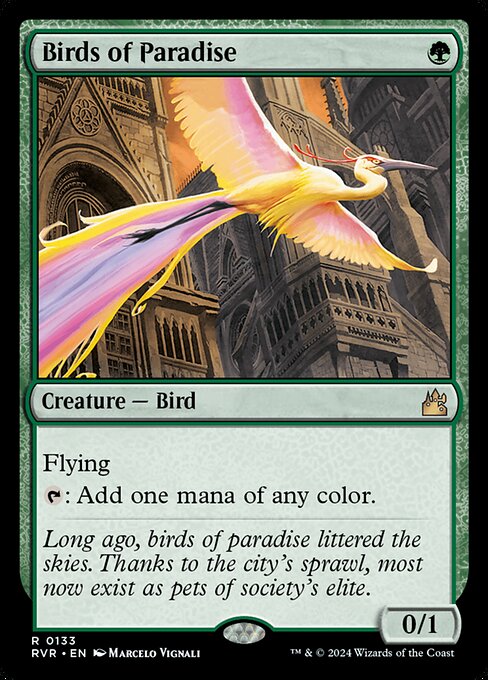
Birds of Paradise
Gameplay Summary
The Commander game featured four players piloting thematic decks centered around iconic figures and strategies from both Magic: The Gathering and The Lord of the Rings.
The Halfling tribal deck led by Frodo and Sam leveraged food token generation and life gain synergies to fuel card draw and board presence.
The elf-centric deck commanded by Tyvar the Bellicose focused on ramping with elves, growing them through +1/+1 counters tied to mana production, and utilizing tribal warriors for aggressive combat.
The blue-red spellslinger Zaffai, Thunder Conductor deck aimed to create token creatures and deal incremental damage by casting various spells, looking to build tempo with spell triggers.
Finally, the Sauron, Lord of the Rings deck sought to mill cards while returning creatures from the graveyard to maintain a powerful board state, capitalizing on inflicting damage and triggering the ring's tempting ability for additional effects. Early game development saw ramp and mana acceleration from the elf deck alongside food token production and life gain from the Halfling deck, setting up their key synergies.
The spellslinger deck worked on casting spells to generate elemental tokens and pressure opponents, while Sauron prepared to leverage graveyard recursion and high-impact creatures.
Board interactions likely involved managing the incremental life gain and token generation to control the pace.
Key turning points involved activating the ring temptation mechanic multiple times, enabling card draw and triggering powerful effects, alongside establishing a strong board presence with either elves or tokens.
The game’s win condition appeared to revolve around overwhelming opponents through either combat damage fueled by tribal synergies or attrition via graveyard recursion and milling, with the ring temptation adding layers of card advantage and pressure.


