

Deck & Commander Strategies

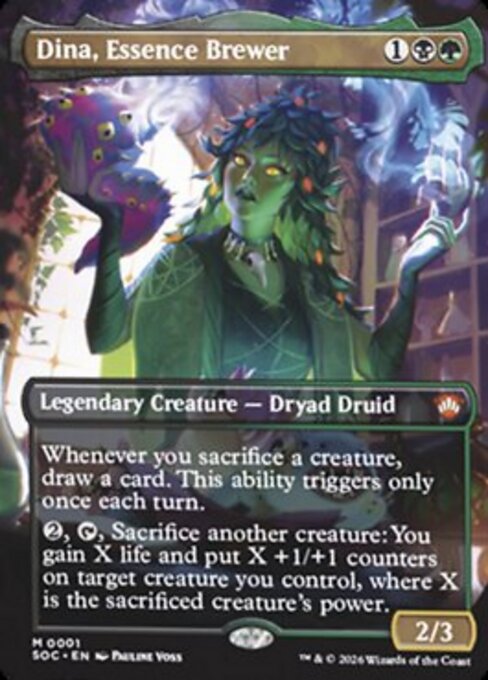
Dina, Essence Brewer
Utilizes creature sacrifice to draw cards and grow creatures with +1/+1 counters, aiming to build a powerful board state while gaining life and card advantage.

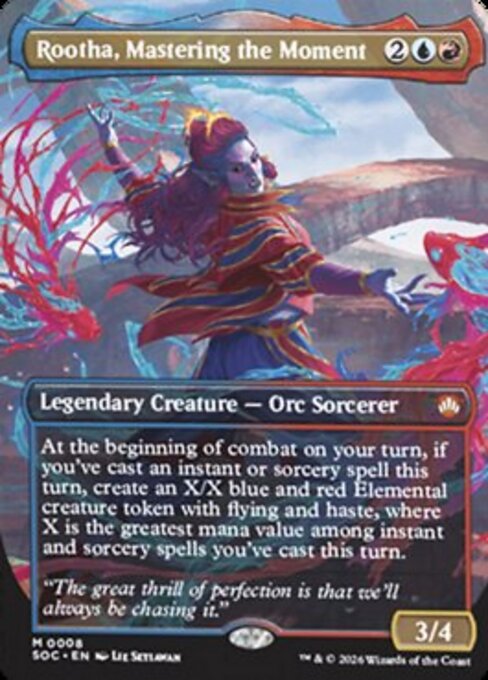
Rootha, Mastering the Moment
Focuses on casting instants and sorceries to create large elemental tokens with haste, aiming to develop a threatening and fast board presence.

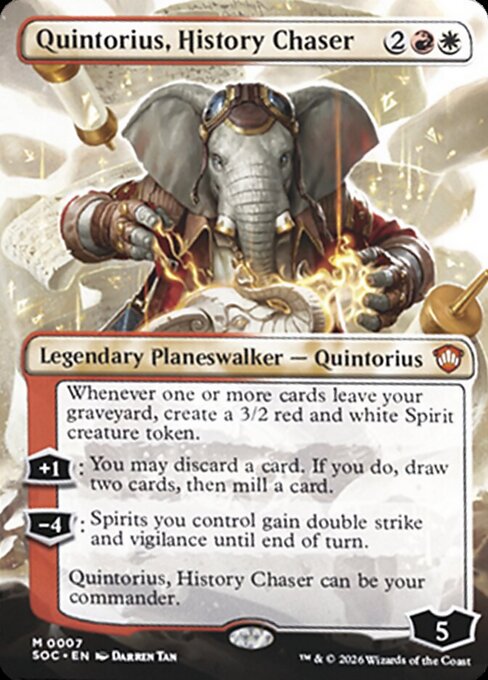
Quintorius, History Chaser
Leverages graveyard interactions to generate spirit tokens and provides powerful card advantage engines, with abilities to enhance spirits for combat dominance.

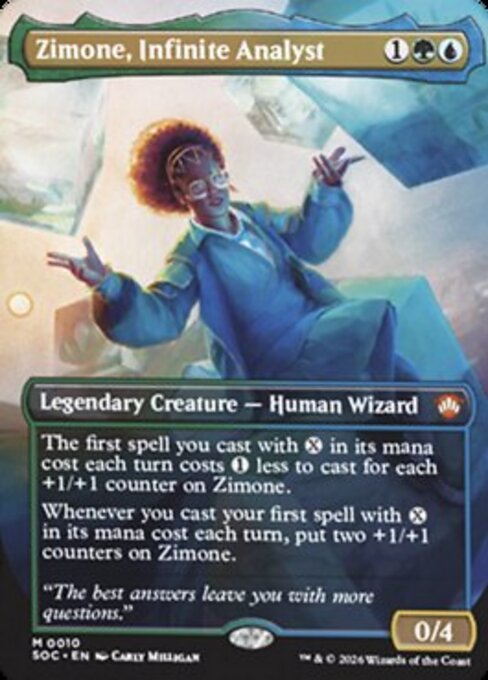
Zimone, Infinite Analyst
Reduces the cost of spells with variable mana costs using +1/+1 counters and grows those counters by casting spells with X in their cost, aiming for explosive spellcasting and board impact.
Gameplay Insights
- 1
Utilizing Ark of Hunger to trigger effects on cards leaving the graveyard allowed for continuous token generation and incremental damage, synergizing well with Quintorius and other graveyard interactions.
- 2
Quintorius’s ability to discard and draw cards was key in maintaining hand advantage and cycling through resources effectively.
- 3
Zimone’s ability to reduce X-cost spells’ mana requirements enabled the player to cast more impactful spells earlier, escalating tempo significantly.
- 4
Dina’s sacrifice mechanic provided a reliable engine for card draw and creature growth, enabling sustained pressure and resilience.
- 5
Rutha’s creation of elemental tokens through casting instants and sorceries created a persistent threat that pressured opponents to respond quickly or face being overwhelmed.
- 6
Players focused on ramping early to hit their critical plays on curve, which set the foundation for mid-game board presence and interactions.
Notable Cards
-

Ark of Hunger
-
Quintorius, History Chaser
-
Zimone, Infinite Analyst
-
Dina, Essence Brewer
-
Rootha, Mastering the Moment
Gameplay Summary
The game began with all players ramping aggressively to accelerate their mana development.
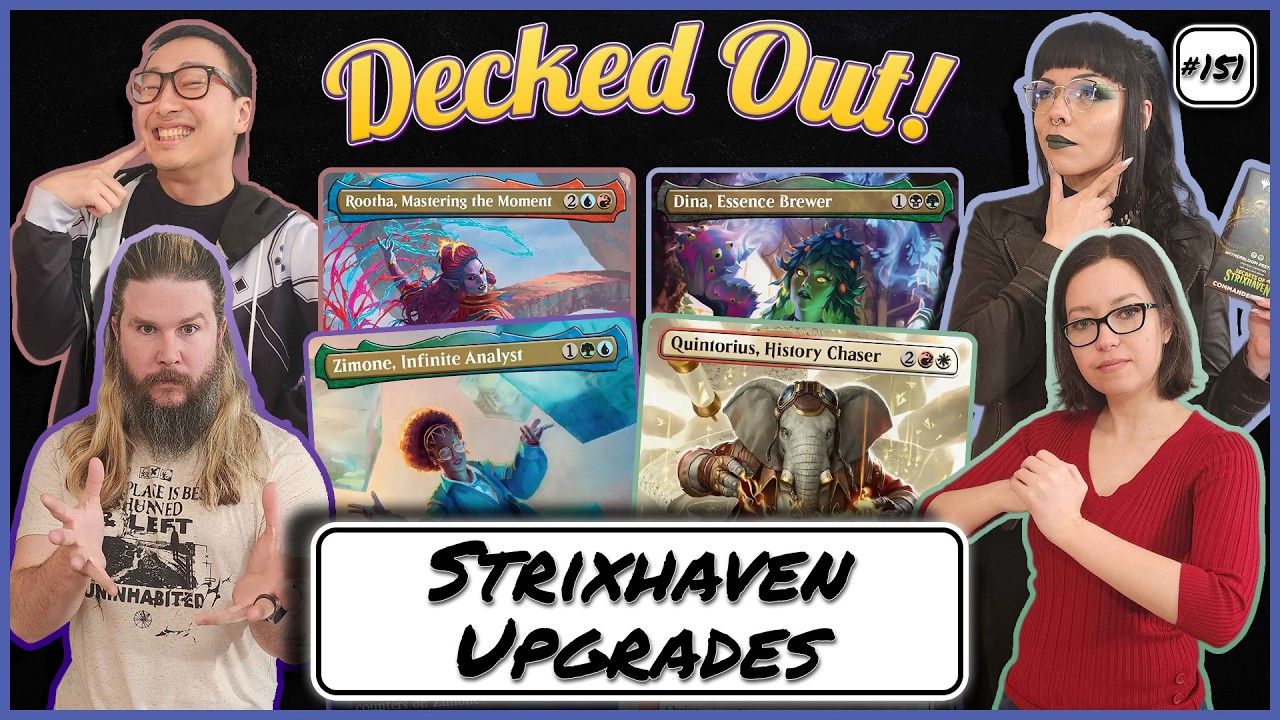
Early turns saw key commanders hitting the battlefield: Rutha, Mastering the Moment; Quintorius, History Chaser; Zimone, Infinite Analyst; and Dina, Essence Brewer.
Each commander brought distinct synergies—Rutha creating elemental tokens through instant and sorcery casting, Quintorius generating spirits from cards leaving the graveyard and providing card advantage, Zimone reducing the cost of spells with X in their mana cost and growing with counters, and Dina leveraging creature sacrifice for card draw and growth.
Ark of Hunger played a pivotal role by triggering effects whenever cards left graveyards, helping to generate spirits and deal incremental damage to opponents.
The interplay of graveyard interactions, token generation, and incremental life gain/damage marked the early to mid stages of the game.
A critical turning point was the repeated use of Quintorius's ability to discard and draw cards, accelerating resource advantage, while Zimone's counters reduced spell costs enabling more explosive plays.
Dina’s sacrifice engine began to fuel larger creatures and card draw, setting up for bigger board presence.
Rutha's elemental token production threatened to overwhelm opponents if left unchecked.
The board was in flux with many players developing their position, interacting with each other's boards through counterspells or removal, and leveraging their commanders’ unique abilities to maintain tempo and resource advantage.
The game’s progress hinged on managing these synergies and board states, with win conditions centering on either overwhelming board presence through tokens and creatures or out-valuing opponents with card advantage and incremental damage from life gain and graveyard triggers.