

Deck & Commander Strategies
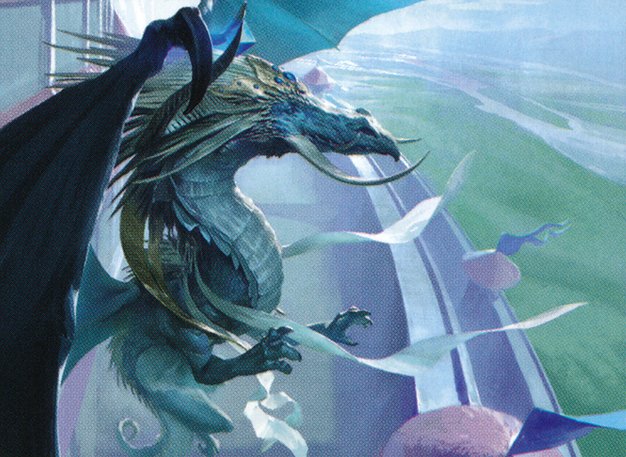
Arcades, the Strategist
Turn defenders into aggressive attackers by assigning damage equal to toughness and drawing cards when defenders enter the battlefield, overwhelming opponents with unexpectedly powerful walls.
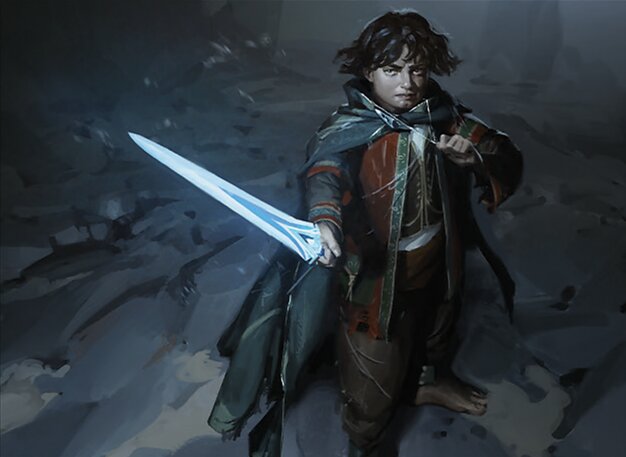
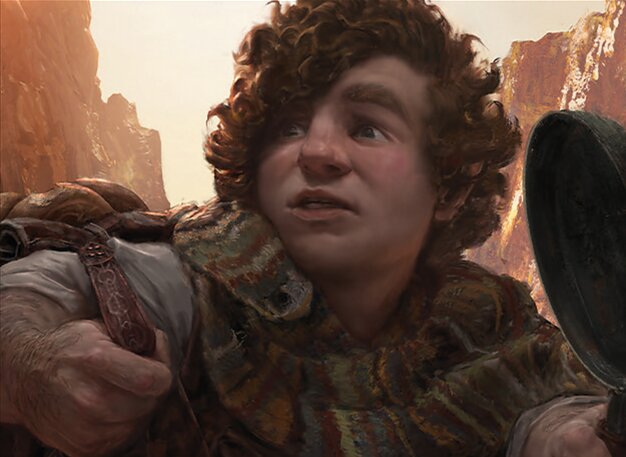
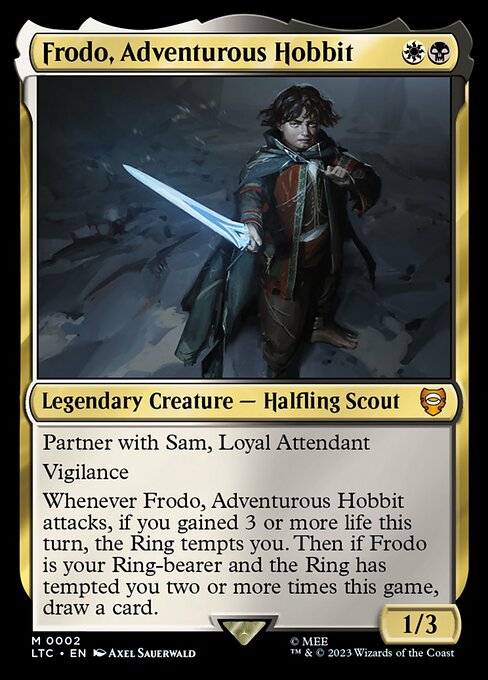
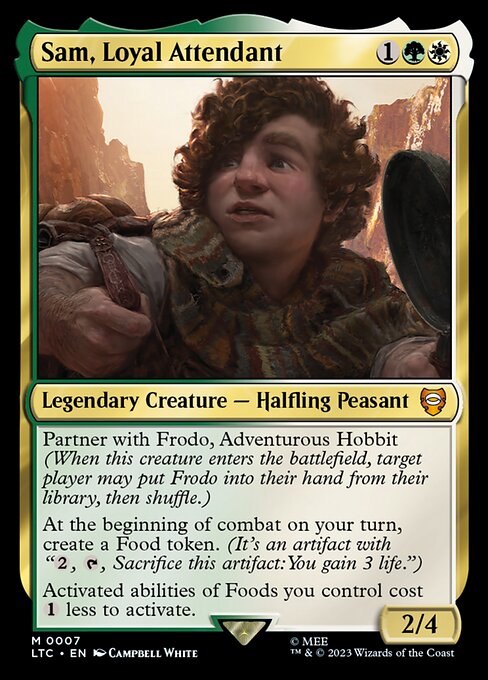
Frodo, Adventurous Hobbit and Sam, Loyal Attendant
Generate and consume food tokens to gain life and reduce activation costs, triggering life gain synergies to draw cards and maintain board presence.
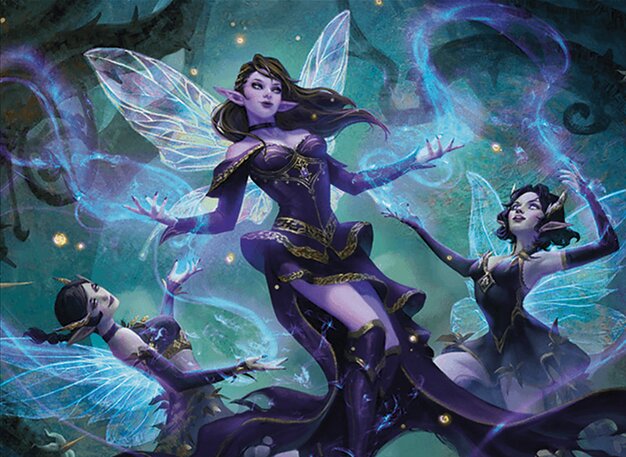
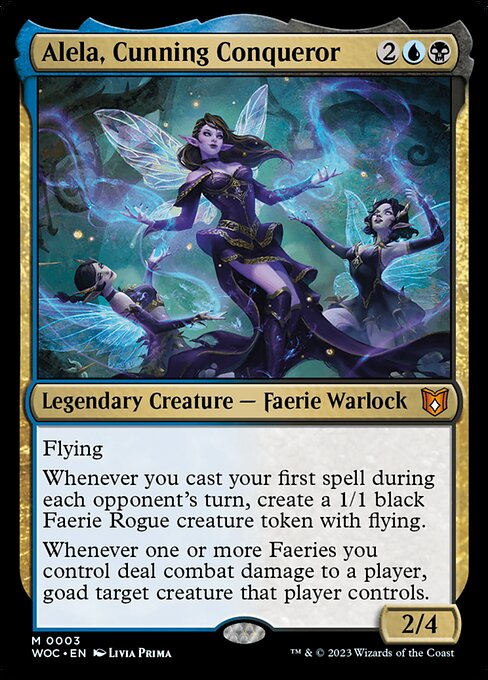
Alela, Cunning Conqueror
Cast spells during opponents' turns to create flying fairy tokens and use their combat damage triggers to disrupt opponents' creatures, building a flying army and controlling the board.

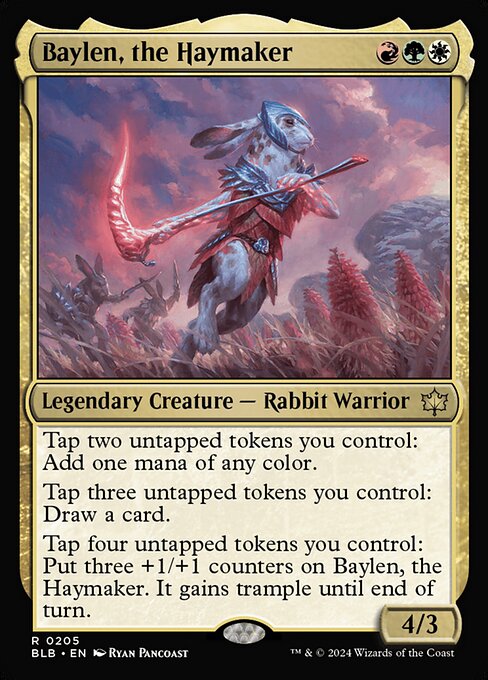
Baylen, the Haymaker
Produce various token types to generate mana, draw cards, and pump Baylen with +1/+1 counters and trample, turning token production into a powerful offensive threat.
Gameplay Insights
- 1
Arcades’ ability to let defenders attack and assign damage by toughness shifted the typical defensive role of walls into an offensive threat, surprising opponents.
- 2
The use of food tokens by Frodo and Sam to lower activation costs and trigger life gain synergies created incremental card advantage and resource efficiency.
- 3
Alela's strategy of casting spells during opponents' turns to produce fairies allowed for repeated combat damage triggers that could weaken or remove opposing creatures.
- 4
Baylen’s ability to tap varying token types to generate mana, draw cards, and pump herself provided flexible resource management and scalable threats.
- 5
Players carefully managed their clue and food tokens to maximize both card draw and board development, underscoring the importance of resource token interactions.
- 6
The deployment of key creatures like Tireless Tracker and Cranko Mob Boss early set up a strong engine for card advantage and token production, which were critical for mid-game momentum.
Notable Cards
-
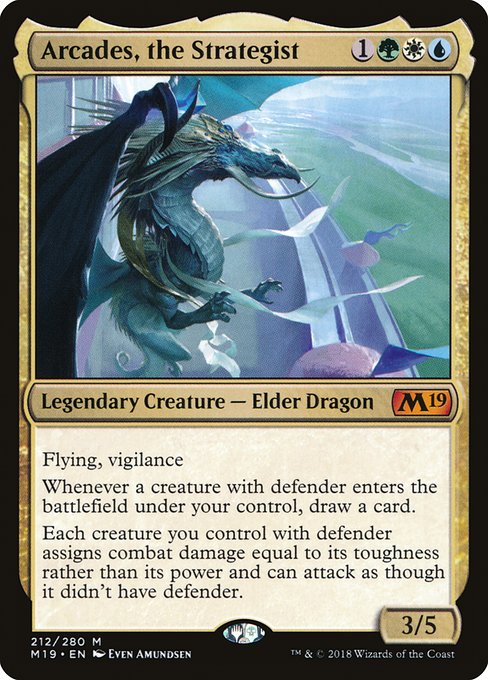
Arcades, the Strategist
-

Tireless Tracker
-
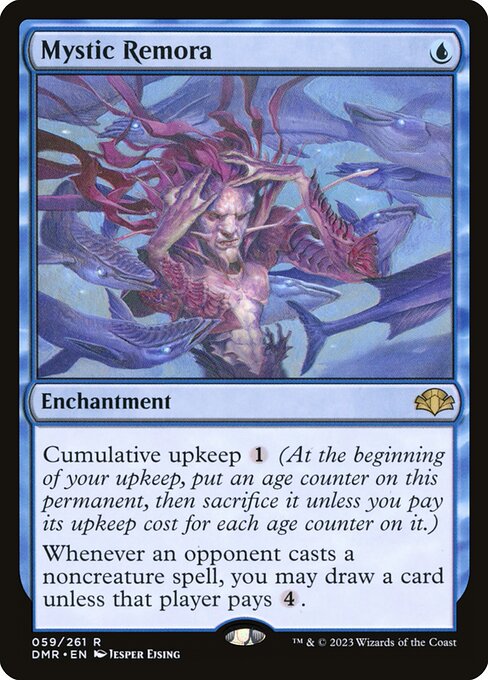
Mystic Remora
-
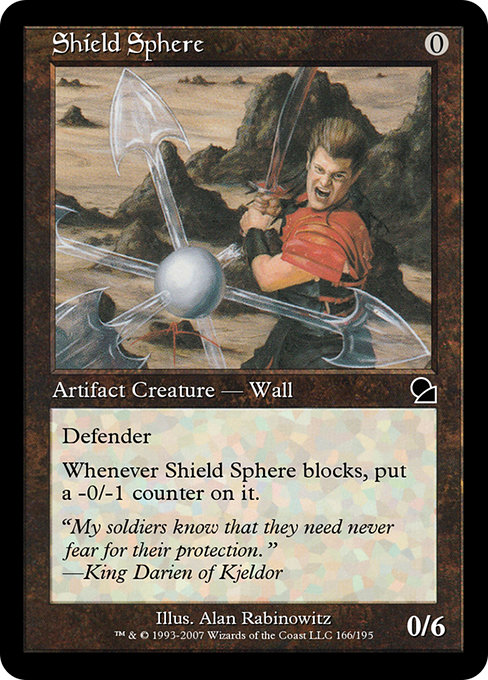
Shield Sphere
-

Lightning Greaves
-

Battlefield Forge
Gameplay Summary
The game featured four distinct decks centered around unique commanders with varied strategies.
Early turns were characterized by players developing their mana bases and deploying early creatures and token generators to establish board presence.
The Arcades, the Strategist deck focused on playing walls and defenders that could attack thanks to Arcades’ ability to assign damage equal to toughness, drawing cards and shifting the usual defensive playstyle into offense.
Meanwhile, the Frodo and Sam deck revolved around generating food tokens and leveraging life gain triggers to draw cards and build incremental advantage. Alela, Cunning Conqueror’s player aimed to cast spells on opponents' turns to generate flying fairy tokens and then use those fairies to chip away at opponents’ boards and life totals.
Baylen, the Haymaker utilized a token-based strategy with multiple token types to generate mana, draw cards, and pump herself to become a formidable attacker.
Key moments included the deployment of tireless tracker and Cranko Mob Boss, which provided card advantage and token generation respectively, and the use of Ton’s Messenger to enhance the fairy tokens.
Combat phases were significant, with Arcades’ walls turning into aggressive attackers and Alela’s fairies applying pressure through both damage and targeted removal effects.
The interaction between token production, card draw engines, and incremental life gain created a dynamic mid-game state.
The game’s turning points hinged on board development and the ability to leverage each commander’s synergy and unique abilities to control the flow and maximize damage output.


![Commander VS S12E1: Nicol Bolas vs Arcades vs Vaevictis Asmadi vs Chromium [EDH] thumbnail](https://i.ytimg.com/vi/gtfErgL6f9U/sddefault.jpg)


