


Deck & Commander Strategies

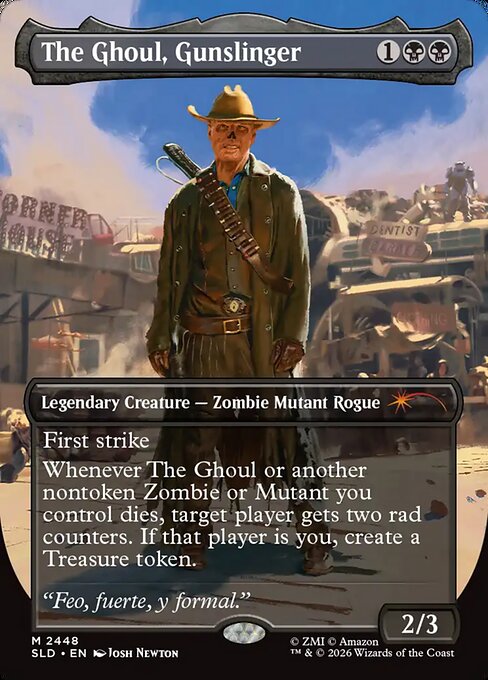
The Ghoul, Gunslinger
Leverages sacrificing zombies and mutants to generate rad counters and treasure tokens, fueling aristocrat-style combos and graveyard recursion to create a resilient board state.

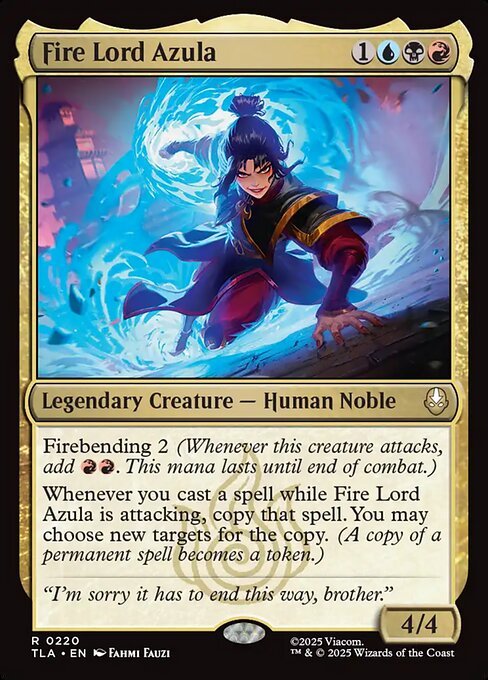
Fire Lord Azula
Focuses on spell-slinging with the ability to copy spells cast during attacks, enabling powerful spell interactions, multiple triggers, and generating card advantage to dominate the game.

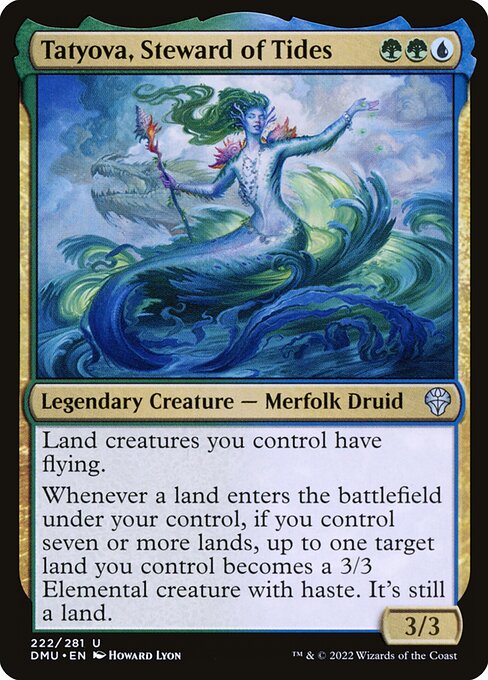
Tatyova, Steward of Tides
Ramp-heavy deck that turns lands into flying, hasty creatures upon reaching seven lands, aiming to build a large aerial threat base supported by mana acceleration and defensive cards.
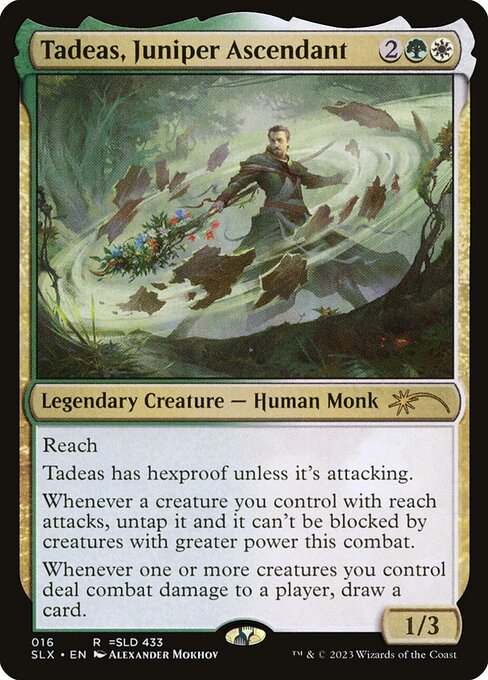
Dhalsim, pliable pacifist
Utilizes reach creatures with evasion that untap after attacking to deal consistent combat damage, drawing cards to maintain momentum and pressure opponents.
Gameplay Insights
- 1
The Ghoul, Gunslinger player’s early Goblin Bombardment play indicated a potential for sacrifice combos and synergy with zombie tokens, putting pressure on opponents to disrupt this strategy.
- 2
Fire Lord Azula’s ability to copy spells during attacks created a tactical threat that influenced opponents’ choices around when to cast spells, effectively applying pressure and increasing card advantage opportunities.
- 3
Tatyova’s ramp and land animation strategy required patience and board stabilization, using cards like Glacial Chasm to survive early aggression while building towards a decisive aerial assault.
- 4
Dhalsim’s evasive reach creatures and card draw ability allowed for incremental advantage through combat phases, promoting a steady, resilient game plan that could adapt to board changes.
Notable Cards
-
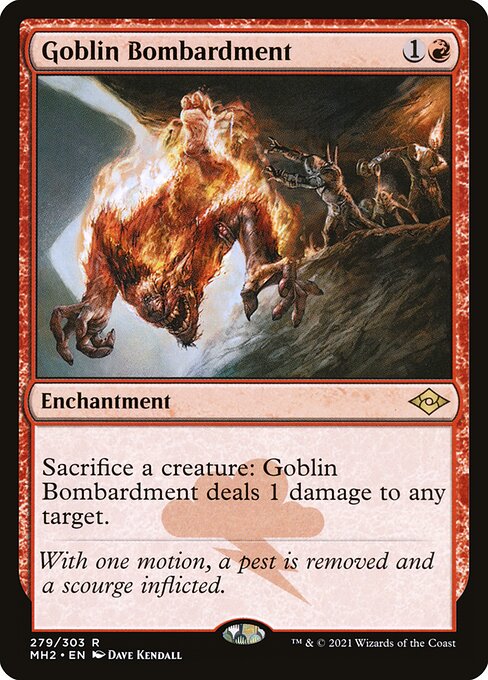
Goblin Bombardment
-
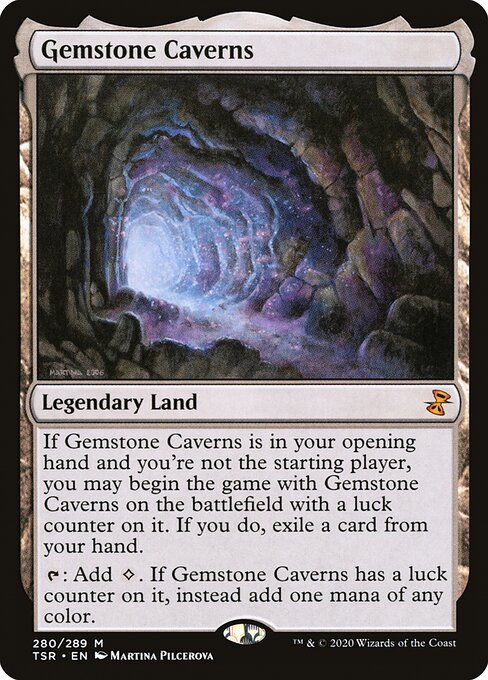
Gemstone Caverns
-
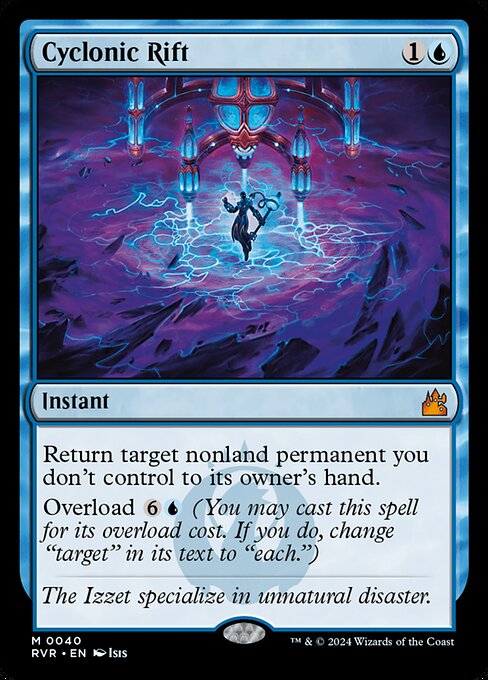
Cyclonic Rift
-
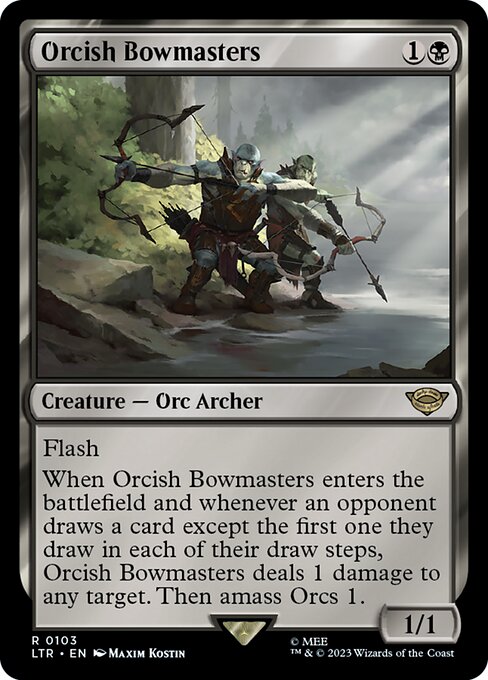
Orcish Bowmasters
-
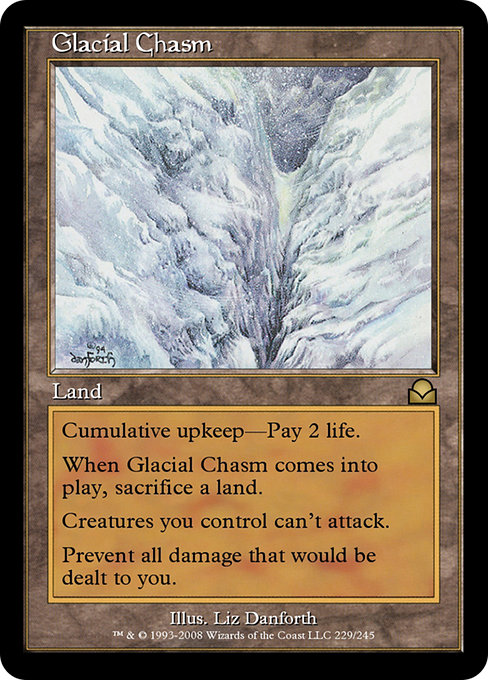
Glacial Chasm
-
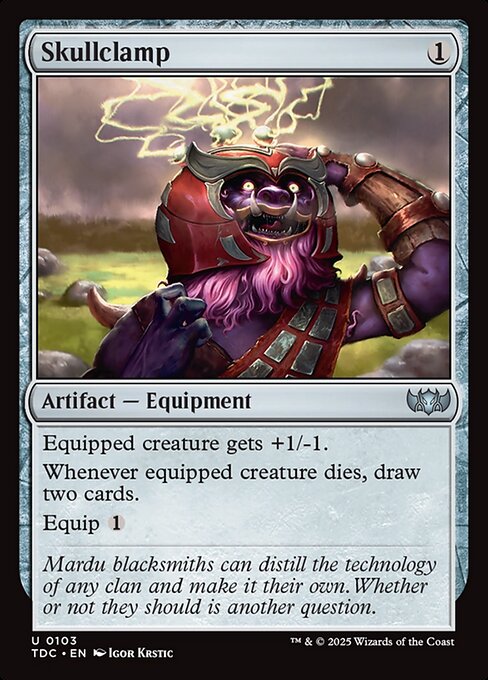
Skullclamp
-
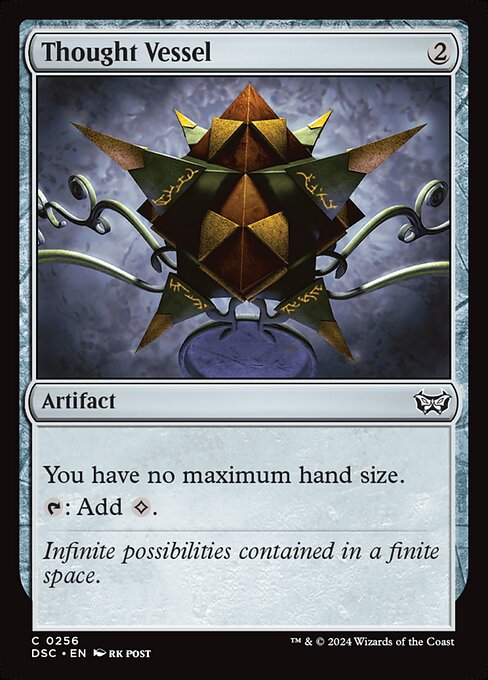
Thought Vessel
Gameplay Summary
The game featured four distinct commanders with unique strategies, creating a dynamic and interactive board state early on.
The Ghoul, Gunslinger deck focused on generating value through sacrificing zombies and mutants to accumulate rad counters while creating treasure tokens, leveraging aristocrat-style synergies to pressure opponents.
Fire Lord Azula's deck revolved around spell-slinging with firebending and copying spells during attacks, aiming to capitalize on multiple spell triggers for card advantage and board presence.
Tatyova, Steward of Tides prioritized land ramp and board development by turning lands into flying, hasty creatures after reaching a critical land count, aiming for an aerial assault backed by big mana plays.
Meanwhile, Dhalsim, the pliable pacifist, utilized reach attackers with evasion and card draw by dealing combat damage, focusing on drawing through the deck and maintaining board presence with reach creatures. Early turns saw a slow build-up of mana bases, with key lands like Gemstone Caverns and snow-covered basics entering play, setting up future plays.
One pivotal moment involved the early deployment of Goblin Bombardment from The Ghoul, Gunslinger player, signaling an aristocrat combo potential.
The game showcased a mix of aggressive and controlling plays, with players carefully managing resources and timing spells around attacks.
The Fire Lord Azula player threatened to double spells while attacking, creating tension on how opponents would respond to potential spell duplication.
Meanwhile, Tatyova’s player aimed to survive with cards like Glacial Chasm and ramp into a large army of animated lands, while Dhalsim aimed to leverage reach and card draw to maintain tempo.
Overall, the game unfolded with strategic positioning around these synergies, with the win conditions centered on either overwhelming board presence through tokens and combos or out-valuing opponents with spell duplication and card advantage.


![Najal vs Tatyova vs Dihada vs Jetmir [EDH/Commander, Magic The Gathering Gameplay 2022] thumbnail](https://i.ytimg.com/vi/bAfl5dUQ9EE/sddefault.jpg)


