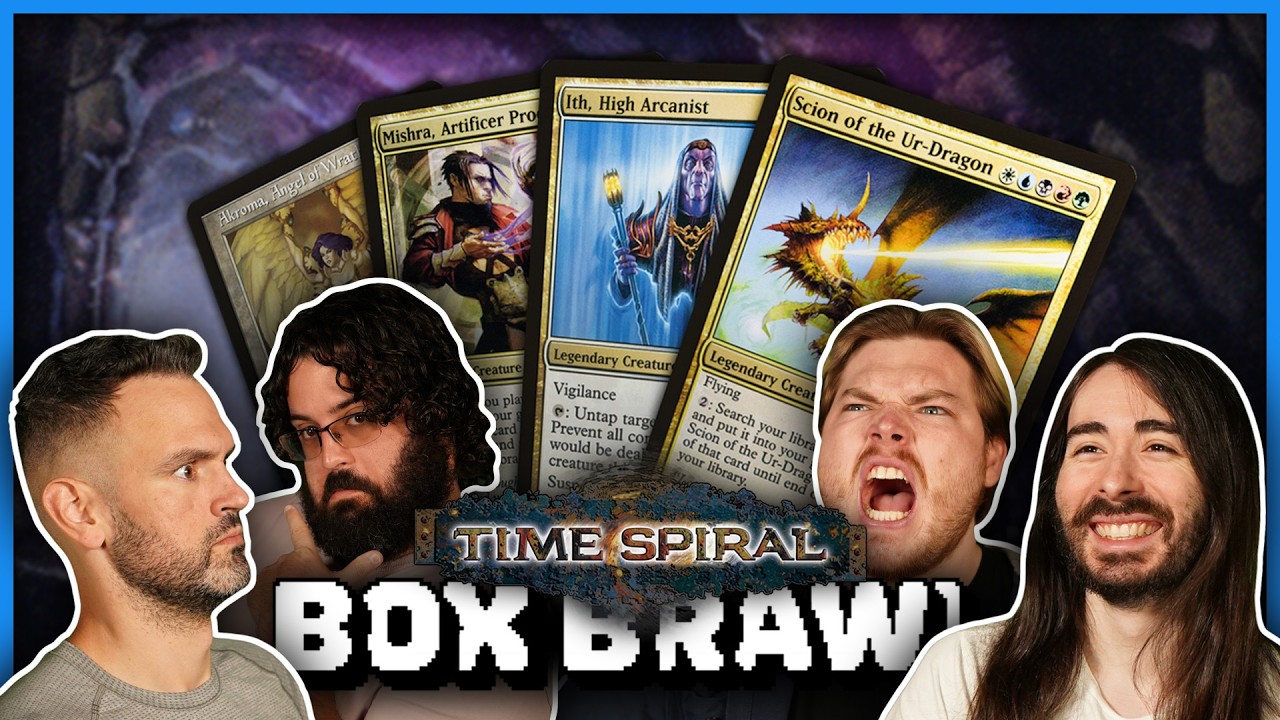

Deck & Commander Strategies
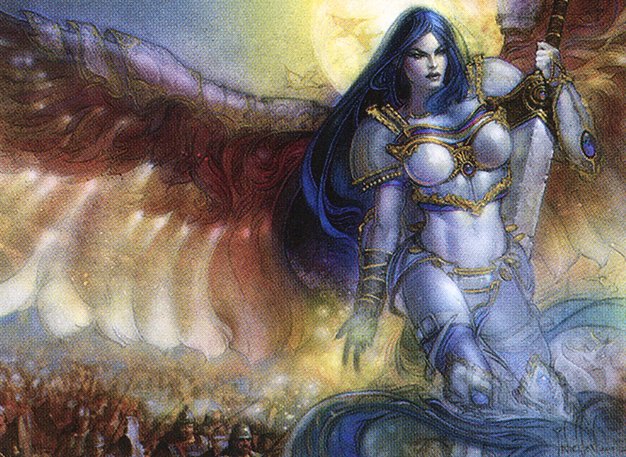
Akroma, Angel of Wrath
A high-impact flying attacker with multiple combat-related keywords designed to quickly dominate combat phases and end the game through overwhelming damage.
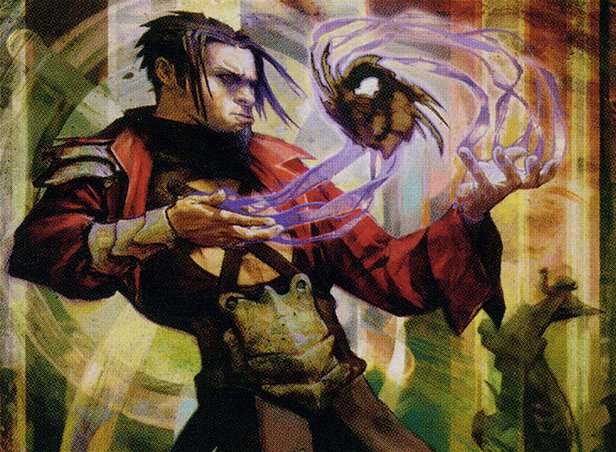
Mishra, Artificer Prodigy
An artifact-centric deck focused on playing artifact spells to fetch additional copies from the graveyard, hand, or library, enabling powerful recursion and combo potential.

Ith, High Arcanist
A control-oriented deck with suspend mechanics and the ability to untap attacking creatures to prevent combat damage, focusing on stalling opponents and leveraging combat interaction.
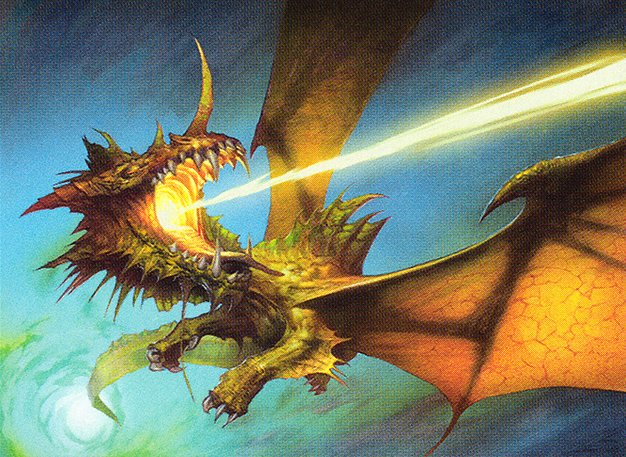
Scion of the Ur-Dragon
A dragon tribal strategy that uses Scion's ability to tutor dragon cards into the graveyard and then copy them, generating powerful dragon threats to overwhelm opponents.
Gameplay Insights
- 1
Using Gemstone Cavern in pregame to gain mana advantage and influence early game tempo was a key strategic move.
- 2
Mishra's ability to recur artifacts from multiple zones allowed for explosive tempo plays and potential combos.
- 3
Ith, High Arcanist's combat damage prevention and untap ability acted as a strong defensive tool to stall aggressive opponents.
- 4
Scion of the Ur-Dragon's ability to tutor dragons into the graveyard and then become copies provided a flexible and powerful late-game threat.
- 5
The shift to a 40-card deck format increased the odds of drawing key cards like Coalition Victory, enabling faster and more consistent win conditions.
Notable Cards
-
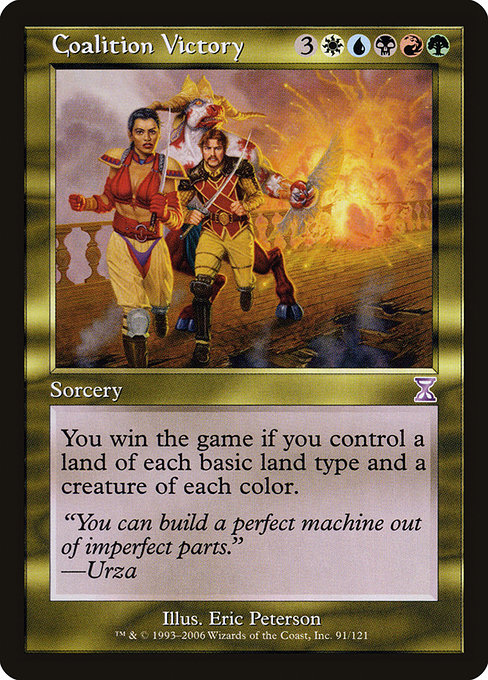
Coalition Victory
-
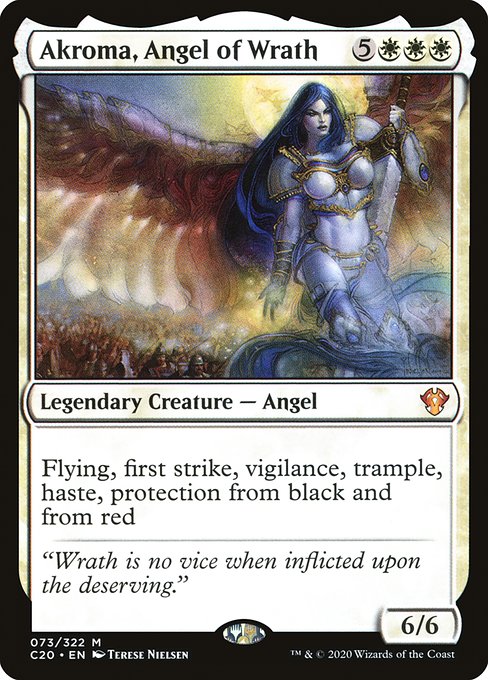
Akroma, Angel of Wrath
-
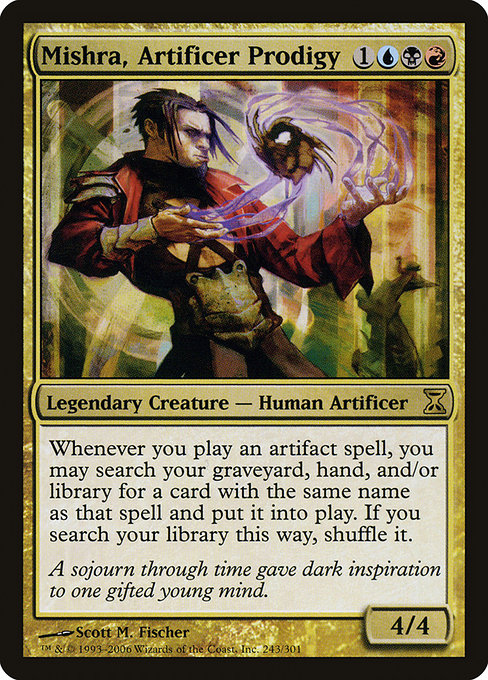
Mishra, Artificer Prodigy
-
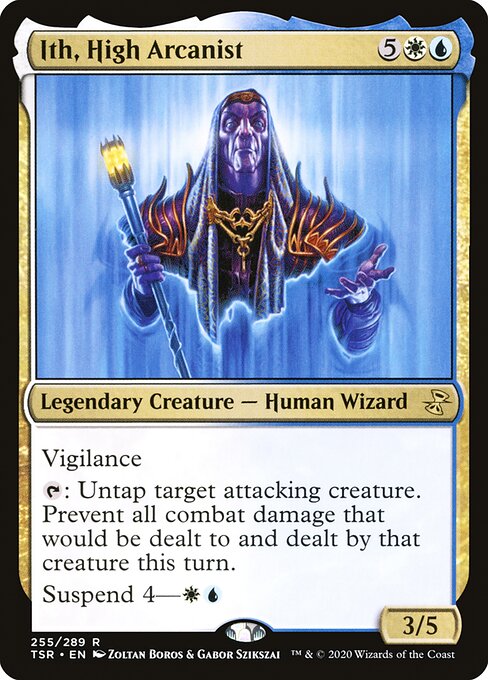
Ith, High Arcanist
-
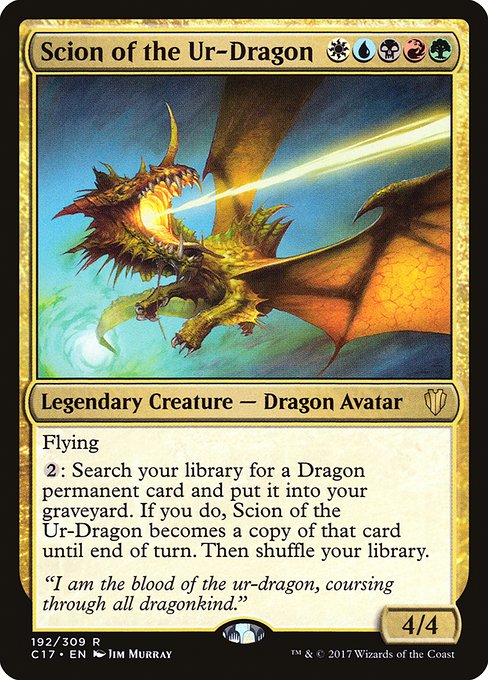
Scion of the Ur-Dragon
-
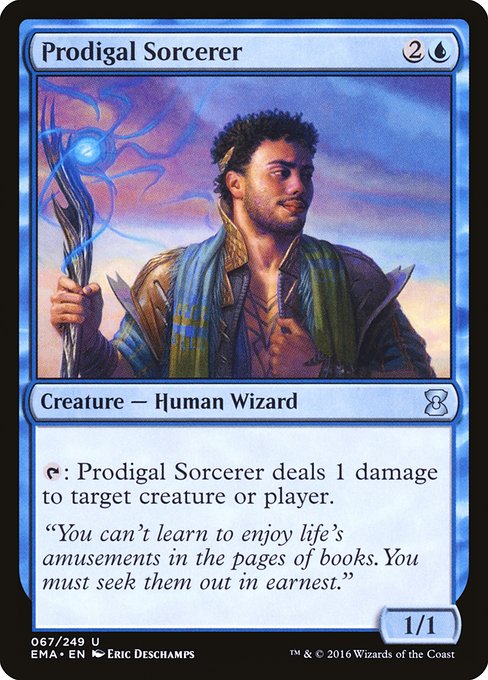
Prodigal Sorcerer
-
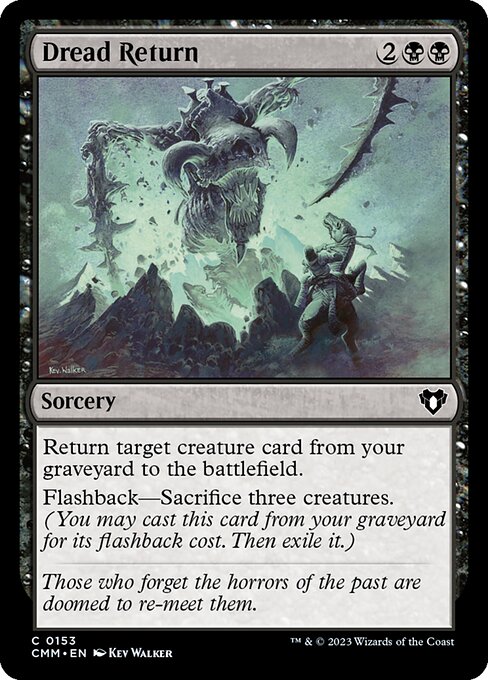
Dread Return
-
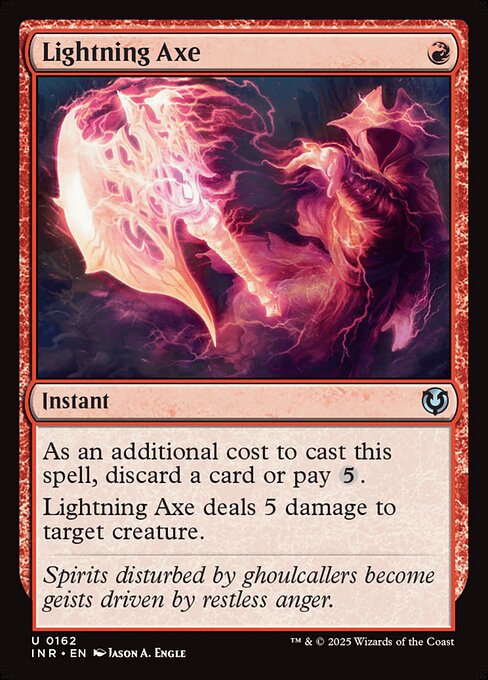
Lightning Axe
-
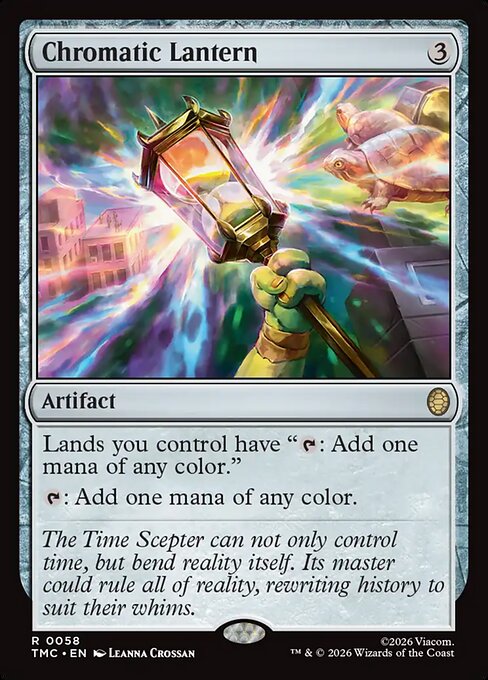
Chromatic Lantern
Gameplay Summary
The game began with players drafting commanders and opening cards from a Time Spiral box, leading to interesting deck compositions with classic and powerful cards.
The decks included notable commanders such as Akroma, Angel of Wrath, Mishra, Artificer Prodigy, Ith, High Arcanist, and Scion of the Ur-Dragon.
Early turns featured pregame actions like gemstone caverns being played to gain mana advantage.
The players discussed their strategies and the synergies their commanders offered, while trying to optimize their 40-card decks for speed and effectiveness.
Key moments involved players leveraging artifact recursion, combat prevention, and the dragon tutor ability of Scion of the Ur-Dragon to shape board presence and control the flow of combat.




![Commander Vs S2E7: Akroma & Akroma vs Sygg & Sygg [MtG: Multiplayer] thumbnail](https://i.ytimg.com/vi/p9zNX8lmBYA/sddefault.jpg)


![Commander VS S6E3: Jarad vs Selvala vs Daretti vs Mishra [MTG] thumbnail](https://i.ytimg.com/vi/z5dT7_TLJF4/sddefault.jpg)


![Commander VS S3E4: Jhiora vs Iroas vs Scion of the Ur-Dragon vs Oona [MTG: Multiplayer] thumbnail](https://i.ytimg.com/vi/Mr3sJsmVTFw/sddefault.jpg)
![Commander Versus Series: Ur-Dragon (David McDarby) vs Sen Triplets (Danny West) [MTG/EDH] thumbnail](https://i.ytimg.com/vi/yRCcWRRtVcw/sddefault.jpg)
![Commander VS S1E4: Prossh vs Derevi vs Karador vs Scion [MTG Multiplayer] thumbnail](https://i.ytimg.com/vi/qKq_zjLSJU8/sddefault.jpg)


