

Deck & Commander Strategies
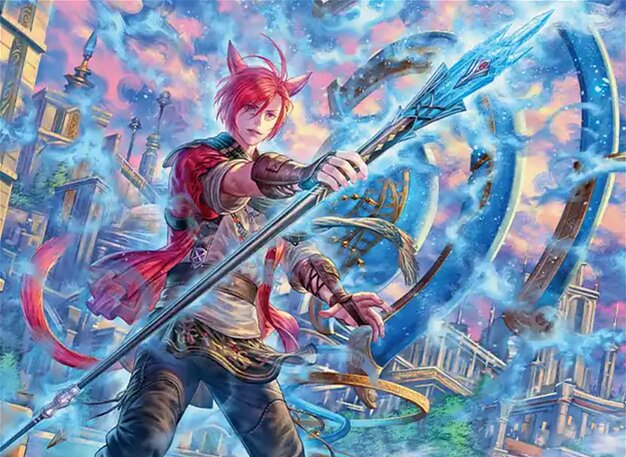
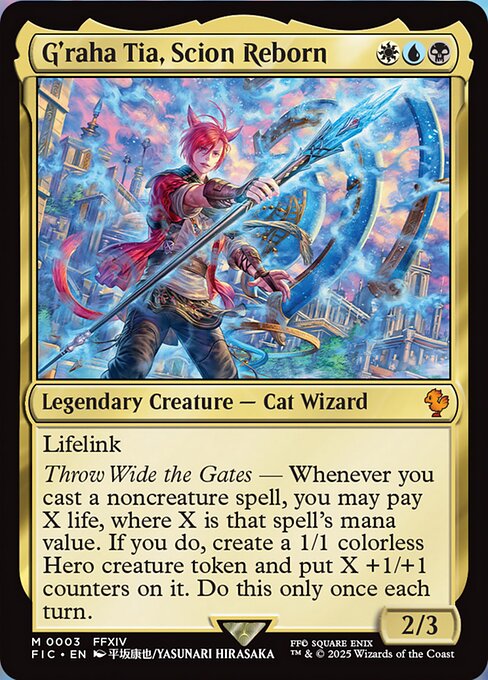
G'raha Tia, Scion Reborn
Utilizes aggressive creatures and artifact synergy to generate tokens and apply constant pressure. Employs artifact destruction and combat triggers to disrupt opponents and maintain board dominance.
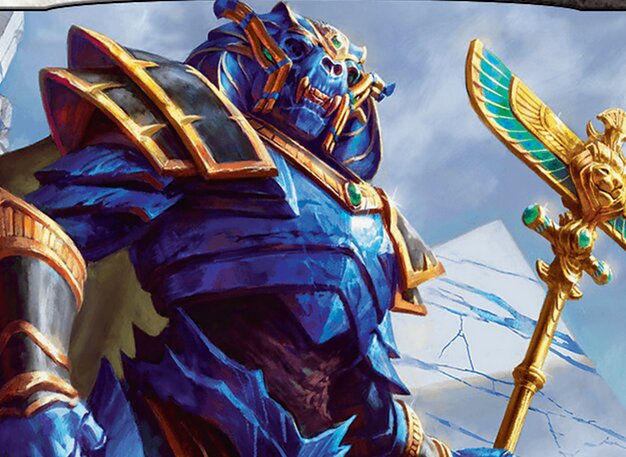
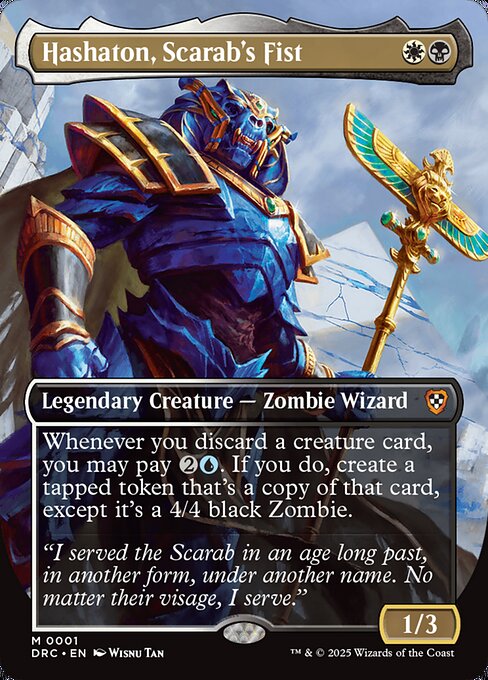
Hashaton, Scarab's Fist
Focuses on artifact-based combo potential with disruption elements like counterspells and removal. Uses mana acceleration artifacts to quickly deploy threats and control the board.

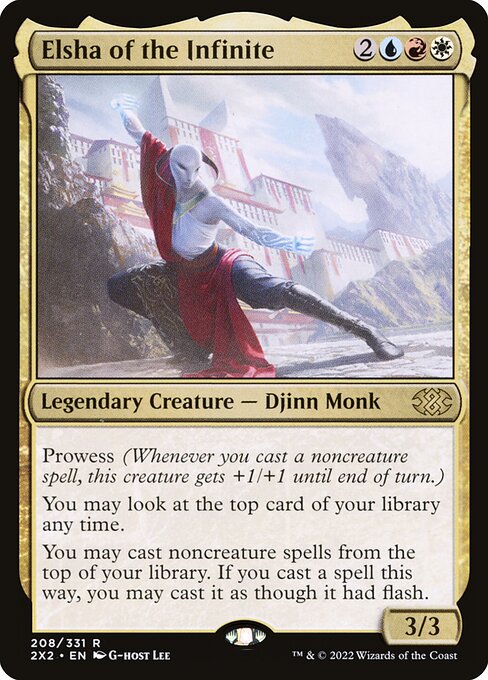
Elsha of the Infinite
Leverages spellcasting and value engines like Urza's Saga to generate constructs and create a resilient board. Uses artifact and enchantment interactions to maintain tempo and card advantage.

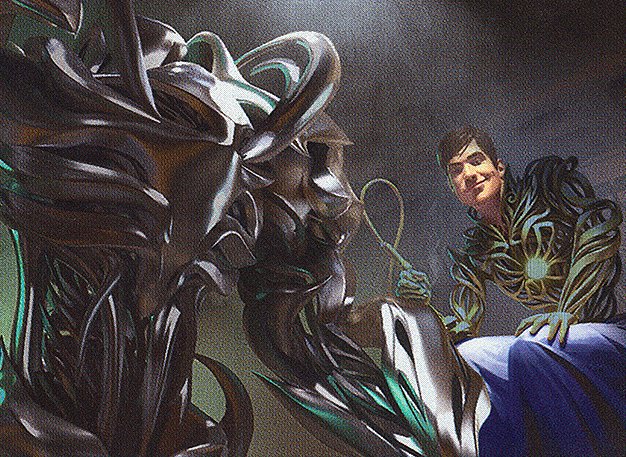
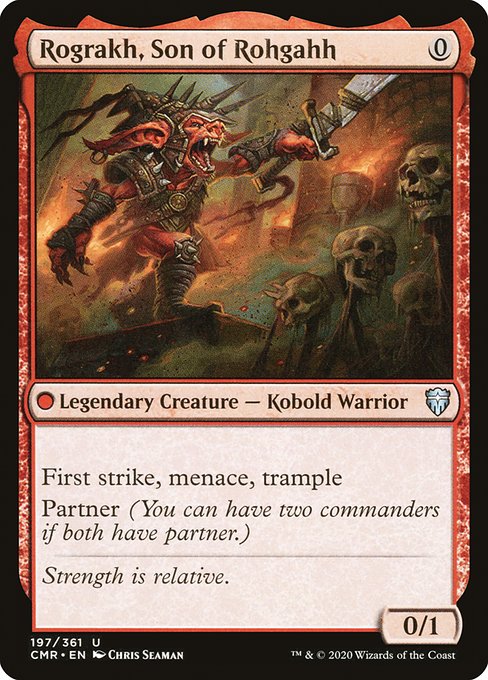
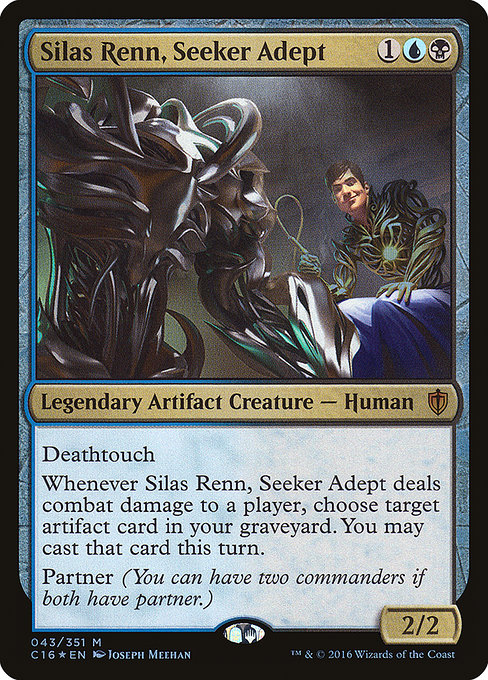
Rograkh, Son of Rohgahh / Silas Renn, Seeker Adept
Combines aggressive goblin tribal tactics with artifact recursion and disruption. Uses sacrifice outlets and combat triggers to maximize damage output and control the board state.
Gameplay Insights
- 1
Sacrificing Dauntless Dismantler at a pivotal moment to clear one-drop artifacts crippled opponents' mana bases and slowed down their combo potential.
- 2
Utilizing mobilize triggers effectively to remove attacking goblin tokens and maintain aggressive pressure while controlling the board.
- 3
The use of Urza's Saga to generate artifact constructs provided both board presence and resilience against removal.
- 4
Activating The One Ring strategically to draw extra cards and gain incremental advantage threatened opponents but required timely counterplay.
- 5
Players carefully managed triggers and combat steps to maximize damage and minimize risk, demonstrating high-level resource and tempo control.
Notable Cards
-
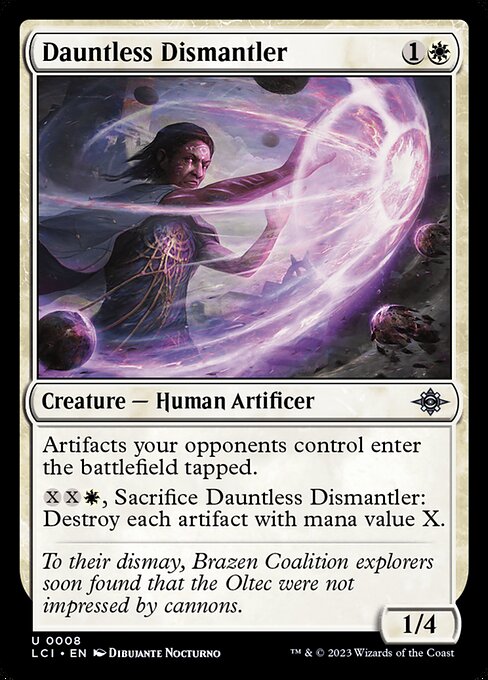
Dauntless Dismantler
-
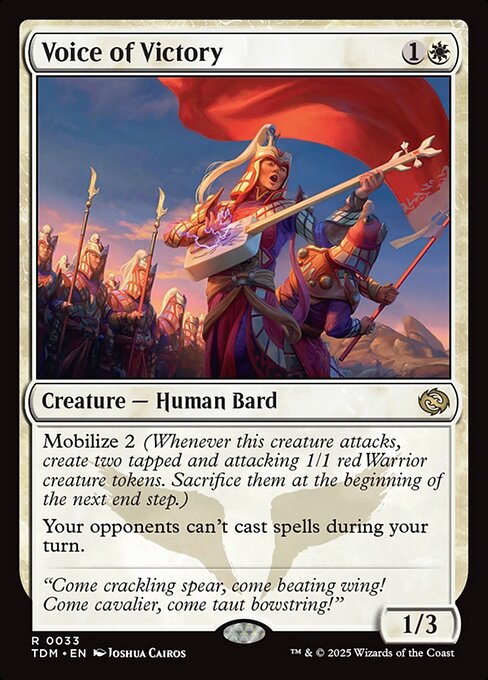
Voice of Victory
-
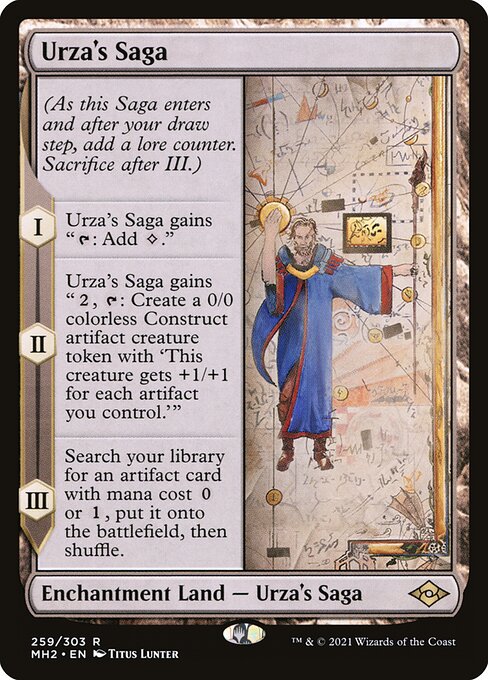
Urza's Saga
-
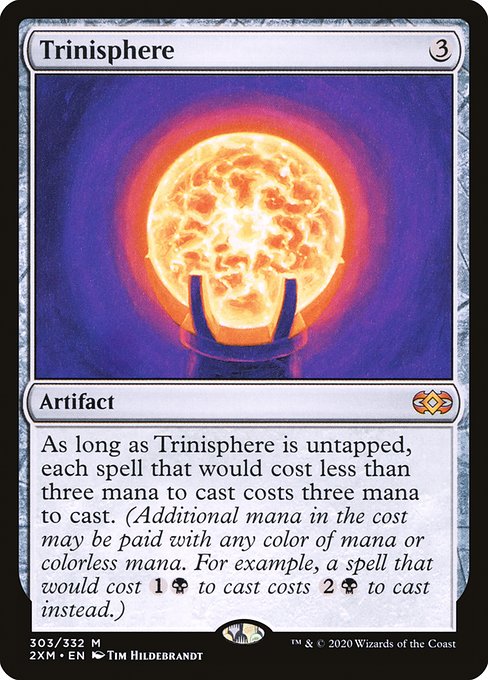
Trinisphere
-
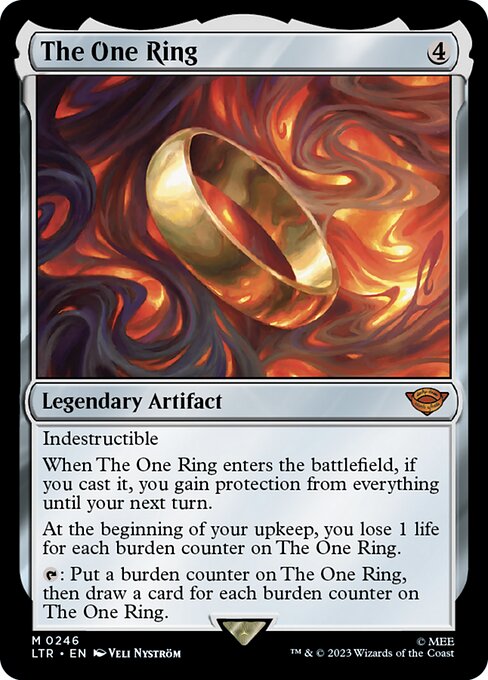
The One Ring
-
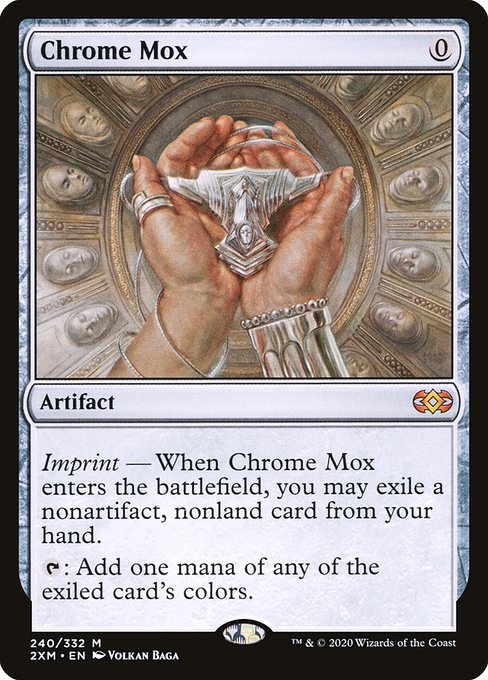
Chrome Mox
-
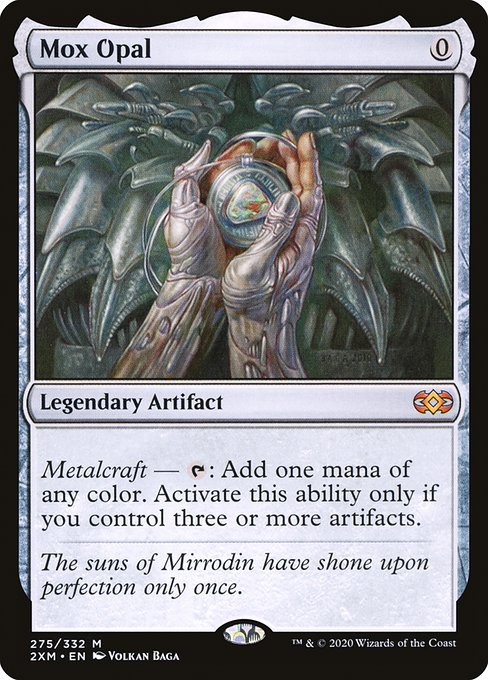
Mox Opal
-
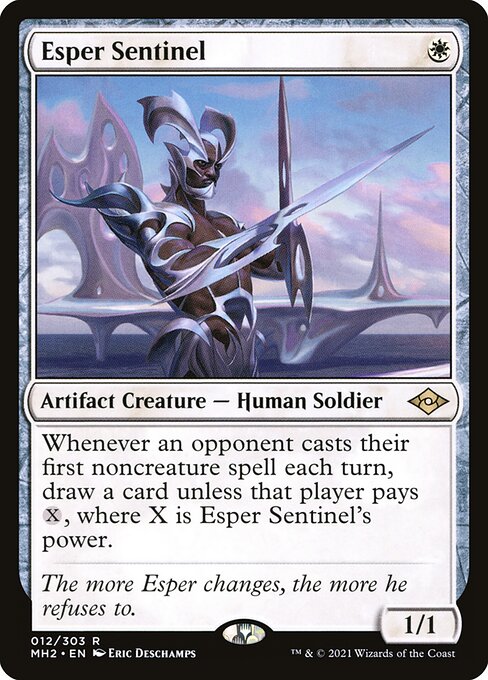
Esper Sentinel
Gameplay Summary
The game opened with a typical early setup phase where players deployed mana acceleration and key artifacts like Chrome Mox, Mox Opal, and Soul Ring.
G'raha Tia established a strong board presence with creatures such as Voice of Victory and Dauntless Dismantler, which proved pivotal in disrupting artifact-based strategies by destroying key one-drop artifacts.
The game tempo was influenced by artifacts like Trinisphere, which slowed down spellcasting, and the use of Urza's Saga to generate constructs helped maintain board presence.
Interaction was heavy, with counterspells and removal spells keeping the pace tense and players cautious.
A critical moment came when Dauntless Dismantler was sacrificed to clear the board of one-drop artifacts, weakening opponents' mana acceleration and disrupting combos.
G'raha Tia's tokens and red warriors kept applying pressure, swinging aggressively at multiple opponents.
Meanwhile, the activation of The One Ring by another player threatened card advantage and control, but timely responses and threats kept the game balanced.
In combat, coordinated attacks forced players to make difficult blocking decisions, and the mobilize triggers continually cleared out smaller attackers, maintaining aggressive momentum for G'raha Tia's deck.
The game was characterized by tight resource management, incremental advantage plays, and artifact-centric disruption, culminating in aggressive board states and combat damage as the primary means of victory.


