

Deck & Commander Strategies

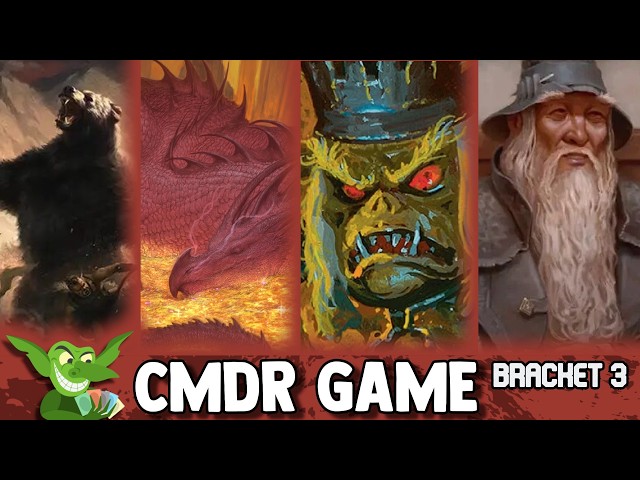
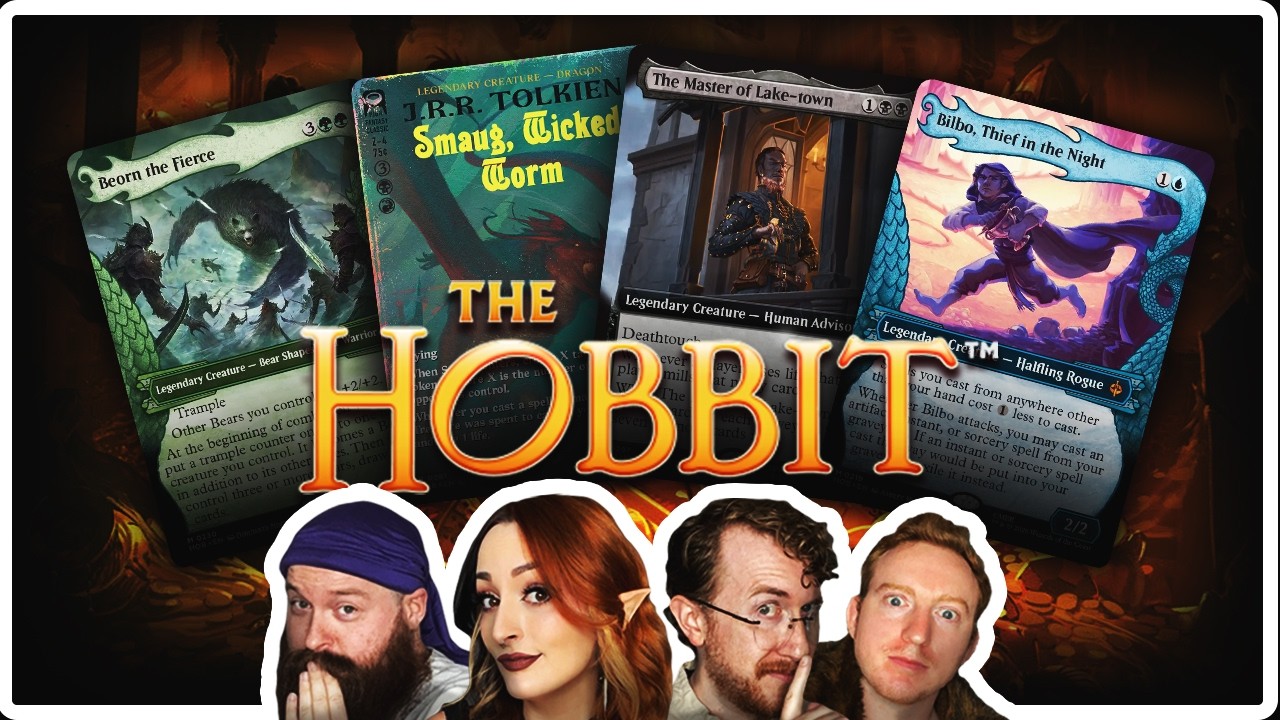
Bilbo, Thief in the Night
Leverages casting spells from the graveyard at reduced cost during attacks to gain card advantage and value from artifact, instant, or sorcery spells, aiming to out-resource opponents.

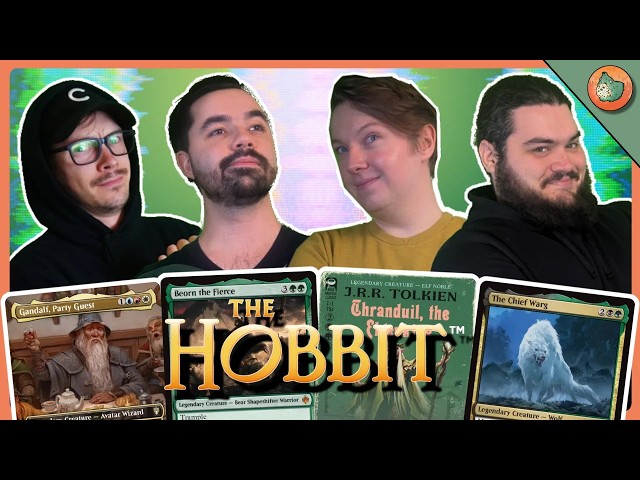
Beorn the Fierce
Transforms creatures into bears and buffs them, creating a synergistic bear tribal deck that generates card draw and strong board presence through trample and multiple bears.

Smaug, Wicked Worm
Generates treasure tokens based on artifacts opponents control to accelerate mana and draw cards by spending treasure mana, supporting a ramp and value-based dragon deck.

The Master of Lake-town
Uses life loss and milling triggers to pressure opponents' resources, with a death trigger that draws cards based on graveyard sizes, focusing on attrition and incremental advantage.
Gameplay Insights
- 1
The Master of Lake-town’s combination of life loss and milling caused steady disruption to opponents’ hands and decks, forcing them to adapt quickly.
- 2
Smaug’s treasure generation based on opponents’ artifact counts allowed explosive mana acceleration and card draw, creating a strong mid-game advantage.
- 3
Beorn’s ability to turn creatures into bears increased board threat density and enabled powerful card draw triggers when controlling multiple bears.
- 4
Bilbo’s graveyard spell casting was a thematic and strategic challenge, requiring careful timing to maximize value from spells cast outside the hand.
- 5
Golem Riddlemaster’s even/odd mana cost trigger created tension and interaction by punishing players based on the spells they cast, adding a layer of resource decision-making.
- 6
Tiny Bones Joins Up synergized well with The Master of Lake-town’s life loss theme, amplifying both milling and life loss across all players.
Notable Cards
-
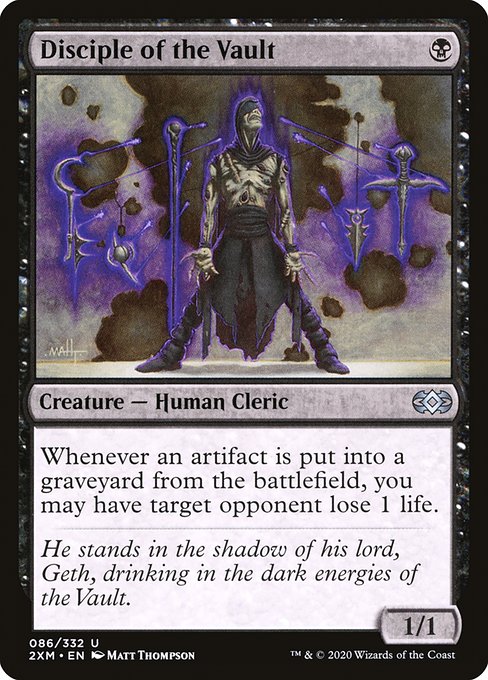
Disciple of the Vault
-
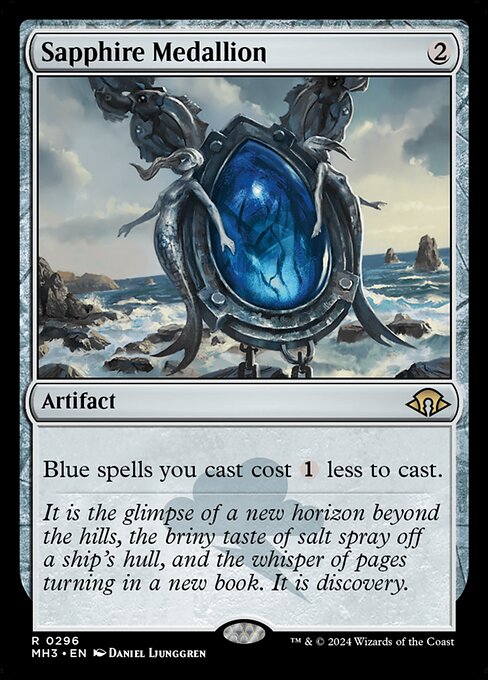
Sapphire Medallion
-

Nature's Lore
-

Terramorphic Expanse
Gameplay Summary
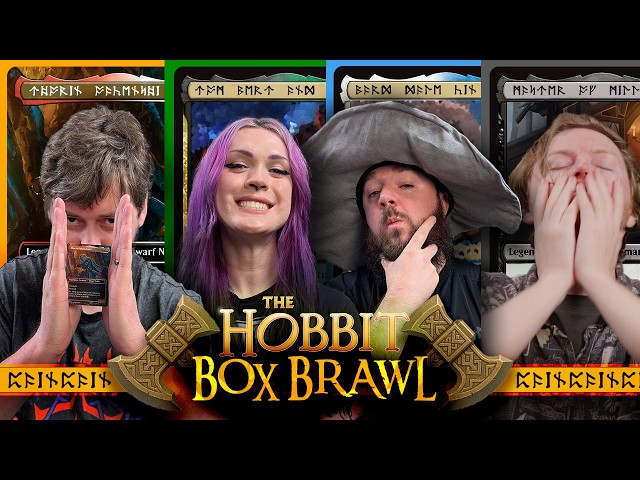
The game started with each player deploying their Hobbit-themed commanders and establishing early board presence.
Beorn the Fierce focused on creating and buffing bears to draw cards, Smaug, Wicked Worm generated treasure tokens based on opponents' artifacts to fuel card draw and mana acceleration, The Master of Lake-town applied a life loss and milling synergy with Tiny Bones and other effects to pressure opponents, and Bilbo, Thief in the Night aimed to cast spells from the graveyard with cost reduction.
Early turns featured low-cost creatures and incremental life loss/milling effects, setting a tempo-based pace with resource denial and card advantage.
The Master of Lake-town’s death trigger and Tiny Bones’ discard/mill synergy created a constant drain on opponents, while Smaug capitalized on treasure tokens to ramp and draw cards, gaining momentum with each spell cast.
Beorn’s strategy of making creatures into bears and drawing cards started to build significant board presence.
Bilbo struggled initially but leveraged graveyard spells as the game progressed.
The game’s turning point occurred when The Master of Lake-town’s gradual milling and life loss began to heavily impact opponents’ hands and decks, while Smaug’s treasure generation ensured a steady stream of resources.
Combat swings and incremental damage slowly chipped away at players’ life totals.
The interplay of life loss, milling, and artifact synergy created a dynamic battlefield.
The game was poised around resource management, attrition, and leveraging unique commander abilities, with players maneuvering to outvalue and outlast their opponents through card advantage, board control, and incremental damage.