


Deck & Commander Strategies

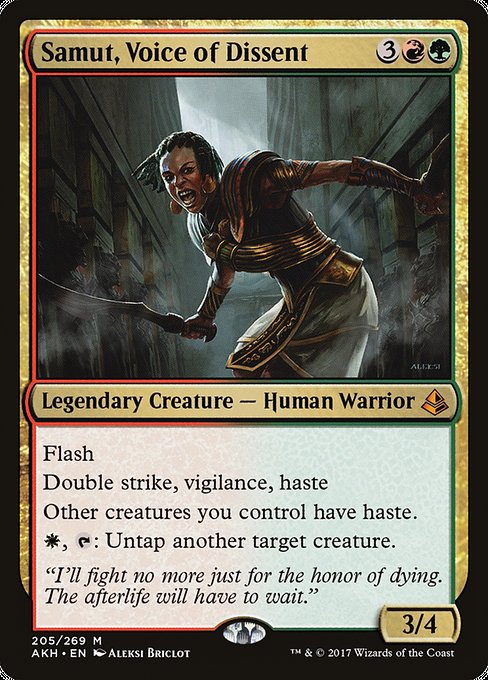
Samut, Voice of Dissent
A fast, aggressive creature-based deck focusing on combat superiority with double strike and haste to apply early pressure and maintain board dominance.
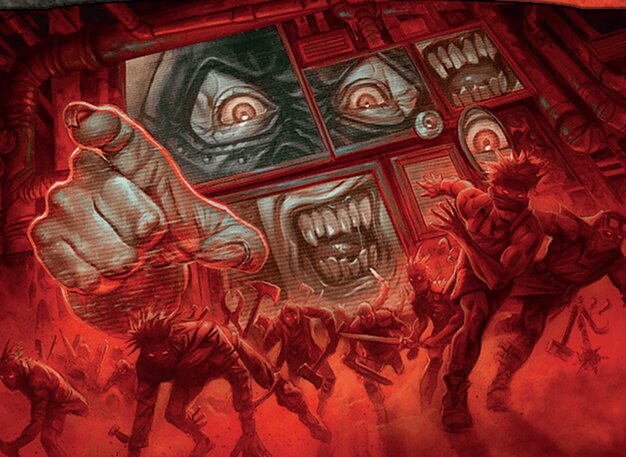
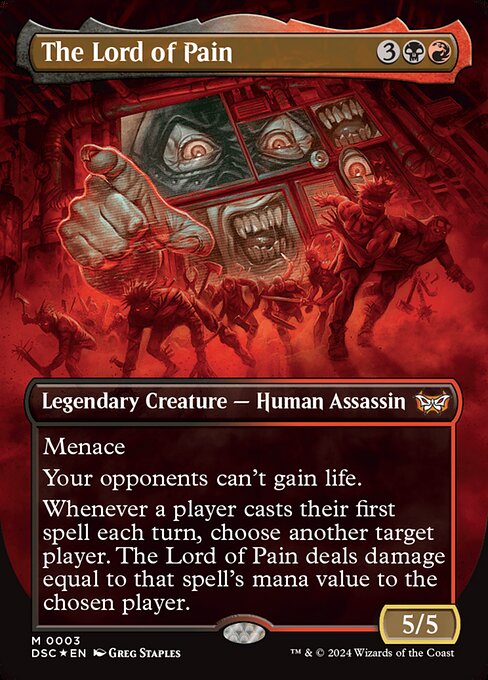
The Lord of Pain
A burn and life-denial deck that punishes opponents by dealing damage equal to spell mana values, preventing life gain and wearing down enemies through incremental damage.

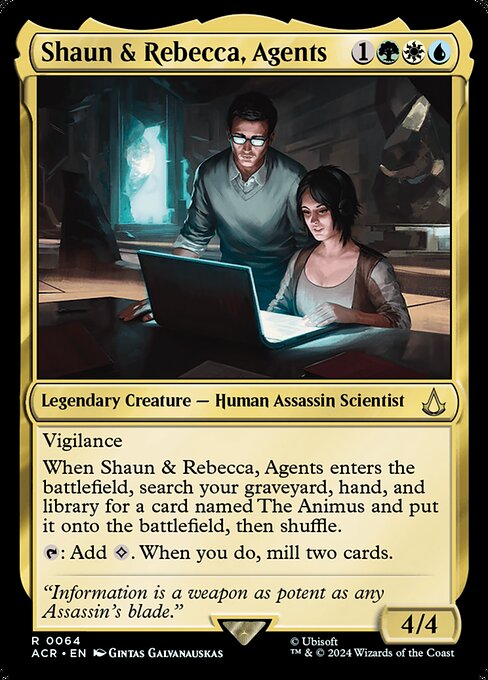
Shaun & Rebecca, Agents
A synergistic creature deck leveraging the unique abilities of the duo to generate value through tactical creature deployment and board control.

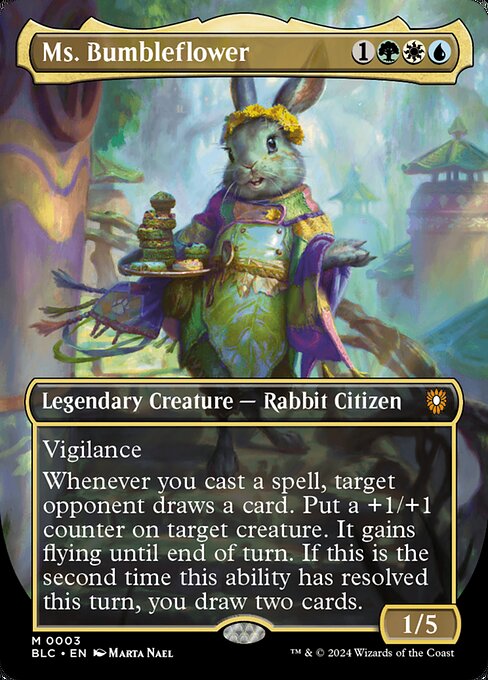
Ms. Bumbleflower
A spell-slinging deck designed to cast multiple spells per turn to draw cards, distribute +1/+1 counters, and gain incremental advantages through spell-triggered abilities.
Gameplay Insights
- 1
The introduction of the augment deck created dynamic board states requiring players to adapt their strategies to random positive or negative creature modifications.
- 2
Ms. Bumbleflower's strategy to cast multiple spells per turn was key to maintaining card advantage and board presence, especially when combined with beneficial augments.
- 3
The Lord of Pain's ability to deal damage whenever spells were cast steadily pressured opponents, forcing them to consider the cost of each action.
- 4
Players had to weigh the risk and reward of playing creatures that might gain detrimental augments, influencing mulligan decisions and creature deployment timing.
- 5
The social and humorous interactions among players helped ease tension but also highlighted the importance of timing and communication in multiplayer Commander games.
Notable Cards
-
The Lord of Pain
-
Ms. Bumbleflower
-
Samut, Voice of Dissent
-
Shaun & Rebecca, Agents
Gameplay Summary
The game featured four players piloting unique Commander decks and introduced a special augment deck mechanic that attached random abilities to each non-token creature as they entered the battlefield.
This added a layer of unpredictability and strategic adaptation throughout the game.
Early on, players were cautious with their board development, mindful of the augment effects that could either benefit or hinder them.
The Lord of Pain player focused on a burn and life-denial strategy, dealing incremental damage whenever spells were cast, steadily pressuring opponents.
Meanwhile, Ms. Bumbleflower's deck aimed to leverage multiple spell casts per turn to draw cards and grow board presence, seeking to capitalize on card advantage and incremental buffs.
Samut, Voice of Dissent and Shaun & Rebecca, Agents contributed with aggressive, creature-focused strategies, influencing board state control and tempo. The augment deck's influence became a pivotal factor, forcing players to carefully consider each creature deployment and the attached augmentations.
Key turning points included successful multi-spell turns by Ms. Bumbleflower that replenished her hand and buffed creatures, as well as The Lord of Pain's steady damage output that chipped away at opponents' life totals.
The game evolved into a balance between managing the risk of negative augments and maximizing the value of positive ones, with players adjusting their tactics to the ever-changing creature enhancements.
Ultimately, the interplay between the augment mechanics and each deck's core strategy shaped the outcome, highlighting creative deckbuilding and adaptive gameplay in Commander format.


![Assassin's Creed Home Brew ED. EP: 42 Edward Kenway V Ezio V Haytham Kenway V Shaun & Rebecca [EDH] thumbnail](https://i.ytimg.com/vi/b6YAF8_z1QQ/sddefault.jpg)


![Commander VS S7E4: Hapatra vs Samut vs Temmet vs Neheb [MTG] thumbnail](https://i.ytimg.com/vi/oZSx_7WMoTE/sddefault.jpg)


