Deck & Commander Strategies
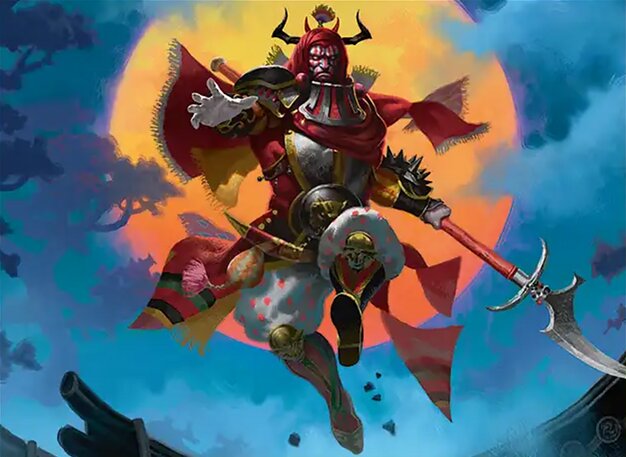
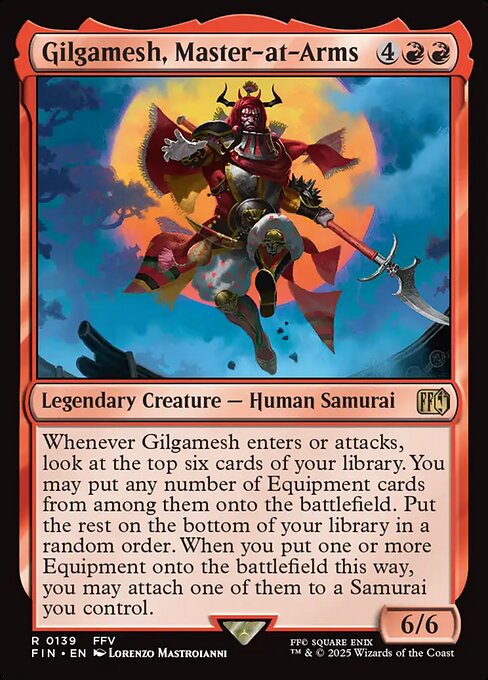
Gilgamesh, Master-at-Arms
A mono-red equipment deck that aims to flood the battlefield with artifact equipment and quickly equip Gilgamesh or other samurai to deal massive double strike commander damage.
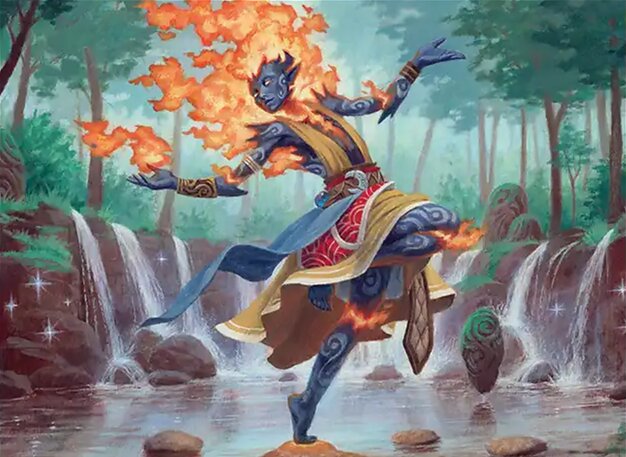
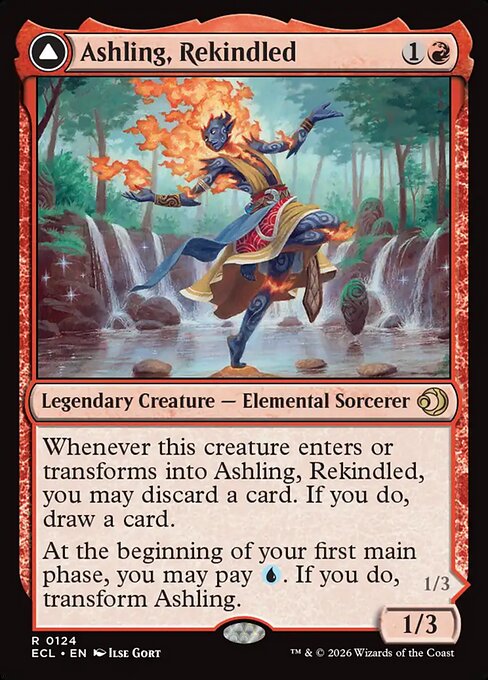
Ashling, Rekindled // Ashling, Rimebound
An Izzet ramp deck that transforms Ashling early to generate mana for casting large spells and aims to burn out opponents with heavy-hitting spells and creatures.
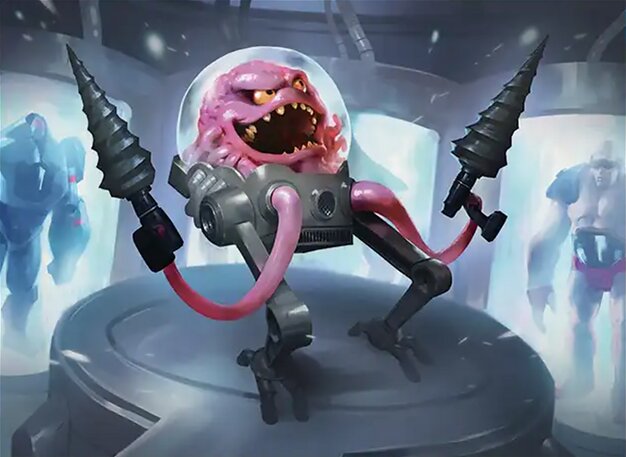
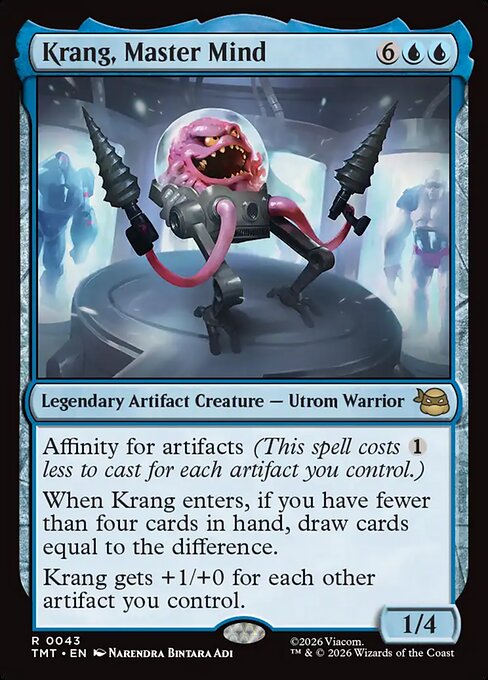
Krang, Master Mind
An artifact-focused deck that plays a high density of artifacts to reduce casting costs and draw cards, building incremental advantage through artifact synergies.
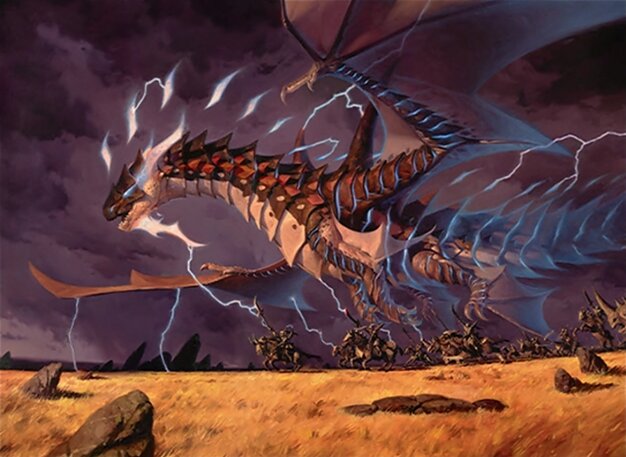
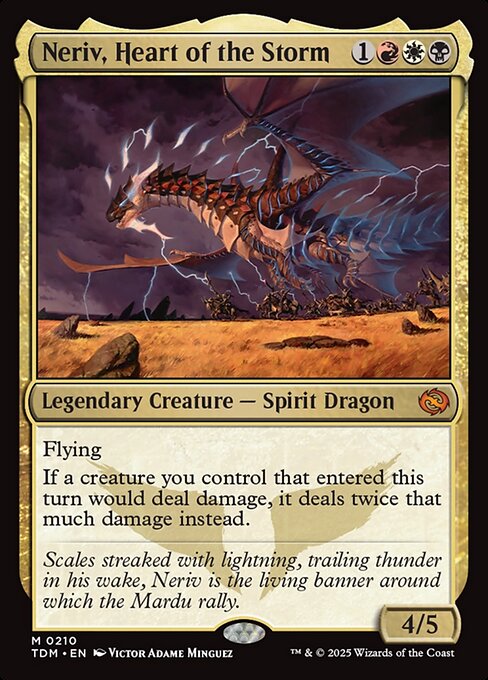
Neriv, Heart of the Storm
A Mardu aggressive deck that relies on creatures dealing double damage when they enter the battlefield, aiming to quickly overwhelm opponents with multiple combat phases and damage boosts.
Gameplay Insights
- 1
Gilgamesh’s enter-the-battlefield ability to put multiple equipment cards onto the battlefield and automatically equip one creates a powerful tempo swing that can quickly threaten opponents.
- 2
Transforming Ashling early to Ashling Rimebound enabled access to additional mana sources specifically for casting high-cost spells, accelerating the deck's win condition.
- 3
Krang’s focus on playing artifacts every turn maximized the commander’s ability to draw cards and maintain resource advantage, crucial in a multiplayer setting.
- 4
Neriv's ability to double damage from creatures that enter the battlefield that turn incentivizes aggressive and timely creature deployment to maximize damage output.
- 5
Players used artifact ramp and equipment synergies to gain early board presence, setting up for explosive combat phases that could quickly change the game state.
Notable Cards
-
Gilgamesh, Master-at-Arms
-
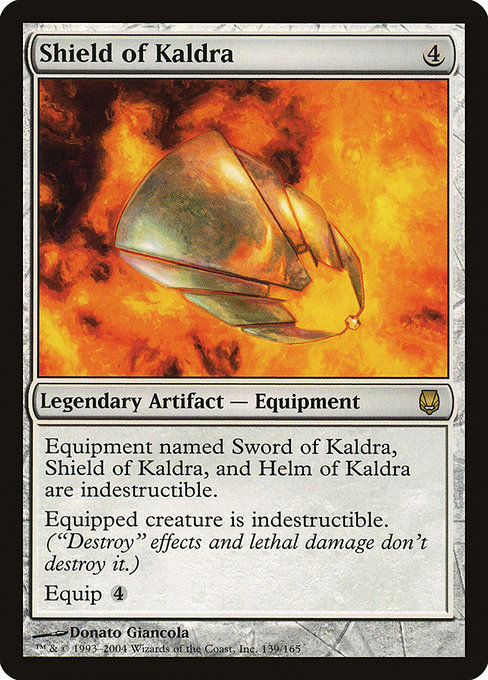
Shield of Kaldra
-
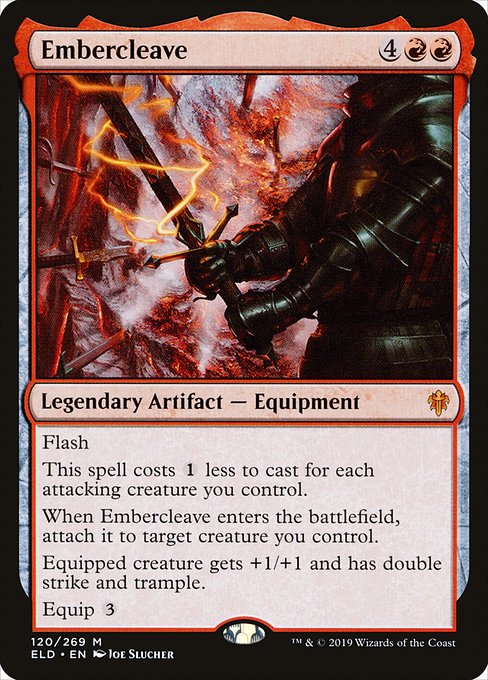
Embercleave
-

Mind Stone
-

Everflowing Chalice
-
Ashling, Rekindled // Ashling, Rimebound
-
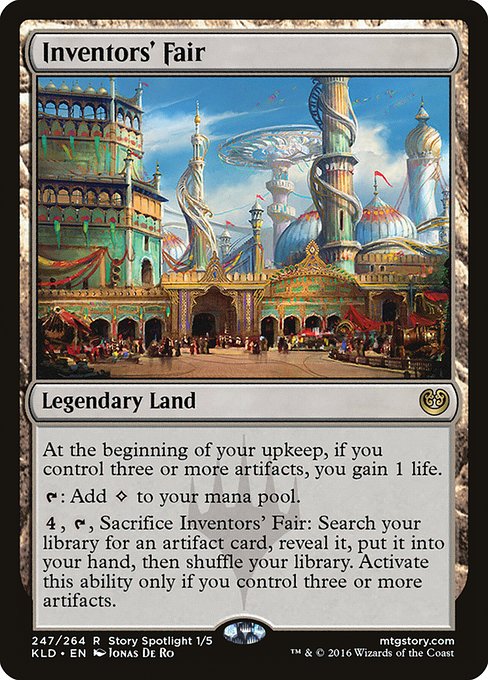
Inventors' Fair
-
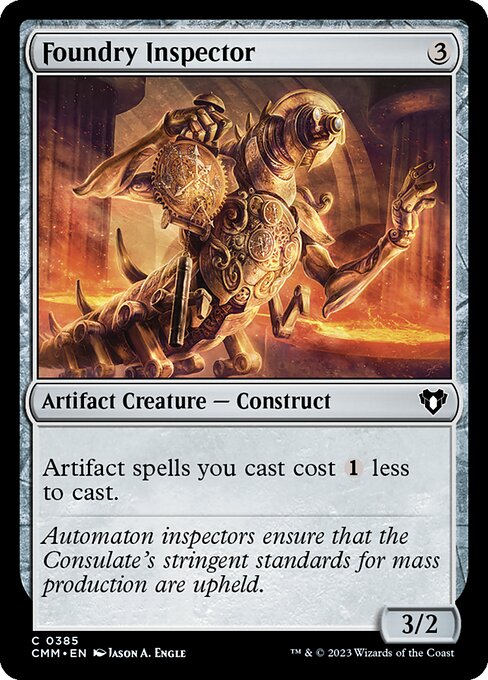
Foundry Inspector
-
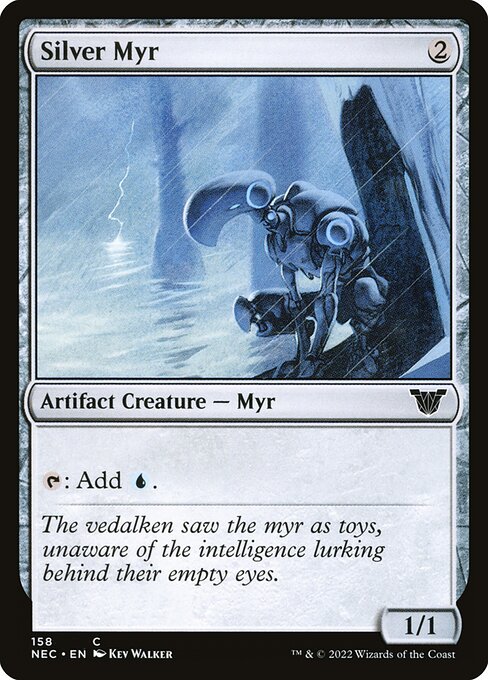
Silver Myr
Gameplay Summary
The game featured four distinct commanders with unique strategies: Gilgamesh, Master-at-Arms led a mono-red equipment-centric deck focused on quickly equipping powerful artifacts to deal massive double strike damage; Ashling, Rekindled // Ashling, Rimebound aimed to ramp aggressively with Izzet mana and finish opponents with large spells after transforming Ashling; Krang, Master Mind utilized an artifact-heavy approach to flood the board with artifacts and draw cards for value; and Neriv, Heart of the Storm focused on Mardu attack creatures that deal double damage if they enter the battlefield that turn, emphasizing swift and impactful combat.
Early turns saw players developing their mana bases and laying down key artifacts, such as Mind Stone and Everflowing Chalice, to accelerate their game plans.
A pivotal moment occurred when Gilgamesh was cast, revealing multiple equipment cards, including Shield of Kaldra, and auto-equipping it, significantly boosting his offensive threat.
This pressured opponents and forced interaction immediately.
Ashling transformed early, enabling the generation of large amounts of mana for casting high-cost spells.
Krang steadily built his artifact count to maximize card draw, while Neriv sought to leverage his damage-doubling ability to push through lethal damage quickly.
The game revolved around managing board presence, key artifact synergies, and combat damage, with Gilgamesh’s aggressive equipment strategy creating a major tempo swing and threatening to close out the game through commander damage and overwhelming attacks.