



Deck & Commander Strategies
Mike and Eleven
Utilize Eleven’s ability to cast extra turn spells for free, gaining tempo and multiple consecutive actions to overwhelm opponents. Focus on a legendary human tribal synergy with some control elements.
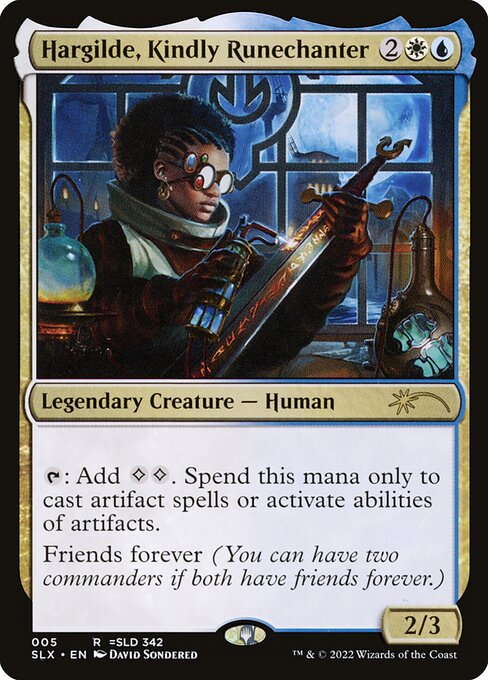
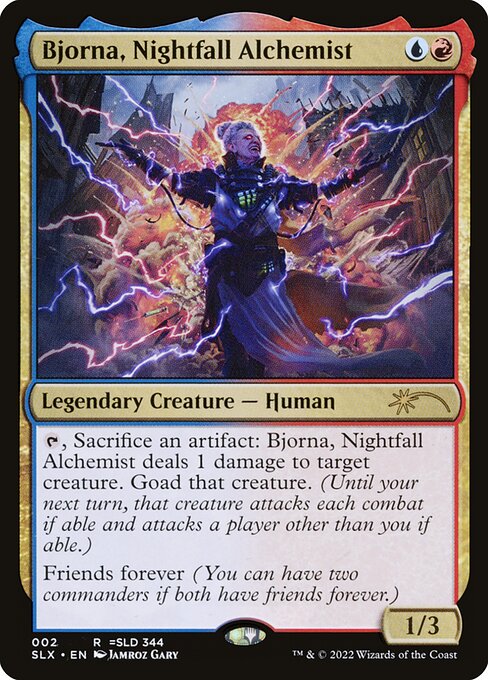
Lucas and Dustin
An artifact storm combo deck centered on assembling artifacts to fuel Aetherflux Reservoir and other combo pieces, despite a limited mana base of only 20 lands.
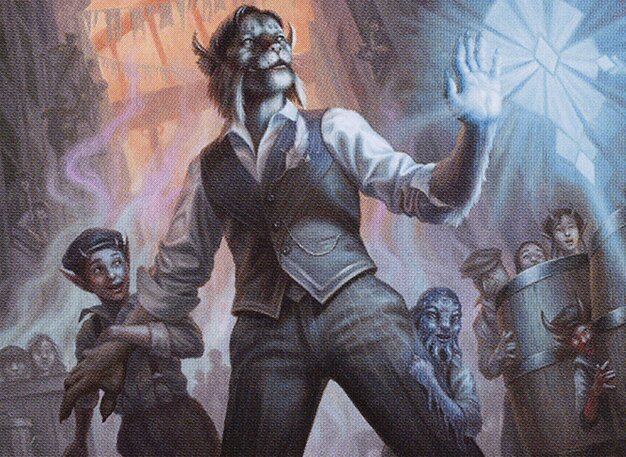
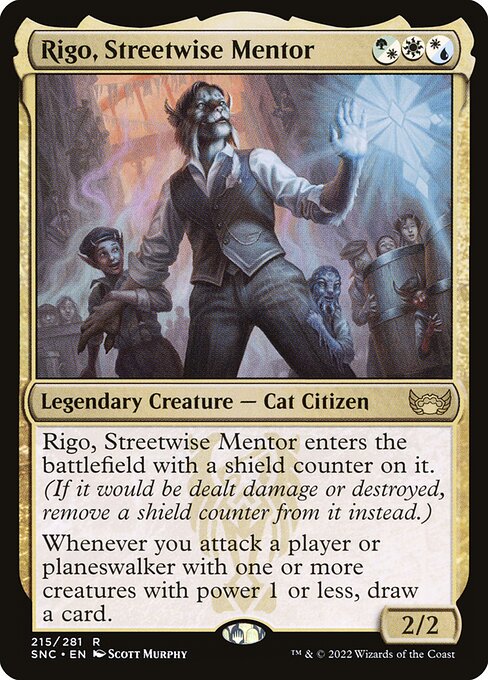
Rigo, Streetwise Mentor
An unconventional, low-power synergy deck leveraging incremental resource gain and tempo plays, focusing on low-cost spells and creatures to build board presence and grind out value.
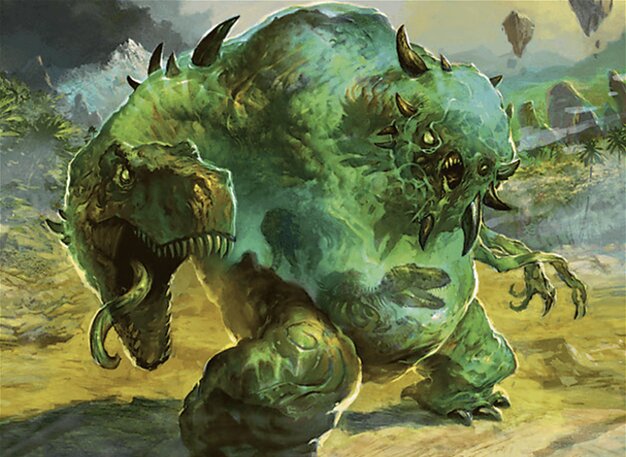
The Mimeoplasm
A classic graveyard reanimator deck that combines creatures from opponents’ and own graveyards to create powerful, synergistic threats. Uses ramp artifacts and token generation to accelerate board development.
Gameplay Insights
- 1
Matt’s use of Everflowing Chalice and Boros Signet early on enabled significant mana ramp and facilitated casting powerful creatures and spells ahead of schedule.
- 2
Reckless Fireweaver provided incremental damage to opponents whenever artifacts entered the battlefield, synergizing well with the artifact-heavy decks.
- 3
Mike and Eleven’s strategy to chain extra turn spells created pressure and card advantage, forcing opponents to respond quickly or risk falling behind.
- 4
The low land count in Lucas and Dustin’s deck made mana management critical, impacting the speed of their combo execution.
- 5
The Mimeoplasm’s ability to combine creatures from graveyards led to versatile and powerful threats that could adapt to the evolving board state.
Notable Cards
-

Everflowing Chalice
-
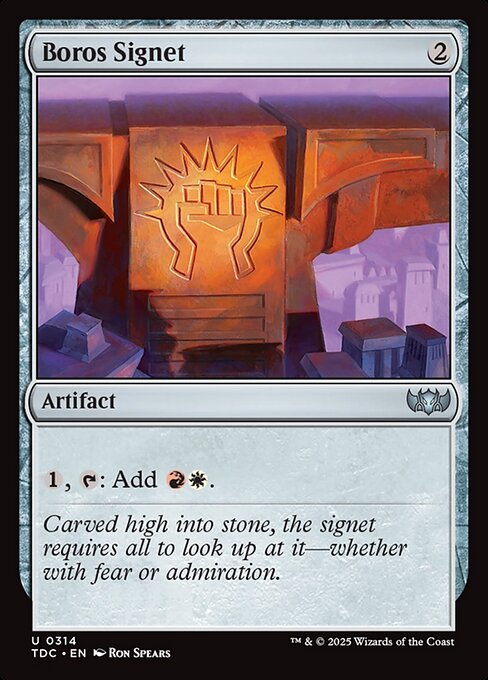
Boros Signet
-
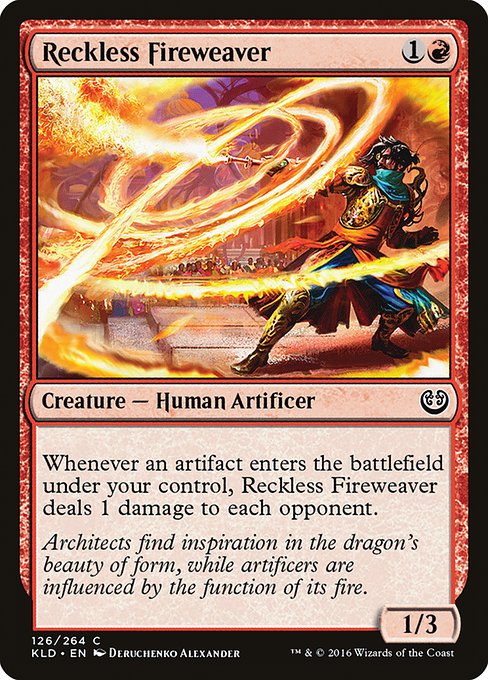
Reckless Fireweaver
-
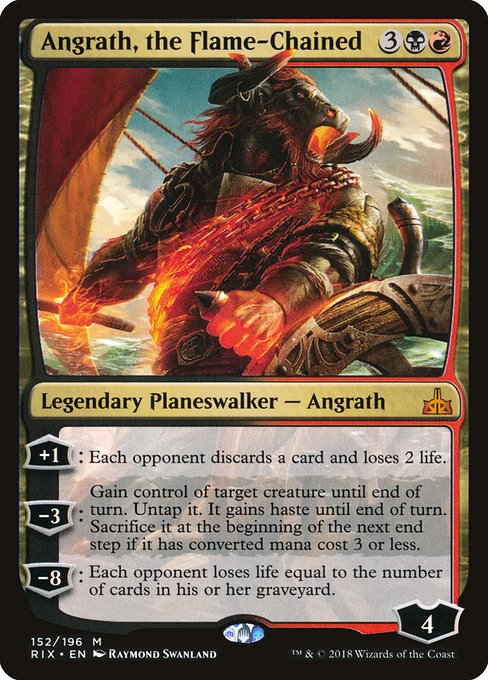
Angrath, the Flame-Chained
-
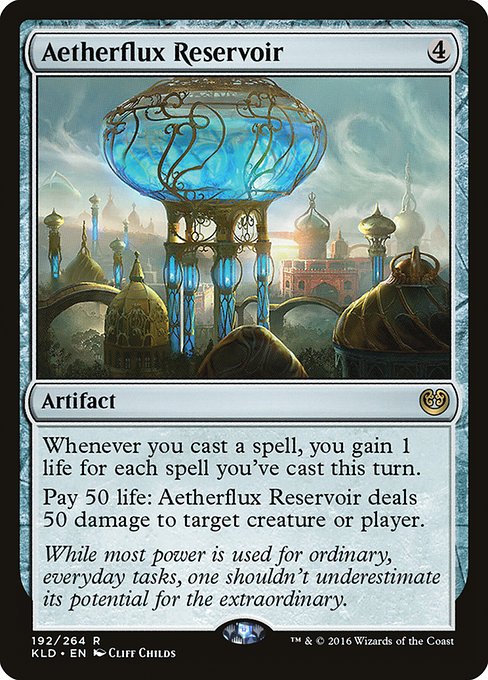
Aetherflux Reservoir
-

Solemn Simulacrum
-
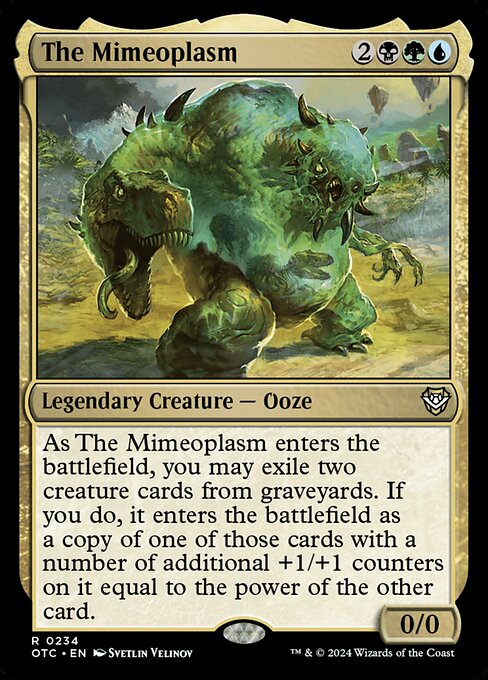
The Mimeoplasm
Gameplay Summary
The game began with the players establishing their board states and mana bases while developing their strategies around their commanders.
Mike and Eleven’s deck aimed to leverage Eleven’s ability to cast extra turn spells for free, creating tempo and recurring value.
Lucas and Dustin’s artifact-heavy storm combo deck struggled somewhat due to a low land count but sought to assemble a critical mass of artifacts to fuel aetherflux reservoir and other synergy plays.
Rigo’s deck, piloted by Matt, appeared to focus on a low-power, synergistic strategy with incremental advantages, while The Mimeoplasm deck utilized classic reanimator tactics, combining creatures from graveyards to create powerful threats. Early turns saw careful development with some interaction, including damage and board presence.
Key moments included Matt’s Mimeoplasm deck generating tokens and ramping mana effectively with artifacts like Everflowing Chalice and Boros Signet, setting up for bigger plays.
The game featured some incremental damage via Reckless Fireweaver and card draw engines like Angrath, which synergized well with Mike and Eleven’s aggressive card advantage plan.
The gameplay was marked by tactical attacks, resource management, and a noticeable build-up toward combos and impactful board wipes.
While the transcript cuts off before the game’s conclusion, it’s clear that the game revolved around leveraging commander abilities, artifact synergies, and reanimation to outpace opponents.


![Secret Lair Shuffle [Commander VS 299] | Magic: the Gathering EDH Commander Gameplay thumbnail](https://i.ytimg.com/vi/8A3esNBvsUg/sddefault.jpg)


![Commander VS S5E1: Liliana vs Tasigur vs Kangee vs The Mimeoplasm [MTG Multiplayer] thumbnail](https://i.ytimg.com/vi/u35l-cgkQEY/sddefault.jpg)
![Commander Versus Series: Mimeoplasm v. Melek v. Maelstrom Wanderer v. Prossh [MTG Multiplayer] thumbnail](https://i.ytimg.com/vi/H3JROxdcaPo/sddefault.jpg)


![Big Power Big Turns, ft. Blood, Wernog and Argyle, Mirko, Lord Windgrace [EDH/Commander Gameplay] thumbnail](https://i.ytimg.com/vi/7x3tQtCEltk/sddefault.jpg)


