Deck & Commander Strategies
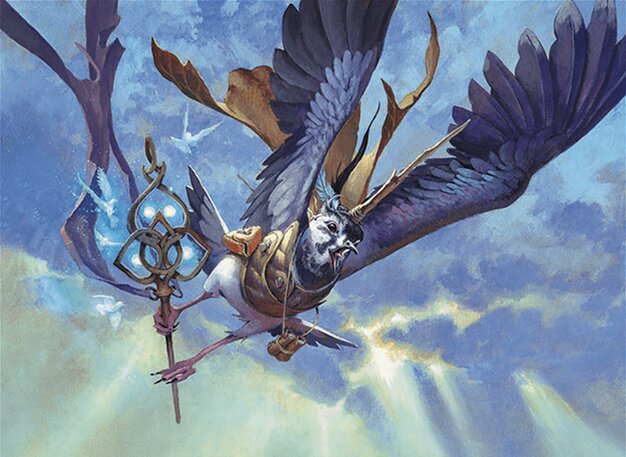
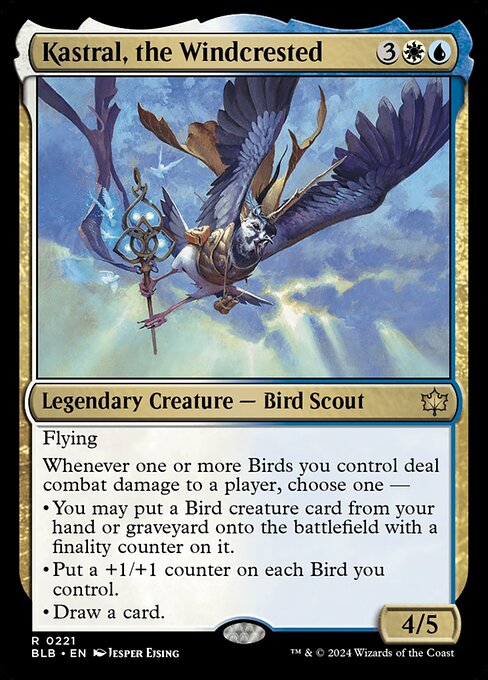
Kastral, the Windcrested
A bird tribal deck that uses flying creatures to trigger buffs and control the air, building up a powerful aerial board presence to win through combat damage.

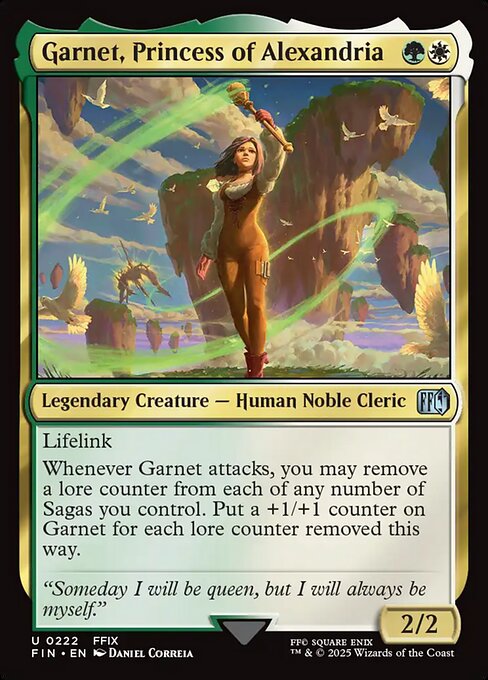
Garnet, Princess of Alexandria
Focuses on saga permanents, using Garnet's ability to remove lore counters and grow stronger while repurposing sagas' effects for sustained value and incremental board advantage.

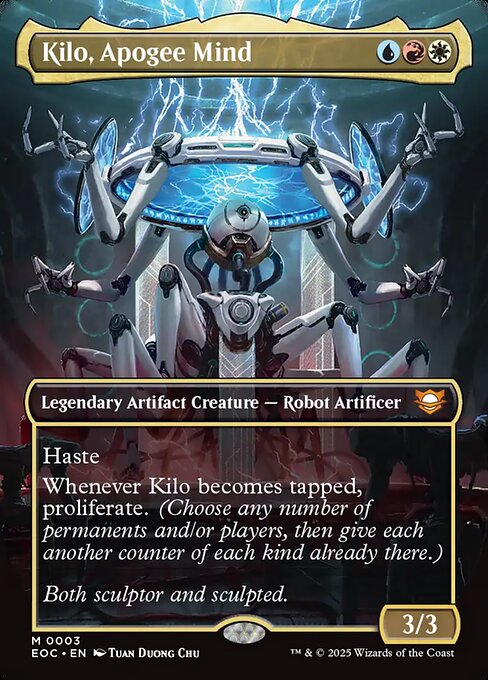
Kilo, Apogee Mind
Utilizes energy counters to generate card draw and resource advantages, aiming to outvalue opponents through incremental energy spending and maintaining tempo.

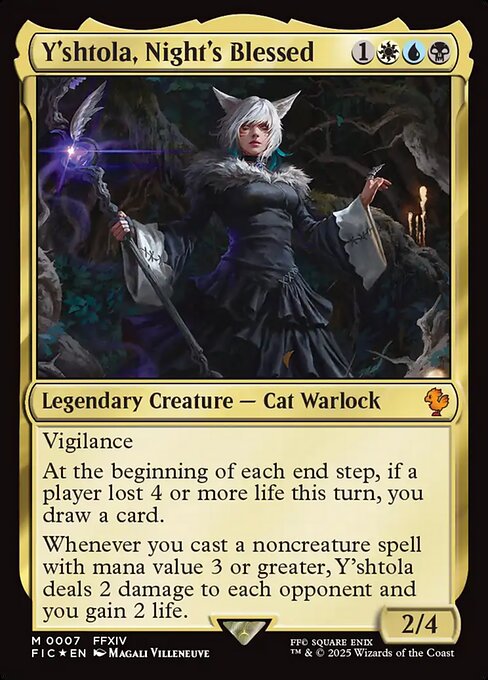
Y'shtola, Night's Blessed
A blue-white control and utility deck leveraging card draw, removal, and incremental advantage to maintain board control and disrupt opponents' strategies.
Gameplay Insights
- 1
Removing the wizard early to prevent its synergy or impact showed targeted disruption to slow down opponents' strategies.
- 2
Garnet's ability to remove lore counters from sagas during attacks to grow larger created a strong incentive to keep sagas on the battlefield.
- 3
Kilo's use of energy counters to draw cards and maintain resource advantage was critical in keeping pace with the other decks.
- 4
Kastral's investment in flying creatures and buffs made air combat a consistent theme for pressure and board control.
- 5
Players prioritized developing mana bases with dual lands and utility lands to enable smooth casting and synergistic plays.
Notable Cards
-
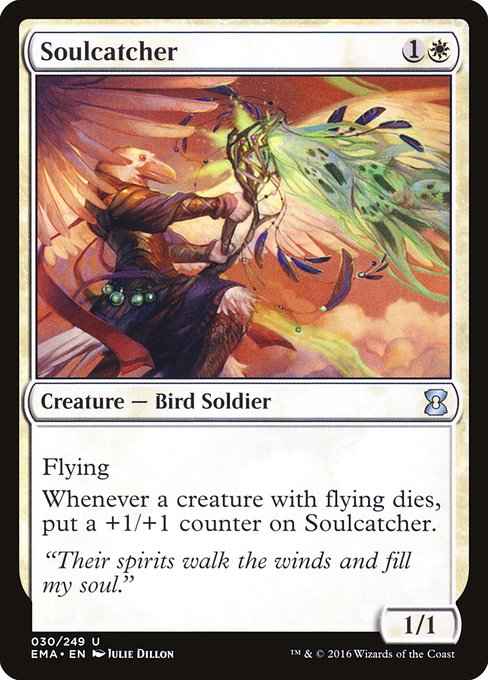
Soulcatcher
-
Garnet, Princess of Alexandria
-

Thought Vessel
-

Restless Anchorage
-

Exotic Orchard
-
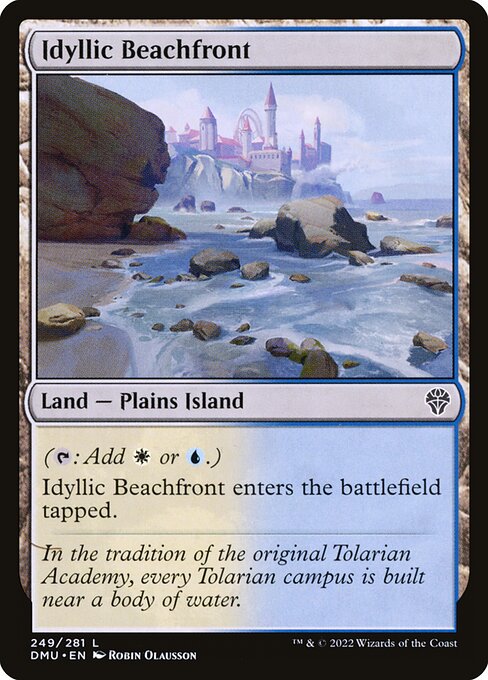
Idyllic Beachfront
Gameplay Summary
The game began with each player establishing their mana base and early board presence.
Kastral, the Windcrested deck focused on a bird tribal theme with spells and creatures that synergized with flying creatures, setting up slowly but aiming to build momentum over time.
Garnet, Princess of Alexandria utilized sagas and the ability to remove lore counters to grow stronger while keeping sagas active, aiming for incremental value and board presence.
Kilo, Apogee Mind centered around energy counters and leveraging them for card draw and other benefits, establishing a resource advantage early.
Y'shtola, Night's Blessed played with a blue-white control and utility strategy, using draw and removal to manage threats and maintain board control. Early turns saw players developing their mana and playing low-impact creatures, like Soulcatcher and Soul Sister, to start accruing incremental value.
Garnet's commander began to show its strength through its interaction with sagas, growing larger as lore counters were removed during attacks.
Kastral's bird tribal setup showed promise with flying creatures and effects that buffed them.
Kilo's deck leveraged energy counters effectively to maintain card advantage and pressure.
The game’s pivotal moments revolved around establishing board presence and managing threats, with decks aiming to accelerate their respective synergies.
The slow build of Kastral’s deck combined with Garnet’s saga engine and Kilo’s energy interactions set the stage for a late-game where powerful combos and overwhelming board states could emerge.
The outcome hinged on maintaining tempo and leveraging incremental advantages from each deck’s unique mechanic.