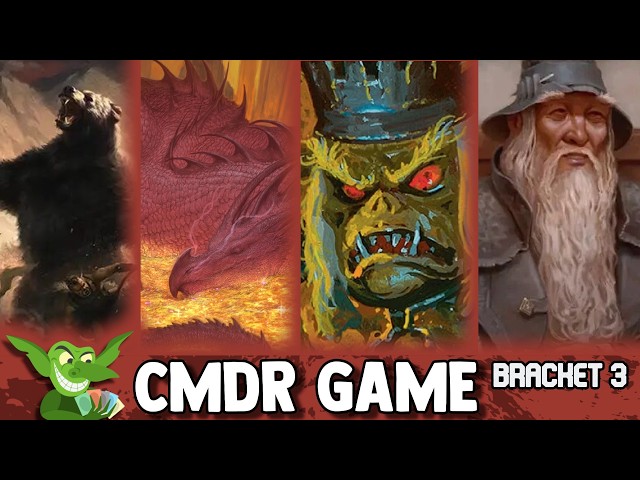
Deck & Commander Strategies

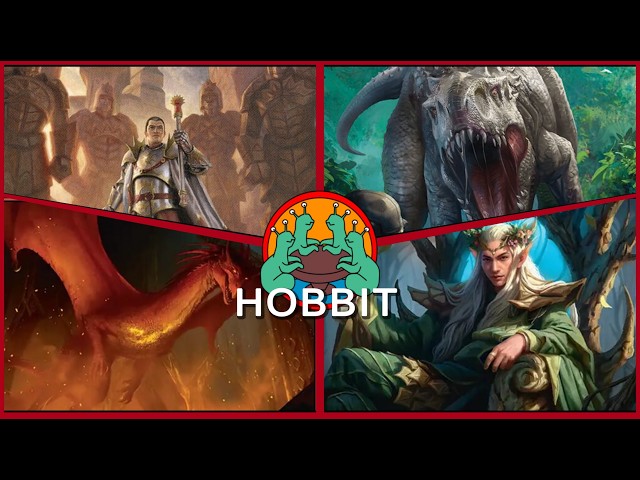
Tom, Bert, and William
A combo-centric deck that draws and sacrifices creatures for value, leveraging the commander’s ability to draw cards and return as an artifact, enabling repeated utility and card advantage.

Beorn the Fierce
A bear tribal deck focused on anthem effects and trample to build a wide and threatening board, using efficient creatures and card draw to maintain pressure.

Thranduil, the Elvenking
A Sultai elf deck that ramps quickly and uses graveyard synergy to maintain board presence, with the ability to recover from board wipes and generate incremental advantage via elves’ activated abilities.

Smaug the Magnificent
A red dragon deck that generates treasures to ramp mana and deals direct damage with burn spells, focusing on controlling the board and delivering lethal damage through treasure synergies.
Gameplay Insights
- 1
Tom, Bert, and William’s commander’s ability to return as an artifact upon destruction provided resilience and potential for ongoing card draw and sacrifice loops.
- 2
Beorn’s use of anthem effects and Metallic Mimic to pump bear creatures quickly created a growing threat that demanded attention.
- 3
Thranduil’s deck relied on efficient ramp and graveyard synergy to rebuild board state after potential wipes, giving it resilience in longer games.
- 4
Smaug’s treasure generation through artifacts like Guild Artisan allowed for explosive mana acceleration and incremental damage output to pressure opponents.
- 5
Removal spells were scarce across the table, leading to a slower early game development and allowing players to establish their board states without heavy disruption.
- 6
The interaction between sacrifice outlets and recursion effects created a dynamic where card advantage could snowball quickly if left unchecked.
Notable Cards
-
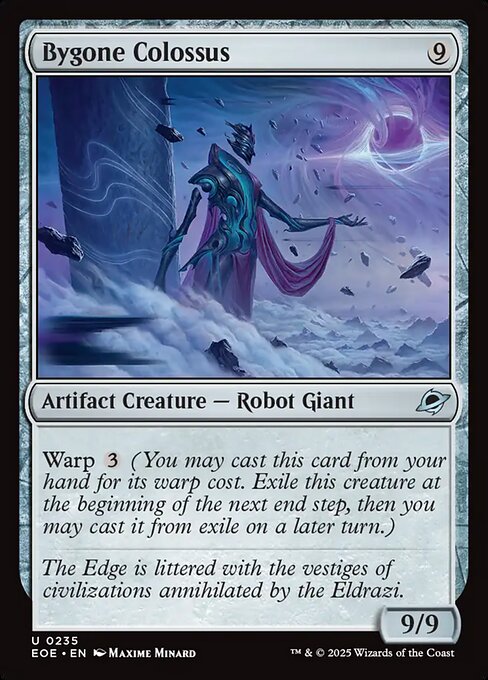
Bygone Colossus
-

Metallic Mimic
-

Elvish Archdruid
-
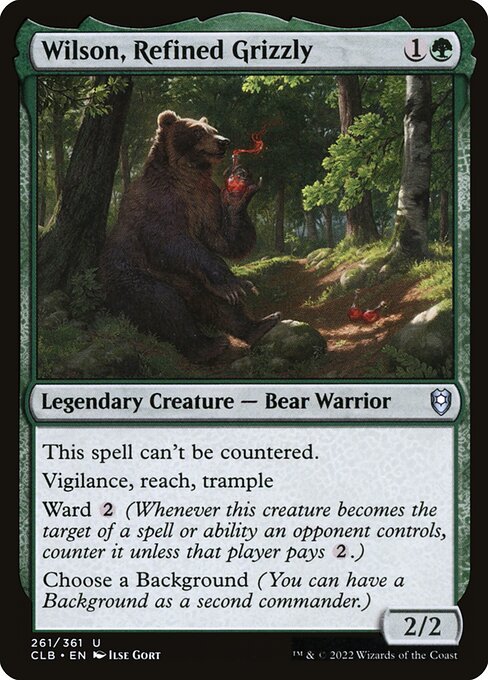
Wilson, Refined Grizzly
-
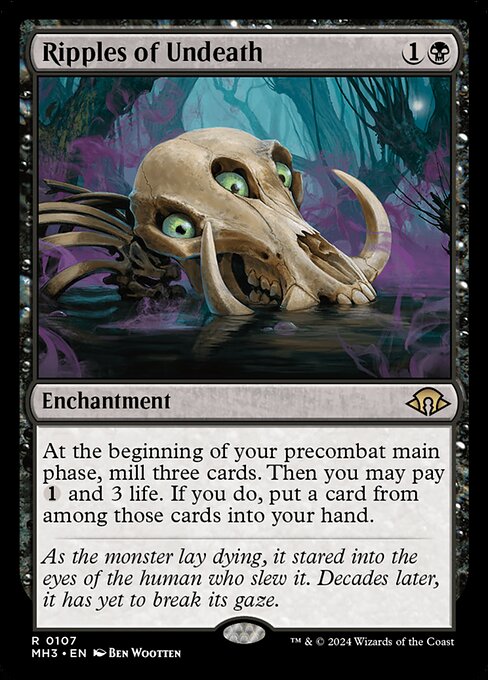
Ripples of Undeath
-
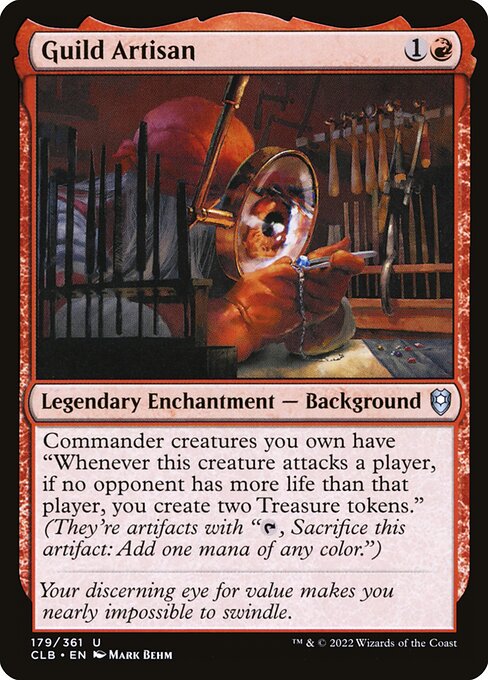
Guild Artisan
-
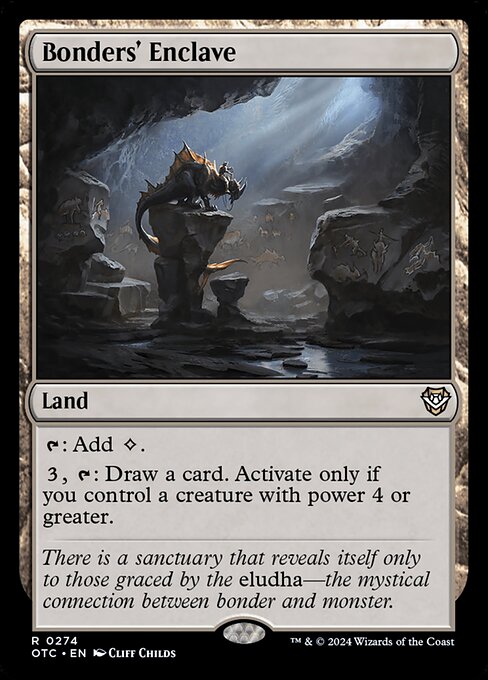
Bonders' Enclave
-

Farseek
Gameplay Summary
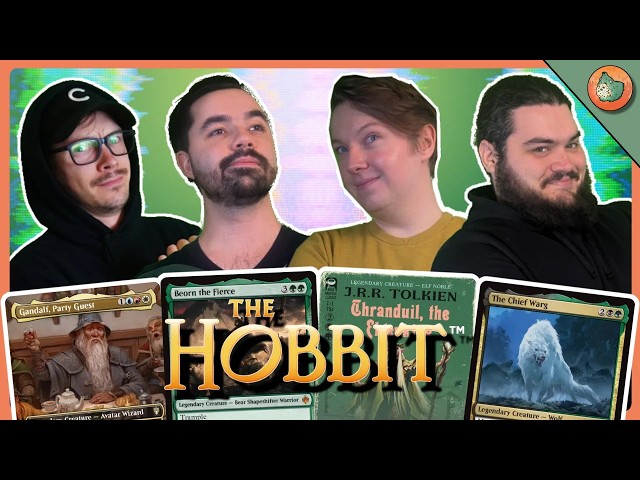
The game began with all four players deploying their Hobbit-themed decks, each with unique strategies reflecting their commanders.
Tom, Bert, and William focused on a combo-heavy, sacrifice-driven plan leveraging their commander’s ability to draw cards and generate value from creatures like Bygone Colossus.
Beorn the Fierce led a bear tribal deck that aimed to build a wide board with anthem effects and trample to pressure opponents.
Thranduil, the Elvenking piloted a Sultai elf deck focused on ramping and leveraging graveyard synergy to maintain board presence and resilience.
Smaug the Magnificent utilized a treasure-generation and burn strategy to control the board and deal direct damage to opponents.
Early turns saw players developing their mana bases and casting key creatures like Llanowar Elves, Elvish Archdruid, and Metallic Mimic to accelerate their game plans. Key turning points occurred when removal spells were cast sparingly, leading to board states developing with powerful creatures such as Wilson, Refined Grizzly and Djeru Kukacri Lich Lord.
Tom, Bert, and William’s deck showed potential for explosive card draw and sacrifice plays, while Beorn’s anthem effects began to make his creatures more threatening.
Smaug’s deck focused on treasure generation and incremental damage with cards like Guild Artisan, setting up for potential large-scale burn.
Thranduil’s elves provided ramp and the ability to recover from board wipes using graveyard recursion.
The gameplay highlighted the different archetypes’ interactions and the tension between aggressive board development, combo potential, and control elements.
The game’s win condition was likely to revolve around either overwhelming board presence (Beorn, Thranduil) or combo-driven damage and card advantage (Tom, Bert, and William; Smaug), setting up an intriguing mid-to-late game showdown.