

Deck & Commander Strategies
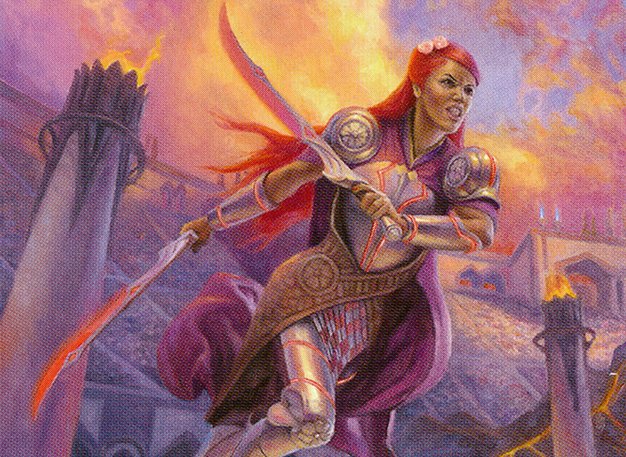
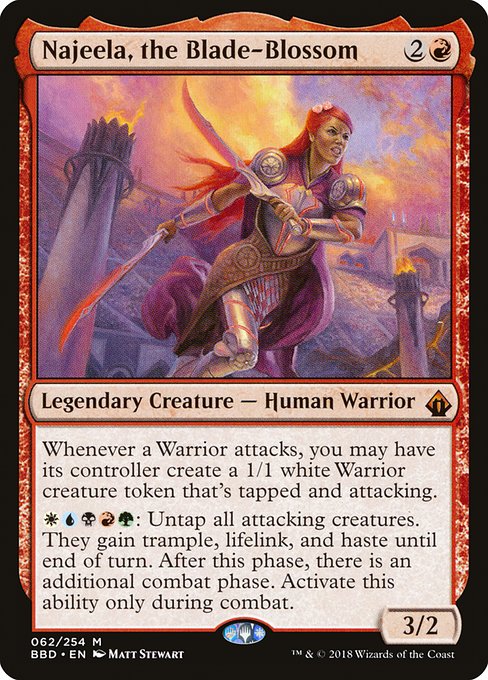
Najeela, the Blade-Blossom
Aggressively deploy warriors and generate value from combat triggers and warriors synergy, using cards like Druid Repository and Derevi to sustain pressure and extend turns for a combat-centric win.
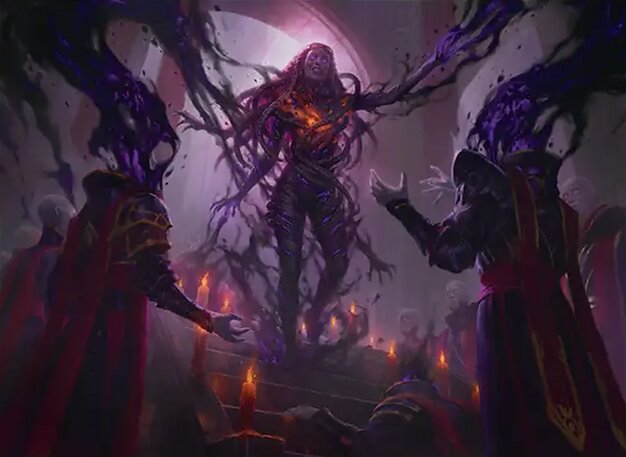
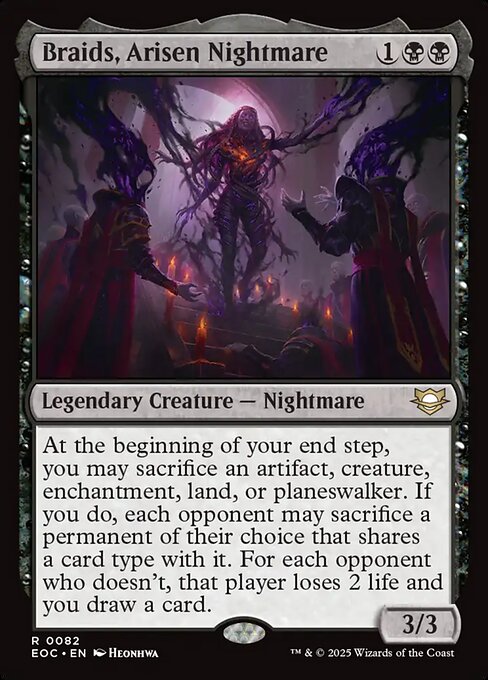
Braids, Arisen Nightmare
Execute graveyard-based combos with Necrotic Ooze and Agatha's Cauldron, leveraging sacrifice outlets and incremental card draw to outvalue opponents and set up lethal interactions.

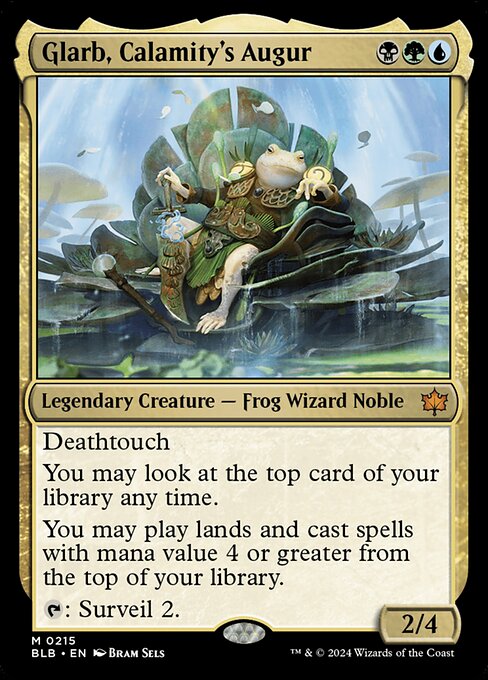
Glarb, Calamity's Augur
Control the top of the library and assemble a Doomsday pile to achieve a precise combo finish, using surveil and draw manipulation to find key pieces and close out the game quickly.
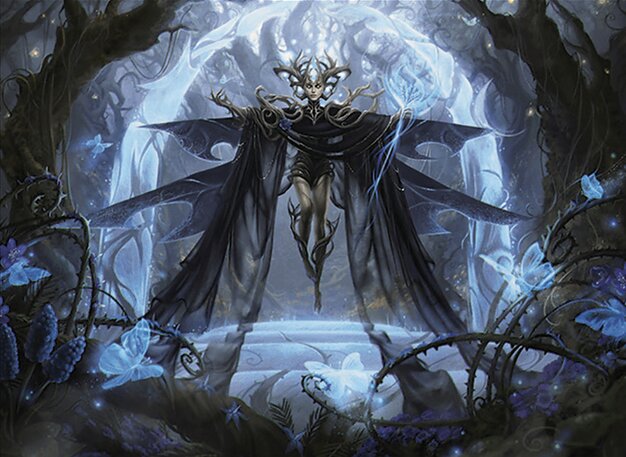
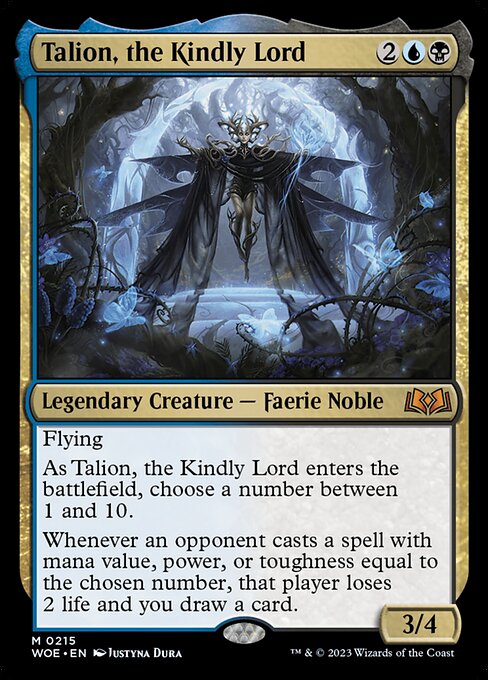
Talion, the Kindly Lord
Employ Dimir control elements by drawing cards off opponents’ spells and applying incremental damage through ping effects, stalling the game while assembling classic Dimir combos to win.
Gameplay Insights
- 1
Glarb’s Doomsday attempt was effectively countered by Vexing Bubble, demonstrating the importance of interaction timing against combo strategies.
- 2
Braids leveraged his end step sacrifice triggers to draw multiple cards while forcing opponents into resource loss, steadily building incremental advantage.
- 3
Talion’s use of The One Ring provided continuous card advantage, enabling him to maintain pressure and disrupt opponents’ plans.
- 4
Najeela’s early aggression with warrior tokens forced opponents to respond quickly, but disruption and removal slowed her momentum.
- 5
Players carefully managed their graveyards and artifact resources to maximize synergy without overextending into opponent’s disruption.
Notable Cards
-
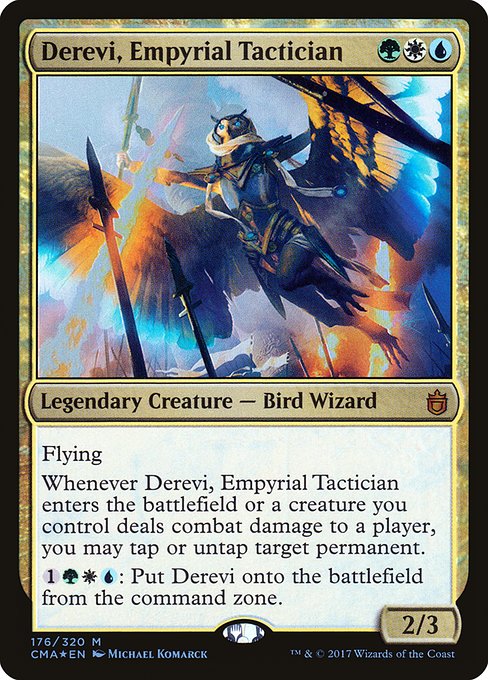
Derevi, Empyrial Tactician
-
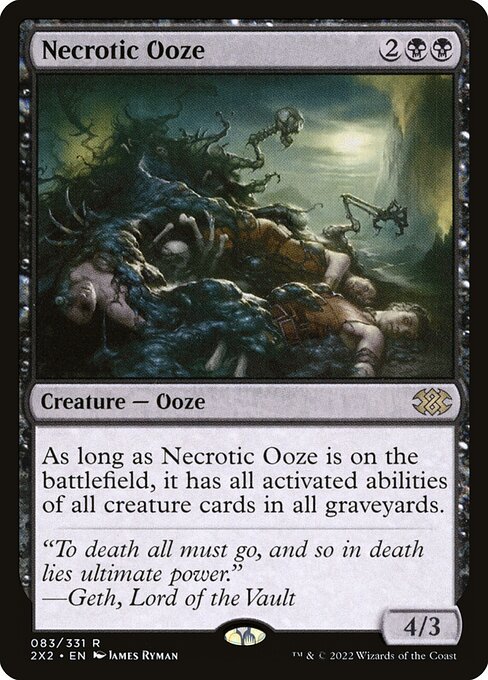
Necrotic Ooze
-
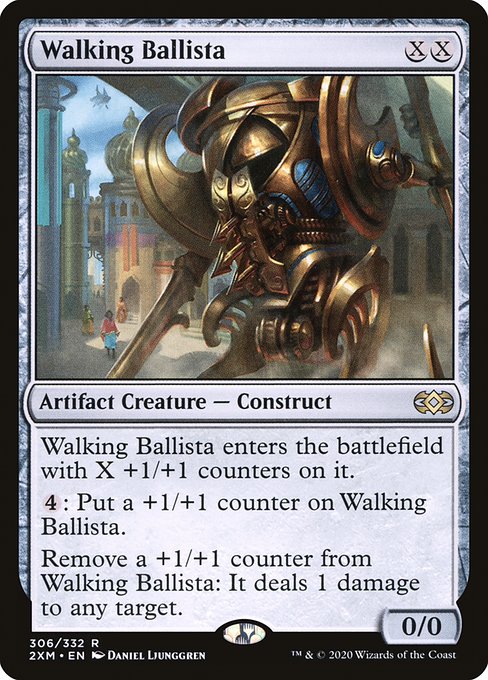
Walking Ballista
-
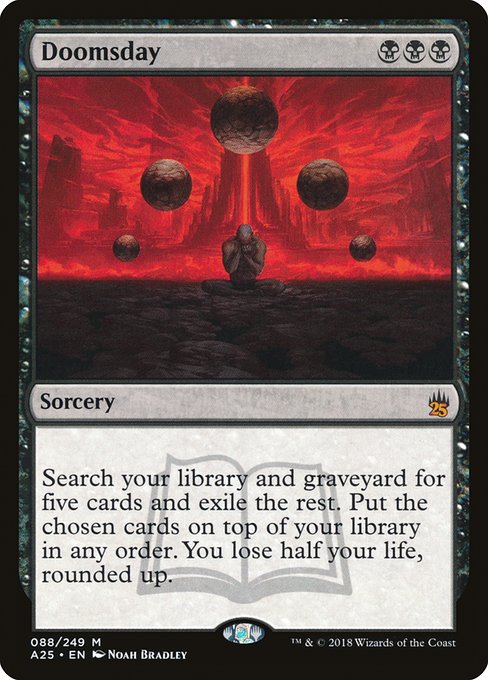
Doomsday
-
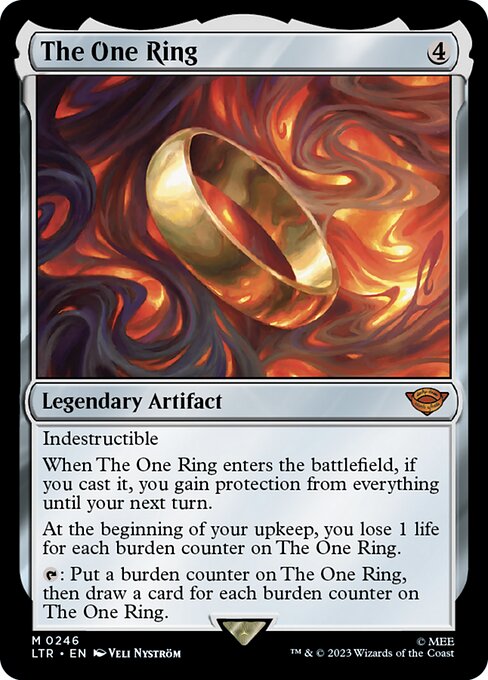
The One Ring
-
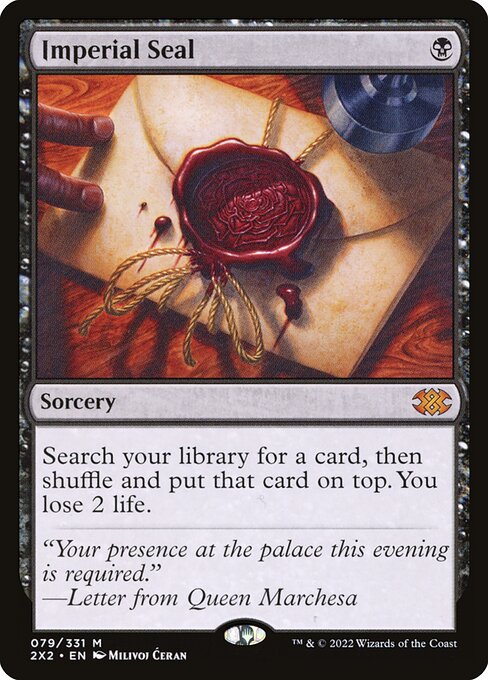
Imperial Seal
-
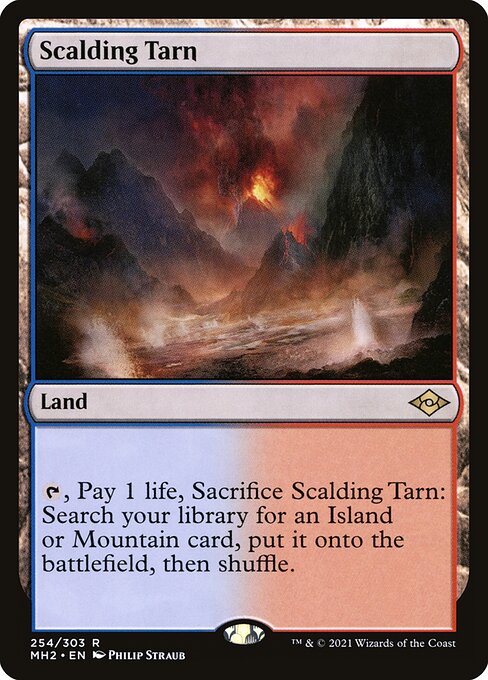
Scalding Tarn
Gameplay Summary
The game featured a high-powered four-player cEDH match with Najeela, Braids, Glarb, and Talion commanding diverse strategies.
Early game development saw Najeela aggressively pressuring with warrior synergies, leveraging cards like Druid Repository and Derevi to maintain board presence.
Braids focused on graveyard synergies and combo potential, setting up lines with Necrotic Ooze and Agatha's Cauldron alongside Walking Ballista.
Glarb utilized Doomsday to sculpt a precise five-card pile for a potential game-winning sequence, aiming to leverage top-deck manipulation and card advantage.
Talion played a disruptive Dimir control role, drawing cards off opponents' spellcasting and applying incremental damage to stall and control the board. A key turning point was when Glarb attempted a Doomsday play but was stymied by the vexing bubble counterspell, limiting the combo potential and forcing a reevaluation of lines.
Braids capitalized on incremental value through sacrificing lands and drawing cards with his end step triggers, steadily building advantage.
Talion contributed with artifact-based card draw and board pinging, including the impactful use of The One Ring to generate card advantage.
Najeela maintained pressure but faced disruption and removal, while Glarb was unable to resolve his main combo.
Eventually, Glarb conceded, unable to break through Talion’s control and Braids’ incremental advantage.
The game highlighted the interplay between combo lines, disruption, and incremental value in a fast-paced cEDH environment.


