

Deck & Commander Strategies

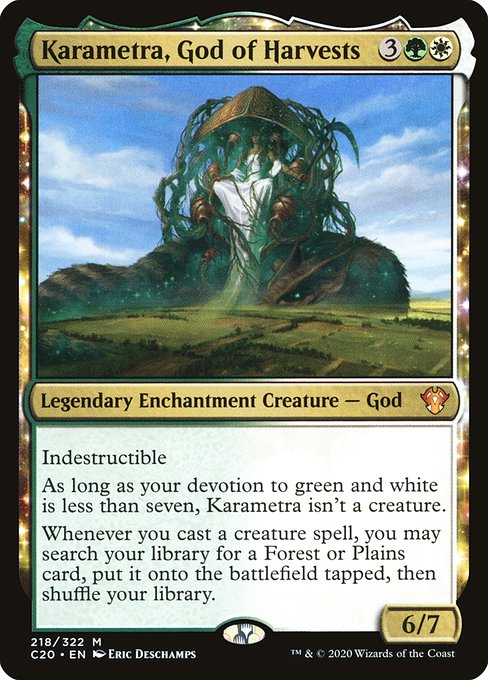
Karametra, God of Harvests
Ramp aggressively by casting creatures to fetch basic lands, enabling large mana production and board development with elves to overwhelm opponents.
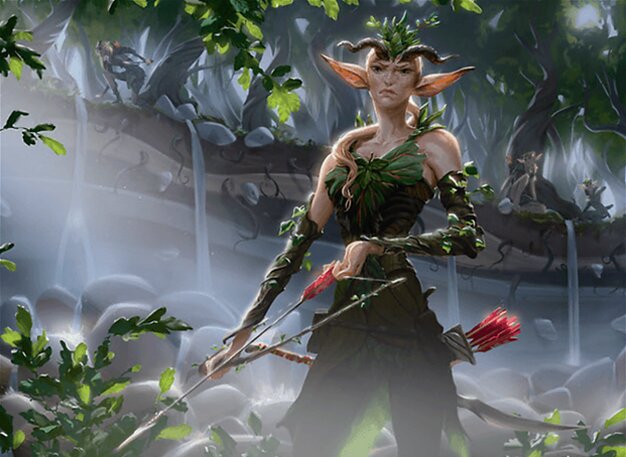
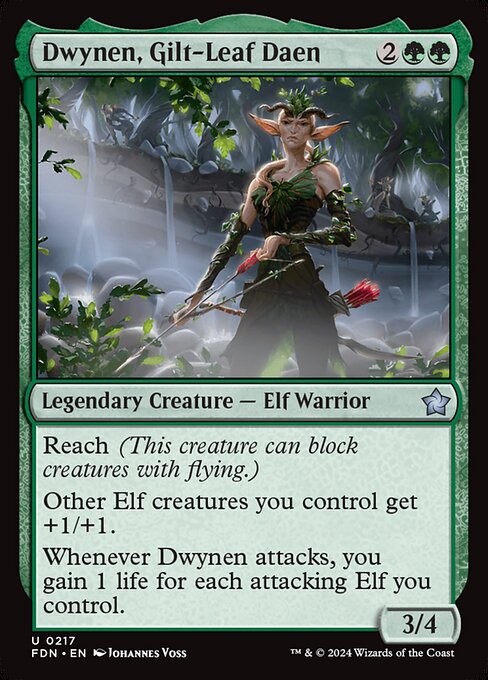
Dwynen, Gilt-Leaf Daen
Deploy a robust elf tribal deck focused on pumping elves and applying pressure through combat damage and synergy with other elves.
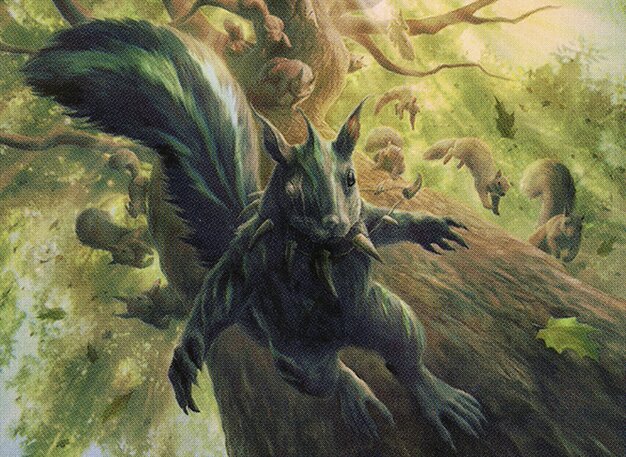
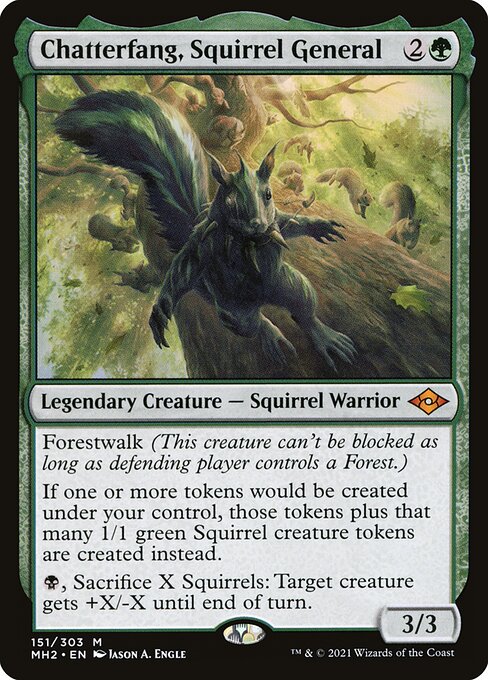
Chatterfang, Squirrel General
Go wide with squirrel tokens, leveraging sacrifice outlets and proliferate effects to control the board and generate card advantage.
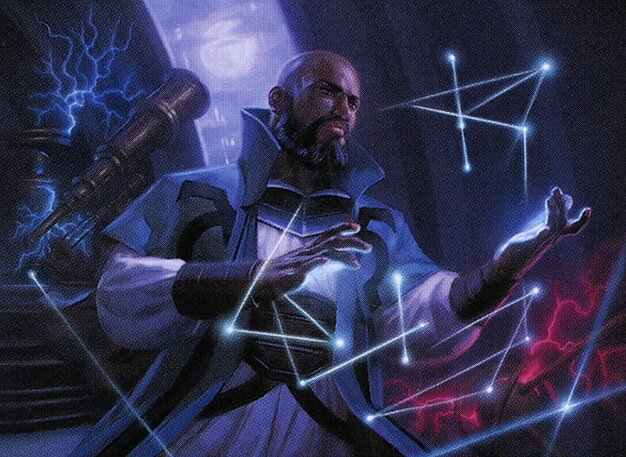
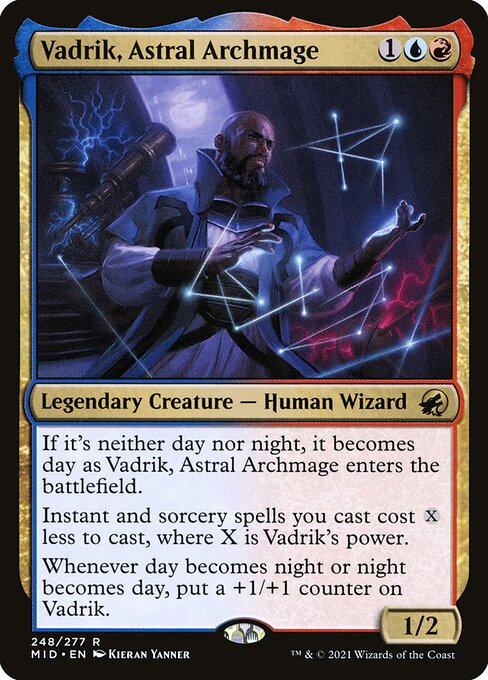
Vadrik, Astral Archmage
Cast multiple spells per turn to reduce costs and grow commander size, aiming for a storm-like combo finish by overwhelming opponents with spell chains.
Gameplay Insights
- 1
Players prioritized early mana acceleration with ramp spells and creatures to facilitate faster board presence.
- 2
The interaction between token generation and sacrifice outlets created incremental card advantage for Chatterfang’s deck.
- 3
Proliferate effects were used strategically to apply counters and weaken enemy creatures, influencing combat decisions.
- 4
Vadrik’s player focused on lowering spell costs and increasing spell count per turn to set up a potential storm finish.
- 5
Combat decisions were influenced heavily by the presence of elf synergy buffs and the threat of token swarms.
- 6
Players were mindful of protecting key ramp creatures to maintain momentum against aggressive board developments.
Notable Cards
-
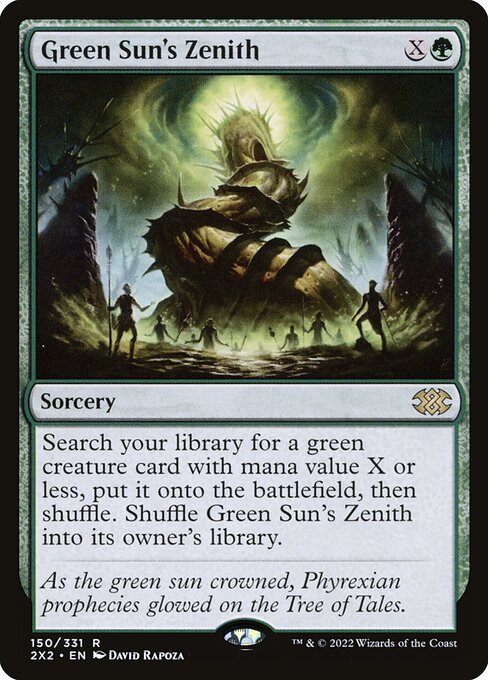
Green Sun's Zenith
-

Goblin Electromancer
-
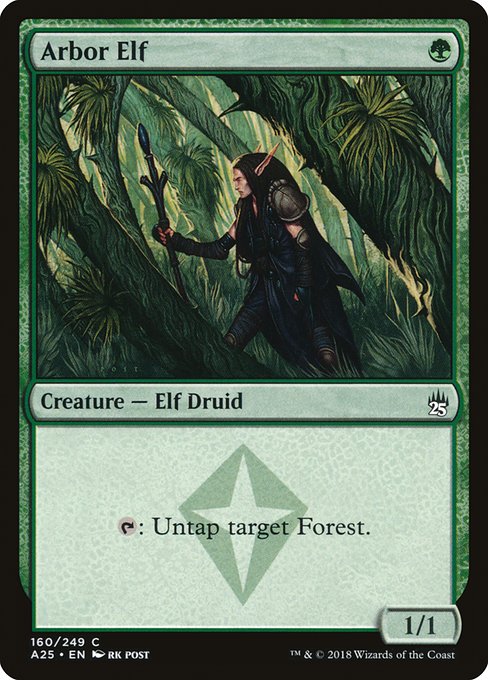
Arbor Elf
-
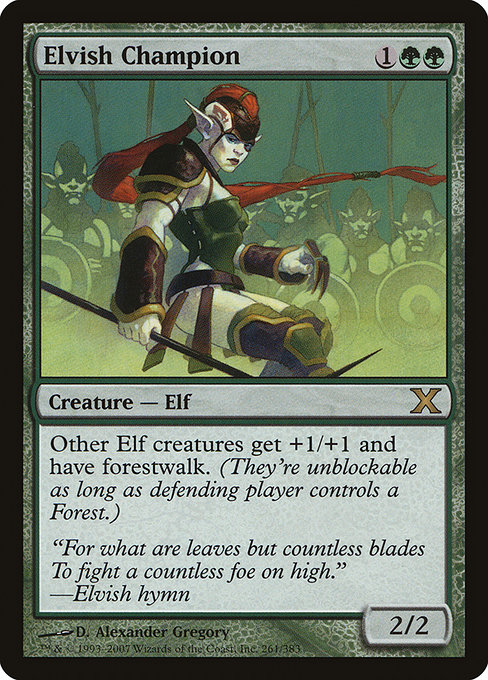
Elvish Champion
-
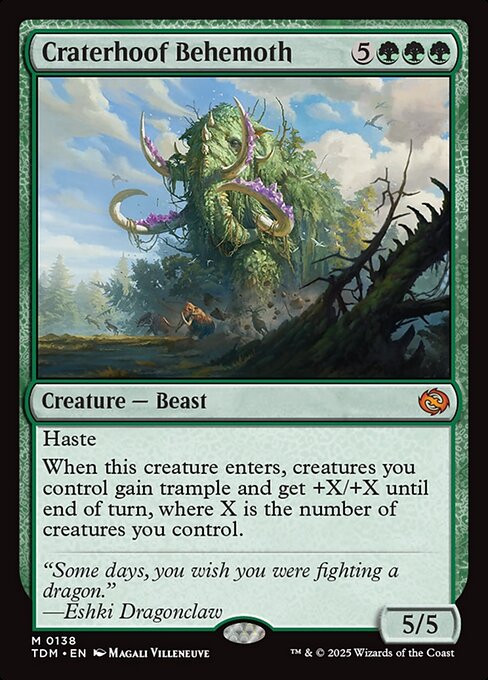
Craterhoof Behemoth
-
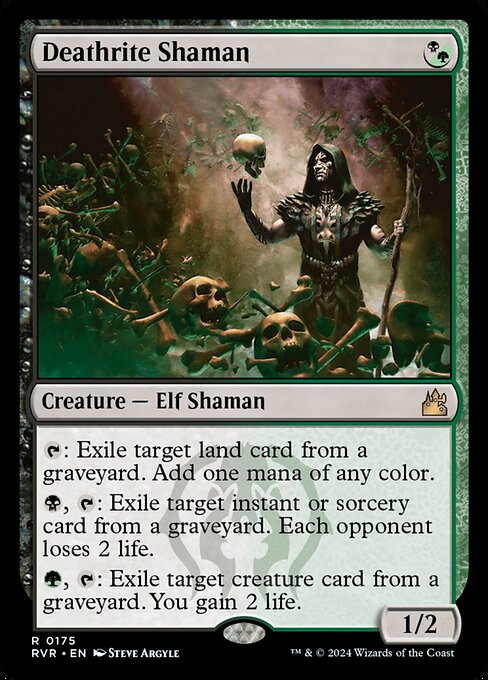
Deathrite Shaman
-
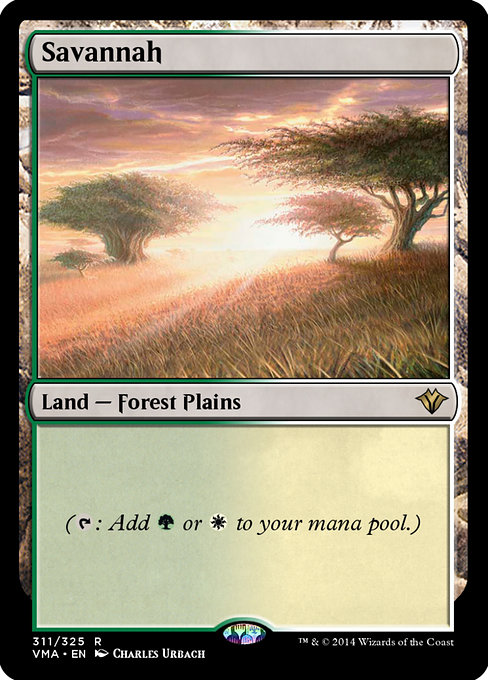
Savannah
-

Temple of Epiphany
Gameplay Summary
The game began with all players focusing heavily on elf tribal synergies and ramp strategies.
Karametra's player quickly established mana acceleration by casting creatures and fetching lands, aiming to thin the deck and build a strong board presence.
Similarly, Dwynen's deck was dedicated to elf synergy, focusing on deploying creatures to apply pressure and enhance the board state.
Chatterfang's player leveraged squirrel token generation and sacrifice outlets to control the board and gain incremental advantages.
Meanwhile, Vadrik's player pursued a storm-like spellcasting strategy, focusing on casting multiple spells per turn to grow the commander and trigger value from spells. Early combat exchanges and proliferate effects started to shape the board, with players debating the best targets and blocks to maximize their incremental gains.
Key moments involved Dwynen hitting the board and increasing the power of elves, and Chatterfang’s token production threatening to overwhelm opponents.
Vadrik’s player utilized spells like Goblin Electromancer to reduce spell costs and facilitate a big storm turn, while Karametra’s player ramped aggressively with spells such as Green Sun's Zenith.
The game also featured careful interactions around key creatures and damage assignments, with players trying to protect their ramp and board development.
The tension centered on how long each player could stabilize and whether the token swarm, elf synergy, or storm combo would break the board first.


![Commander VS S6E4: Yisan vs Reya vs Dwynen vs Laquatus [MTG] thumbnail](https://i.ytimg.com/vi/LsKqgMezr3Q/sddefault.jpg)


