


Deck & Commander Strategies

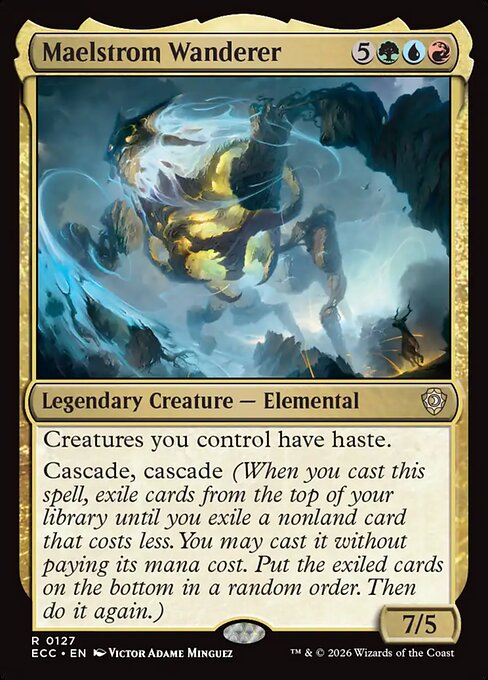
Maelstrom Wanderer
Ramp quickly to eight mana and cast cascade spells that cheat large creatures and powerful spells into play, creating overwhelming board presence and tempo swings.

Venser, Visionary Traveler
Utilize flicker effects to repeatedly trigger enter-the-battlefield abilities on creatures and artifacts, gaining incremental value and control over the board.
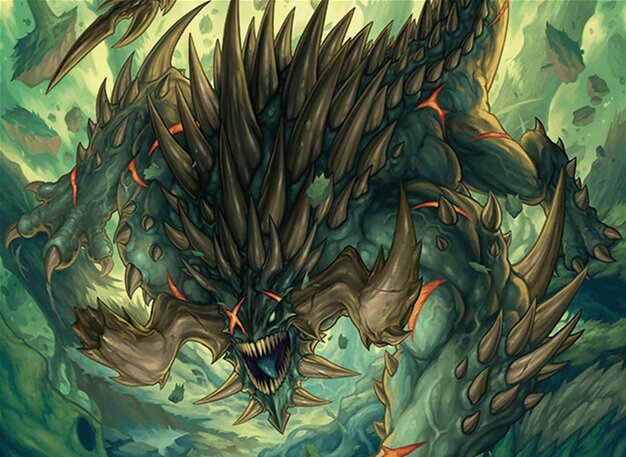
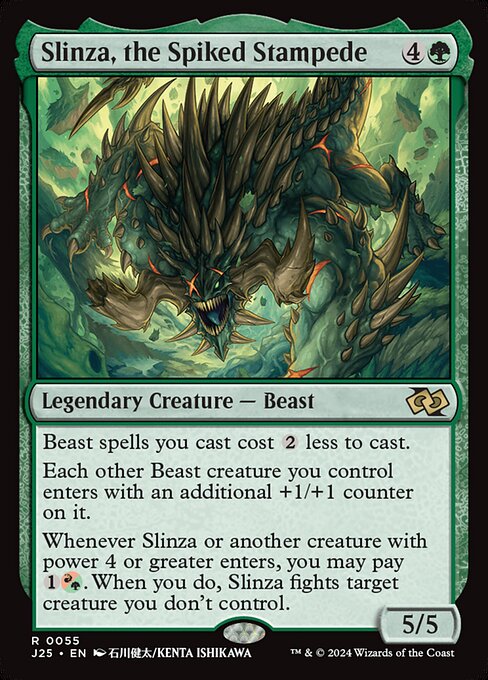
Slinza, the Spiked Stampede
Deploy aggressive beasts at reduced cost, enhance them with +1/+1 counters, and leverage fight mechanics to dominate combat and control the battlefield.

Ares, God of War
Attack aggressively while sacrificing creatures before combat to return them to hand and replay them for repeated enter-the-battlefield effects, maximizing damage and value.
Gameplay Insights
- 1
Ares’s ability to sacrifice creatures before combat and return them to hand allowed repeated ETB triggers, creating a strong engine for continuous pressure.
- 2
Maelstrom Wanderer's cascade spells were pivotal in ramping and deploying multiple threats in a single turn, swinging board state significantly.
- 3
Venser’s flicker strategy provided resilience but required careful timing to maximize value and stay competitive against aggressive decks.
- 4
Slinza capitalized on reduced-cost beasts and fight mechanics to maintain board control, forcing opponents to respond to multiple threats simultaneously.
Notable Cards
-
Maelstrom Wanderer
-

Venser, Visionary Traveler
-
Slinza, the Spiked Stampede
-

Ares, God of War
-
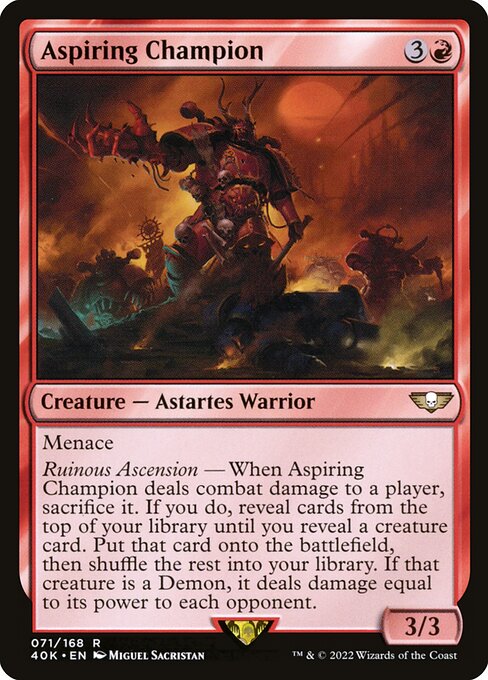
Aspiring Champion
-

Nature's Lore
-
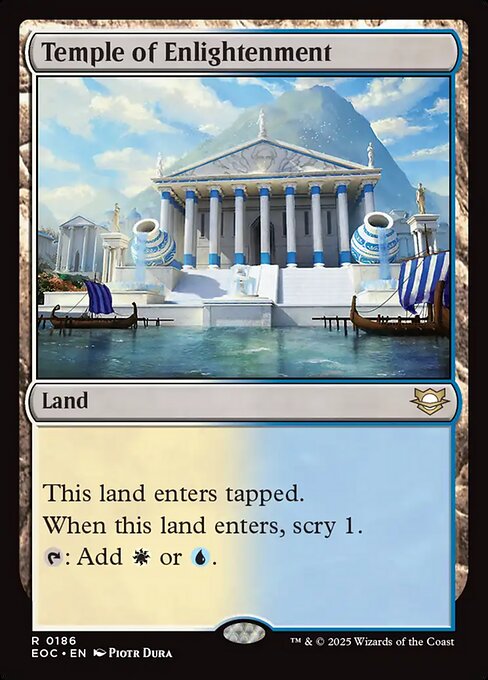
Temple of Enlightenment
Gameplay Summary
The game started with all four players ramping aggressively to establish their board presence quickly.
Maelstrom Wanderer aimed to hit eight mana to leverage cascade spells for a big swing, while Venser, Visionary Traveler employed a flicker strategy to generate value from enter-the-battlefield effects.
Slinza, the Spiked Stampede focused on deploying beasts with reduced costs and leveraging +1/+1 counters and fight mechanics to dominate the battlefield.
Ares, God of War's player ran a Ratos Beats deck, emphasizing sacrificing creatures before combat to maximize repeated enter-the-battlefield triggers and maintain pressure. Early turns saw a healthy amount of ramp spells and land drops, with players preparing for impactful turns.
The player piloting Ares aggressively attacked and sacrificed creatures to trigger Ares's ability, returning creatures to hand and replaying them for continuous value.
Maelstrom Wanderer successfully cascaded into multiple spells, ramping quickly and putting pressure on opponents.
Venser sought to stabilize through flicker interactions but faced mounting board threats.
Slinza built up a strong board of beasts, ready to fight and challenge opposing creatures. The key turning point revolved around Ares's continuous ETB value and aggressive combat approach, forcing opponents to respond quickly or lose significant life and board control.
Maelstrom Wanderer's cascade spells created tempo swings, but the pressure from Slinza's beasts and Ares's recurring threats kept the game volatile.
The game’s win conditions centered around overwhelming opponents with repeated value from ETB triggers and cascade chains, combined with efficient combat damage from large creatures.


