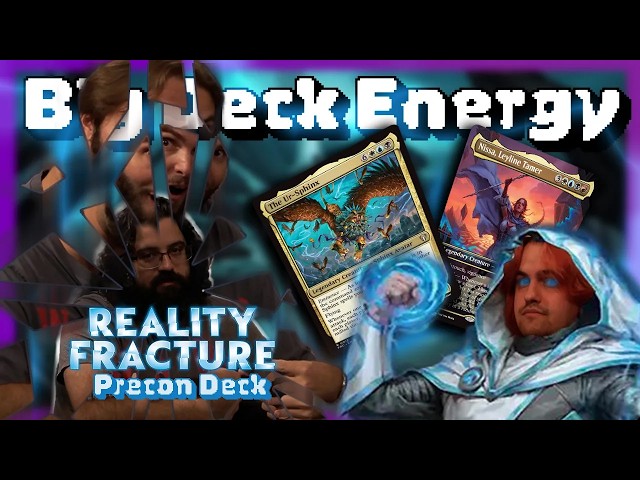


Deck & Commander Strategies

Jace, Multiverse Architect
Generate multiple Jace planeswalker tokens to maximize card draw and board control, leveraging non-creature spells to create tokens and overwhelm opponents with incremental advantage.

Nissa, Leyline Tamer
Utilize landfall triggers and ramp to accelerate mana growth and deploy powerful creatures and spells to control the battlefield.

Niv-Mizzet, Ghost Counsel
Control the game through card draw and removal, using Niv-Mizzet's ability to deal damage and maintain card advantage while pressuring opponents.

Denzilore Fatehold
Focus on life gain and life drain mechanics through creatures like Sadistic Pilgrim to stabilize and incrementally wear down opponents.
Gameplay Insights
- 1
Leveraging Council of Reeds to create tokens from non-creature spells synergized well with Jace's token creation, allowing for a strong board presence.
- 2
Sadistic Pilgrim's ability to gain life on creature entry and drain life on creature death provided a steady incremental advantage and pressure on opponents.
- 3
Careful mana base construction and ramp spells were crucial, particularly for the four-color and landfall strategies to maintain tempo and execute their plans.
- 4
Interactive play with responses, such as casting Archavist Ama to trigger life loss for opponents, demonstrated the importance of timing and spells interaction in the midgame.
- 5
Players managed their early life totals and board states cautiously, indicating an emphasis on setting up for powerful mid to late game plays rather than early aggression.
Notable Cards
-

Jace, Multiverse Architect
-

Council of Reeds
Gameplay Summary
The game began with players setting up their mana bases and early board presence, with Jace, Multiverse Architect focusing on creating multiple Jace tokens to leverage his planeswalker abilities.
Early plays included ramp spells and mana fixing, with some players utilizing life gain and incremental value creatures to stabilize.
Council of Reeds was played to generate tokens whenever non-creature spells were cast, synergizing with Jace's token creation strategy.
Meanwhile, Niv-Mizzet, Ghost Counsel aimed to control the board and leverage card advantage through removal and spells with a focus on dealing damage and drawing cards. As the game progressed, the board state evolved with incremental upgrades and token generation, but no immediate game-ending combos surfaced early on.
Sadistic Pilgrim's life gain and life drain ability added pressure, while players jockeyed for position around the planes and mana resources.
The game featured careful resource management and interaction, including responses to spells such as Archavist Ama triggering life loss for opponents.
The match was defined by strategic ramping, token generation, and value plays that set the stage for a mid-game clash, with players positioning to unleash their key synergies and potentially lock down opponents.