
Deck & Commander Strategies
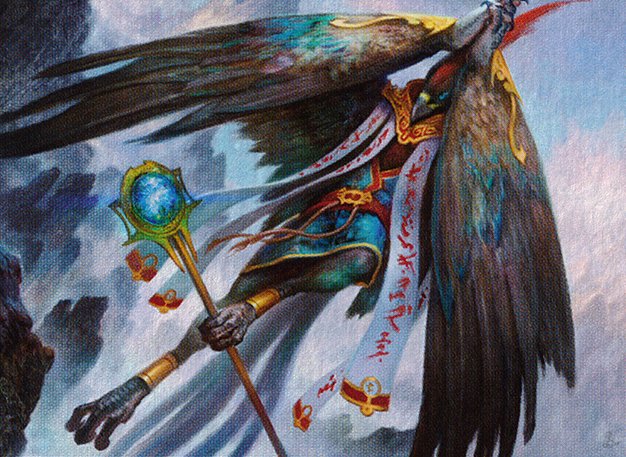
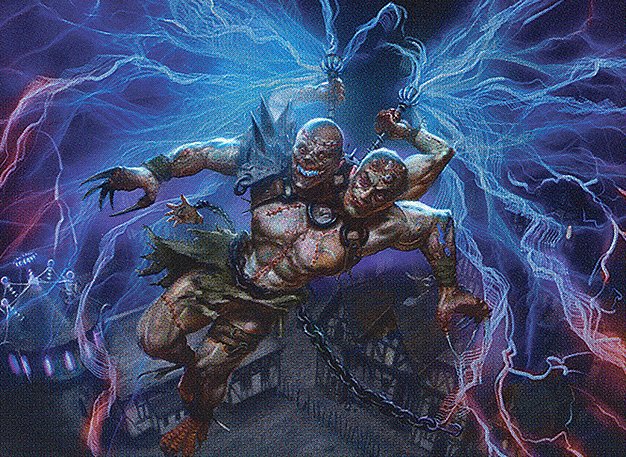
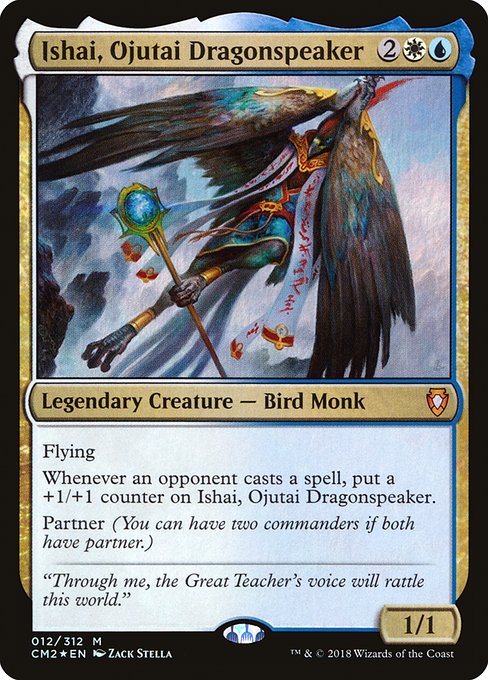
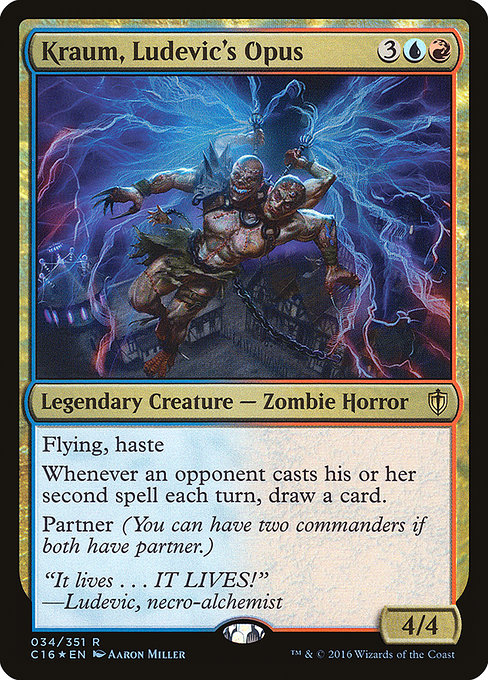
Ishai, Ojutai Dragonspeaker and Kraum, Ludevic's Opus
A damage and taxing deck that grows Ishai whenever opponents attack, leveraging taxing effects to slow opponents while accumulating counters for a big finish. Focuses on passive value rather than removal.
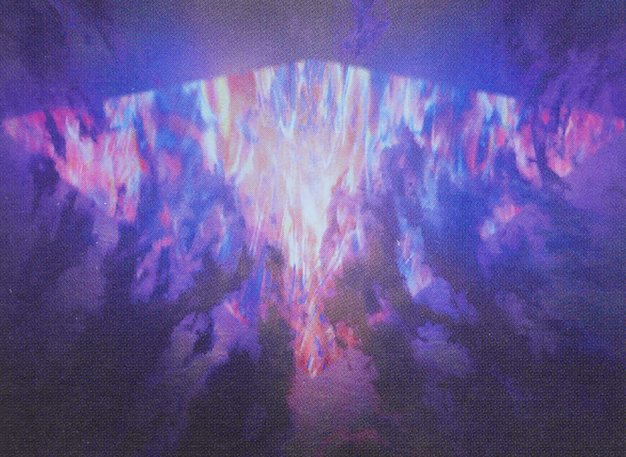
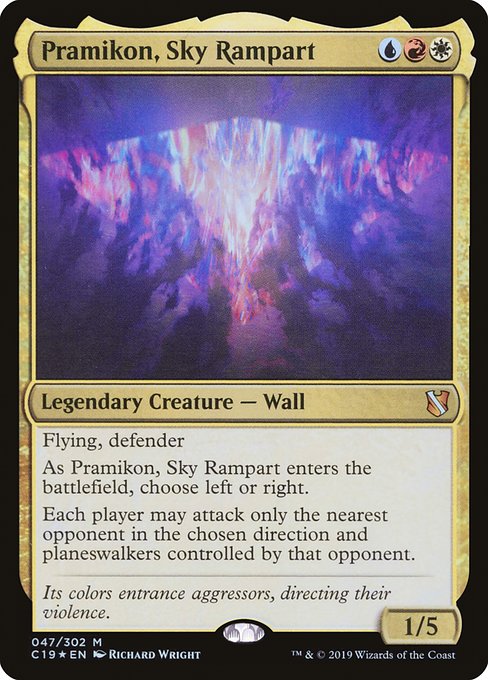
Pramikon, Sky Rampart
A defensive deck that limits attacks to one direction, controlling the board by forcing opponents to attack only certain players. Employs defensive walls and control elements to stall and protect.
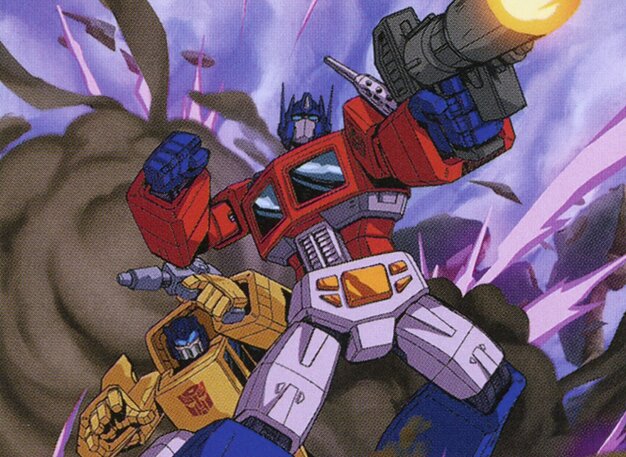
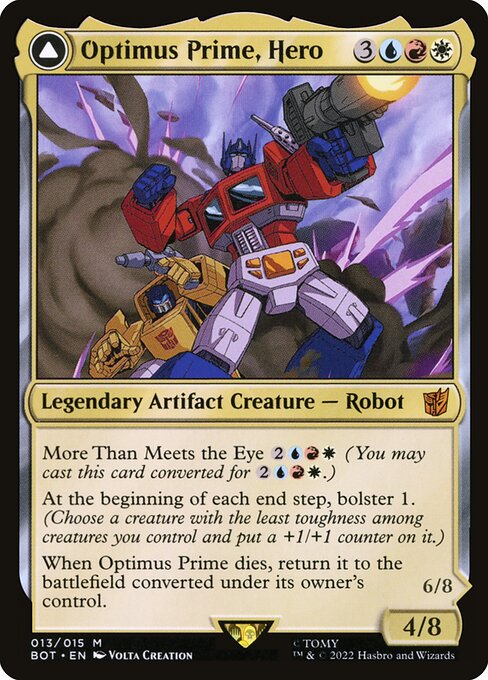
Optimus Prime, Hero // Optimus Prime, Autobot Leader
Capitalizes on treasure token generation and copying effects like Howling Mine to generate massive card advantage and resource production, enabling powerful plays through economic dominance.
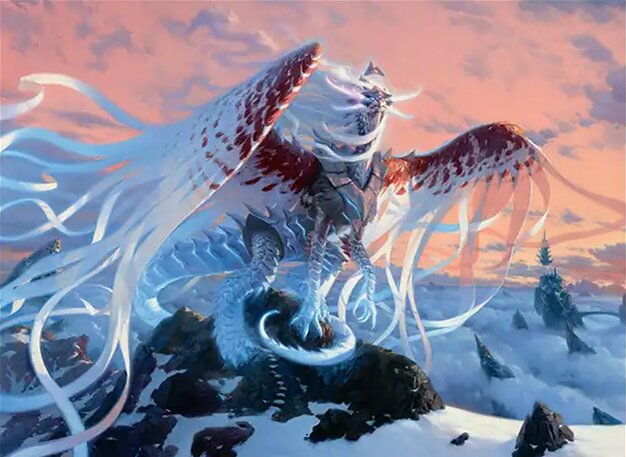
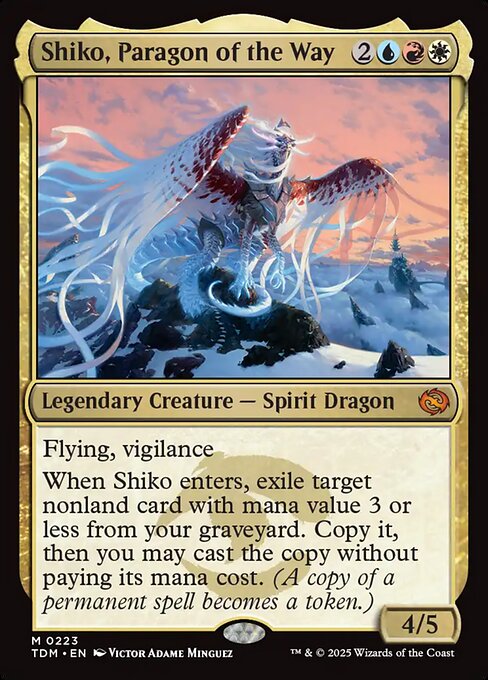
Shiko, Paragon of the Way
Utilizes the ability to freecast three-drop spells to play efficiently and adaptively. A midrange deck with flexible plays but lacks a clear, focused win condition, relying on incremental advantage.
Gameplay Insights
- 1
Ishai and Kraum's strategy of growing counters from opponents' attacks created a passive threat but was hindered by the lack of removal or board wipes.
- 2
Pramikon's directional attack restriction significantly slowed down aggression, forcing players to reconsider attack targets and strategies.
- 3
Optimus Prime's treasure generation combined with copying Howling Mine created overwhelming card advantage, serving as the main engine for victory.
- 4
Shiko's freecasting of three-drop spells allowed for mana-efficient plays but did not translate into a decisive advantage due to the deck's lack of synergy and removal.
- 5
The match demonstrated the tension between defensive stalling (Pramikon) and value-based incremental growth (Ishai and Kraum) against aggressive resource production (Optimus Prime).
Notable Cards
-
Ishai, Ojutai Dragonspeaker
-
Kraum, Ludevic's Opus
-
Pramikon, Sky Rampart
-
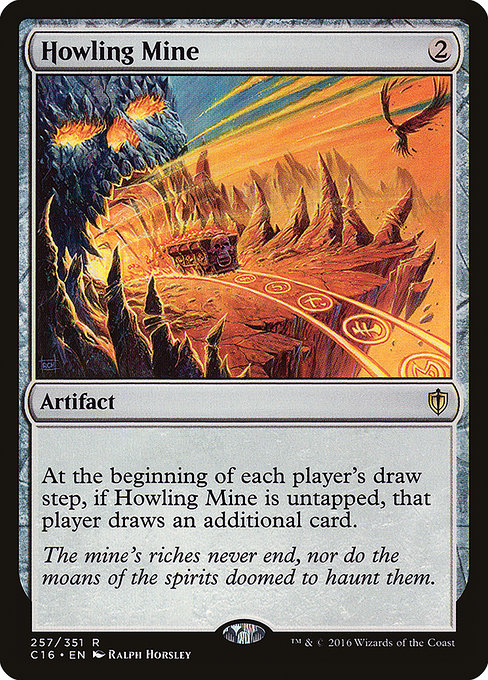
Howling Mine
Gameplay Summary
The game featured a four-player Commander match with themed decks reflecting different aspects of America, each with unique strategic approaches.
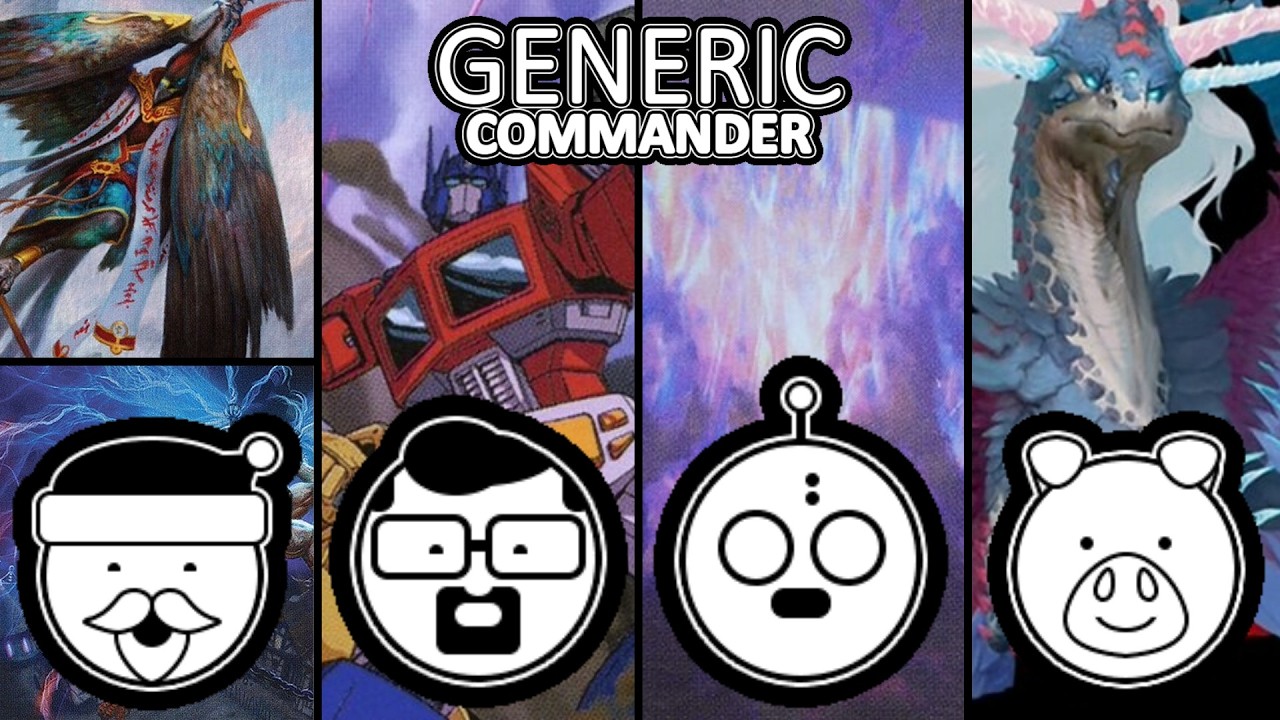
Jolly Saint Click piloted Ishai, Ojutai Dragonspeaker and Kraum, Ludevic's Opus, focusing on a cumulative damage and taxing strategy that benefits from opponents attacking him, but lacking removal or board wipes.
Jarvis Moonbeam played Pramikon, Sky Rampart, a defensive deck that restricted attacker choices and emphasized protection and control.
Uncle Russ led Optimus Prime, a deck built around generating value through treasure tokens and copy effects, leveraging capitalism-themed synergies to out-resource opponents.
HamHocks42 commanded Shiko, Paragon of the Way, a deck centered on freecasting spells and flexible plays, though with a somewhat unfocused midrange approach. Early gameplay revolved around setting up defenses and incremental value engines.
Ishai and Kraum steadily grew counters from opponents' attacks, while Pramikon limited aggression through its directional blocking ability.
Optimus Prime capitalized on treasure generation and copying key cards like Howling Mine to gain card advantage, pressuring the table economically.
Shiko's ability to freecast smaller spells allowed for adaptability but lacked a decisive win condition.
The pivotal moment came when Optimus Prime's treasure and copy synergies overwhelmed opponents, while Ishai and Kraum struggled to break through without removal.
Pramikon's defensive wall slowed the pace but could not prevent mounting pressure.
Ultimately, the game highlighted the tension between slow value accumulation and aggressive treasure production as the defining strategic contrast.


![Lucea Kane vs Ivy vs Optimus Prime vs Tivit [EDH/Commander, Magic The Gathering Gameplay 2022] thumbnail](https://i.ytimg.com/vi/o2ZpW-_uXP0/sddefault.jpg)


![Commander VS S17E7: ??? VS ??? VS ??? VS ??? [EDH Gameplay] thumbnail](https://i.ytimg.com/vi/Wl5x-udunSg/sddefault.jpg)


