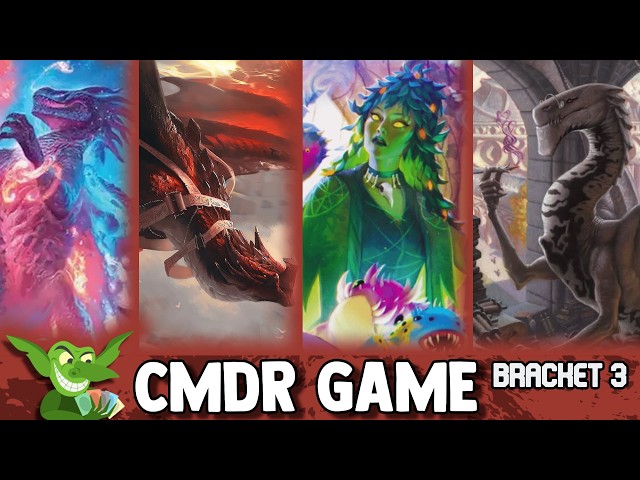
Deck & Commander Strategies

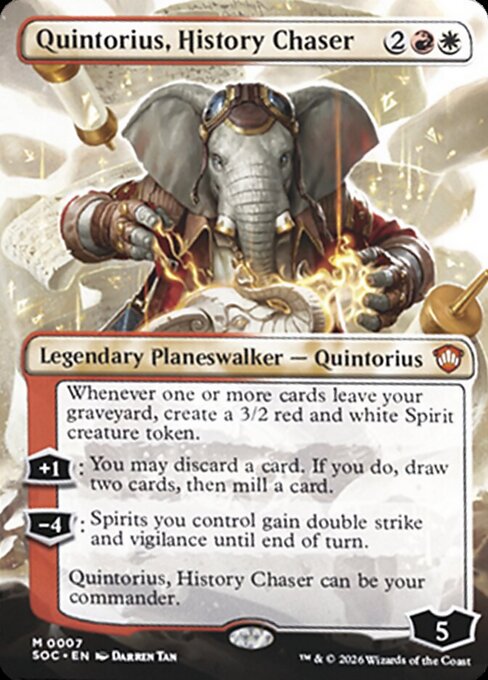
Quintorius, History Chaser
Focuses on graveyard recursion and artifact synergy to generate spirit tokens and treasures, creating a large board presence and resource advantage through repeated card discard and land recursion.

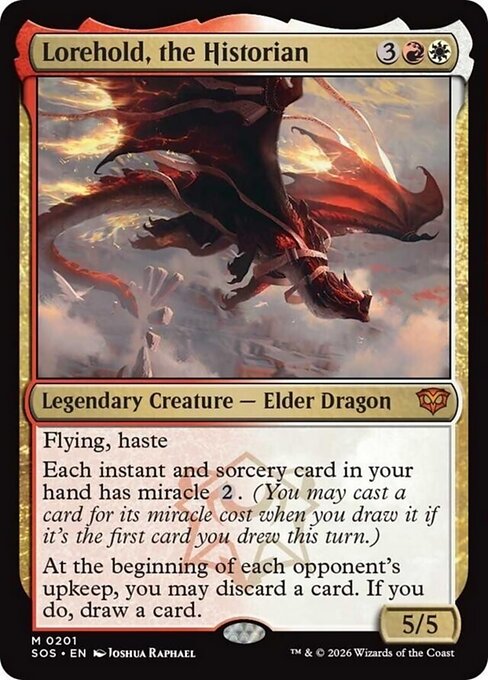
Lorehold, the Historian
Uses flying haste creatures and Miracle spells to apply pressure early while benefiting from discard-draw effects each opponent’s upkeep, maintaining hand size and tempo.

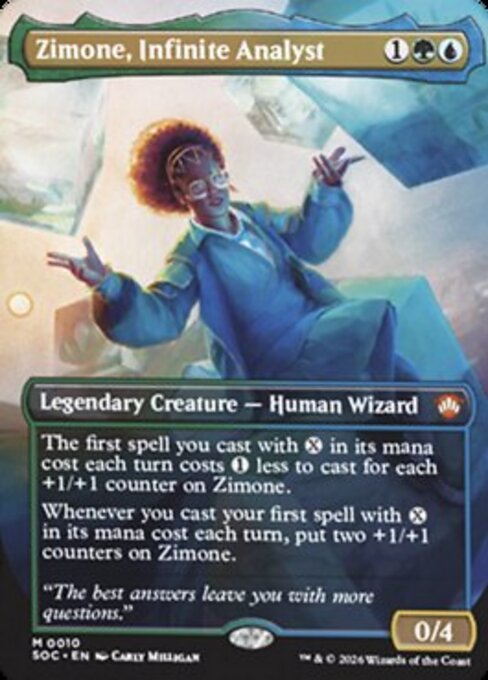
Zimone, Infinite Analyst
Builds up quickly with +1/+1 counters by casting spells with X in their cost, leveraging cards that synergize with counters to grow threats exponentially.

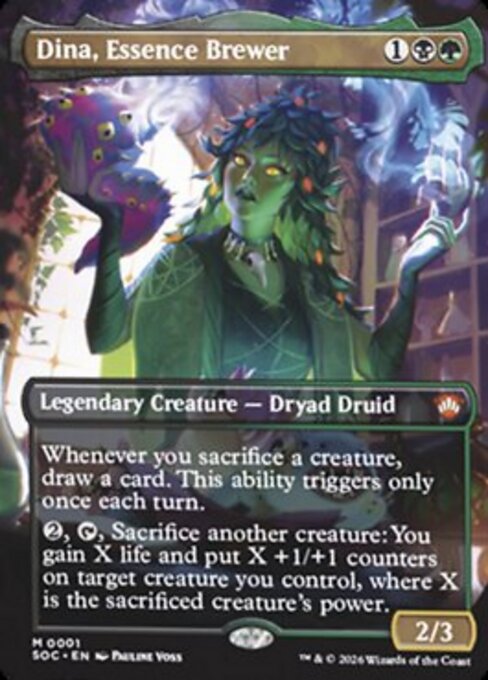
Dina, Essence Brewer
Utilizes sacrifice mechanics combined with +1/+1 counter distribution to draw cards, gain life, and grow creatures, creating a resilient and value-oriented board.
Gameplay Insights
- 1
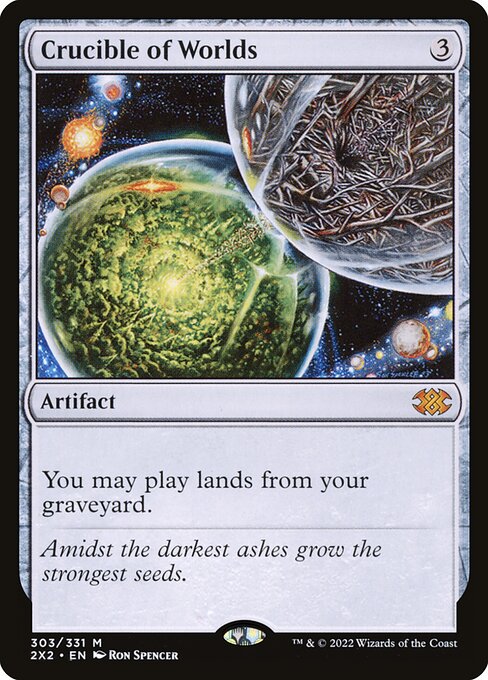
Quintorius’s synergy with discarding lands and artifacts triggered multiple spirit token creations while recurring lands with Crucible of Worlds, significantly increasing board presence.
- 2
Lorehold’s Miracle mechanic combined with discard-draw enabled consistent card advantage and pressure through flying creatures.
- 3
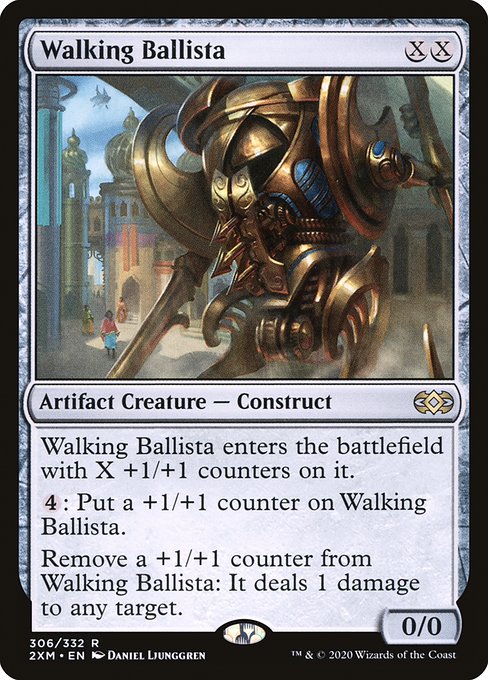
Zimone’s use of spells with X in their cost and Walking Ballista to rapidly place counters on herself allowed explosive growth of threats.
- 4
Dina maximized value from sacrificing creatures by drawing cards and distributing +1/+1 counters, maintaining a steady flow of resources and life gain.
- 5
Artifact recursion and graveyard manipulation were central to creating advantage, forcing opponents to respond to both tokens and resource engines.
Notable Cards
-

Currency Converter
-
Crucible of Worlds
-
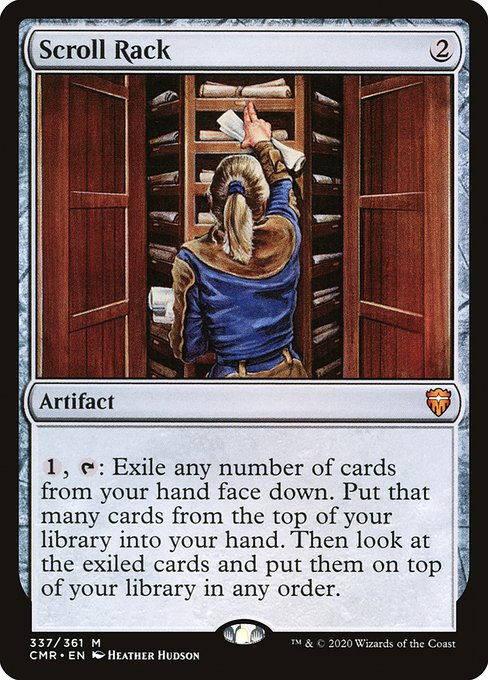
Scroll Rack
-
Walking Ballista
-

Hardened Scales
-
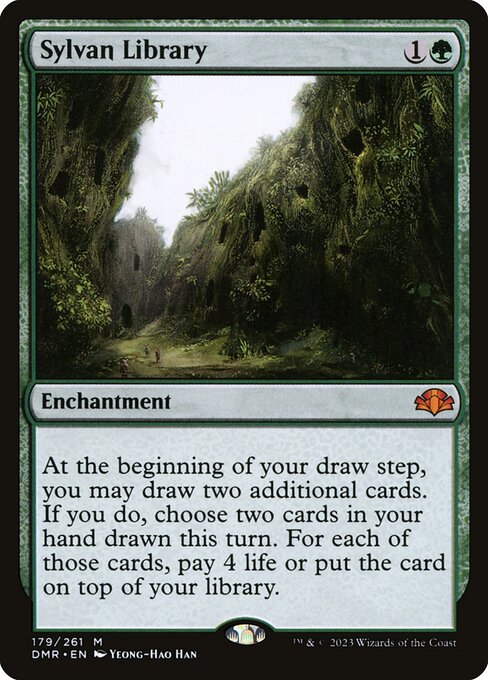
Sylvan Library
-
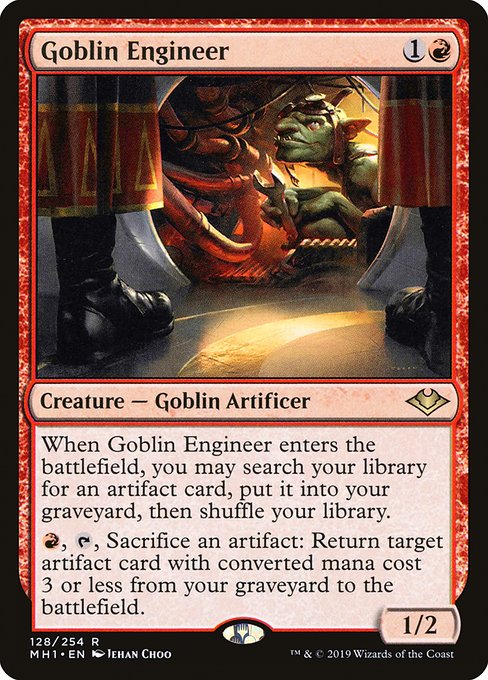
Goblin Engineer
Gameplay Summary
The game started with players developing their board states through mana ramp, card draw, and early creatures.
Quintorius, History Chaser used graveyard interactions combined with artifacts like Currency Converter and Crucible of Worlds to generate spirit tokens and treasure, building a strong resource engine.
Lorehold, the Historian took advantage of a flying haste dragon commander with Miracle spells to maintain tempo and card advantage through discard-draw synergies.
Zimone, Infinite Analyst focused on accumulating plus one counters quickly using spells with X in their cost and cards like Walking Ballista, accelerating her board presence.
Dina, Essence Brewer leveraged sacrifice mechanics and +1/+1 counter synergies, drawing cards and gaining life to sustain her board and threaten with creatures like Tarrasque Symbiote. A pivotal moment came when Quintorius activated multiple graveyard triggers by discarding lands and artifacts, flooding the board with spirit tokens and treasures while recurring lands from the graveyard with Crucible of Worlds.
Lorehold’s aggressive flying threats and Miracle spells helped keep pressure on opponents, but the intricate artifact recursion and token generation from Quintorius created a large board presence.
Zimone’s rapid growth of counters and Dina’s sacrifice-driven card draw kept the game dynamic, with each player trying to out-resource and out-value the others.
The game showcased strong synergies around graveyard recursion, +1/+1 counters, and sacrifice outlets, setting the stage for a late-game where board control and incremental advantage would decide the winner.