

Deck & Commander Strategies

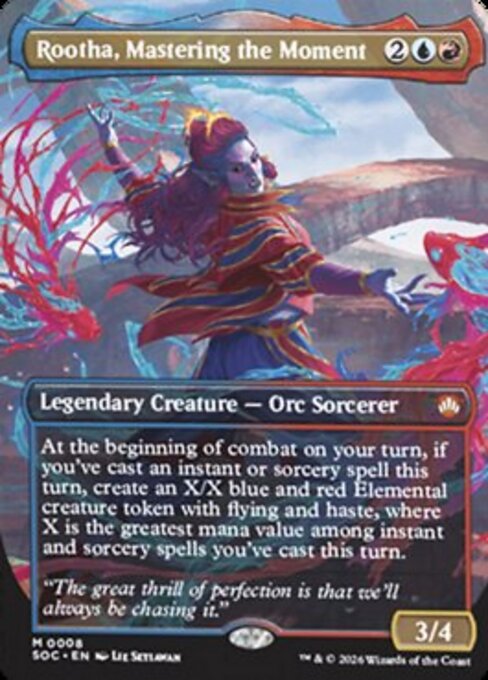
Rootha, Mastering the Moment
Cast sorcery spells during main phase one to create large Elemental creatures based on the mana value of those spells, using tempo and big creatures to dominate the board.

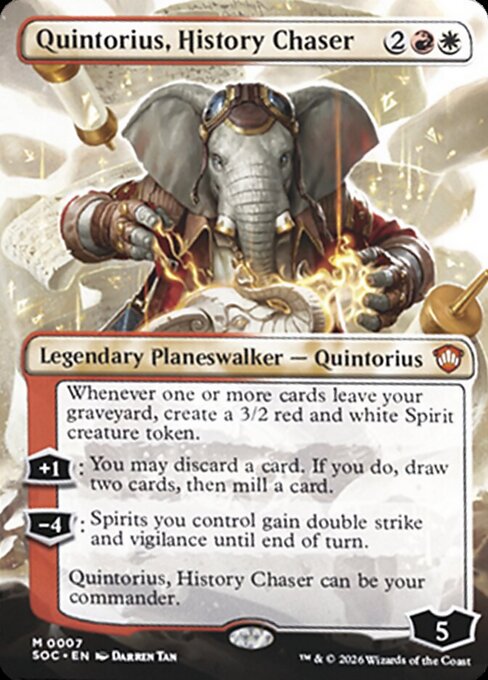
Quintorius, History Chaser
Leverage graveyard recursion and artifact/sorcery interaction to generate spirit tokens and value, aiming to control the board and chip away at opponents with persistent threats.

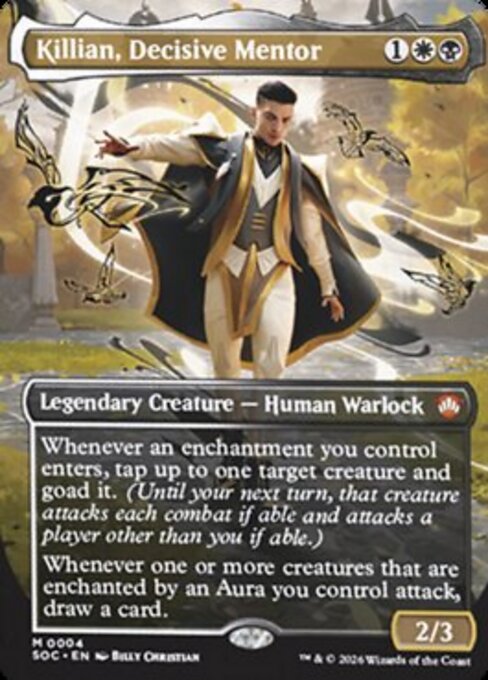
Killian, Decisive Mentor
Build around auras that enhance creatures and generate card draw, using enchanted creatures to tap down opponent blockers and maintain board control while drawing into more threats.

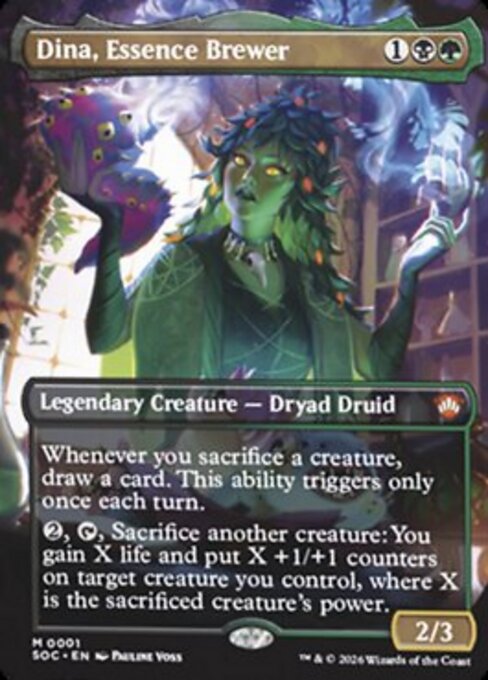
Dina, Essence Brewer
Sacrifice creatures to grow other creatures with +1/+1 counters, generating incremental advantage through life gain and recurring pest tokens to stabilize and push damage.
Gameplay Insights
- 1
Rootha's emphasis on casting sorceries during main phase one to maximize Elemental token creation allowed for large creatures to quickly pressure opponents.
- 2
Killian’s use of auras not only buffed creatures but also triggered multiple card draws, accelerating his ability to keep up with Rootha’s tempo while controlling the board with tapping effects.
- 3
Dina’s strategy of sacrificing creatures to enhance other creatures with +1/+1 counters provided steady incremental growth and resilience against board wipes.
- 4
The synergy between token creation and prepared creatures in Dina and Quintorius’ decks ensured continuous board presence and value generation over the course of the game.
- 5
Early ramp and card advantage artifacts like Soul Ring and Archaeomancer's Map helped smooth mana and dig for key pieces, enabling timely deployment of threats.
Notable Cards
-

Determined Iteration
-

Archaeomancer's Map
-

High Market
-

Spectacle Summit
-

Temple of Triumph
-

Exotic Orchard
Gameplay Summary
The game began with players developing their mana bases and deploying early ramp and utility lands to set the stage for their strategies.
Rootha used Prismari's sorcery-heavy approach to create large Elemental creatures by casting spells in the main phase, aiming to leverage powerful tempo swings.
Quintorius focused on graveyard recursion and creating spirit tokens to apply pressure over time.
Killian deployed an aura-centric deck that capitalized on enchanting creatures to generate card advantage and control the board through tapping and attacking triggers.
Dina utilized sacrifice synergies to grow creatures with +1/+1 counters, generating value from recurring creatures and life gain. Key turning points included Rootha casting multiple high-value spells to summon giant Elementals, shifting the board state dramatically in her favor.
Killian’s Core Spirit Dancer drew multiple cards as auras were attached, accelerating his board development and hand replenishment.
Meanwhile, Aaron's play of Entric Pestfinder and prepared creatures provided a steady stream of tokens and life gain, bolstering his board presence.
Throughout the midgame, the players jockeyed for position with tappings, removals, and card draws, while Rootha’s token generation and elemental threats became the main offensive force.
Ultimately, the game centered around Rootha’s ability to overwhelm opponents with large Elementals created from her sorcery casts, supported by the incremental advantages gained by the other commanders’ synergy engines.