Deck & Commander Strategies

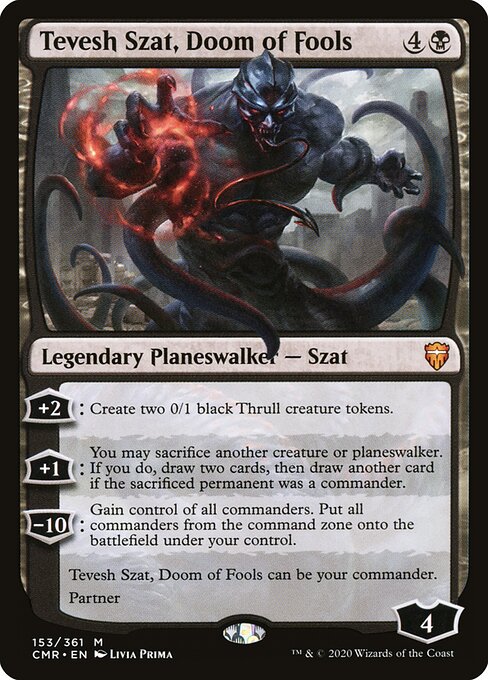
Tevesh Szat, Doom of Fools
Focuses on generating and sacrificing tokens to fuel powerful effects, gaining incremental advantage through resource denial and manipulation of the graveyard, ultimately aiming to overwhelm opponents with board presence and value.
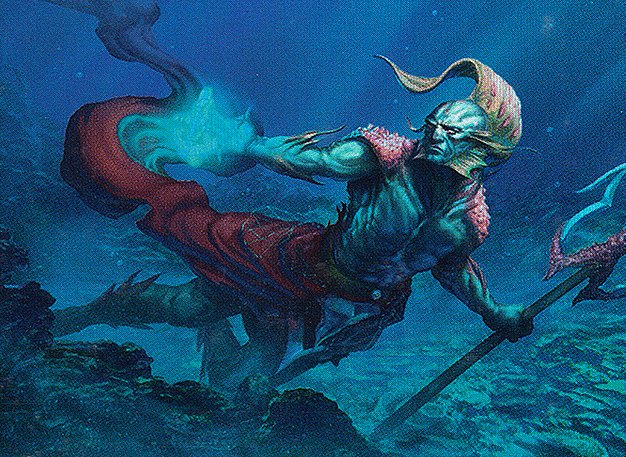
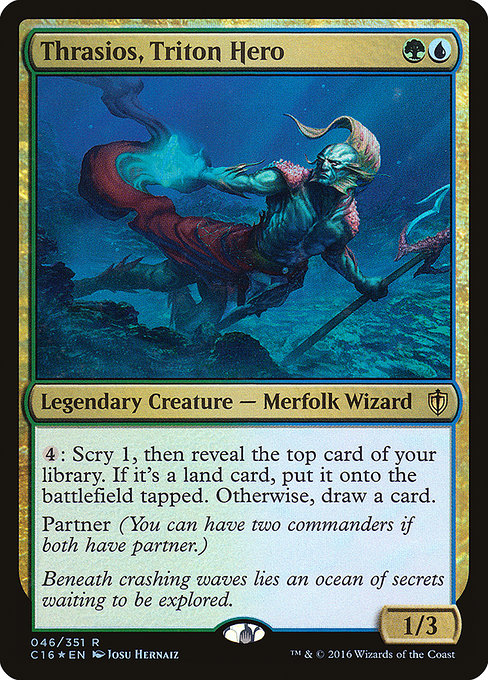
Thrasios, Triton Hero
Acts as a versatile card advantage engine and mana fixer, supporting combo or midrange strategies by drawing cards and ramping mana, facilitating the assembly of various win conditions.

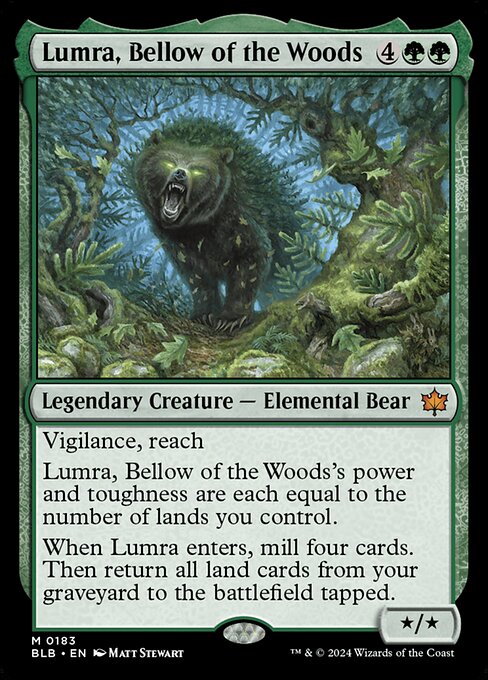
Lumra, Bellow of the Woods
Ramp-centric deck that accelerates mana production aggressively with creatures like Lotus Cobra and Exploration, enabling early deployment of threats and interaction to control the board.
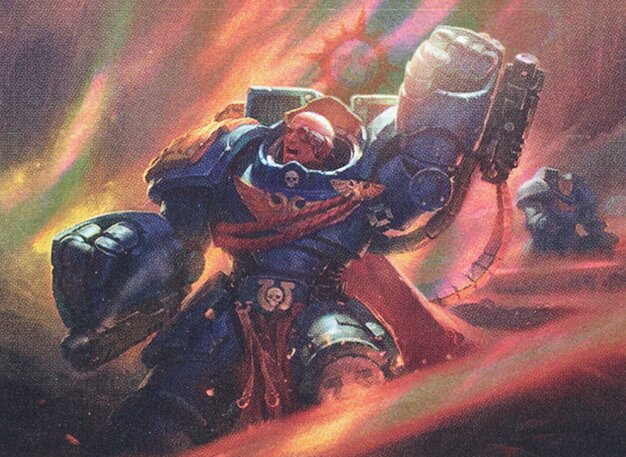
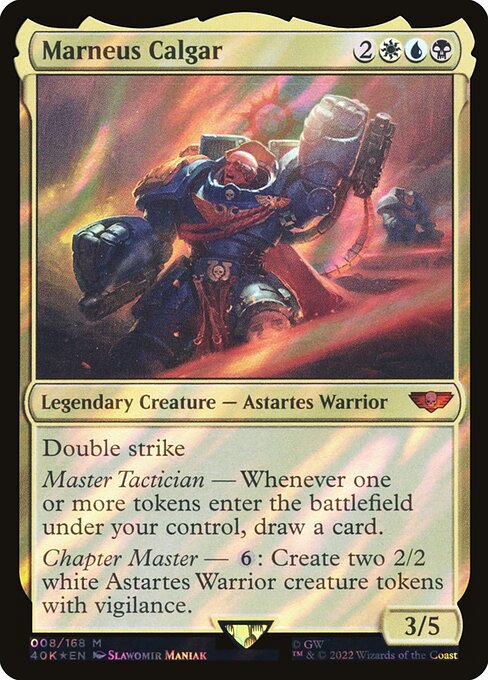
Marneus Calgar
Utilizes a toolbox of interaction and disruption, leveraging tutors and removal to keep opponents in check while setting up for a midrange value game plan.

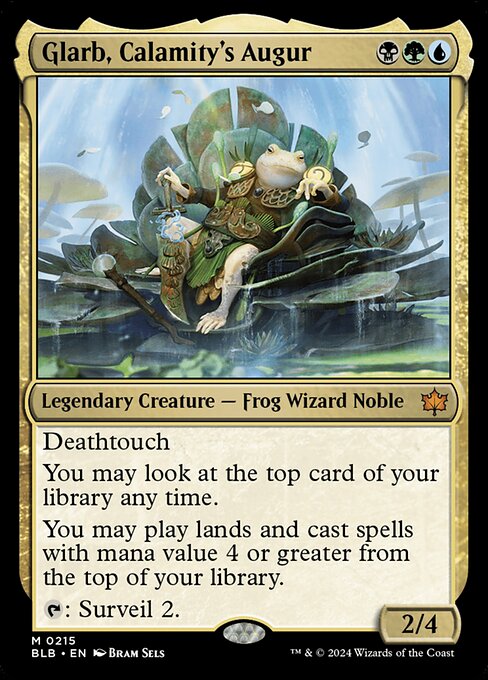
Glarb, Calamity's Augur
Focused on graveyard interactions and value generation through self-mill and recursion, aiming to grind out resources and leverage incremental advantages over time.
Gameplay Insights
- 1
Early use of Root Path Purifier to turn lands into basic lands disrupted some of the opponents' mana bases and forced adjustments in strategy.
- 2
Flicker effects were used to protect key enchantments and creatures, increasing resilience against removal spells.
- 3
Strategic targeting of Seedborn Muse and similar cards aimed to reduce opponents’ ability to use untap effects multiple times per turn, curbing their tempo advantage.
- 4
Players prioritized holding interaction until critical moments to maximize disruption while maintaining board presence.
- 5
Resource denial through land destruction and sacrifice effects was a critical factor in shaping the midgame board state.
Notable Cards
-
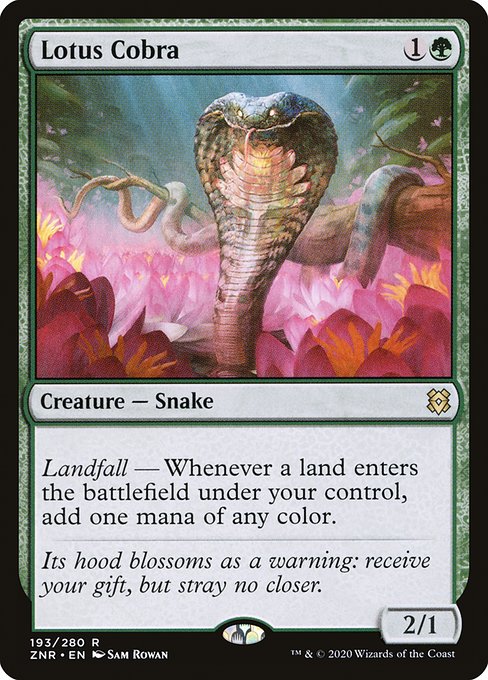
Lotus Cobra
-
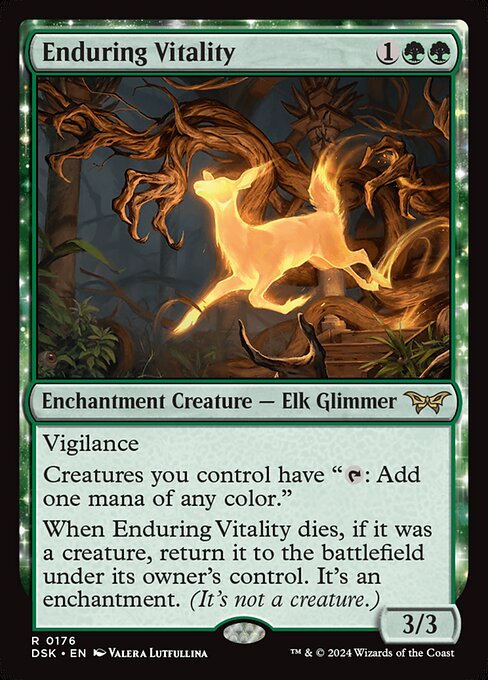
Enduring Vitality
-

Strip Mine
-
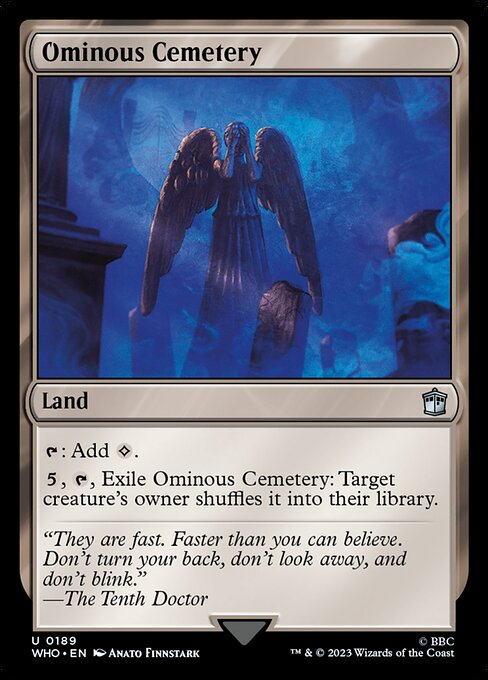
Ominous Cemetery
-
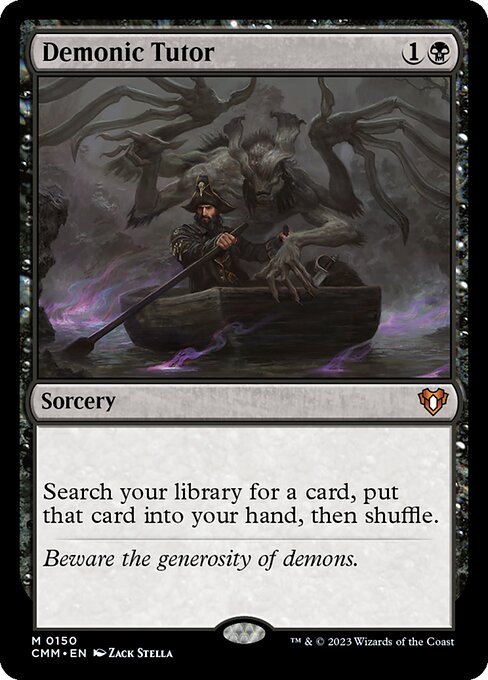
Demonic Tutor
-
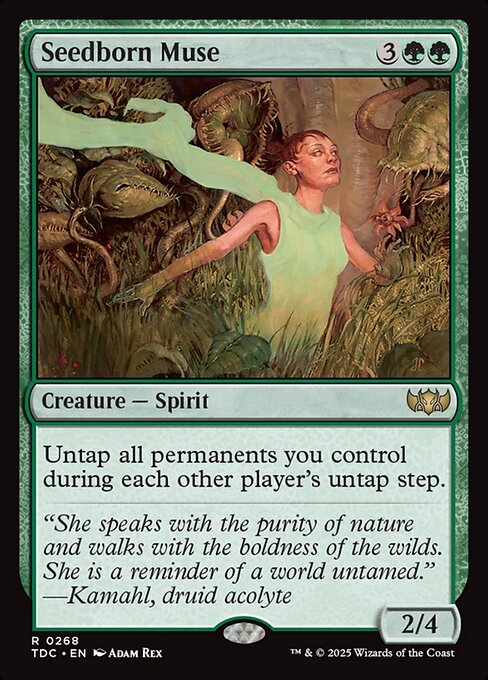
Seedborn Muse
Gameplay Summary
The game began with a typical ramp and setup phase, where players developed their mana bases with lands and mana dorks like Lotus Cobra, and cast early utility spells such as Ristic Study and Exploration.
Tevesh Szat and Lumra established steady mana acceleration, while Marneus and Glarb focused on assembling their toolbox and interaction pieces.
Early turns featured some strategic land drop sequencing and resource management, including the use of lands with depletion counters and interaction with unique lands like Root Path Purifier, which affected nonbasic lands.
Midgame saw players start to assemble their core strategies and interaction, with key plays including flickering effects to protect important cards, and the deployment of strip mines and tutors to control opponents’ resources.
A pivotal moment involved the decision to target high-value permanents with removal spells and the strategic choice to disrupt Seedborn Muse, aiming to limit opponents’ capacity for repeated activations.
The game’s tempo was influenced heavily by players holding back some interaction and waiting for optimal moments to deploy their removal or combos.
The overall pace indicated a midrange, attrition-style game where players sought to outvalue each other through incremental advantage and well-timed interaction rather than explosive combos, with Tevesh Szat’s token generation and Lumra’s ramp serving as key engines for eventual board dominance.