

Deck & Commander Strategies
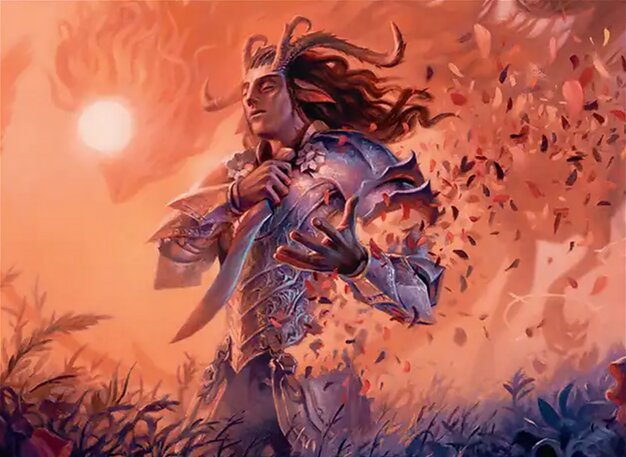
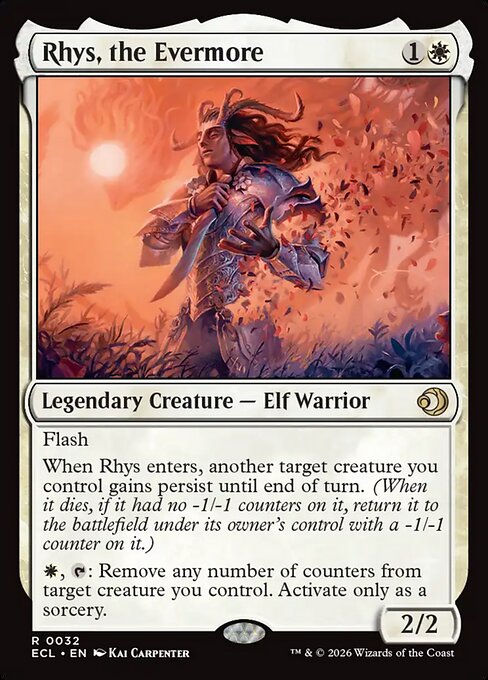
Rhys, the Evermore
Focuses on persist triggers and token generation, aiming for infinite combos with ETB and death triggers to overwhelm opponents with a flood of creatures.
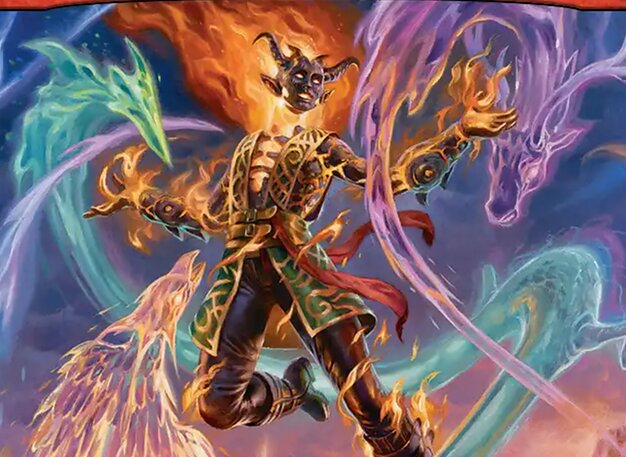
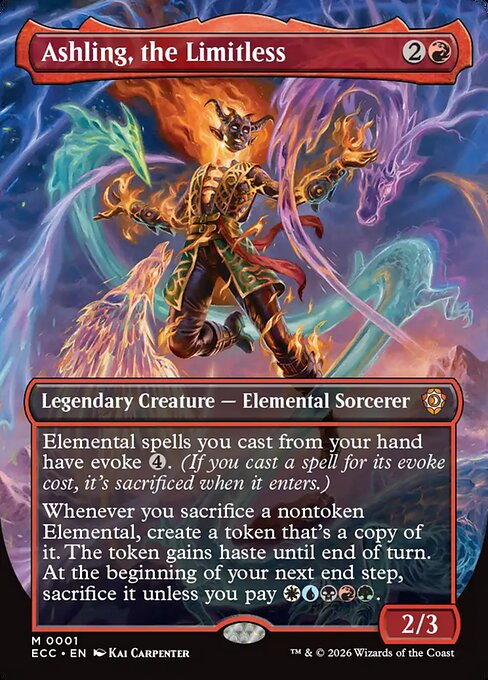
Ashling, the Limitless
Utilizes elemental creatures with evoke and sacrifices them to create haste tokens, leveraging elemental tribal synergies for aggressive board presence and damage.

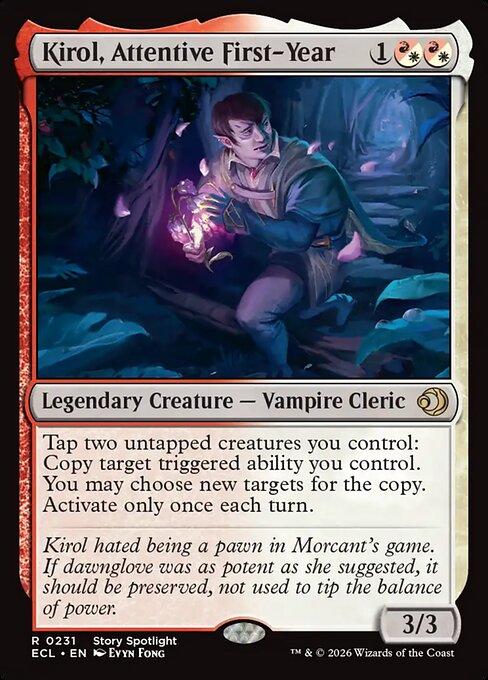
Kirol, Attentive First-Year
Centers on copying triggered abilities to maximize value from ETB effects, creating multiple tokens and incremental advantage through repeated triggers.

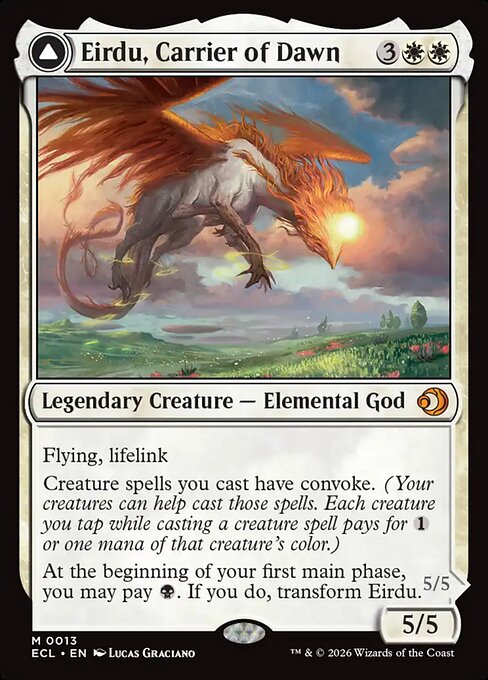
Eirdu, Carrier of Dawn // Isilu, Carrier of Twilight
A stompy black and white deck focused on convoke to cast big creatures, complemented with persist mechanics and removal to control the board and apply pressure.
Gameplay Insights
- 1
The repeated casting and flashcasting of Solitude caused significant disruption, turning the tide multiple times by exiling key creatures and commanders.
- 2
Copying exile triggers created powerful interactions, such as targeting opponents’ commanders for removal, demonstrating the synergy between ETB triggers and duplication effects.
- 3
Rhys’s strategy of copying persist triggers to generate multiple tokens proved effective for board presence and life gain, allowing for sustained pressure even without ideal draws.
- 4
Ashling’s elemental sacrifice mechanic produced haste tokens that kept up offensive momentum while enabling card draw and additional board impact.
- 5
The lack of counterspells shifted the game towards value-based plays and efficient removal, emphasizing timing and resource management to maintain control.
- 6
Players used lands with sacrifice drawbacks strategically to maintain tempo and enable casting their commanders despite challenging mana constraints.
Notable Cards
-
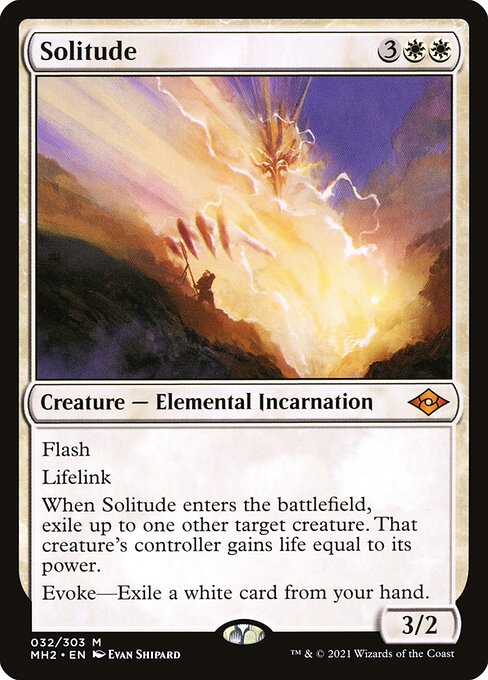
Solitude
-
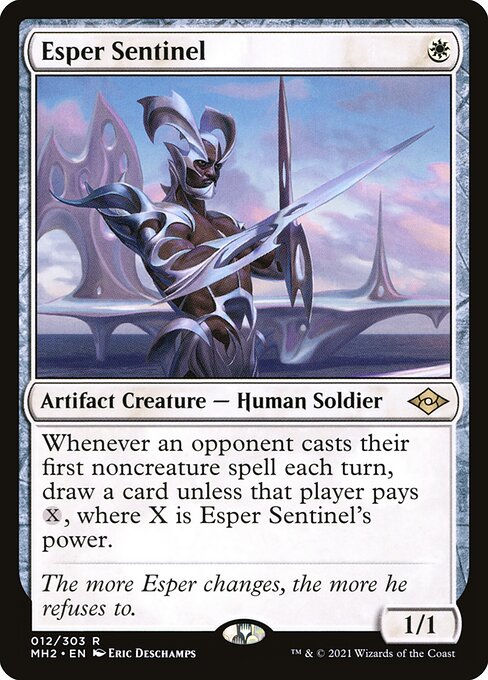
Esper Sentinel
-
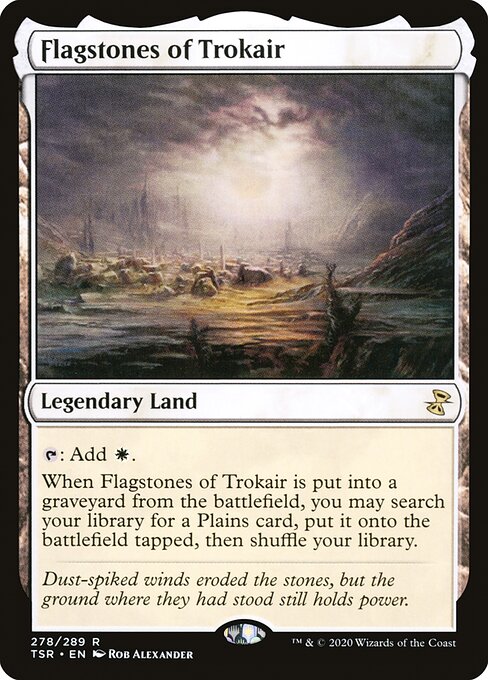
Flagstones of Trokair
-
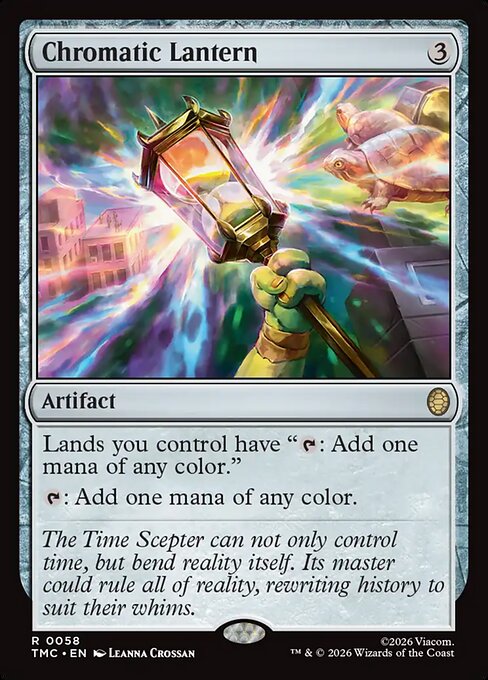
Chromatic Lantern
-
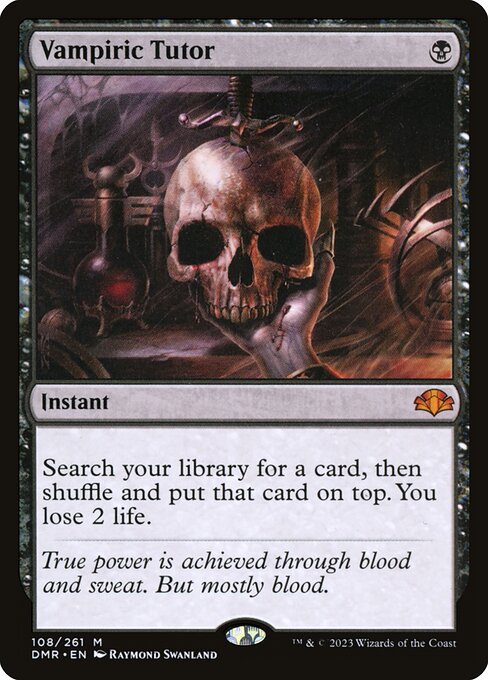
Vampiric Tutor
-
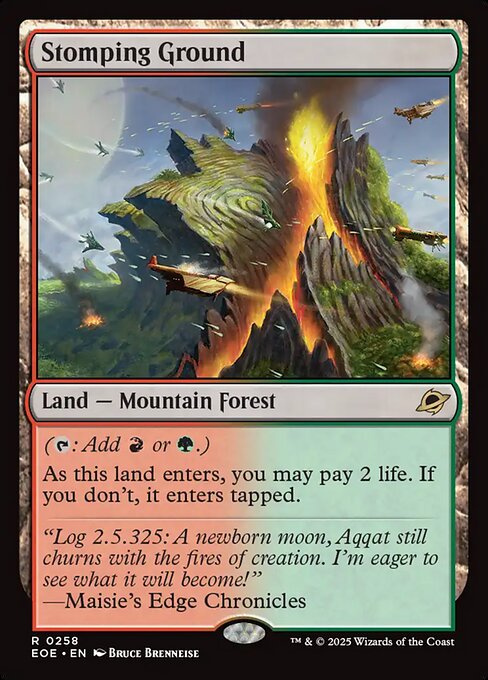
Stomping Ground
Gameplay Summary
The game started with a typical early ramp and board development phase, featuring players establishing mana bases and deploying low-cost creatures to set up their strategies.
Early on, the white weenie aggro player focused on generating tokens and leveraging ETB (enter-the-battlefield) triggers to build a board presence.
The game saw multiple instances of the powerful card Solitude being cast, with players flashcasting it to exile key creatures and disrupt opponents' boards, leading to several pivotal moments where tempo shifted dramatically.
One notable interaction included a player copying the exile trigger of Solitude to target an opponent's commander, showcasing the importance of ETB synergy in this game.
The token production strategy flourished with Rhys the Evermore creating multiple cat tokens while simultaneously managing hand size and life gain.
Meanwhile, Ashling the Limitless enabled an elemental sacrifice and token generation engine, adding pressure with haste tokens and elemental synergies.
The game’s tension revolved around carefully timed removal spells, token generation, and board control, with the absence of counterspells leading players to rely heavily on value creatures and removal to maintain board state.
The combination of recursion, token multiplication, and removal defined the midgame, setting up for potential infinite combos or overwhelming board states to clinch victory.


